
Asbestos Inspection and Testing: The Hidden Risks You Cannot Ignore
Asbestos inspection and testing is the only safe way to confirm whether a property contains asbestos and to understand the level of risk it may pose. Many homes and commercial buildings in the UK still contain asbestos, especially those built before the year 2000, which means the danger is often hidden until work begins. This is why asbestos inspection and testing is essential for anyone buying, renovating or managing a property. Asbestos becomes dangerous when it is disturbed. Small fibres can release into the air and be breathed in, which may lead to serious health problems later in life. Because asbestos cannot be identified by sight alone, testing carried out by trained professionals is the only reliable method. Without a proper inspection, property owners may unknowingly expose themselves, their families or their workers to unsafe conditions.
A full inspection helps identify exactly where asbestos is located, what condition it is in and whether it needs to be removed or safely managed. Many people assume their property is safe simply because it looks modern or well maintained, but asbestos is often hidden behind walls, ceilings, insulation or flooring. This makes inspection and testing a key part of responsible property ownership. In this article, you will learn what asbestos inspection and testing involves, the hidden risks you cannot ignore, when these checks are needed and how they protect your health, finances and peace of mind. By understanding the dangers and the steps involved, you can make informed choices and avoid costly mistakes.
What Is Asbestos Inspection and Testing?
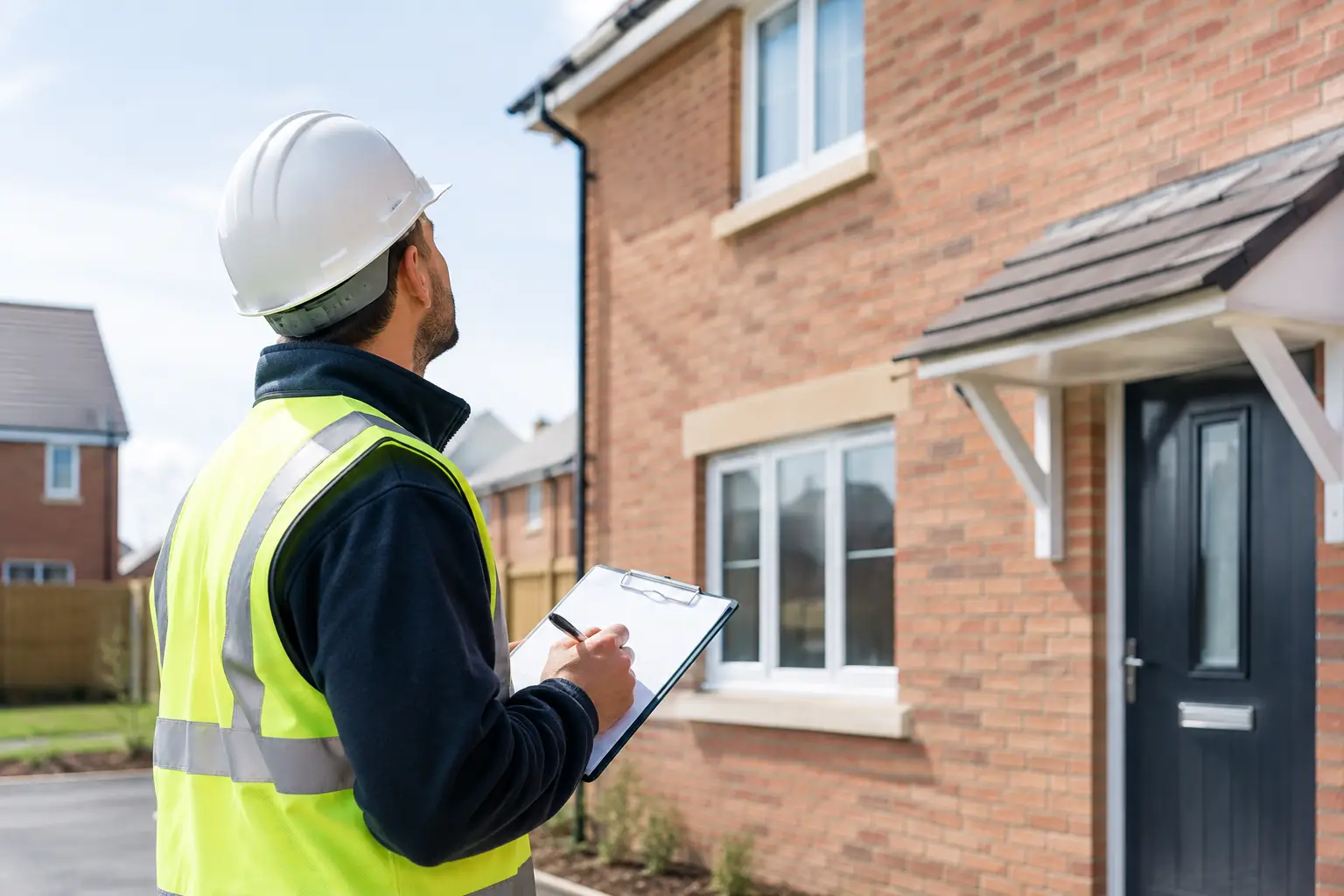
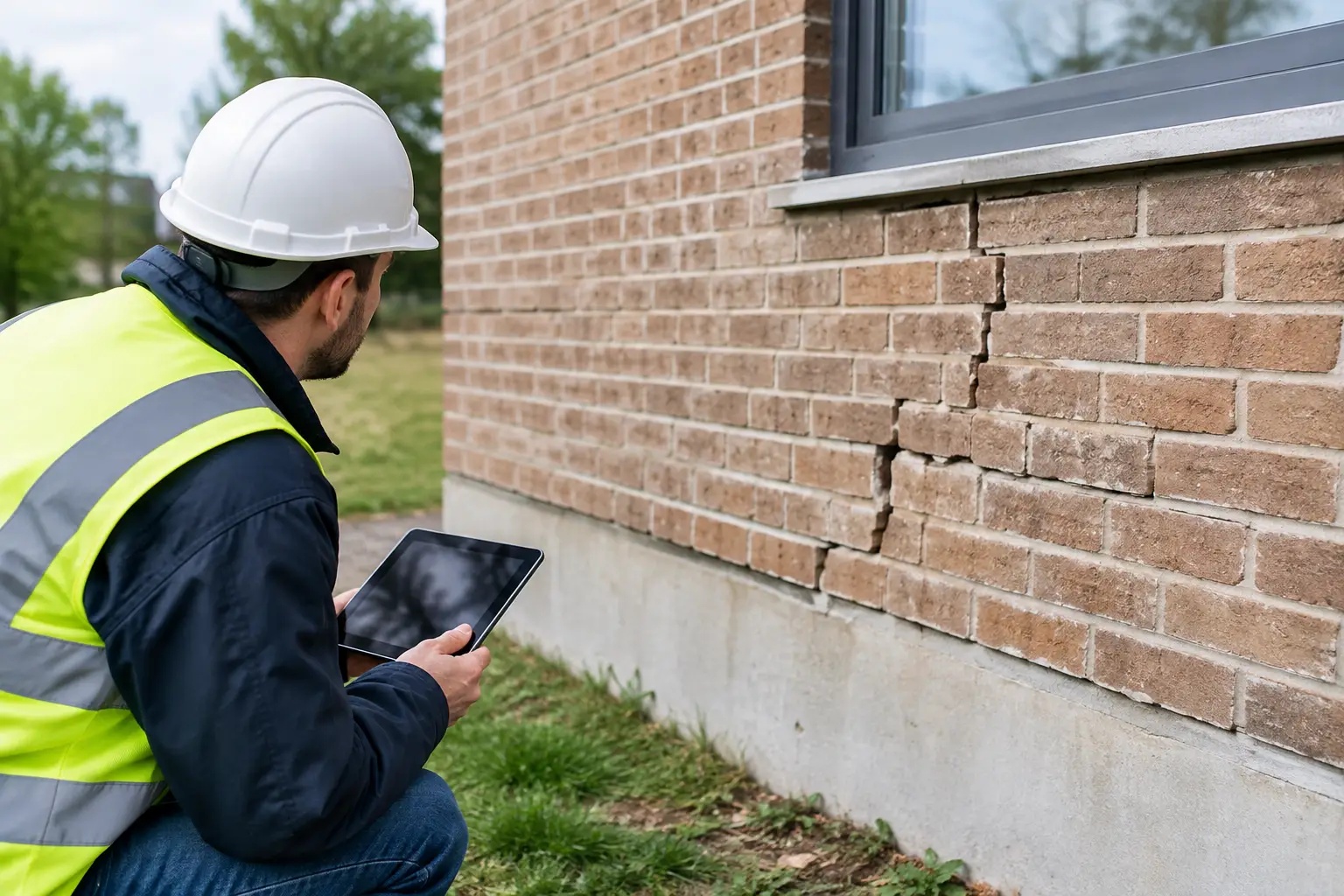
Asbestos inspection and testing is a structured process carried out by trained surveyors to identify materials that contain asbestos and assess the level of risk they pose. Because asbestos cannot be confirmed by sight, samples must be taken and analysed in a laboratory. This ensures complete accuracy and removes any guesswork. A typical inspection begins with a visual assessment of the property. The surveyor looks for materials known to historically contain asbestos, such as insulation, textured coatings, ceiling tiles, pipe lagging, roofing materials and certain types of flooring. Even if the material appears harmless, a sample is taken if there is any possibility it could contain asbestos. The surveyor follows strict safety procedures to prevent fibres from becoming airborne during this process.
Once samples are collected, they are sent to an accredited laboratory for testing. Here, specialists use microscopes to check whether asbestos fibres are present and determine the type of asbestos found. The results are then compiled into a clear report that outlines where asbestos is located, what condition it is in and what action, if any, is required. There are different types of asbestos surveys depending on the situation. A management survey is used for ongoing property use and identifies asbestos that may be disturbed during day to day activities. A refurbishment or demolition survey is more intrusive and required before major building works take place. This ensures that any asbestos is dealt with safely prior to construction.
Asbestos inspection and testing is essential for legal compliance as well. Under UK law, property owners and duty holders must manage asbestos safely. Failure to do so can lead to fines, legal action and risks to health. This makes a professional inspection not just sensible but necessary. By understanding what the process involves, property owners gain a clearer picture of the safety of their building and the steps they must take to manage any risks.

Common Hidden Risks Found During Asbestos Inspection and Testing
Asbestos inspection and testing often reveal risks that property owners had no idea were present. Many of these risks stay hidden for years because asbestos is mixed into everyday materials that look completely normal. Without testing, there is no way to know whether these materials are safe or dangerous. One of the most common hidden risks is damaged insulation. Older pipe lagging, loft insulation and boiler coverings often contain asbestos. When these materials become worn or broken, fibres can escape into the air. Because this happens gradually, many owners are unaware of the danger until a professional inspection identifies it.
Another frequent issue is asbestos in decorative finishes. Textured coatings used in ceilings and walls, especially those applied before the year 2000, often contain asbestos. They may look harmless, but sanding or drilling into them can release harmful fibres. Home renovation projects often disturb these materials, putting homeowners and tradespeople at risk. Flooring materials are also a hidden concern. Vinyl tiles and the adhesive beneath them often contain asbestos, yet many people replace flooring without realising the danger. When tiles break or are removed incorrectly, fibres can become airborne.
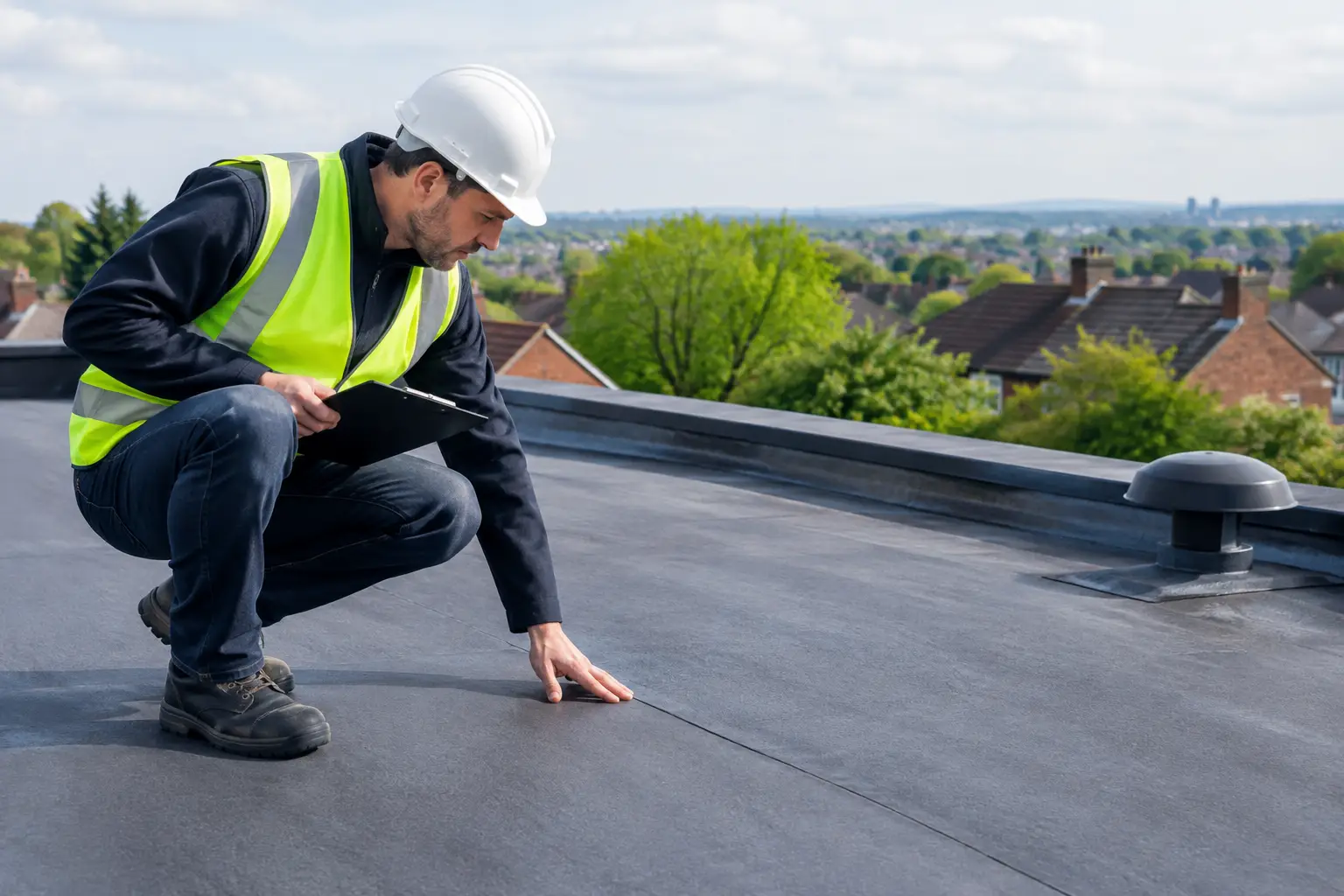
Asbestos can also be found in roof felt, cement sheets, soffits and guttering. Weathering and age increase the chance of fibres becoming loose. During roof repairs or replacements, this can create a serious hazard if the material is not properly identified beforehand. Even properties built after 1985 are not automatically safe. Some buildings continued to use up remaining asbestos stock until the complete ban in 1999. This is why asbestos inspection and testing remain important for many buildings across the UK, not just older ones.
What makes these risks so concerning is that asbestos-related illnesses develop slowly. People may breathe in fibres for years before symptoms appear. By the time health problems arise, the damage has already been done. This is why early detection through asbestos inspection and testing is so important. It prevents accidental exposure, supports safe planning for repairs and renovations and ensures the property remains compliant with UK safety laws.
Why Asbestos Inspection and Testing Are Essential for Safety and Compliance
Asbestos inspection and testing are not optional extras. They are essential steps for keeping people safe and ensuring a property meets UK health and safety laws. If asbestos is present and not properly managed, the risks can affect homeowners, tenants, contractors and even neighbouring properties.
The first reason these inspections are essential is health protection. Asbestos fibres are too small to see, taste or smell. Once released, they can stay in the air for long periods. Breathing them in can lead to long term illnesses, including asbestosis, lung cancer and mesothelioma. These conditions can take decades to appear, which is why avoiding exposure early on is so important. Proper inspection identifies dangerous materials before they pose a risk during everyday activities.
Another key reason is legal compliance. Businesses, landlords and duty holders must follow UK asbestos regulations. This includes identifying asbestos and keeping an up to date asbestos register. If they fail to do this, they can face large fines and legal action. Inspections and testing ensure that all asbestos on site is recorded, assessed and managed safely. For many commercial buildings, this is not just best practice. It is a legal requirement. Inspections also support safe refurbishment and demolition work. Disturbing asbestos without knowing it is present can lead to uncontrolled fibre release. This puts workers and the public at risk and can shut down a project instantly. Testing before work begins ensures contractors have the right safety measures in place and know how to handle the material correctly.
Another important benefit is long term cost control. If asbestos is left unidentified, repairs and renovations can become far more expensive later. A planned approach is always cheaper than dealing with an emergency contamination incident. Many property owners save thousands by discovering issues early, before they turn into major problems. Finally, having a clear asbestos report builds confidence. Buyers, tenants and investors are reassured when they know a building has been professionally inspected. It shows that safety has been taken seriously and reduces uncertainty during a sale or handover.
In short, asbestos inspection and testing protect health, support legal compliance and prevent costly surprises. They form the foundation of responsible property management across the UK.
How Asbestos Inspection Works and What Testing Involves
An asbestos inspection is a structured assessment carried out by a qualified surveyor who checks a property for any materials that may contain asbestos. The goal is to locate these materials, assess their condition and decide whether testing is required. Even if asbestos is present, it may not be dangerous unless it is disturbed or damaged. A trained surveyor knows exactly what to look for and which areas pose the highest risk.
During an inspection, the surveyor will examine areas such as ceilings, pipe lagging, floor tiles, insulation boards, roofing materials and old textured coatings. Some of these materials can look harmless to the untrained eye, which is why professional inspection is so important. If the surveyor suspects asbestos, they will take small samples for laboratory testing. These samples are handled with strict safety controls to prevent fibre release.
Testing takes place in a UKAS accredited laboratory. Specialists analyse the samples under controlled conditions to confirm whether asbestos is present and identify the type. This is important because some types of asbestos are more harmful than others, and knowing the exact type helps determine the safest management plan. Once testing is complete, the surveyor prepares a clear report. This document explains where asbestos was found, its condition and what action is recommended. In many cases, asbestos can remain in place if it is in good condition and unlikely to be disturbed. In other cases, repairs, sealing or removal may be required. The report helps property owners understand their responsibilities and plan next steps safely.
For businesses and landlords, this report forms part of the legal requirement to manage asbestos under UK law. It must be kept up to date and available for anyone carrying out work on the property. For homeowners, it provides reassurance and allows safe planning for renovations or repairs. The inspection and testing process is simple for the property owner but vital for long term safety. By identifying asbestos early and accurately, testing helps ensure that every decision about the building is based on reliable information.
Common Places Asbestos Hides in Homes and Commercial Buildings
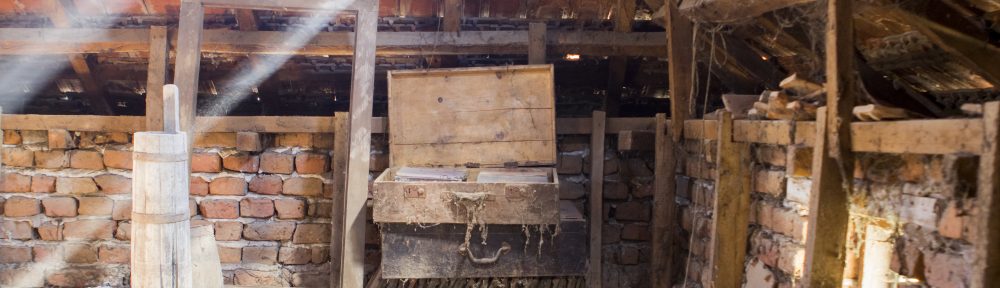
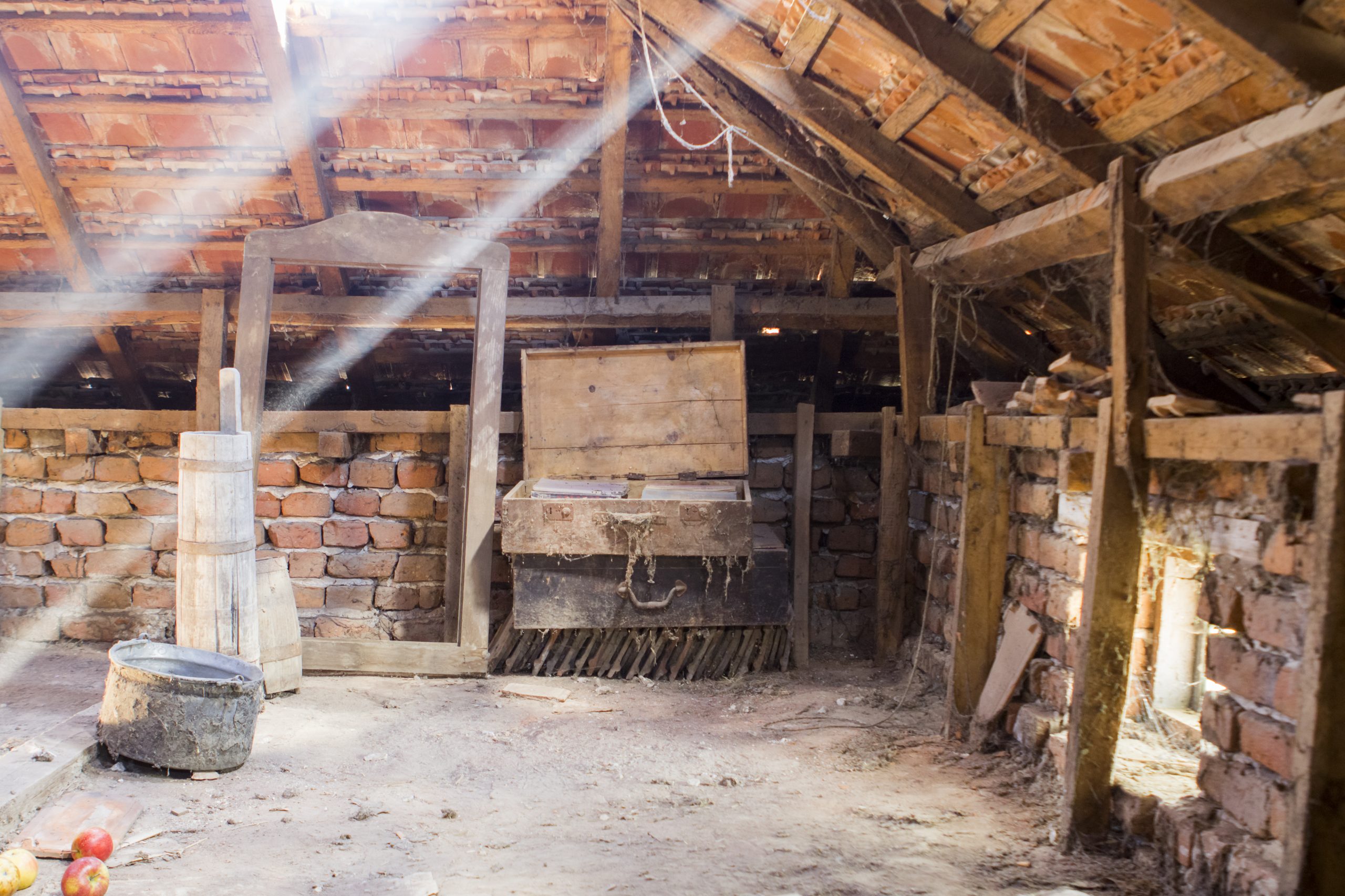
Asbestos was used widely in UK buildings before the year 2000, which means it can still be found in many homes, offices, schools and industrial sites. One of the biggest risks is that asbestos often hides in plain sight. It was added to everyday construction materials for strength, insulation and fire resistance, so most people do not realise it is there. Knowing the common hiding places helps property owners understand why asbestos inspection and testing are so important. One of the most frequent locations is insulation. Asbestos was used around pipes, boilers and heating systems because of its heat resistant properties. In older buildings, this insulation may now be damaged or flaky, which increases the chance of fibres becoming airborne. Surveyors check these areas carefully because they pose a higher health risk if disturbed.
Roofing materials are another common source. Asbestos cement sheets, corrugated roof panels and soffits were used heavily in garages, warehouses and outbuildings. These materials can become brittle with age, and even minor damage can release fibres. Surveyors often find asbestos in these locations during roof inspections, especially on older commercial sites. Inside the property, asbestos may be present in textured ceiling coatings, vinyl floor tiles, partition walls, fire doors or insulation boards. These materials may appear completely normal, which is why visual checks alone are not reliable. Professional testing is the only way to confirm whether they contain asbestos.
Electrical systems can also conceal asbestos. Some fuse boards, switchgear and old wiring insulation used asbestos for heat protection. While this may not be obvious externally, trained surveyors know where to look and how to assess the level of risk safely. In larger commercial properties, asbestos may be found in plant rooms, service ducts and lift shafts. These areas often contain older equipment and insulation that has not been updated for many years.
Because asbestos can exist in so many different forms and locations, guessing is never safe. A thorough survey identifies all potential asbestos containing materials so that the right steps can be taken to protect occupants, workers and visitors.
Health Risks Linked to Asbestos Exposure and Why Testing Matters
Asbestos becomes dangerous when its fibres are released into the air and breathed into the lungs. These fibres are tiny and sharp, and once they settle in the body, they can cause long term health problems. The danger grows when asbestos containing materials are damaged, drilled into, sanded, or disturbed during renovations. This is why asbestos inspection and testing are vital for any property where asbestos may be present. One of the most serious illnesses linked to asbestos exposure is mesothelioma. This is a rare cancer that affects the lining of the lungs or abdomen and is almost always caused by asbestos. It can take decades to develop, which means many people do not realise they were exposed until much later in life. Early detection of asbestos in a building is one of the best ways to prevent this risk.
Asbestosis is another condition associated with long term exposure. It causes scarring of the lung tissue, leading to breathlessness, coughing and in severe cases, heart failure. Even low level exposure over time can contribute to breathing problems, especially in older individuals or people with existing health conditions.
Lung cancer is also linked to asbestos. People who smoke and are exposed to asbestos face an even greater risk. This makes accurate asbestos inspection and testing especially important in buildings where workers or tenants might be exposed regularly. Shorter term symptoms such as chest tightness or persistent cough can also appear after exposure to damaged asbestos materials. While not always severe at first, these symptoms may develop into more serious issues if the source of exposure is not dealt with quickly.
The most important point for property owners and buyers is that asbestos does not pose a risk unless it is disturbed. This means professional inspection is the only reliable way to know whether materials contain asbestos and whether they pose a danger. Proper testing allows experts to identify the type, location and condition of asbestos so that safe management or removal plans can be put in place.
Without testing, people may unknowingly disturb asbestos during simple repairs, DIY work or routine maintenance. This is why taking action early protects both health and safety.
Protect Your Health and Property with Proper Asbestos Inspection and Testing
Asbestos inspection and testing give you clear answers about the safety of your property. Because asbestos is hidden in so many common building materials, it is almost impossible to identify without proper testing. The only way to know whether your home or workplace is safe is to have a qualified professional assess it. This protects you from the serious health problems linked to asbestos exposure, as well as the financial risks of unexpected removal costs later on.
For property buyers, inspections prevent you from taking on a building with dangerous hidden materials. For owners, regular checks help you stay compliant with UK asbestos laws and ensure the property remains safe for occupants. For businesses, proper asbestos management is essential to protect staff and avoid legal issues. Testing removes guesswork and gives you a clear plan for managing or removing asbestos safely.
We always encourage people to act early rather than wait for a problem to appear. Many asbestos related risks only become obvious once damaged materials release fibres into the air, and by then the danger is far greater. A simple inspection now can save you from stress, expense and health worries in the future.
If you want peace of mind, our team at HICH is ready to help. We carry out thorough asbestos inspection and testing across the UK, following strict safety guidance and producing clear reports you can rely on.
Call 0345 257 0858 to book your asbestos inspection today.