
The Ultimate Guide to an RICS Level 3 Building Survey: Why Deep Insight Matters
When you are on the verge of purchasing a property, the excitement can often overshadow the practical necessity of a thorough inspection. For many buyers in the United Kingdom, particularly those looking at older or non-standard homes, a basic assessment is simply not enough. This is where an RICS Level 3 Building Survey becomes an indispensable tool in your property-buying arsenal. It represents the most comprehensive type of report available, providing a deep dive into the structural health of a building. Unlike more superficial checks, this level of service is designed to uncover the hidden defects that could otherwise lead to financial disaster. Choosing to invest in a detailed report ensures that you are fully aware of what lies beneath the surface before you commit to a legal contract.
Understanding the Scope of an RICS Level 3 Building Survey
An RICS Level 3 Building Survey is a meticulous examination of a property’s condition and structure. It was formerly known as a Full Structural Survey, and its purpose remains the same: to give the buyer a complete picture of the building. During the inspection, a qualified surveyor will examine every accessible part of the property, including lofts, cellars, and behind permanent fixtures where possible. They look for signs of serious issues such as subsidence, significant damp, or timber decay. The resulting report is far more detailed than a Level 2 survey, offering not just a list of defects but also an analysis of their potential causes. This information is vital for anyone planning major renovations or purchasing a building that is over fifty years old.
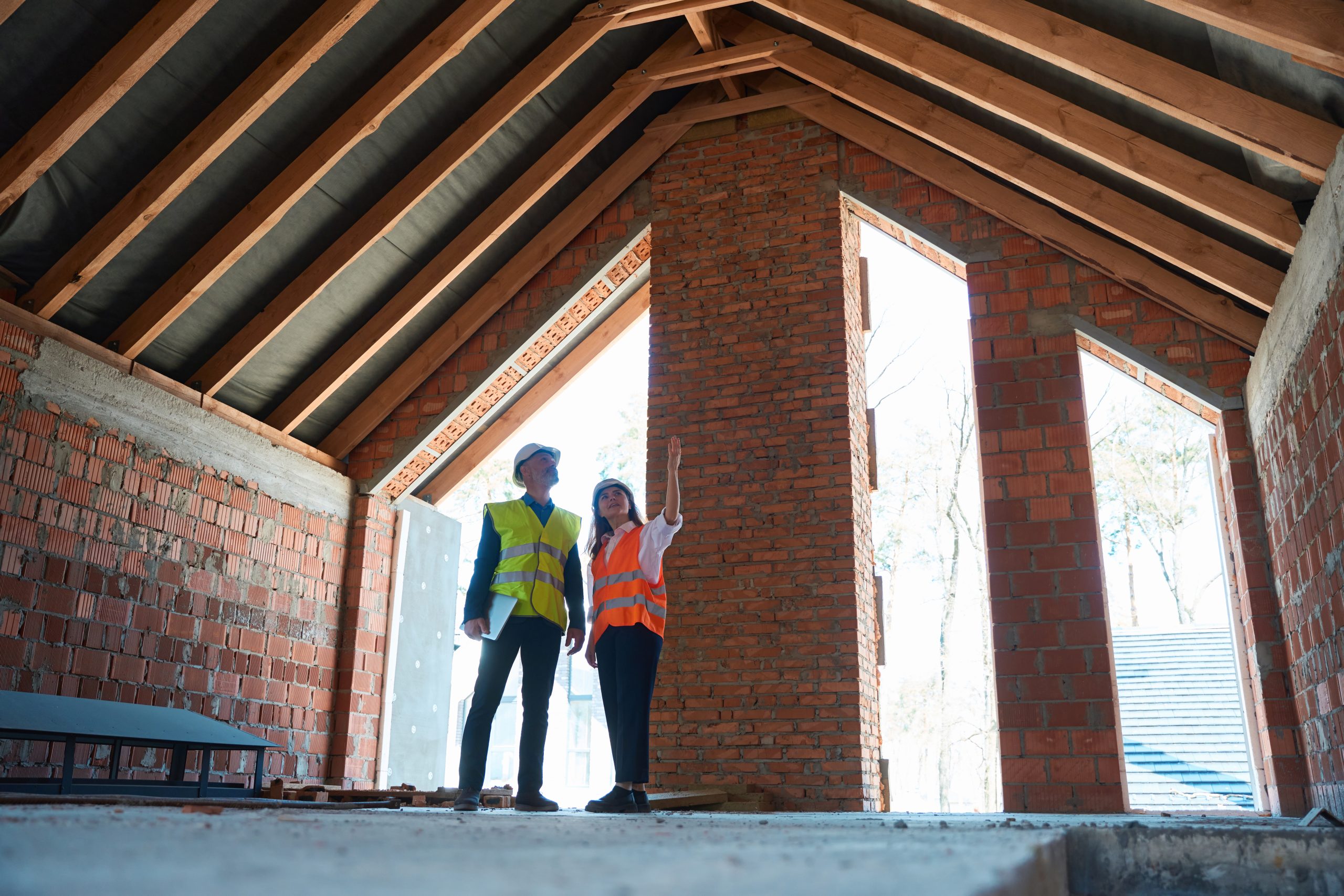
The depth of this inspection is what sets it apart from other property reports. For instance, the surveyor will lift floorboards where they are not fixed and enter roof voids to check the integrity of the timber. They will also inspect the grounds and outbuildings to ensure that the entire estate is in a safe and stable condition. Because the report includes advice on repairs and maintenance, it serves as a long term roadmap for the property owner. You are not just buying a snapshot of the current state; you are gaining an understanding of how the building will perform in the years to come. This level of detail is why so many specialist lenders and legal advisors recommend a full structural assessment for complex purchases.
Why Older and Non-Standard Properties Demand Extra Attention
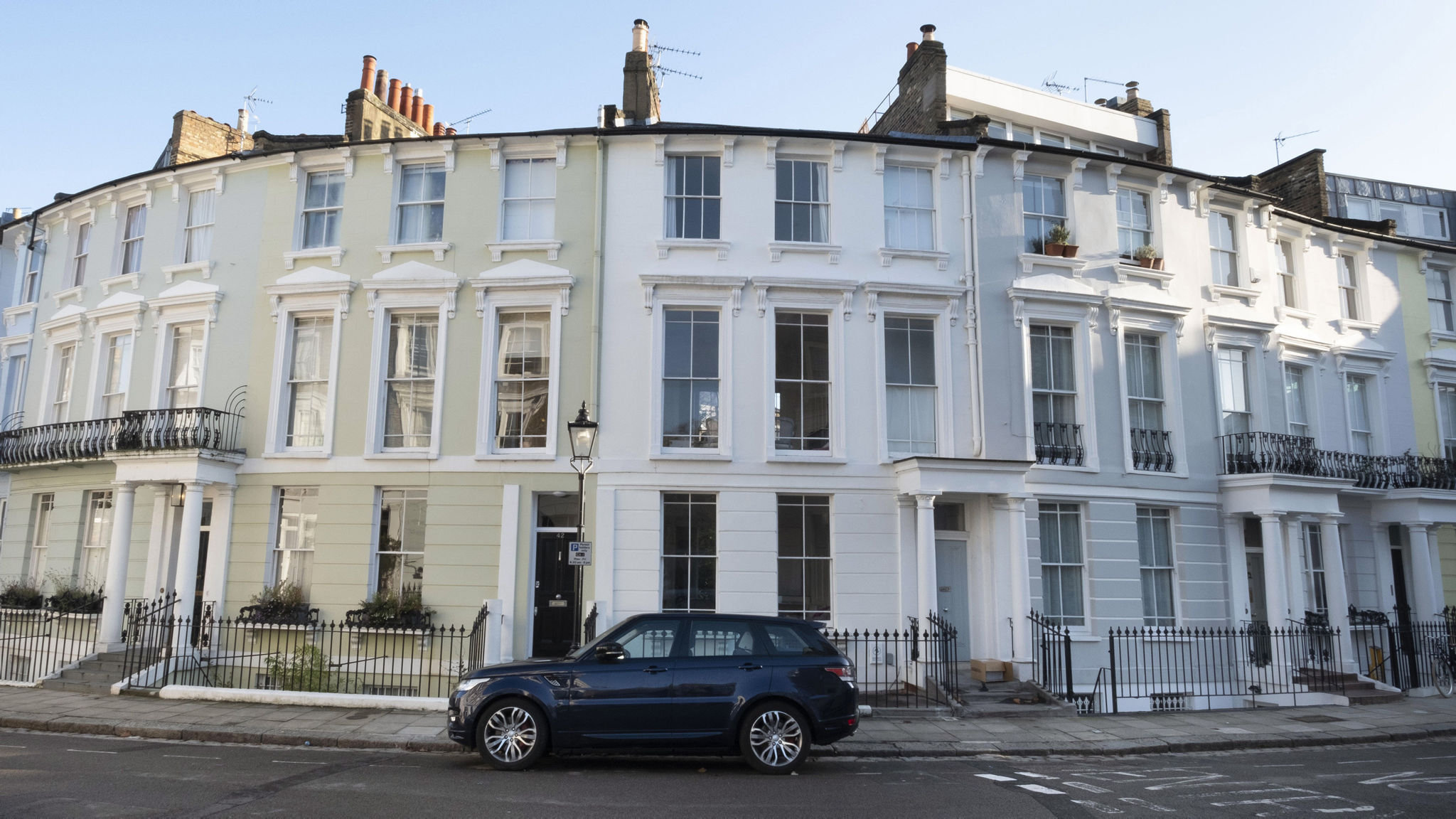
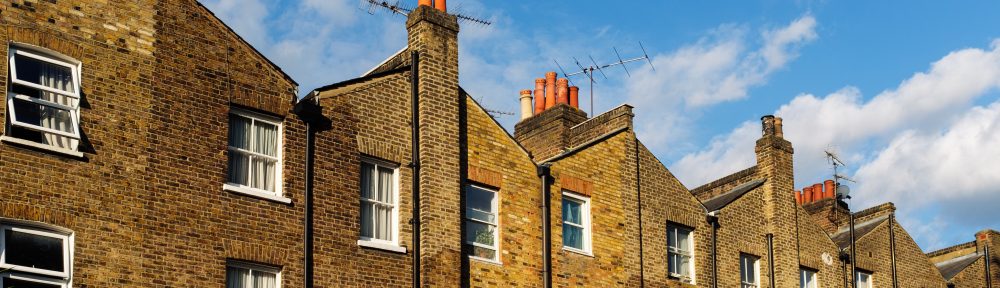
If you are eyeing a Victorian terrace or a cottage with a thatched roof, the risks are naturally higher than with a modern new build. Traditional construction methods often interact with the environment in ways that modern materials do not. An RICS Level 3 Building Survey is specifically tailored to these types of properties. Older buildings frequently suffer from “breathability” issues where modern interventions, such as plastic-based paints or cement renders, have trapped moisture within the walls. Without a high-level survey, these problems might remain hidden until they cause significant structural damage. A specialist surveyor understands these nuances and can identify whether a patch of damp is a simple fix or a sign of a failing damp-proof course.
Properties built with non-standard materials, such as timber frames or prefabricated concrete, also require the expertise provided by a comprehensive report. These buildings often have unique failure points that a standard homebuyer’s report might overlook. For example, some mid-century concrete homes are prone to carbonation, which can weaken the steel reinforcement inside the walls. An RICS Level 3 Building Survey will highlight these risks and provide you with a professional opinion on the long term viability of the structure. By identifying these issues early, you can avoid the heartbreak of discovering that your new home is unmortgageable or requires six figures in repairs. This proactive approach is the hallmark of a savvy property investor.
Leveraging Technology for Enhanced Property Inspections
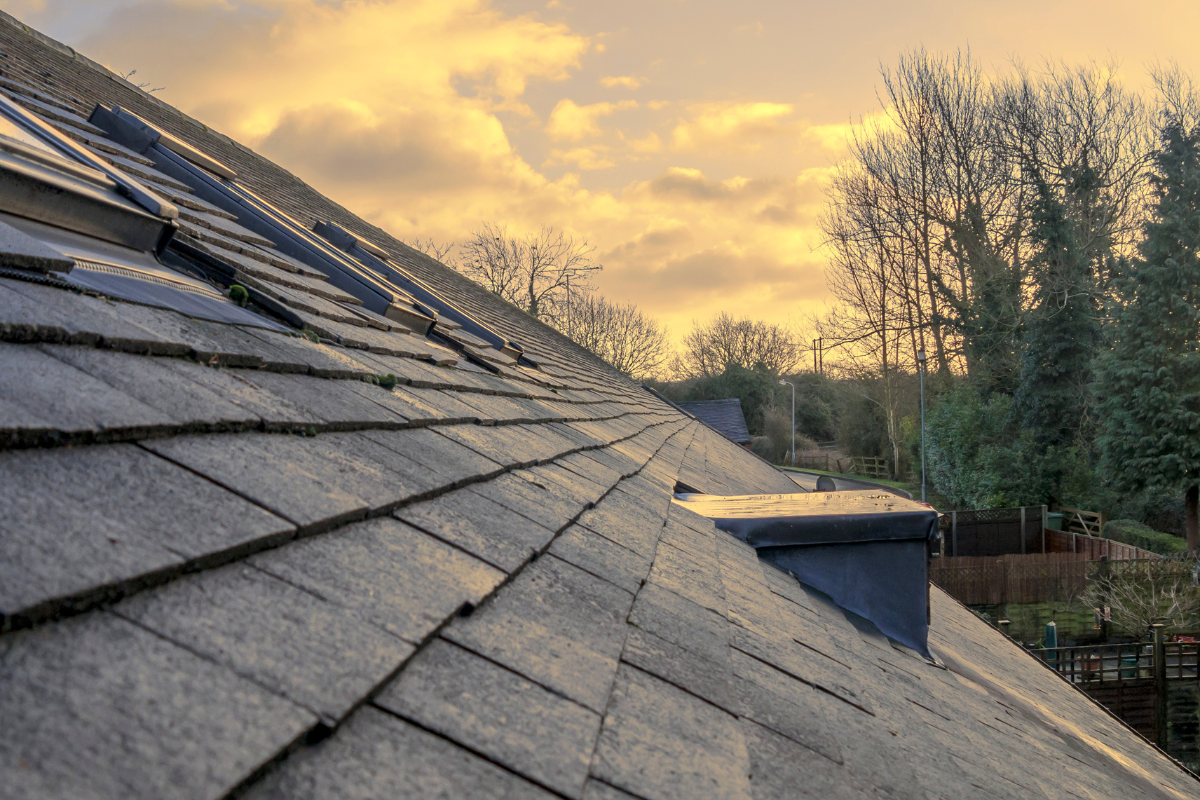
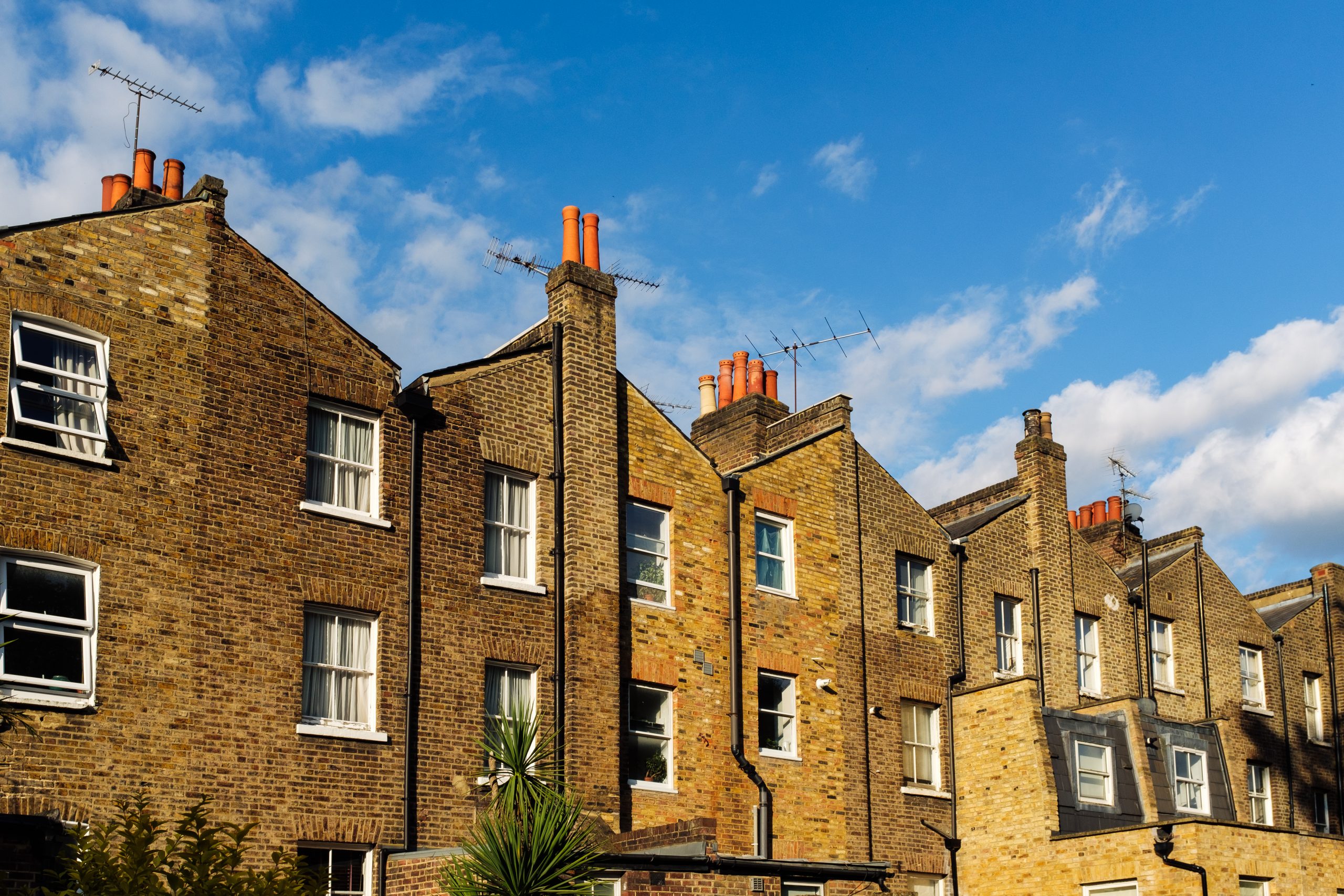
In 2026, the standard for a top-tier inspection has evolved beyond just a clipboard and a ladder. At HICH, we believe that an RICS Level 3 Building Survey should be bolstered by the latest technology to provide the most accurate data possible. We frequently utilise drone technology to inspect roof coverings and chimney stacks that are otherwise inaccessible. This allows us to spot loose tiles or failing leadwork that could lead to water ingress. Thermal imaging is another powerful tool in our kit, enabling us to see heat loss patterns and hidden moisture behind plastered walls. These technical additions transform a traditional survey into a high-tech diagnostic report that leaves no stone unturned.
Integrating these modern tools ensures that the “peace of mind” we promise is backed by hard evidence. When a surveyor can show you a high-resolution image of a cracked chimney pot or a thermal map of a leaking pipe, the report becomes much easier to understand. This clarity is essential when you are trying to decide whether to proceed with a purchase or negotiate the asking price. An RICS Level 3 Building Survey that includes these technological insights provides a level of protection that was simply not possible a decade ago. It bridges the gap between old-fashioned expertise and modern precision, ensuring your investment is safe from every angle.
The Financial Benefits of a Comprehensive Survey Report
While the upfront cost of a detailed inspection may seem higher than a basic valuation, the potential savings are enormous. An RICS Level 3 Building Survey often pays for itself many times over during the negotiation phase of a house sale. If the report identifies five thousand pounds worth of urgent roof repairs, you can use this evidence to ask the seller for a price reduction. Most sellers are reasonable when presented with a professional RICS report, as they know the issues will likely be flagged by any other serious buyer. This gives you a strong hand in negotiations and can prevent you from overpaying for a property that has significant hidden liabilities.
Beyond the initial purchase, the report acts as a preventative maintenance guide. By following the advice in your RICS Level 3 Building Survey, you can tackle minor issues before they escalate into major emergencies. For instance, clearing a blocked gutter or repointing a small area of masonry can prevent damp from entering the structure and causing rot. In the current economic climate, where material and labour costs remain high, prevention is always more affordable than a cure. A well-maintained property also holds its value much better, ensuring that when the time comes to sell, you can provide your own evidence of care and structural integrity to prospective buyers.
Frequently Asked Questions About RICS Level 3 Building Surveys
To help you decide if this is the right choice for your property, we have compiled a list of common questions. Choosing the correct level of inspection is a vital step in the buying process, and we want to ensure you have all the facts.
What is the difference between a Level 2 and a Level 3 survey?
The main difference lies in the depth of the inspection and the detail of the final report. A Level 2 survey is a surface-level check suitable for modern homes in good condition. An RICS Level 3 Building Survey is a comprehensive, in-depth analysis of the structure, including advice on repairs and maintenance.
How long does it take to receive the final report?
The physical inspection usually takes between four and eight hours, depending on the size and complexity of the property. Following the visit, the surveyor will compile the data and images into a detailed document. You can typically expect to receive your full report within 48 hours subject to availability during surge periods.
Can I use the survey report to negotiate the house price?
Yes, this is one of the most common uses for a detailed report. If an RICS Level 3 Building Survey uncovers defects that were not disclosed or visible during your initial viewing, you are perfectly entitled to use the findings to renegotiate. Having a professional document makes your request much harder for a seller to ignore.
Does a Level 3 survey include a valuation of the property?
By default, this type of survey focuses on the condition and structure rather than the market value. However, many surveyors can provide a valuation as an additional service if requested. It is important to check this with your provider before booking to ensure you get exactly what you need.
Is an RICS Level 3 Building Survey worth the extra cost?
If the property is old, large, or built with unusual materials, the answer is almost always yes. The cost of a survey is a tiny fraction of the potential repair bills for hidden structural issues. Investing in the highest level of inspection is the best way to protect your financial future.