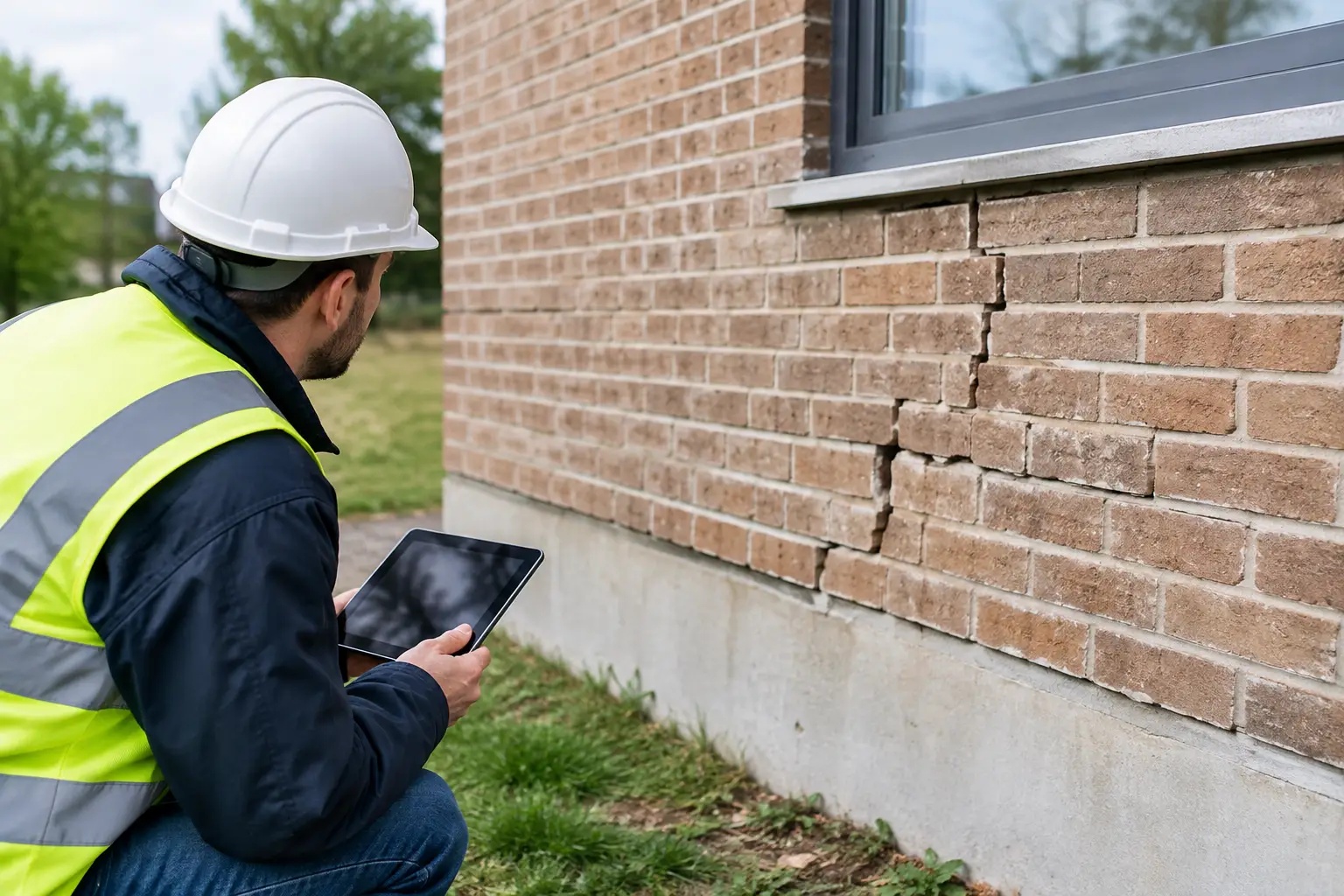


Non-Intrusive Structural Condition Report: Professional Insights Without Property Damage
When you are in the process of purchasing a property, the last thing you want to do is cause damage to a building that you do not yet own. Many traditional structural investigations require invasive methods, such as drilling holes into walls or lifting floorboards, which can be a significant point of contention for sellers. This is why a Non-Intrusive Structural Condition Report has become the preferred choice for savvy buyers in the 2026 UK property market. By utilising advanced diagnostic technology and high-level engineering expertise, HICH can provide a comprehensive assessment of a building’s health without disturbing a single brick or piece of décor. This approach offers the perfect balance of technical depth and property preservation, ensuring you have all the facts before you commit to a purchase.
The Methodology of Non-Destructive Structural Testing
A Non-Intrusive Structural Condition Report relies on a suite of sophisticated tools that allow a surveyor to “see” into the fabric of a building. At HICH, our qualified building engineers use ultrasonic equipment, moisture mapping, and high-frequency thermography to evaluate the integrity of a structure. For instance, we can determine the thickness of a steel beam or the density of a concrete slab without needing to take physical samples. This data is essential for identifying hidden flaws such as internal cracking or the early stages of material fatigue. By measuring how energy waves or heat move through the walls, we can create a detailed profile of the building’s skeletal health.
This methodology is particularly effective for identifying issues within the “unseen” areas of a property, such as wall cavities and sub-floor voids. During a Non-Intrusive Structural Condition Report, we check for signs of historic movement and assess whether any previous alterations have compromised the load-bearing capacity of the original structure. Because we do not need to perform any “opening up” works, the process is incredibly efficient and can be completed during a standard site visit. The resulting report provides a transparent and objective view of the property, backed by scientific data rather than just visual guesswork. This ensures that your investment is safe and that any future maintenance can be planned with precision.

Detecting Hidden Moisture and Timber Decay
Damp is one of the most common reasons for a property sale to stall or fail in the United Kingdom. A Non-Intrusive Structural Condition Report is exceptionally powerful at identifying moisture issues that are hidden behind plastered walls or under decorative finishes. Using electromagnetic moisture meters and infrared scanning, our surveyors can map the exact extent of dampness without peeling back wallpaper or removing skirting boards. This allows us to distinguish between simple condensation and more serious structural issues like a failed damp-proof course or a hidden plumbing leak. Identifying these problems early is the only way to prevent the onset of timber rot and structural instability.
In period properties or homes with timber frames, the health of the wood is paramount to the safety of the entire building. Our Non-Intrusive Structural Condition Report includes a detailed assessment of accessible timbers to check for signs of fungal attack or wood-boring insects. We look for the thermal signatures of wet rot and use non-destructive tapping and probing techniques to assess the density of floor joists and roof rafters. By catching these issues in their infancy, we save you from the astronomical costs of structural timber replacement later down the line. It provides the peace of mind that your new home is structurally sound from the foundations all the way to the ridge tiles.
The Importance of Checking Alterations and Extensions
Many homes in the UK have been modified over the years, with walls removed and extensions added to create modern living spaces. A Non-Intrusive Structural Condition Report pays close attention to these changes to ensure they have been carried out safely and in accordance with building regulations. We look for tell-tale signs of “lintel failure” or inadequate support where internal partitions have been removed. Our surveyors also check how newer additions have been tied into the original masonry, as poor connections can lead to differential movement and significant cracking over time.
Because these checks are non-intrusive, we can provide an expert opinion on the quality of recent renovations without needing to dismantle any of the work. If we find that a steel beam appears to be undersized or that a chimney breast has been removed without proper support, we will flag this as a significant risk. A Non-Intrusive Structural Condition Report gives you the evidence needed to ask for building control certificates or to request that the seller carries out remedial work before the sale proceeds. It is a vital layer of protection that ensures you are not inheriting someone else’s DIY mistakes or a structurally compromised property.
Financial Advantages and Negotiation Power for Buyers
One of the greatest benefits of a technical report is the leverage it provides during price negotiations. An Non-Intrusive Structural Condition Report provides a professional, third-party validation of a building’s state of repair. If the report identifies structural anomalies that were not obvious during your initial viewing, you can use this information to renegotiate your offer. Sellers are far more likely to agree to a price reduction when presented with a technical report that uses scientific data and photographic evidence to justify the request. It moves the conversation away from opinion and focuses it on the physical reality of the building.
Furthermore, a professional report can help you secure more favourable mortgage terms or insurance premiums. Lenders and insurers are increasingly cautious about properties that
show signs of structural distress, and a Non-Intrusive Structural Condition Report from a reputable firm like HICH can provide the reassurance they need to offer cover. By demonstrating that the property has been thoroughly checked by a qualified building engineer, you reduce the perceived risk for all parties involved in the transaction. This can speed up the conveyancing process and help you avoid the common pitfalls that cause property chains to collapse in the final stages.

Frequently Asked Questions About Non-Intrusive Structural Reports
To help you understand how this service fits into your property purchase, we have answered the most common questions regarding our non-destructive methods.
Does a non-intrusive survey provide enough detail for a house purchase?
Yes, in the vast majority of cases, a Non-Intrusive Structural Condition Report provides more than enough information to make an informed decision. The advanced technology we use allows us to see through the surface of materials to identify defects that would be missed by a standard visual survey. If a specific area requires a deeper, invasive look, we will clearly state this in our recommendations.
How does this differ from a standard RICS Level 3 survey?
While both reports provide a high level of detail, a Non-Intrusive Structural Condition Report focuses more specifically on the technical and engineering aspects of the structure. It is designed for buildings where there are known concerns or where the construction is non-standard. HICH combines the best of both worlds by providing comprehensive structural data within an easy-to- understand professional format.
Is the survey suitable for listed or heritage buildings?
Absolutely. Because the process is entirely non-destructive, it is the ideal choice for properties with historic value or protected interiors. We can assess the condition of ancient timber frames or thick stone masonry without causing any permanent marks or damage to the heritage fabric of the building.
Can you detect subsidence without digging holes in the garden?
We can identify the symptoms of active movement, such as specific crack patterns and internal levelling issues, during a Non-Intrusive Structural Condition Report. While a full subsidence investigation might eventually require a trial pit, our non-intrusive check is the first step in determining if such a move is necessary. Most movement is historic and can be identified as such without any digging.
What happens if the report finds a serious structural problem?
If a significant issue is uncovered, your HICH report will include a detailed analysis of the defect and a recommendation for the next steps. This might include obtaining a quote for repairs or
asking the seller to provide further documentation. Having a Non-Intrusive Structural Condition Report ensures that you are in the strongest possible position to deal with the problem before you are legally bound to the property.