

Full Structural Survey for Victorian Properties: Protecting Your Heritage Investment
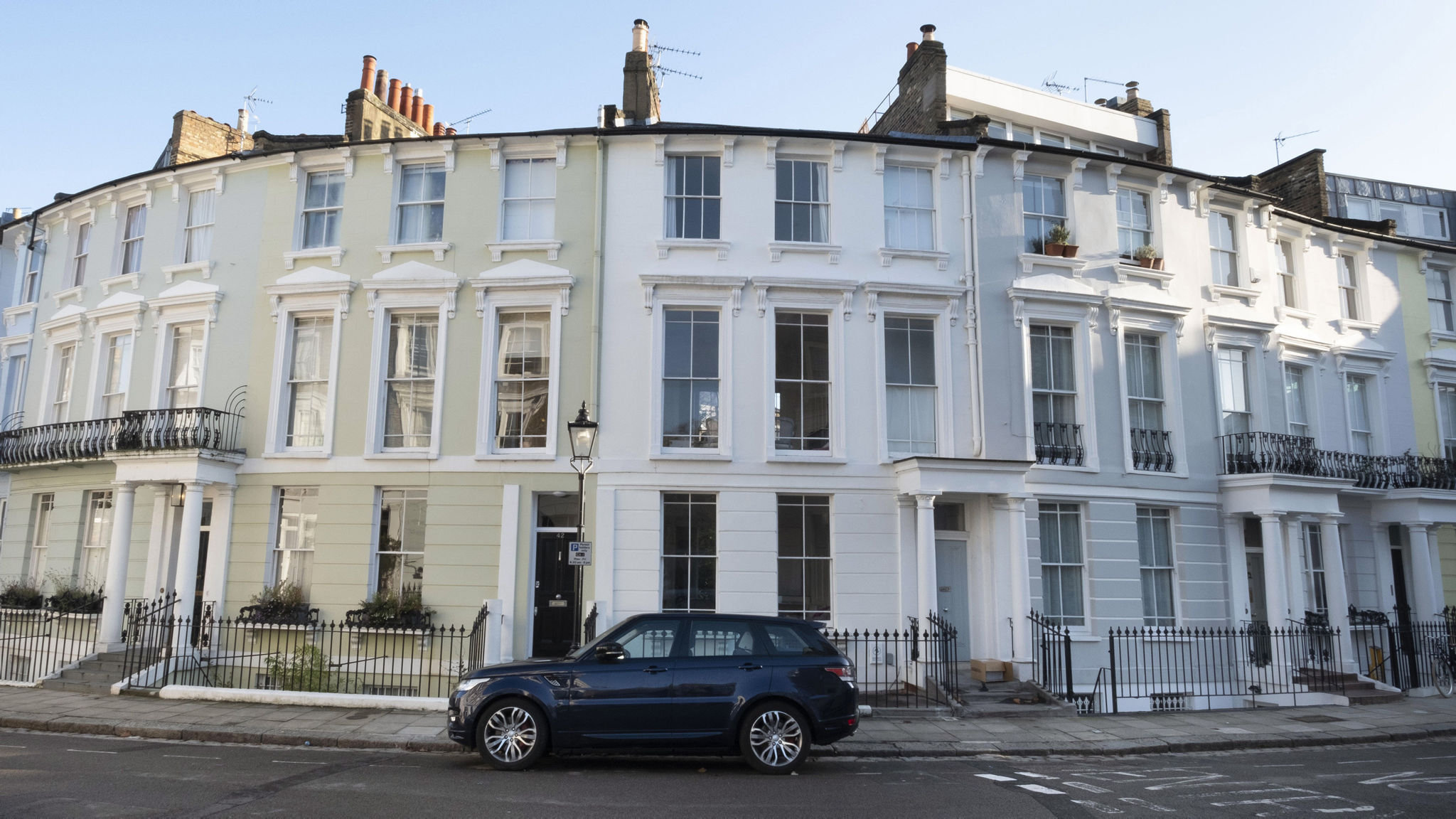
The timeless appeal of a Victorian terrace or a detached period villa is undeniable for many UK homebuyers. These properties offer a unique blend of historical character, high ceilings, and generous proportions that modern builds often struggle to replicate. However, purchasing a home that was built during the nineteenth century carries a specific set of risks that require professional scrutiny. This is where a Full Structural Survey for Victorian Properties becomes a vital part of the home-buying process. Unlike a basic valuation or a mid-level report, this comprehensive inspection is designed to address the quirks and potential failings of traditional construction. By investing in this high-level assessment, you ensure that your dream of owning a piece of British history does not turn into a financial burden.
The Essential Scope of a Level 3 Structural Inspection
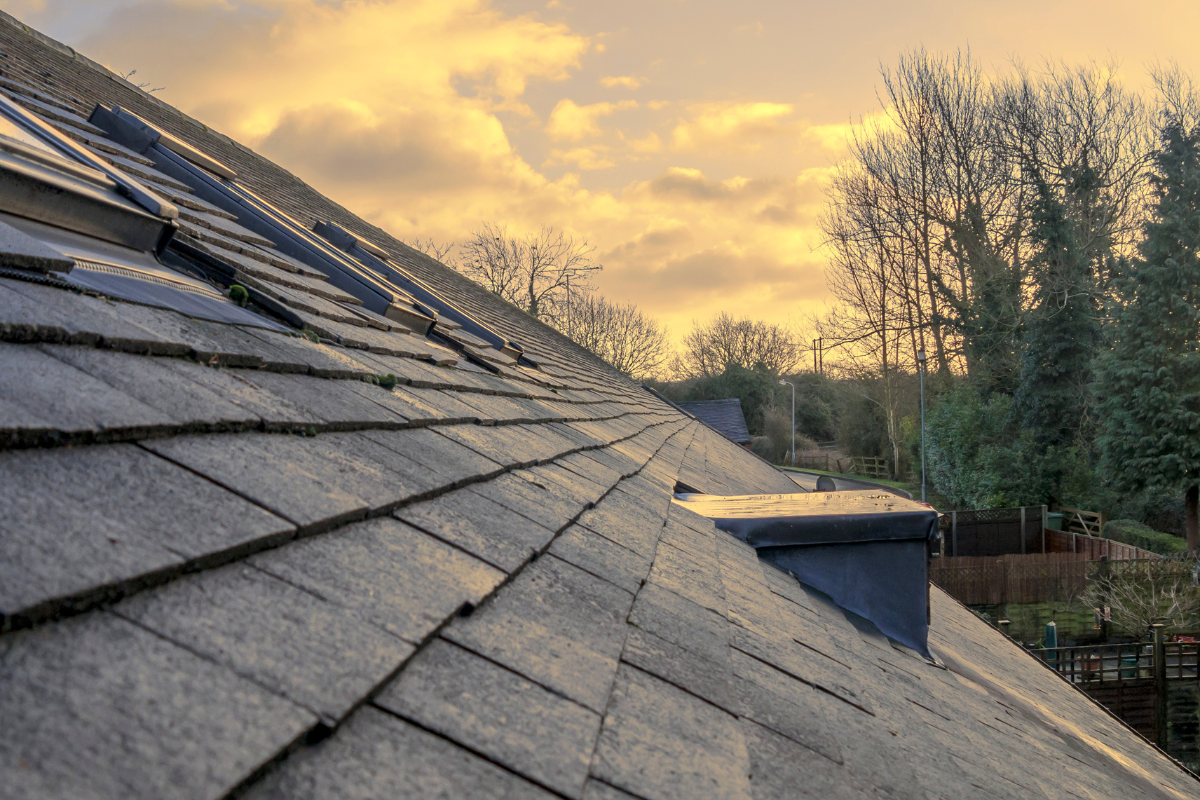
When you commission a Full Structural Survey for Victorian Properties, you are requesting the most detailed level of inspection currently available in the RICS framework. This report is specifically tailored for buildings that are over fifty years old or those that have undergone significant alterations. The surveyor will spend a considerable amount of time investigating the fabric of the building, looking for evidence of movement, timber decay, and moisture ingress. They will also assess the condition of the roof structure, the integrity of the masonry, and the state of the below-ground drainage where accessible. This depth of analysis is crucial because Victorian homes were often built without the modern damp-proof membranes and cavity walls that we rely on today.
A specialist surveyor understands that a Victorian house needs to “breathe” to remain healthy. During the inspection, they will check whether original lime mortars have been replaced with hard cement, which can trap moisture and cause the brickwork to flake or “spall.” They will also look for evidence of sub-floor ventilation, as blocked airbricks are a primary cause of joist rot in older homes. The final report will not only list these defects but will also provide a technical explanation of why they have occurred and what the consequences of inaction might be. This level of foresight is what makes a Full Structural Survey for Victorian Properties so valuable for long term planning. It allows you to prioritise your maintenance budget and tackle the most urgent structural issues before they escalate.

Identifying Hidden Risks in Period Masonry and Foundations
One of the most common issues uncovered during a survey of a nineteenth-century home is structural movement or subsidence. Many Victorian properties were built on relatively shallow foundations that can be affected by changes in the local water table or the presence of nearby trees. A Full Structural Survey for Victorian Properties will carefully examine the pattern of any cracks found in the external elevations. The surveyor can distinguish between historic “settlement,” which is common and often harmless, and active “subsidence,” which may require expensive underpinning. Identifying this early can save you from a purchase that would be difficult to insure or sell in the future. Beyond the foundations, the solid wall construction used in this era is particularly susceptible to penetrating damp.
If the external pointing has weathered away or if the roof gutters are leaking, water can easily soak through the brickwork and damage internal plaster. A specialist survey will use moisture meters to map the extent of any dampness and determine if it is “rising” from the ground or “penetrating” from above. Because Victorian homes often
feature intricate architectural details like bay windows and parapet walls, there are many potential points of failure. A Full Structural Survey for Victorian Properties ensures that every one of these elements is checked for signs of distress. This proactive approach gives you a clear understanding of the building’s skeletal health before you sign a contract.
Timber Health and the Danger of Undetected Rot
The structural integrity of a Victorian home relies heavily on its timber frame, including the floor joists, roof rafters, and lintels over windows. In the damp climate of the UK, these wooden elements are at constant risk from fungal attacks such as wet or dry rot. A Full Structural Survey for Victorian Properties includes a thorough check of the loft space and the sub-floor areas to ensure the wood remains dry and sound. Dry rot is particularly feared because it can spread through masonry to find new timber sources, causing catastrophic damage in a short period. A professional surveyor knows the tell-tale signs of an infestation, such as a mushroom-like smell or “cuboidal” cracking in the wood. Woodworm is another common finding in older UK properties that can weaken structural beams over several decades.
While some infestations are historic and inactive, others may require immediate chemical treatment to prevent further damage. The survey will also check for “bouncy” floors, which often indicate that joists have been cut into by previous tradespeople or have suffered from long term overloading. By choosing a Full Structural Survey for Victorian Properties, you receive an expert opinion on the condition of these vital components. If the surveyor suspects a serious issue, they may recommend a more intrusive timber and damp report to give you absolute certainty. This ensures that you are not left with a hidden bill for thousands of pounds worth of structural timber replacement after you move in.
Navigating Modern Upgrades and Previous Renovations
Over the last 130 years, most Victorian houses have been extended, modernised, or rearranged by various owners. While these changes can add value, they can also introduce structural imbalances if they were not carried out correctly. A Full Structural Survey for Victorian Properties will pay close attention to any removed internal walls or chimney breasts. In many cases, these were load-bearing structures, and if they were replaced with inadequate steel beams, the floors above may begin to sag or crack. The surveyor will look for signs of “bodge” DIY work and check if modern extensions have been properly tied into the original Victorian masonry.
The integration of modern services into an old building also presents unique challenges. Many Victorian properties still have outdated electrical systems or lead plumbing that does not meet current safety standards. While a surveyor is not a qualified electrician or gas engineer, they will conduct a visual check of the visible installations and flag any obvious hazards. They will also assess how new insulation or double glazing might be affecting the ventilation of the property. An RICS Level 3 survey provides a holistic view of how the old and new parts of the building are interacting. It ensures that recent improvements have not inadvertently created new problems like interstitial condensation. This comprehensive review is essential for anyone who wants a home that is both historic and fit for modern living.

Frequently Asked Questions About Victorian Property Surveys
Deciding on the right survey can be complex, so we have answered some of the most frequent queries from buyers of period homes.
Is a Level 2 survey enough for a Victorian house in good condition?
We generally advise against this. Even if a property looks well-maintained, the age of the materials means that hidden issues are far more likely. A Full Structural Survey for Victorian Properties provides the level of detail necessary to find defects that a surface-level Level 2 report might overlook.
How much does a Level 3 survey cost for a period home?
The price varies depending on the size and location of the property, but it is typically a small fraction of the purchase price. Given that a single structural issue can cost tens of thousands of pounds to fix, the survey is widely regarded as a very high-value investment.
Will the surveyor check for Japanese Knotweed?
Yes, as part of a Full Structural Survey for Victorian Properties, the surveyor will inspect the garden and the immediate surroundings. They look for invasive species like Japanese Knotweed which can be particularly problematic for older foundations and drainage systems.
Does the report include an estimate for repair costs?
Many surveyors will provide approximate costs for significant repairs if requested. This information is incredibly useful for renegotiating the purchase price or for budgeting your renovation work once you have taken ownership of the property.
What if the survey reveals significant structural problems?
Finding a problem is not necessarily a reason to walk away. The findings of a Full Structural Survey for Victorian Properties provide you with the evidence needed to renegotiate the sale price or ask the seller to carry out repairs before completion. It puts the power back into your hands as a buyer.