

Homebuyer Survey Report Terminology Explained
A survey report can turn a property viewing into a very different proposition. The attractive kitchen, fresh paintwork and tidy garden may sit alongside references to movement, defective rainwater goods or signs of damp. Understanding homebuyer survey report terminology helps you separate a manageable maintenance job from an issue that could affect your budget, mortgage plans or decision to proceed.
Survey reports are written to record evidence, explain risk and guide action. They are not intended to alarm buyers, but neither should technical wording be ignored. The right reading of a report is not simply, “Does the house have defects?” Nearly every property does. The more useful question is, “Which defects need action, how soon, and what further information is needed before exchange?”
What a homebuyer survey report is telling you
A Home Survey Level 2, often still called a homebuyer survey, gives a visual assessment of the property’s condition. It is particularly suited to conventional homes in reasonable condition, although suitability depends on the age, construction and known history of the building. Older, altered, non-standard or visibly defective properties may warrant a more detailed Level 3 building survey.
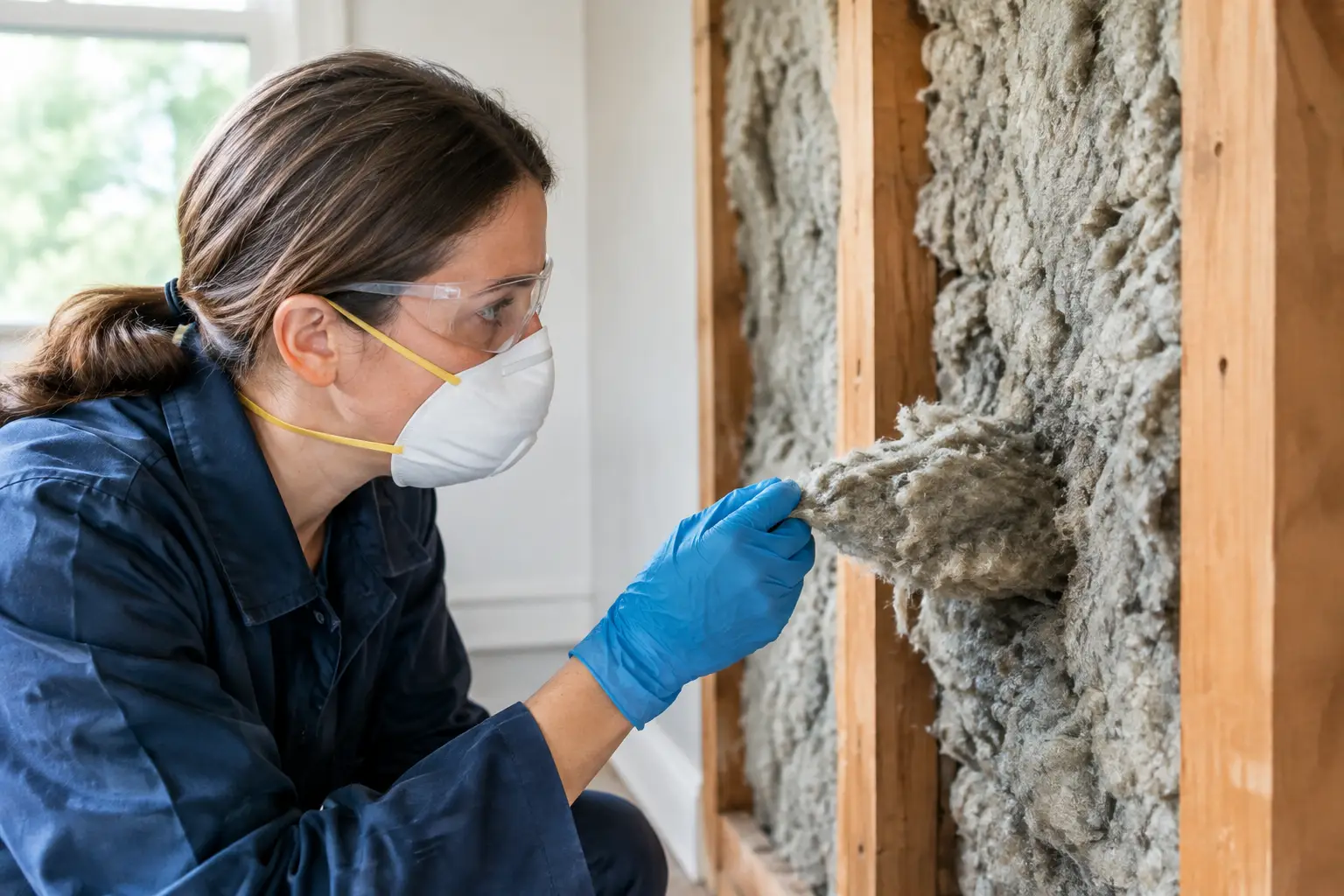
The surveyor generally inspects accessible parts of the property without opening up walls, lifting fitted floor coverings or moving heavy furniture. This limitation matters. A report identifies visible evidence and likely implications; it cannot guarantee that hidden parts are defect-free.
Terminology can vary between survey firms and report formats. However, the underlying purpose remains consistent: to identify defects, state their apparent seriousness, explain limitations and recommend proportionate next steps.
Condition ratings and their practical meaning
Many reports use condition ratings to make priorities easier to read. These ratings are useful, but they should always be considered alongside the surveyor’s written comments.
Condition rating 3
A condition rating of 3 usually indicates defects that are serious and/or need urgent repair, replacement or investigation. This does not automatically mean the property is unsafe or that a purchase must end. It does mean the issue should be understood before you are legally committed.
For example, widespread roof covering deterioration, active water ingress, significant cracking or unsafe electrical features may receive a rating of 3. The required action may range from a focused repair to specialist inspection, structural advice or a substantial programme of works.
The key distinction is between the visible defect and its cause. A cracked wall may be historic and stable, or it may indicate ongoing movement. A competent report will explain the evidence seen, the limits of the inspection and whether monitoring or further investigation is required.
Condition rating 2
A rating of 2 normally means the element has defects that need repair or maintenance, but are not considered urgent. These are common in residential purchases. Worn pointing, ageing sealant, isolated timber decay, poor ventilation and dated rainwater goods can all fall into this category.
A number of rating 2 findings can still have a meaningful financial impact. Buyers should not dismiss them merely because they are not urgent. Consider whether several moderate repairs are connected, whether delays could worsen damage, and whether the work is realistic within your first year of ownership.
Condition rating 1
A rating of 1 generally means no repair is currently needed. It does not mean the item is new, guaranteed or maintenance-free. A roof may be functioning satisfactorily despite being partway through its expected service life. A boiler may appear serviceable but still require routine servicing by a suitably qualified engineer.
Not inspected, not tested and further investigation
These phrases are among the most misunderstood in homebuyer survey report terminology. “Not inspected” may mean an area was inaccessible, concealed, unsafe to reach or outside the agreed scope. “Not tested” means the surveyor has not operated or certified a service, installation or appliance.
Neither phrase proves there is a defect. Equally, neither should be treated as reassurance. If a report recommends further investigation, arrange it before exchange where possible. This is especially relevant for electrics, gas appliances, drains, roofs, suspected asbestos, damp, structural movement and heating systems.
Defect terms buyers often encounter
Surveyors use precise terms because the pattern, position and condition of a defect can affect its likely cause. Plain-English explanations are helpful, but they should not strip away that useful detail.
Dampness, moisture and condensation
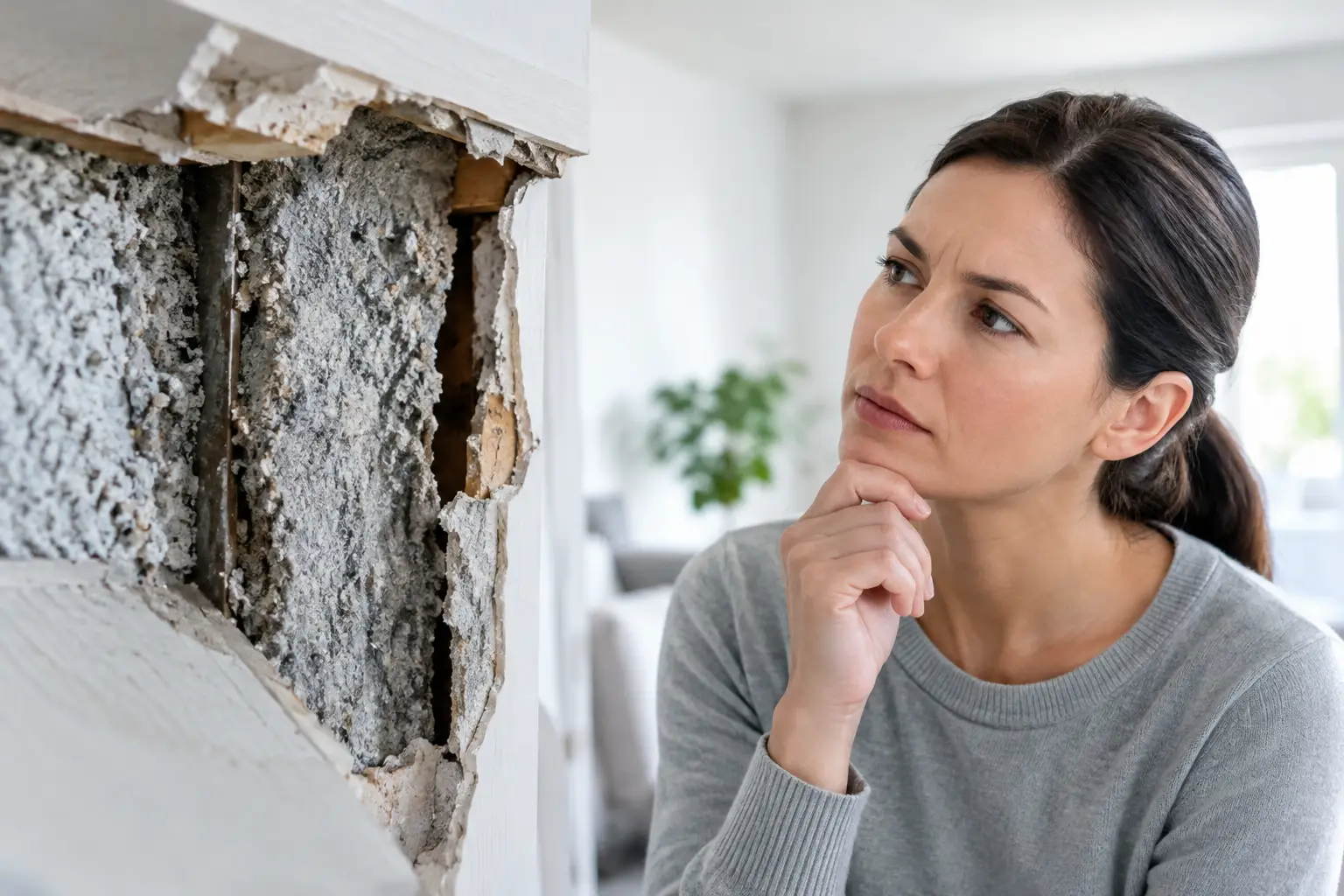
“Damp” is a broad description, not a diagnosis. Moisture can enter a building through defective roofs, gutters, brickwork, flashings, plumbing leaks or ground levels that bridge damp-proof protection. It can also result from condensation where warm moist air meets cold surfaces, particularly in poorly ventilated kitchens, bathrooms and bedrooms.
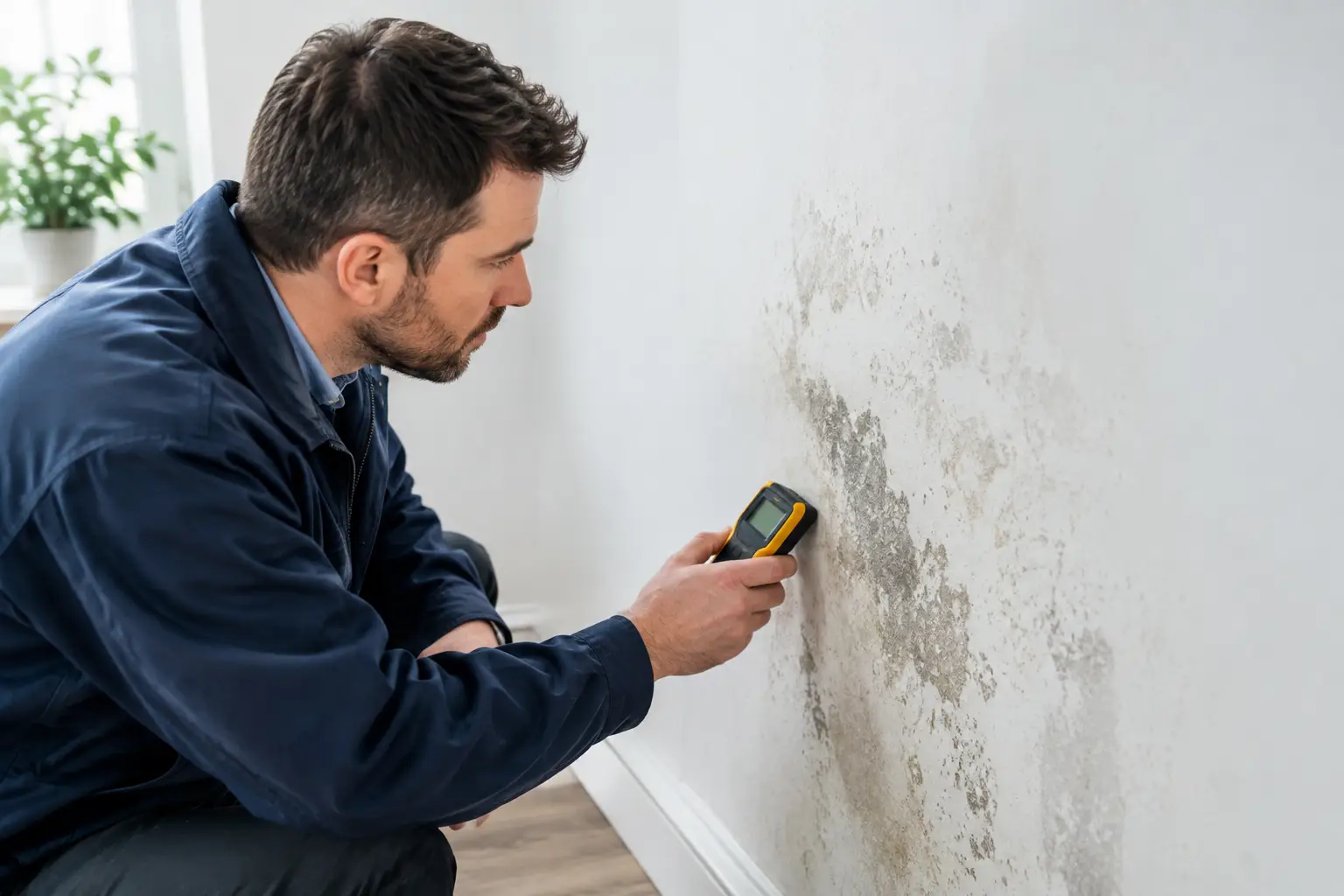
A report may refer to elevated moisture readings, staining, salt deposits, mould growth, decayed finishes or defective ventilation. These observations need to be interpreted in context. A moisture meter reading alone does not establish the source of moisture, particularly in older solid-walled buildings where salts and construction type can influence results.
The practical response is to deal with water entry first, then assess whether damaged plaster, timber or finishes require repair. Cosmetic redecoration before the cause is resolved is rarely money well spent.
Movement, cracking and subsidence
Cracks are common, particularly around openings and in older properties. The report may describe them as fine, stepped, diagonal, vertical, historic, active or requiring monitoring. These terms help indicate whether movement appears minor, longstanding or potentially progressive.
“Subsidence” has a specific meaning: downward movement of the ground supporting a building. It should not be assumed from every crack. Heave, settlement, thermal movement, lintel failure and poorly executed alterations can create different crack patterns and require different remedies.
Where a surveyor recommends a structural engineer’s opinion, this is normally to establish cause, extent and repair requirements. It is not a diagnosis in itself. Ask the seller about previous insurance claims, underpinning, monitoring records, tree management and any relevant guarantees, then provide that information to the specialist.
Roof defects and rainwater goods
Reports may refer to slipped tiles, perished underfelt, worn flashings, defective valleys, damaged soffits, blocked gutters or failed pointing to chimney stacks. Water often enters through relatively modest defects, but its effects can become expensive if hidden within a roof void or wall structure.
A surveyor may inspect roof coverings from ground level, nearby public areas, windows, roof voids or other safe vantage points. The limitations matter, particularly for high, steep or concealed roofs. A close-up roof survey can be justified where the report identifies concerns but cannot confirm the full condition safely.
Timber decay and wood-boring insect activity
“Timber decay” may describe fungal deterioration caused by persistent moisture. “Wood-boring insect activity” may refer to holes and frass associated with beetle infestation. Fresh-looking dust, recent emergence holes and weakened timber are more significant than evidence of historic activity alone.
Do not assume that every old flight hole needs chemical treatment. The timber’s condition, moisture source and evidence of current activity should determine the remedy. Often, controlling moisture and improving ventilation is a central part of the solution.
Services, compliance and safety language
Surveyors do not normally carry out full testing of electrical, gas, drainage, heating or plumbing installations during a homebuyer survey. A reference to an old consumer unit, unprotected pipework, lack of visible certification or an untested boiler should be treated as a prompt for appropriate checks, not as a formal safety certificate.
Terms such as “may not comply with current standards” also require care. Existing installations are not necessarily defective simply because regulations have changed since they were installed. However, older features may lack modern safety measures and could require upgrading during renovation, when replacing components or where defects are found.
If the property has been extended, converted or substantially altered, the report may refer to planning permission, Building Regulations approval, completion certificates or warranties. The surveyor can identify missing paperwork or visible concerns, but your solicitor should confirm legal documentation and local authority records.
How to use the report before you commit
Start with the most serious findings and any recommended further investigations. Obtain quotations only after you understand the scope of the work. A vague estimate for “damp treatment” or “roof repairs” can be misleading if the underlying cause has not been established.
Next, distinguish between immediate risk, near-term expenditure and routine ownership costs. A dated bathroom is not comparable to a failing roof structure. Likewise, a property with several rating 2 items may still be a sound purchase if the price, repair budget and your plans reflect its condition.
Use the findings to ask focused questions of the seller and estate agent. Request invoices, guarantees, completion certificates, service records and details of previous repairs. If you intend to renegotiate, base the discussion on evidenced repair requirements rather than the total number of comments in the report.
A qualified surveyor’s findings should give you a clearer route forward, not leave you guessing. Where specialist input is needed, obtaining it promptly can protect your negotiating position and help you buy with a realistic plan for the property from day one.