

How to Challenge Builder Defects Effectively
A cracked ceiling beside a newly fitted steel, water tracking beneath a new roof, or poorly finished brickwork should not be dismissed as part of the building process. Knowing how to challenge builder defects early can protect your property, your finances and your position if the builder disputes responsibility. The key is to move from an informal complaint to a clear, evidenced case without allowing the problem to worsen.
Start by separating defects from minor finish issues
Not every imperfection carries the same risk. A small paint blemish or uneven sealant may be a straightforward snag, while recurring damp, movement cracks, inadequate ventilation or defective roof detailing can point to workmanship failures with much wider consequences. Treating them in the same way can make it harder to secure the right remedy.
Begin by reviewing the specification, quote, plans, drawings, contract and any written variations. These documents establish what the builder agreed to provide. A defect may arise because the work falls below the agreed specification, is unfinished, has been installed incorrectly, does not comply with relevant standards, or is not of reasonable care and skill.
For new-build homes, keep the developer handover paperwork, snagging list and warranty information together. For extensions, conversions and refurbishments, preserve the original scope of works and records of any design changes. A builder may argue that an issue was caused by a late instruction, an existing property condition or another contractor. Good records help establish whether that explanation is credible.
Record the issue before repairs hide the evidence
Photographs alone are useful, but they rarely tell the full story. Take clear, dated images from close range and further back to show the location of the defect. Repeat the photographs over time where cracking, damp staining, ponding water or movement is developing.
Your evidence file should also include:
- A written timeline showing when work was carried out, when the problem first appeared and every contact with the builder.
- Copies of contracts, invoices, payment records, drawings, specifications, certificates and warranties.
- Videos where water ingress, faulty operation or unusual movement is easier to demonstrate than in a still image.
- Notes of conversations, including who attended site, what was agreed and any promised completion date.
Do not allow a repair to remove vital evidence without first documenting the condition. That said, safety and preventing further damage come first. If there is an electrical risk, an active leak, loose roof covering or structural concern, arrange appropriate emergency action and retain the contractor’s invoice and report. Tell the builder what has happened and why the action was necessary.
Notify the builder clearly and give a fair opportunity to respond
Raise the matter in writing, even if you have already spoken on site. A calm, factual message is far more effective than a broad allegation that the work is poor. Identify each issue, state where it is located, refer to the relevant part of the agreed works, attach supporting photographs and ask for a written proposal for inspection and rectification.
Set a reasonable deadline. What is reasonable depends on the defect. A leaking roof or unsafe staircase needs urgent attendance. Cosmetic snags can usually be scheduled within a practical period. Avoid imposing an impossible deadline unless there is an immediate risk, as this may later be presented as a refusal to cooperate.
The builder should normally be given a reasonable chance to inspect and put defective work right. Arranging another contractor too soon can complicate recovery of costs, particularly if the original builder says they were denied the opportunity to remedy the issue. There are exceptions: serious safety concerns, repeated failed repairs, loss of confidence supported by evidence, or a builder who refuses or ignores reasonable requests may justify a different approach.
Keep communication professional. Do not rely on verbal assurances such as, it will settle, or, we will return next week. Ask for dates, proposed works and confirmation of who will carry out the repair. If the builder accepts responsibility, confirm the agreed scope in writing before work begins.
How to challenge builder defects with an independent report
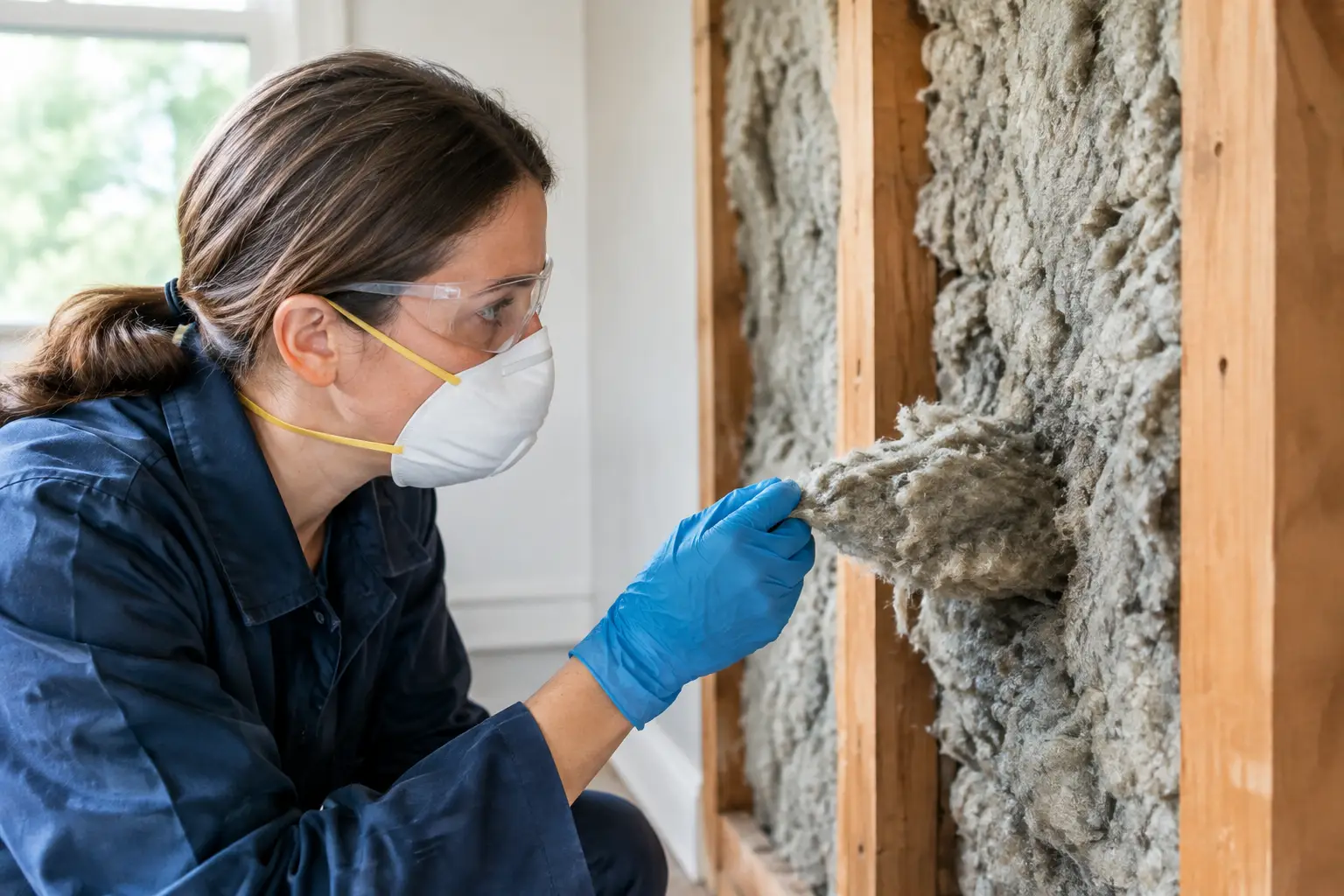
When the cause, severity or required repair is disputed, an independent building survey can be the turning point. A qualified surveyor or building engineer can assess whether the condition is consistent with poor workmanship, defective materials, inadequate design, building movement, moisture ingress or an unrelated pre-existing problem.
An effective defect report should do more than state that something is wrong. It should identify the affected elements, explain likely causes, assess the urgency, set out the consequences of leaving the defect unresolved and recommend proportionate remedial works. Where appropriate, it may also comment on whether further opening-up investigations, monitoring or specialist testing are required.
This matters because many disputes become stuck at opinion versus opinion. A builder may describe cracking as normal settlement, while an owner fears a structural failure. An independent assessment can establish whether the cracking is superficial, whether movement needs investigation, or whether poor installation has caused the failure. The same principle applies to roof leaks, damp, thermal bridging, defective insulation, drainage failures and poor-quality alterations.
For complex cases, the surveyor may need to inspect inaccessible areas, review moisture patterns, use thermal imaging or recommend targeted investigations. There is a cost, but an early diagnosis can prevent you from paying for unsuitable repairs or pursuing the wrong party.
Be precise about the remedy you want
A successful complaint is not simply a list of faults. It should explain what outcome you are seeking. In many cases, this will be properly completed remedial work to an agreed standard. In others, the appropriate remedy may be a reduction in price, reimbursement for necessary repairs, compensation for proven losses, or a contribution towards independent inspection costs.
Ask the builder to provide a method statement for significant remedial works. This should confirm what will be removed, repaired or replaced, the materials to be used, how adjoining finishes will be protected, who is responsible for making good, and the proposed programme. If the work affects structure, roofing, drainage, fire safety or electrics, ask what inspections and certification will be provided on completion.
Do not accept a cosmetic patch where the underlying defect remains. Filling a recurring crack without understanding why it has formed may conceal movement rather than resolve it. Equally, avoid demanding a full replacement where a competent repair is sufficient. Proportionate requests are more persuasive and easier to defend.
Escalate in the right order
If the builder does not respond, denies responsibility without evidence, or repeatedly fails to rectify the work, escalate formally. Send a written complaint that restates the defects, refers to your earlier notifications, includes the independent findings where available, and sets a final reasonable period for a substantive response.
Check the contract for a complaints process, mediation clause, adjudication provision or dispute-resolution route. New-build properties may also have a developer complaints process and a warranty provider that can consider certain building defects, subject to its terms and notification requirements. Do not assume a warranty covers every issue, particularly cosmetic snagging, maintenance matters or defects outside the policy period.
Mediation can be worthwhile where both sides are willing to reach a practical agreement. It is usually faster and less costly than formal proceedings, and it can preserve the opportunity for repairs to be completed promptly. However, mediation is less effective where a party will not engage or where urgent works cannot wait.
You may need legal advice if the claim is substantial, deadlines are approaching, the builder has ceased trading, or there is a serious dispute about contract terms and liability. Legal rights and time limits can differ depending on the contract, the nature of the claim and where you are in the UK. Obtain advice before issuing formal proceedings or commissioning extensive remedial work that could affect the evidence.
Avoid the mistakes that weaken otherwise valid claims
The most common error is waiting too long while the builder continues to promise a return visit. The second is making payments without retaining a clear record of what has been completed and what remains outstanding. Another is allowing multiple trades to make temporary alterations, leaving no reliable record of the original problem.
It is also unwise to withhold payment automatically without considering the contract and the value of the disputed work. Payment disputes can escalate quickly, and an unjustified withholding of funds may create a separate issue. Where money is still outstanding, seek professional advice and communicate your position clearly.
If the builder returns to repair the issue, inspect the completed work carefully before signing it off. Compare it with the agreed scope, take final photographs and retain all certificates. For major repairs, a post-work inspection provides reassurance that the visible finish is supported by a proper technical solution.
A detailed snagging or defect inspection from HICH LTD can provide the independent evidence needed to identify faults, prioritise repairs and present your concerns with clarity. The strongest challenge is rarely the loudest one. It is the one supported by records, technical findings and a reasonable request for the work to be put right.