
Insurance Claim Survey Guide for UK Property
A ceiling can fail overnight, but the cause of the failure may have developed over years. That distinction is often central to an insurer’s decision. This insurance claim survey guide explains how a property survey supports a buildings insurance claim, what evidence matters, and how to avoid the gaps that can delay settlement or leave essential repairs outside the agreed scope.
For homeowners, landlords and managing agents, the immediate priority is safety and damage limitation. The next is establishing a clear, evidence-based account of what has happened to the building, why it happened and what work is reasonably required to reinstate it.
What is an insurance claim survey?
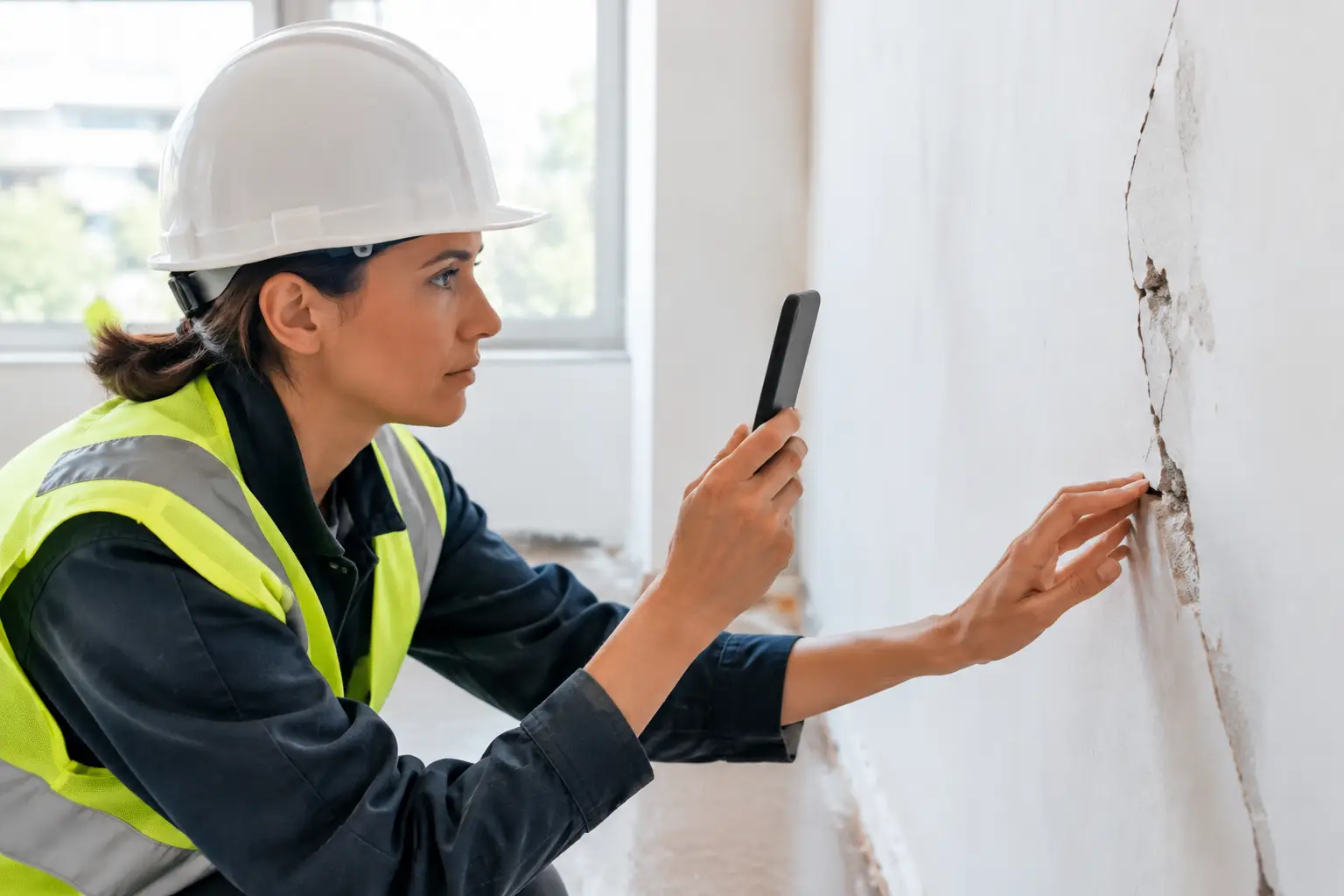
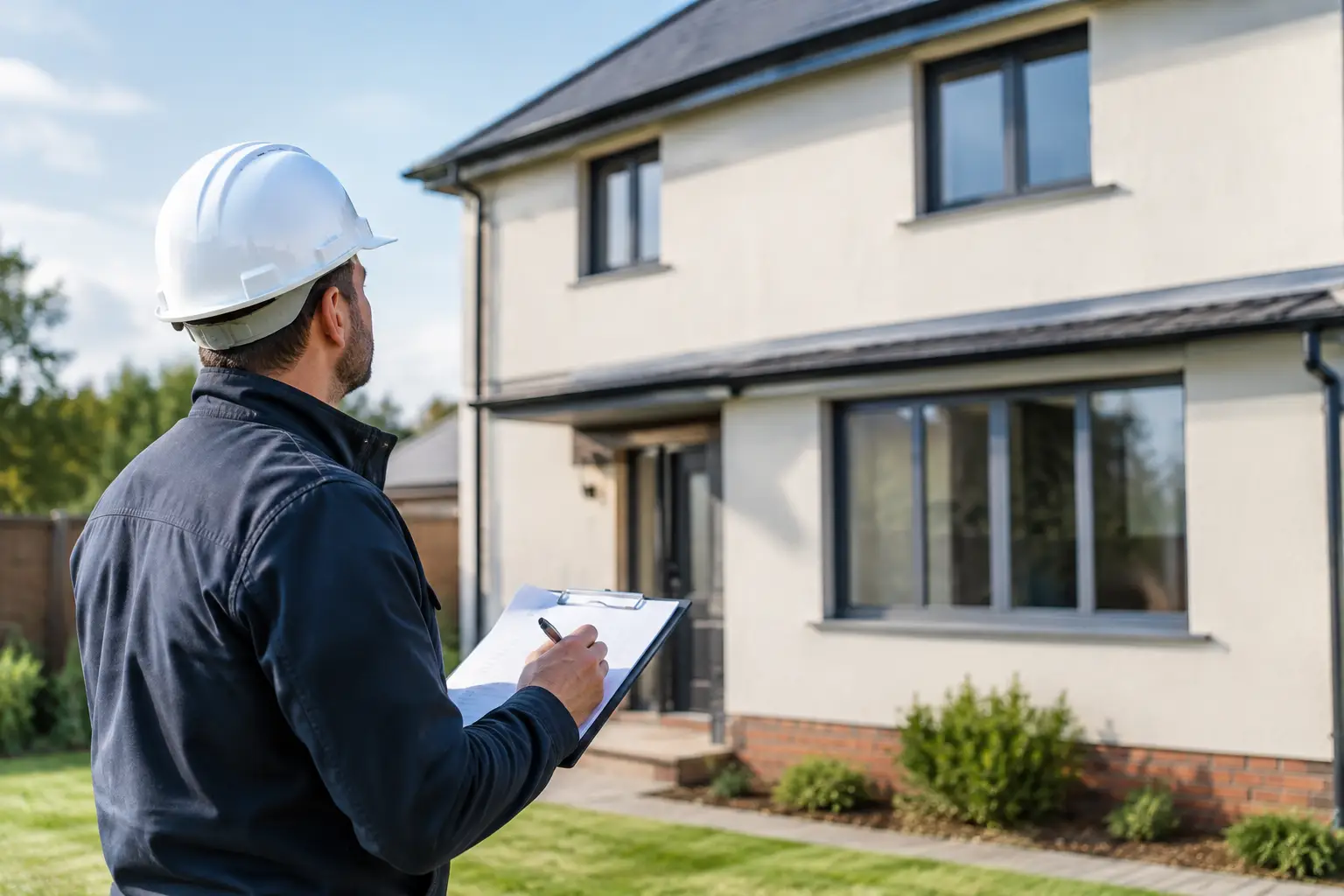
An insurance claim survey is a professional inspection of property damage connected with a potential or active insurance claim. The surveyor examines affected building elements, records visible defects, considers likely causes and identifies the repairs needed to return the property to an appropriate condition.
It is not the same as an insurer’s loss adjuster visit. A loss adjuster is appointed by the insurer to investigate the claim under the policy terms, assess liability and review the proposed cost. An independent building survey provides the policyholder with technical evidence about the property itself. These roles can overlap in what they inspect, but their purpose is different.
A well-prepared survey report can be particularly useful where the damage is extensive, the cause is disputed, repairs have been priced too narrowly, or there is concern that a pre-existing defect is being confused with recent insured damage. It may also help where multiple issues are present, such as a storm-damaged roof alongside long-term deterioration, or an escape of water that has exposed historic timber decay.
When should you arrange a survey?
Act promptly once the property is safe, but do not rush into permanent repairs before the insurer has had a reasonable opportunity to inspect. Most policies require you to take sensible steps to prevent further loss. That can mean isolating a leaking supply, arranging emergency boarding, covering a damaged roof with a temporary weatherproof sheet or removing standing water.
Take photographs and video before emergency work begins where it is safe to do so. Keep invoices, contractor attendance notes and a simple timeline of events. If parts need to be removed for safety, retain samples or clear photographic evidence where practical. A damaged pipe, failed roof tile or wet plasterboard can become relevant evidence once the original condition is no longer visible.
A survey is usually most valuable before major strip-out or reinstatement work. Early inspection allows the surveyor to see damage in context, trace moisture patterns and distinguish between fresh failure and older defects. However, a survey can still assist later in the process if there is a disagreement about repair scope, causation or the quality of works already completed.
The difference between damage, cause and cover
One of the most frustrating aspects of an insurance claim is that obvious damage does not automatically mean every related cost is covered. Buildings insurance commonly responds to specified insured events, such as escape of water, storm, fire, impact or subsidence. The policy wording sets the terms, exclusions, excess and limits.
A surveyor’s role is to investigate the building condition, not decide whether an insurer must pay. For example, a report may find that water staining and collapsed plaster resulted from a sudden leak in a heating pipe. It may also identify that the pipe was concealed within a poorly ventilated void with long-standing condensation. The insurer will consider how those findings relate to the policy.
This is why causation needs careful wording. A useful report separates observations from conclusions: what is damaged, what physical indicators are present, the most likely mechanism of failure, any alternative explanations and the further investigation required if the cause cannot yet be confirmed.
What an effective claim survey should cover
The inspection scope depends on the incident. A roof claim may require close examination of coverings, flashings, gutters, roof voids, ceilings and external elevations. An escape-of-water claim may involve moisture testing to walls and floors, review of pipework routes, inspection beneath kitchen units or sanitary fittings, and consideration of hidden damage to timber and insulation.
A thorough report should normally document the location and extent of damage, supported by dated photographs. It should describe affected construction elements in plain language, such as plasterboard ceilings, suspended timber floors, cavity walls, roof timbers or flat-roof membranes. It should also identify defects that create immediate safety risks, including unstable ceilings, wet electrics, mould growth or compromised structural elements.
Where appropriate, the surveyor may recommend further specialist investigations. These can include moisture mapping, thermal imaging, leak detection, drainage inspection, asbestos sampling before intrusive work, or structural assessment where movement or impact damage is suspected. Not every claim needs every test. The right approach depends on the building, the incident and what can be established through a non-invasive inspection.
A repair schedule is often as important as the defect diagnosis. It should set out the work required to dry, remove, renew and reinstate affected areas. This helps prevent a superficial repair proposal that redecorates visible staining without addressing saturated insulation, damaged subfloors or the source of water ingress.
Gathering evidence without compromising your claim
Clear evidence is more persuasive than a large collection of unlabelled photographs. Create a record that allows another party to understand the incident without having been present. Photograph each room from wide angles, then take closer images of defects, damaged belongings and any apparent source. Include external views where storm or roof damage is involved.
Keep a written chronology with dates and times: when the issue was first noticed, when water or damage was discovered, whom you contacted, emergency works completed and when the property became unusable, if applicable. Record conversations with contractors and insurers, then confirm significant points by email or letter where possible.
Avoid disposing of damaged materials until the insurer confirms that this is acceptable, unless retaining them would be unsafe or unreasonable. Equally, do not leave the property exposed simply to preserve evidence. Reasonable mitigation is expected. The practical balance is to document the condition first, then make the building safe and weather-tight.
Be cautious with contractor quotations that include vague allowances. A quote stating “repair water damage” offers little support in a disputed claim. Itemised scopes are more useful because they show which rooms, materials and operations are included. If there are separate uninsured maintenance issues, keep them clearly separated from reinstatement work arising from the incident.
Common problems that delay property claims
The most frequent difficulty is an unclear cause of damage. A roof leak after high winds, for instance, may be assessed differently where wind has displaced sound materials than where water has entered through long-standing worn flashings. The condition of surrounding materials matters.
Another issue is hidden damage. Drying only the visible surface can leave moisture within wall cavities, floor voids or insulation. This can lead to mould, odour, distortion and further deterioration after decorating has been completed. Moisture readings and a considered drying strategy can be necessary before reinstatement begins.
Under-scoping is also common. A claim may initially allow for replacement plaster and decoration, while inspection later identifies damaged skirtings, swollen laminate, contaminated insulation or electrical testing requirements. A detailed survey gives a stronger basis for revising the scope before work progresses too far.
Finally, do not assume a repair estimate proves the original cause. Cost evidence and causation evidence are related but distinct. Where the incident is disputed, a report should explain the building pathology behind the recommended work.
How to use a survey report with your insurer
Send the report with a short, factual covering note. Identify the claim reference, property address, date of incident and the specific points on which you need a response. For example, you may ask the insurer to review the recommended drying works, confirm approval for opening-up investigations, or reconsider an omitted repair item.
Keep the discussion focused on evidence. If the report identifies both insured damage and pre-existing maintenance defects, acknowledge the distinction rather than presenting every defect as claim-related. This improves credibility and helps the insurer deal with the covered elements without unnecessary argument.
If you disagree with the insurer’s proposed scope, set out the difference item by item. Refer to the relevant photographs, moisture findings, affected building components and repair recommendations. A qualified surveyor can provide the technical clarity needed when the dispute is about the condition of the building rather than policy interpretation.
Choosing the right surveyor for a claim
Look for a surveyor or building engineer with practical experience of diagnosing defects, not simply producing repair estimates. They should be able to explain the likely cause of damage, recognise where further investigation is needed and produce a report that is clear enough for an insurer, contractor or dispute-resolution process to follow.
Ask what the inspection includes, whether intrusive investigation is excluded, how quickly the report will be issued and whether the surveyor can provide a repair schedule or cost-informed recommendations. Fixed-fee pricing and a defined scope are useful, but the cheapest inspection is not always the best value if it fails to identify hidden defects or leaves key questions unanswered.
For complex residential damage, an independent inspection from a qualified building professional can turn an uncertain claim into a properly documented repair plan. HICH Ltd provides practical defect analysis and clear reporting for property owners who need evidence they can act on. The most helpful next step is often simple: protect the building, preserve the evidence and obtain a clear view of what the damage actually involves before permanent repairs begin.