
What a New Build Inspection Review Should Find
A freshly completed home can look immaculate at handover while concealing defects behind paint, sealant and fitted finishes. A new build inspection review gives buyers an independent assessment of workmanship, visible defects and issues that could affect performance, safety or future repair costs. It is not about expecting perfection from a construction project. It is about ensuring shortcomings are identified clearly, recorded properly and raised while the developer remains responsible for putting them right.
Why a new build inspection review is worth arranging
New homes are built to modern standards, but they are also completed to demanding programmes by several trades working in sequence. Small errors can occur when walls are plastered, kitchens are fitted, roofs are finished and external works are completed at speed. Some are cosmetic. Others point to poor detailing, water ingress risks or incomplete work.
A buyer may notice uneven paint or a loose handle during a viewing, but many defects need an experienced eye. A qualified surveyor knows where workmanship problems commonly appear and can distinguish a minor snag from a concern requiring prompt correction. The result is a structured report that gives the developer a practical schedule of items to address rather than a vague list of complaints.
This can also protect the buyer’s position if issues continue after completion. Clear photographs, locations and descriptions create a useful record of the home’s condition at a specific point in time. Where a defect later develops into a warranty claim or dispute, early evidence may matter.
What should a new build inspection review cover?
The exact scope depends on the property type, stage of construction and access available on the day. A thorough inspection normally considers visible and reasonably accessible elements throughout the home, alongside the immediate external areas.
Internal finishes and workmanship
Internal snags are often the most obvious, but they should still be documented carefully. The review may identify cracking to plaster finishes, uneven walls or ceilings, poor paint coverage, damaged joinery, gaps around skirtings, incorrectly fitted doors and defective sealant around sanitaryware.
The surveyor will also look at floors, stairs, kitchen units, worktops, tiling, windows and ironmongery. A door that does not close smoothly may be a simple adjustment. However, repeated binding doors, pronounced cracking or uneven finishes can sometimes reflect movement, poor installation or inadequate preparation. The report should explain the likely cause where this can reasonably be established, not simply list the visible symptom.
Kitchens, bathrooms and services
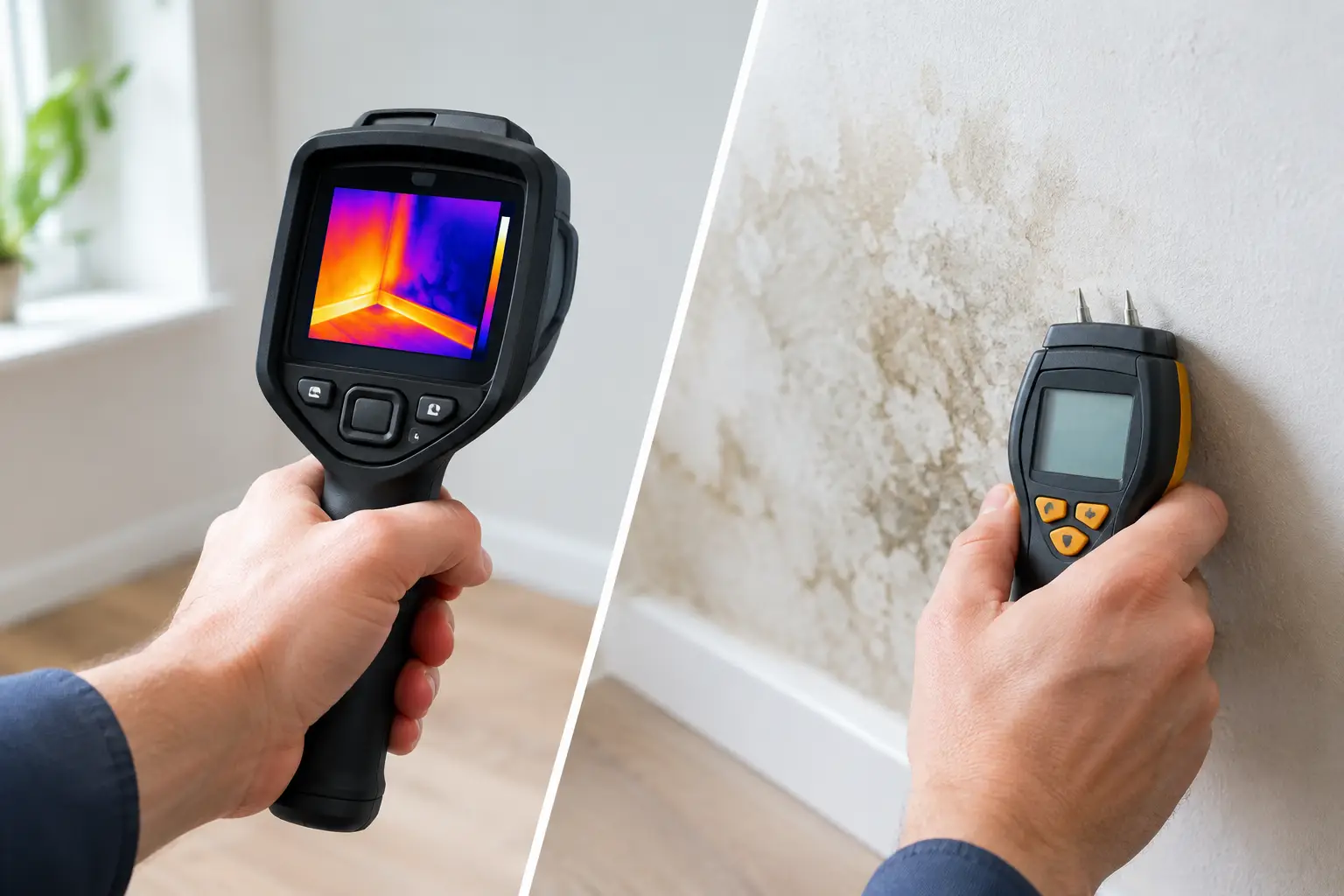
A new build inspection is not a substitute for specialist electrical, gas or drainage testing, but visible checks remain valuable. The surveyor can identify poor fitting, incomplete finishing, loose fixtures, damaged fittings, inadequate sealing and signs of leaks around sinks, baths, showers and pipework.
Bathrooms deserve particular attention because water can cause significant damage if it penetrates behind tiles, flooring or wall finishes. Gaps in sealant may look minor, yet they can allow moisture into concealed areas over time. Ventilation provisions, access panels and the general quality of installation should also be considered.
Where heating, ventilation or electrical components appear incomplete, damaged or improperly located, these should be recorded for the developer to investigate through the appropriate competent contractor. If there is any doubt over safety, do not wait for the end-of-defects process. Raise it immediately.
Windows, external doors and roof details
Openings in the building envelope are common locations for defects. The inspection should consider the operation and alignment of windows and external doors, the condition of frames and glazing, visible gaps, damaged seals and the adequacy of surrounding finishes.
At roof level, a surveyor may identify displaced tiles, poorly finished flashings, incomplete verge details, damaged gutters or inadequate falls to rainwater goods. Not every part of a roof can be inspected closely from ground level, and safety or access restrictions will apply. A good report states these limitations rather than implying that concealed or inaccessible areas have been checked.
External works, drainage and boundaries
The grounds around a property can be overlooked during handover, especially if landscaping is still being completed. A review can highlight poor paving finishes, cracked paths, uneven surfaces, incomplete fencing, damaged brickwork and defects to render or cladding.
Drainage is particularly important. Paths and ground levels should not direct water towards the building. Gullies should be clear, covers should sit properly and rainwater pipes should discharge as intended. Standing water, low paving levels near door thresholds or poorly formed falls can create avoidable dampness and maintenance problems.
The difference between cosmetic snags and material defects
Not every item carries the same urgency. A practical report should help the buyer and developer prioritise rather than treating every mark as equally serious.
Cosmetic snags include minor paint blemishes, light scratches and small finishing inconsistencies. These are still reasonable items to raise, particularly before moving furniture into the property, but they are unlikely to affect the building’s integrity.
Material defects are more significant. They may include water penetration, persistent cracking, roof defects, inadequate ventilation, faulty drainage, defective fire-stopping or problems that affect the safe use of the property. These need prompt attention and, in some cases, further investigation by the builder or a relevant specialist.
There is a middle ground. A poorly fitted internal door, for example, may be straightforward to correct, but it should not be dismissed if it is part of a wider pattern of distorted frames or poor workmanship. Context matters. An experienced inspection considers whether isolated items form part of a larger issue.
When to book the inspection
The best timing depends on the developer’s completion process. Ideally, arrange the inspection shortly before legal completion, once the home is substantially finished and safe to access. This gives the developer an opportunity to rectify defects before the buyer moves in.
In practice, pre-completion access is not always granted. If that is the case, book the review as soon as possible after receiving the keys, preferably before furnishing the property. Empty rooms allow defects to be seen more easily, and early reporting limits arguments about whether accidental damage occurred after occupation.
Many new-home warranties have an initial defects period, often the first two years, when the developer is expected to resolve qualifying issues. Do not treat that period as a reason to delay. Identifying defects early makes them easier to evidence and more likely to be resolved before they worsen.
What to expect in the report
A useful new build inspection report should be clear enough for a homeowner to understand and specific enough for a site manager to act on. Each item should describe the issue, identify its location, include supporting photographs where appropriate and indicate the recommended action or level of concern.
The report should not promise that every hidden element is fault-free. Buildings contain concealed structure, insulation, pipework and wiring that cannot be assessed without intrusive investigation. Instead, it should make the inspection boundaries clear and focus on visible evidence, workmanship and areas where defects may reasonably be identified.
Avoid reports that only provide a long, unprioritised snag list. The value lies in professional judgement: which points are routine finishing items, which require monitoring and which need urgent rectification or further assessment.
How to use the findings with your developer
Send the report to the developer or site customer-care team promptly and ask for a written plan for rectification. Keep communication factual. Reference report item numbers, photographs and locations, then request proposed dates for the work.
Before signing off repairs, inspect the completed work in good daylight where possible. A repair should resolve the underlying issue, not merely improve its appearance. For example, repainting a recurring crack without addressing movement is unlikely to be an adequate outcome.
If the developer disputes a material defect, or repairs repeatedly fail, an independent building survey, specialist diagnostic inspection or formal mediation may be appropriate. The right next step depends on the defect, the warranty arrangements and the evidence available.
For buyers who want a clear, fixed-fee assessment from surveyors with practical construction knowledge, HICH LTD can help identify defects and provide a report that supports informed discussions with the developer. Booking early gives you the best chance to have issues corrected while the home is still new, access is straightforward and responsibility is clear.