

RICS Survey Versus Structural Survey: Which?
A property can look well presented at a viewing and still have movement, roof deterioration, concealed damp or altered structural elements that change the cost of ownership. The choice between a RICS survey versus structural survey is therefore not simply about which report is more detailed. It is about getting the right evidence for the risk you are taking on.
A RICS Home Survey provides a broad assessment of a property’s visible condition. A structural survey concentrates on defects affecting the building’s stability, load-bearing parts and fabric. For many buyers, a RICS survey is an appropriate starting point. Where warning signs are already present, a structural inspection can provide the more useful answer: what has failed, why it has happened, how serious it is and what repair work may be required.
What a RICS survey is designed to do
A RICS survey is carried out under the Royal Institution of Chartered Surveyors’ Home Survey Standard. It is intended to help a buyer understand the condition of a home before exchange of contracts, using a consistent reporting framework and clear condition ratings.
The most common options are a RICS Home Survey Level 1, Level 2 and Level 3. Level 1 is a basic visual inspection, generally suited to newer, conventional homes in apparently good condition. A Level 2 survey is more detailed and is frequently chosen for standard houses and flats. A Level 3 survey is the most comprehensive RICS option, normally appropriate for older, altered, neglected or non-standard properties.
Even at Level 3, the inspection is largely non-invasive. The surveyor will assess accessible and visible elements but will not normally lift fitted carpets, open up walls, remove finishes or test concealed structural members. This is a sensible limitation for a pre-purchase survey, but it matters when a particular defect needs diagnosis rather than a general condition overview.
A RICS report can identify concerns such as cracking, damp staining, roof defects, poor drainage, timber decay or evidence of movement. It may recommend further investigation by a structural engineer, roofing specialist, drainage contractor or other suitably qualified professional. That recommendation should not be ignored. It means the initial inspection has identified a risk that cannot be properly assessed from a visual overview alone.
RICS survey versus structural survey: the key difference
The central difference is purpose. A RICS Home Survey considers the condition of the property as a whole. A structural survey investigates a known, suspected or higher-risk issue in greater depth.
A structural survey is generally carried out by a building engineer, structural engineer or surveyor with practical expertise in building defects and structural behaviour. Its scope is tailored to the building and the concern identified. Rather than using a standard condition-rating format alone, it examines the likely cause, extent, urgency and repair implications of the defect.
For example, a RICS survey may record stepped cracking to a rear extension and advise a structural assessment. A structural survey would look at the crack pattern, building age, construction method, nearby trees, ground conditions, drainage issues, previous alterations and signs of ongoing movement. The resulting report may explain whether the cracking is historic, seasonal, progressive or consistent with subsidence, as well as setting out proportionate next steps.
That distinction is valuable when you need to make a commercial decision. A buyer may need evidence to renegotiate the purchase price. A homeowner may need to decide whether a repair is urgent. A landlord or developer may require a clear specification before instructing contractors. A general survey flags risk; a structural survey is more likely to turn that risk into an informed repair plan.
When a RICS Home Survey may be enough
A RICS survey is usually the sensible choice where the property is conventionally built, broadly well maintained and there are no specific signs of serious defects. It gives buyers a useful overview of visible condition, maintenance priorities and areas requiring attention.
A Level 2 survey can suit a modern or relatively straightforward property where the main requirement is reassurance and a professional check before commitment. A Level 3 survey is better suited to a Victorian terrace, period cottage, converted building, property with extensive alterations, or a home that appears to have been poorly maintained.
The report can also be particularly useful where several smaller defects need to be weighed together. Worn roof coverings, deteriorated external joinery, localised damp and outdated services may not individually prevent a purchase, but their combined cost can materially affect affordability.
However, a RICS survey should not be selected on the assumption that it will automatically answer every structural question. If you already know there is substantial cracking, a sagging roof, deflection in floors, bulging walls, water ingress around a chimney or a history of subsidence, an issue-specific structural inspection may be needed from the outset.
When to instruct a structural survey
A structural survey is appropriate when the building is giving a clear indication that something requires closer investigation. It can be commissioned before purchase, after a RICS survey recommendation, when planning refurbishment, or when a defect has developed in an owned property.
Common reasons for instruction include:
- Significant, widening or stepped cracking to walls or extensions.
- Uneven, sloping or bouncing floors, particularly where timbers may be decayed or altered.
- Roof spread, sagging ridges, failing trusses, roof leaks or concerns around chimney stability.
- Bulging masonry, corroding lintels, movement around openings or failing retaining walls.
- Signs of subsidence, heave, settlement, landslip or previous structural repair.
- Proposed removal of walls, loft conversions, extensions or other works affecting load-bearing elements.
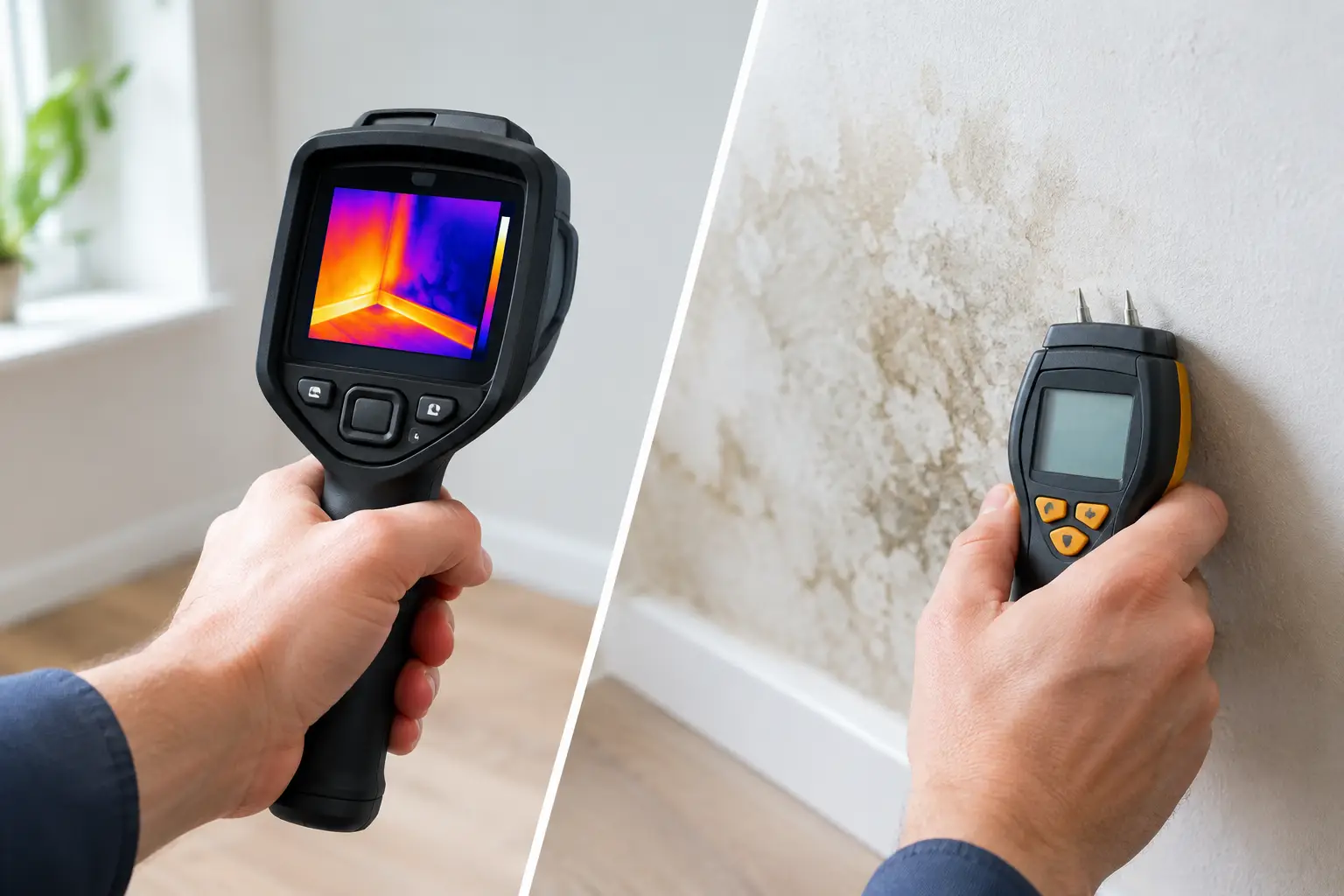
The survey may include measurements, photographic records, moisture assessment, review of accessible roof spaces and sub-floor areas, and consideration of how the property has been constructed and altered. In some cases, further opening-up investigations, drainage surveys, monitoring or laboratory testing may be recommended. This is not overcaution. Concealed defects should be investigated properly before expensive repairs or structural work are designed.
Scope, reporting and limitations
Neither report type is automatically “better”. The quality of the outcome depends on whether the scope matches the property and the question being asked.
A RICS survey offers a recognised, standardised approach to a wide range of visible building elements. It is highly useful for buyers who need an independent overview and a prioritised view of condition. Its limitation is that it is not usually intended to provide detailed structural calculations, a repair design or definitive diagnosis of a concealed problem.
A structural survey is more focused. It can assess a particular defect in much greater depth, explain likely causes and recommend practical repairs or further investigations. However, unless specifically agreed, it may not cover every component of the property in the way a whole-house RICS survey does.
Before booking either service, describe the property accurately and disclose everything you have noticed. Mention historic claims, previous underpinning, recent alterations, recurring leaks, neighbour disputes over movement, planning proposals and any concerns raised by an estate agent or mortgage valuer. Good information at the booking stage helps ensure the inspection is correctly scoped and priced.
Cost should follow the level of risk
It is understandable to compare survey prices, especially when moving costs are already mounting. Yet the cheapest report can be poor value if it only confirms that another, more detailed inspection is needed after your negotiating position has weakened.
RICS survey fees often vary by property value, type and location. Structural survey pricing is more commonly linked to the complexity of the defect, the property size, access arrangements and whether specialist investigation is required. HICH provides fixed-fee inspection options based on bedroom count, helping clients understand costs before booking rather than being priced according to the value of the home.
For a buyer of a conventional property with no obvious concerns, a RICS Level 2 or Level 3 survey may be the right investment. For a property with clear structural warning signs, putting funds towards a targeted structural survey can be more commercially useful. In higher-risk cases, the strongest approach may be both: a whole-property survey for overall condition and a structural report for the specific defect.
Choosing the right inspection before you commit
Start with the property, not the report name. Consider its age, construction, condition, history and any evidence of movement or water damage. Then consider the decision you need to make. Are you seeking a broad view of maintenance liabilities, or do you need an expert opinion on whether a cracked extension, failing roof or uneven floor is safe and repairable?
Ask what will be inspected, what access is required, whether the report will explain likely causes and repair priorities, and whether it will be suitable for price negotiations, contractors, insurers or a dispute. A useful report should give more than a list of faults. It should help you understand urgency, likely consequences and the next sensible action.
The right survey does not eliminate every uncertainty in an existing building. It does give you the evidence to proceed, renegotiate, plan repairs or walk away with far greater confidence – before a manageable defect becomes an expensive surprise.