

When Do Landlords Need a Property Survey?
A leaking valley, a cracking external wall or a patch of mould in a bedroom can quickly become more than a maintenance call-out. A property survey for landlords provides an independent assessment of the building’s condition, helping you identify the cause of defects, judge their urgency and plan repairs before costs, void periods or tenant complaints escalate.
For a landlord, the value is not simply knowing that something is wrong. It is having clear evidence of what is wrong, where it is located, how serious it may be and what work should be considered. That distinction matters when managing a single buy-to-let flat, a growing portfolio or a property undergoing refurbishment.
What a property survey gives landlords
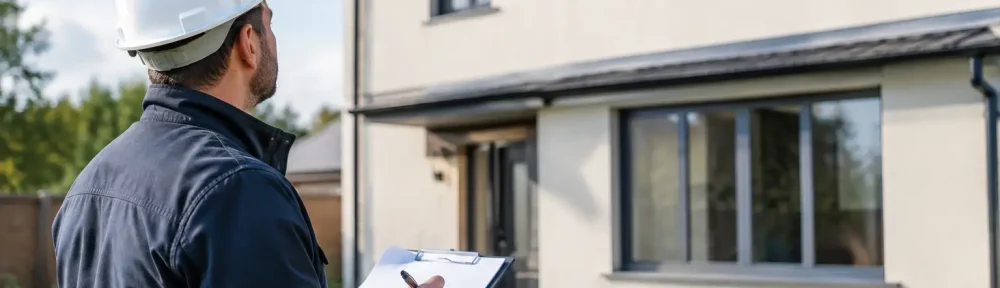
A property survey is a detailed inspection of the fabric and condition of a building. Depending on the brief, it can assess structural movement, dampness, roof coverings, rainwater goods, internal finishes, insulation, visible services and signs of poor workmanship or deterioration.
Unlike a routine letting inspection, which may focus on cleanliness, occupier damage and obvious repair needs, a survey investigates the building itself. A qualified surveyor or building engineer looks for patterns that can indicate underlying defects: recurring water staining beneath a roof junction, stepped cracking around openings, decayed timber at eaves level, or condensation linked to inadequate ventilation and cold bridging.
The resulting report should translate observations into practical decisions. Landlords need to know whether a defect is urgent, whether further investigation is needed, what the likely repair approach is and how the issue could affect the property if it is left untreated. Repair-cost awareness is particularly valuable when setting maintenance budgets, reviewing a contractor’s quotation or deciding whether a proposed purchase still represents good value.
When should landlords book a property survey?
A survey is useful at several points in a property’s life, not only when a major problem has become visible. The right timing depends on the building’s age, construction, history and your immediate decision.
Before buying a rental property
Pre-purchase inspections are one of the clearest uses of a survey. Mortgage valuations are not condition surveys and should not be relied upon to reveal all material defects. A valuation is prepared primarily for the lender, while a building survey is commissioned to help you understand the condition and risks of the asset you are buying.
Older homes, converted buildings, properties with previous extensions and houses showing signs of damp or movement warrant particularly careful assessment. The same applies where a low asking price appears attractive but the building may require substantial work. Knowing the likely scale of repairs before exchange can support renegotiation, better budgeting or a decision to withdraw before taking on an unsuitable investment.
Before refurbishment or change of use
Refurbishment can expose defects that were previously concealed by finishes, furniture or limited access. Commissioning an inspection beforehand allows you to establish whether work is needed to the roof, structure, drainage or external envelope before spending heavily on kitchens, bathrooms and cosmetic improvements.
This is especially relevant when converting a house into flats, reconfiguring rooms or improving energy performance. Adding insulation or replacing windows without considering ventilation, moisture movement and thermal bridging can create condensation problems rather than solve them. A survey helps ensure the work is based on the building’s actual condition, not assumptions.
When defects keep returning
Repeated decorating over a damp patch is not a repair strategy. Nor is repeatedly clearing a gutter if water is entering through defective flashings, failed pointing or an incorrectly formed roof detail.
Where the same issue returns after repairs, a targeted diagnostic survey can identify the root cause. Thermographic inspection may help reveal heat loss, insulation gaps or cold areas associated with condensation risk. A roof survey can establish the condition of coverings, flashings, valleys and rainwater arrangements, including areas that cannot be judged properly from ground level.
At planned maintenance intervals
Properties age even when tenants report no concerns. Roof coverings deteriorate, sealants fail, gutters block, timber components weather and minor cracks can develop. A periodic condition survey allows maintenance to be planned rather than funded as an emergency.
There is no single interval suitable for every landlord. A newer, well-maintained flat may need a less frequent review than a Victorian terrace with an ageing roof and historic damp issues. Properties exposed to coastal weather, heavy tree cover or poor drainage may also justify closer monitoring.
A landlord survey is not a substitute for compliance
A building condition survey can support sensible management, but it does not replace a landlord’s separate legal duties. Gas safety, electrical safety, smoke and carbon monoxide alarms, energy performance requirements and housing health standards each have their own requirements, checks and documentation.
That said, a survey can reveal building issues that affect compliance and tenant wellbeing. Persistent damp and mould, unsafe stairs, failing ceilings, defective guarding, water penetration and inadequate ventilation may all require prompt attention. The report gives you a stronger basis for prioritising works and instructing appropriately qualified contractors.
If asbestos-containing materials are suspected, they should not be disturbed on assumption. A dedicated asbestos survey may be required, particularly before refurbishment or intrusive works. Similarly, visible cracking does not always mean structural failure, but it should be assessed where movement is recent, progressive or associated with distorted openings, sloping floors or water ingress.
Choosing the right inspection scope
The most useful survey is one that answers the question you actually need answered. A broad structural building survey may be suitable for a full condition overview before purchase or major works. A focused roof survey is more efficient when the concern is limited to leaks, slipped tiles, damaged flat roofing or failing gutters.
For a new-build investment, a snagging survey can identify incomplete work, poor finishes and defects before they become harder to address. Where an issue is disputed between a landlord, contractor, developer or neighbour, an independent inspection and clear defect report can also help establish the facts before positions become entrenched.
Be clear about access when booking. A surveyor may need to inspect roof spaces, basements, outbuildings, communal areas and all relevant rooms. Tenant communication should be handled properly, with suitable notice and agreed access arrangements. Limited access can restrict the certainty of findings, particularly where defects are concealed behind stored items, fitted finishes or locked spaces.
What to expect from the report
A worthwhile report should be readable as well as technically sound. It should identify the defects found, use photographs where helpful, explain probable causes and distinguish between immediate risks, repairs that should be planned and items to monitor.
It should also state limitations. No non-intrusive survey can see behind every wall, beneath every floor or within every service run. Where evidence points to a concealed problem, the surveyor may recommend further investigation. This is not a weakness in the report. It is a professional recognition that diagnosis should be proportionate and evidence-led.
For landlords managing cost, the report can become a maintenance roadmap. Urgent water ingress may be addressed first to prevent further damage, followed by planned roof renewal or external repairs at a suitable time of year. This approach is often more cost-effective than responding to individual symptoms as they appear.
Make property decisions with evidence
A landlord’s responsibility is not to predict every future repair. It is to manage the building responsibly, respond to warning signs and make decisions on reliable information. HICH provides specialist inspections by qualified building engineers and surveyors, with practical reporting designed to identify defects and support informed repair planning.
If a property is showing recurring problems, is about to be purchased or is due for significant work, arrange the inspection before the next decision becomes more expensive. Clear findings now can protect the condition of the asset, the quality of the tenancy and the return you expect from the property.