

Property Mediation: A Clearer Route to Resolution
A crack in a wall, water entering through a new roof, incomplete snagging work or a disputed repair bill can quickly turn a property issue into a costly stand-off. When each party has a different explanation for what has gone wrong, property mediation provides a structured way to discuss the facts, identify practical solutions and avoid allowing the dispute to escalate unnecessarily.
For homeowners, buyers, landlords, developers and contractors, the central issue is rarely just who is right. It is often whether the defect is real, what caused it, how urgent it is, what remedial work is reasonable and who should meet the cost. A clear inspection report and an independent mediation process can bring those questions into focus.
What is property mediation?
Property mediation is a voluntary, confidential process in which an independent mediator helps parties in a property or construction-related dispute work towards an agreed outcome. The mediator does not usually impose a decision or act as a judge. Their role is to keep discussions productive, clarify the issues and help each side assess workable options.
This is particularly useful where there is an ongoing relationship to protect. A homeowner may need a builder to return and rectify defective work. A buyer and seller may want to preserve a sale. A landlord and tenant may need an urgent repair completed while resolving responsibility for the damage. Formal proceedings can make these situations harder, slower and more expensive to manage.
Mediation is not a substitute for technical evidence. In many property disputes, the quality of the available evidence determines whether a settlement is realistic. Parties need more than competing opinions. They need a clear account of the building condition, the likely cause of the defect, the risks of leaving it unresolved and the appropriate scope of repair.
When property mediation can help
Mediation can be effective at many stages, from an early disagreement over workmanship to a long-running dispute where solicitors have already become involved. It is commonly considered where there are concerns about structural movement, roof leaks, damp, drainage defects, poor refurbishment work, incomplete new-build snagging, boundary-related building damage or disputed repair costs.
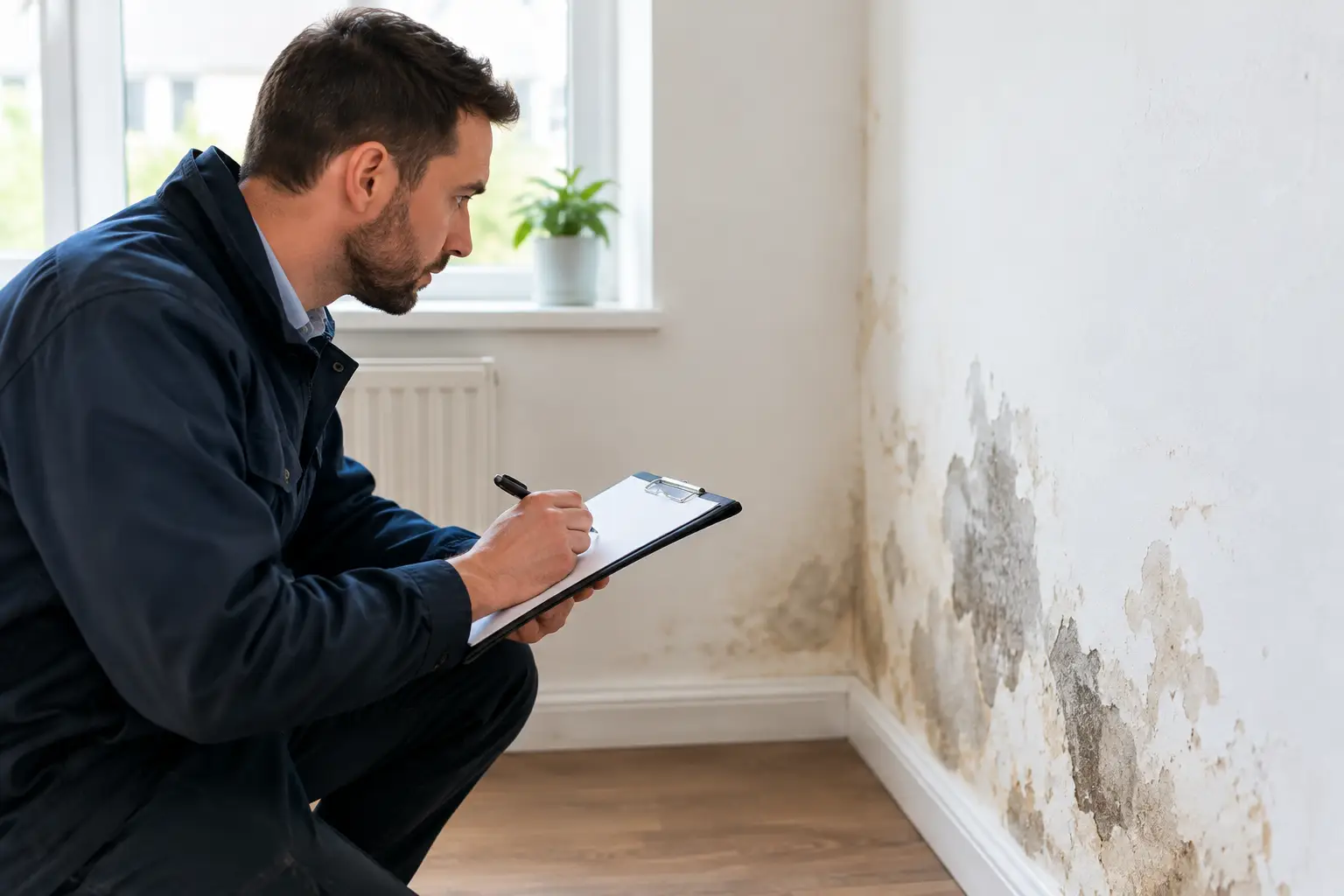
For example, a homeowner may believe a loft conversion contractor has caused cracking to internal finishes and water penetration at the roof junction. The contractor may argue that the cracks are historic and the water ingress results from poor maintenance elsewhere. Without an independent inspection, both parties may rely on assumptions. A building survey can establish whether there are defects, distinguish cosmetic cracking from signs of movement, and identify whether the roof details are likely to be contributing to the problem.
That does not automatically decide legal liability. It does, however, create a better basis for negotiation. If the evidence shows that a repair is needed, mediation can focus on proportionate remedial works, timescales, access arrangements and cost allocation rather than unproductive argument.
Mediation may be less suitable where there is immediate danger, deliberate fraud, a party refuses to engage, or an urgent injunction or enforcement action is required. Serious structural instability, unsafe electrical work, asbestos concerns or active water damage should be assessed and made safe without delay. The dispute can then be addressed from a position of clearer risk control.
Why independent building evidence matters
Property disputes often become entrenched because reports are incomplete, unclear or commissioned to support a pre-set position. A useful independent report should be evidence-led and understandable to everyone involved, including people without construction experience.
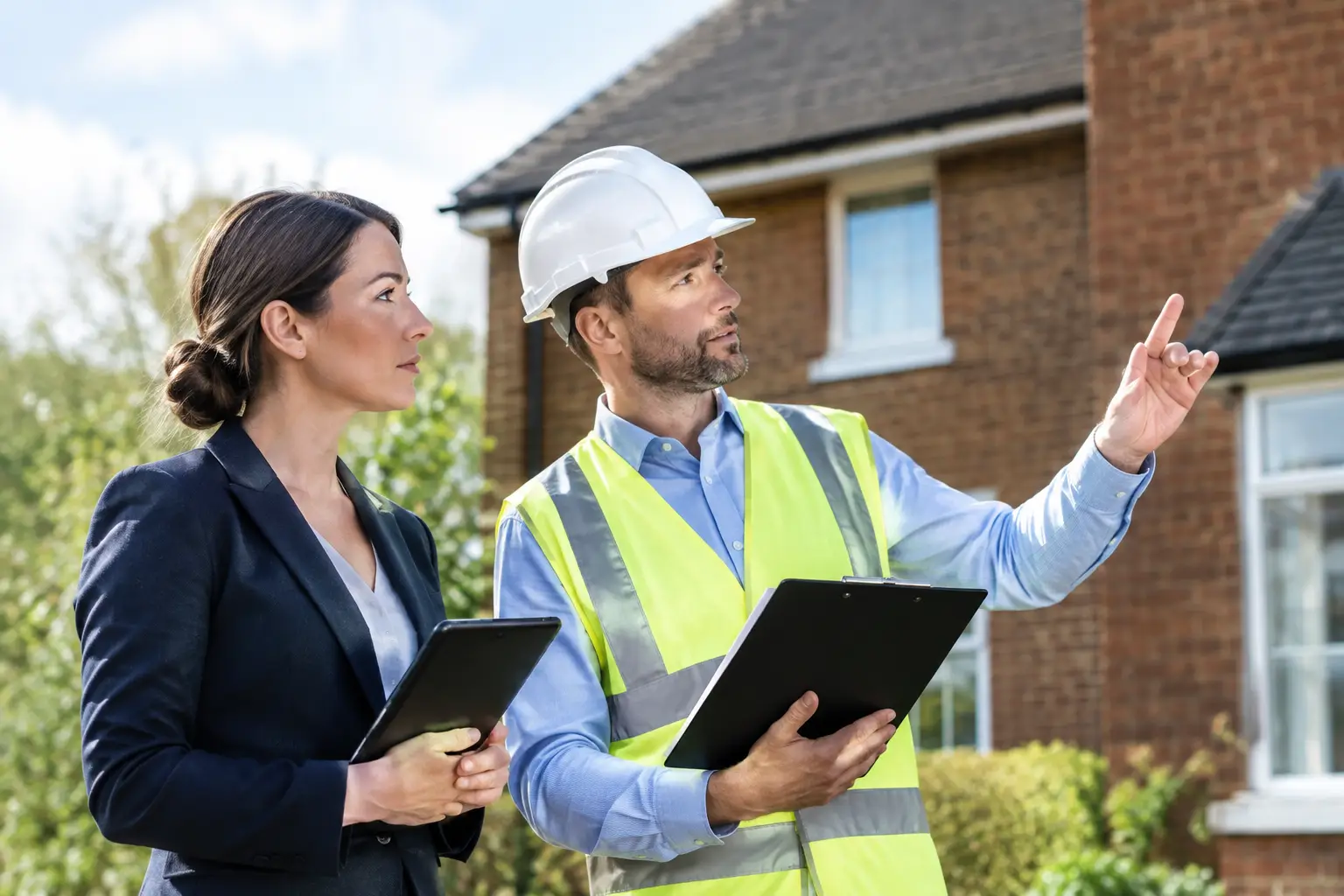
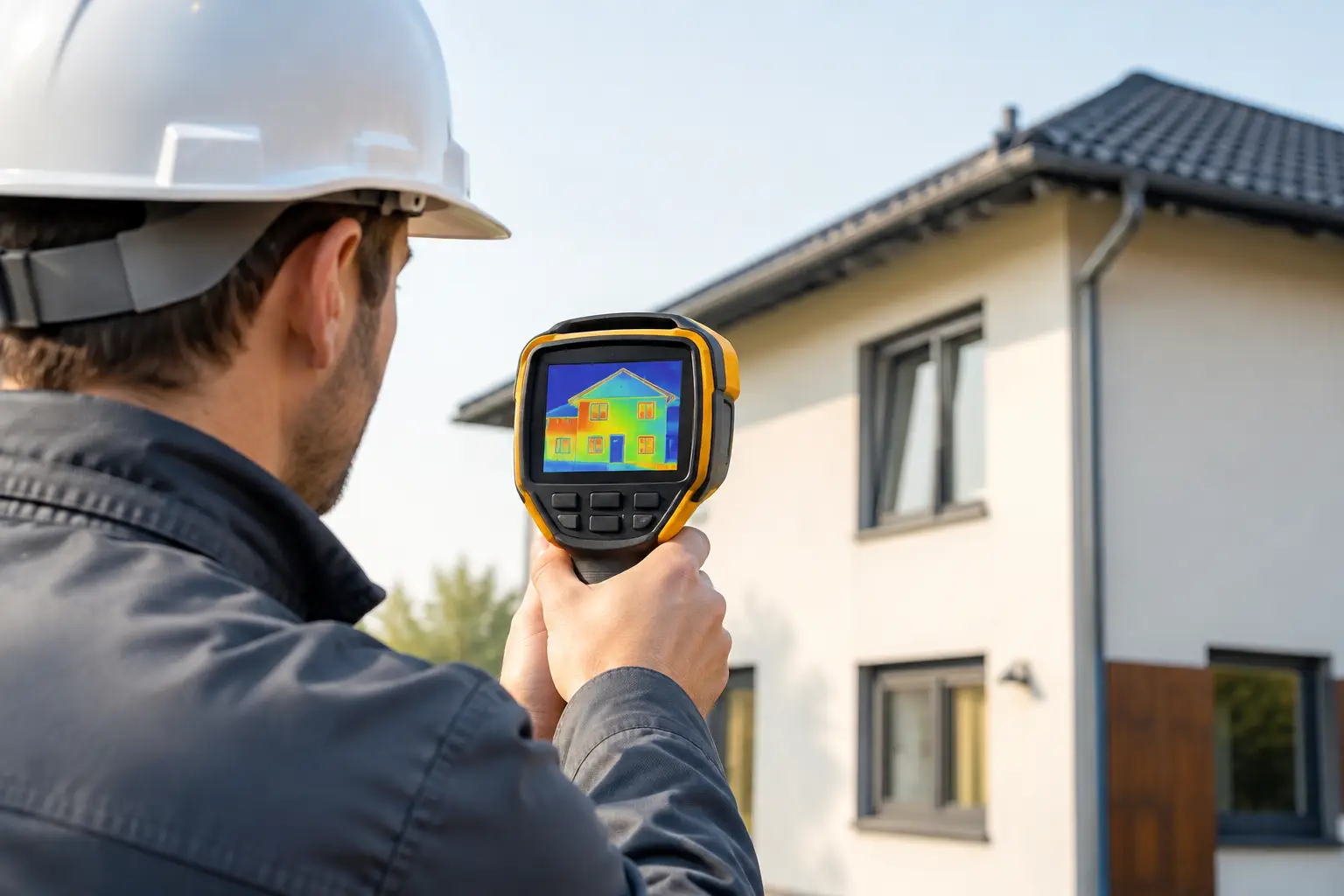
A qualified surveyor or building engineer should inspect the relevant areas where access permits and record visible defects, material condition, likely causes and the limitations of the inspection. Photographs, measured observations and a clear explanation of defect severity are valuable because they reduce the scope for misunderstanding later.
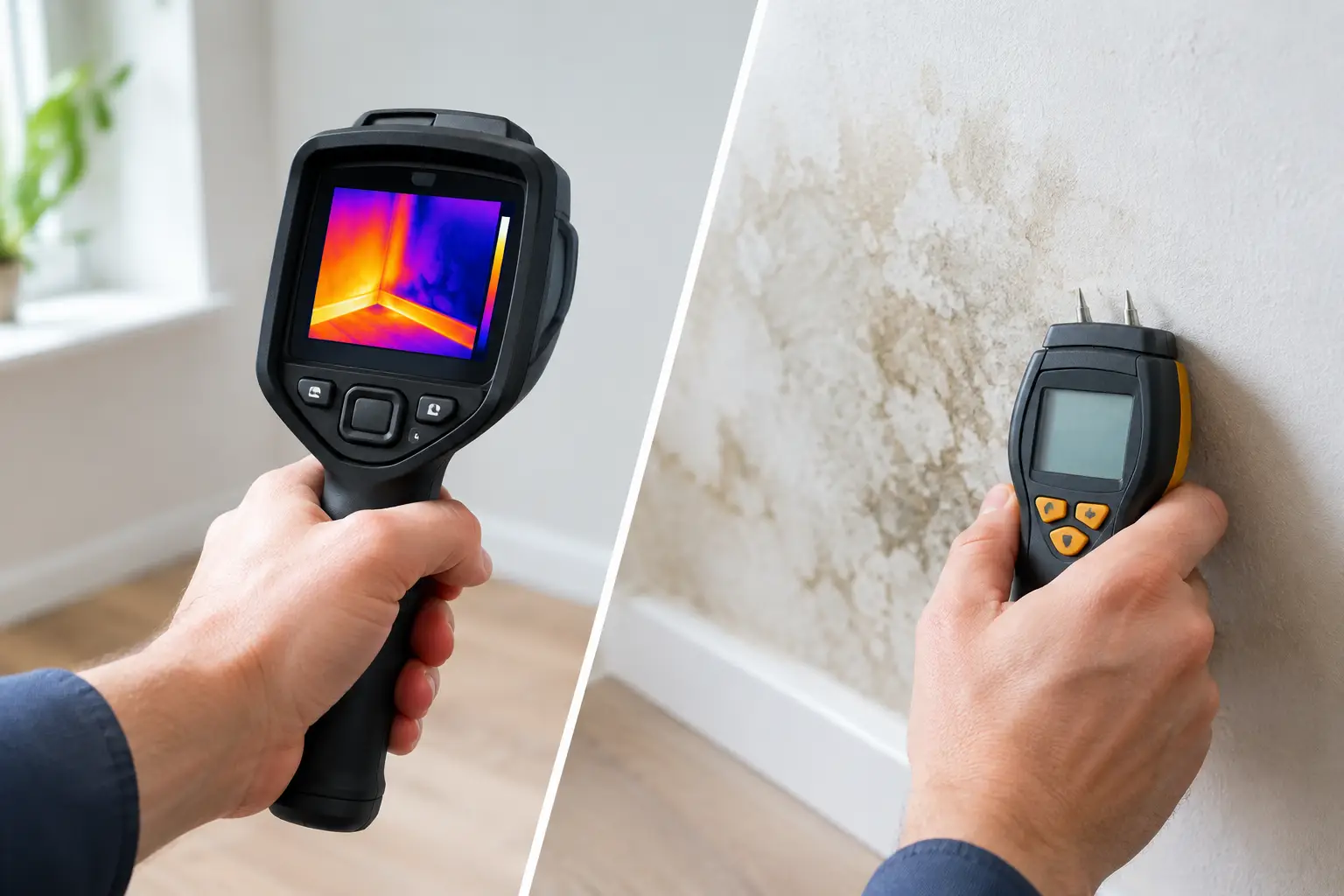
The report should also separate confirmed findings from possibilities. For instance, a moisture reading may indicate elevated moisture levels, but it does not on its own establish the source of water ingress. Further investigation may be needed to determine whether the cause is a defective roof covering, failed flashing, leaking pipework, bridging of a damp-proof course or condensation. This distinction matters when parties are discussing responsibility and the correct repair.
Repair-cost awareness is equally important. A report that identifies a defect without explaining the likely remedial approach may leave the parties no closer to settlement. A practical assessment can outline the work required, the order in which it should be carried out and whether specialist investigations are needed before works begin. It should not present an uncertain estimate as a fixed price, but it can help parties understand the scale of the issue and plan a realistic resolution.
How the mediation process usually works
The process normally begins by defining the dispute and confirming who needs to be involved. This may include a homeowner, builder, developer, managing agent, surveyor, insurer or warranty provider. Each party provides a brief position statement and relevant documents, such as the building contract, specification, photographs, invoices, correspondence, previous reports and quotations.
The mediator reviews the information and arranges a session. This may take place in person or remotely, depending on the complexity of the case and the parties’ locations. In more technical disputes, a site inspection or independent survey is often completed before the mediation meeting so that discussions are based on an agreed factual starting point.
During the session, each side has the opportunity to explain its position. The mediator may hold joint discussions and private conversations, helping parties test the strengths and weaknesses of their case without the pressure of a formal hearing. The aim is not to force a compromise at any cost. It is to identify an outcome that is commercially sensible, technically appropriate and acceptable to those involved.
A settlement might include an agreement for specified repairs, payment towards rectification, a revised completion date, an inspection after works, a contribution to professional fees or a mutual release from further claims. Terms should be written clearly. Where repair work is part of the agreement, it should state the scope, standard expected, completion period, access requirements and who will check the finished work.
Mediation, expert determination and legal action
These routes serve different purposes. Mediation helps parties negotiate their own solution. It is flexible and can address practical matters that a court may not resolve neatly, such as access, future maintenance or the use of a preferred contractor.
Expert determination is different. An independent expert is appointed to decide a defined technical issue, such as whether a roof installation meets the agreed specification or whether a defect was caused by a particular construction method. Depending on the agreement, that decision may be binding. It can be useful where the key issue is narrow and technical, but it offers less flexibility than mediation.
Legal action may be necessary where a settlement cannot be reached, limitation periods are approaching or one party will not cooperate. However, litigation can involve substantial time, professional fees and uncertainty. Even then, clear building evidence remains essential. A detailed survey report can help establish the condition of the property, support expert opinion and demonstrate whether reasonable steps were taken to investigate and mitigate damage.
Preparing for a productive mediation
The strongest preparation is factual, organised and proportionate. Avoid presenting every historic frustration as a separate claim if it does not affect the core dispute. Focus on the specific defects, the relevant contractual obligations, the evidence available and the outcome required.
Before mediation, make sure the property is properly documented. Keep dated photographs and videos, retain quotations and invoices, record when defects first appeared, and preserve written communications. If remedial work has already been carried out to prevent further damage, keep evidence of the original condition and explain why urgent action was necessary.
It is also wise to distinguish between a desired outcome and a realistic one. A homeowner may understandably want a complete refund, while the technical evidence may support targeted repairs instead. Equally, a contractor may believe a minor repair will resolve the matter, but an inspection could show that wider defective work needs correction. Settlement is more likely when the proposal reflects the actual condition of the building.
HICH LTD can support parties with independent building inspections and defect-focused reporting before or during a dispute, helping to establish the condition of the property and the remedial work that may be required. A clear report can reduce uncertainty before both sides commit more time and money to their next step.
Choosing the right outcome for the property
A fast agreement is not always a good agreement. If the proposed repair does not address the root cause, water ingress, movement or deterioration may return after the dispute is supposedly closed. The most useful mediation outcome is one that protects the building as well as resolving the immediate disagreement.
Where the facts are uncertain, invest first in the right inspection and evidence. A calm, technically informed conversation is far more likely to produce an affordable and durable solution than a dispute driven by assumption.