
Best Time for a Snagging Inspection in the UK
A new-build home can look finished long before it is ready to be handed over. Fresh paint, clean floors and fitted kitchens can hide incomplete work, poor finishes and defects that become costly once the developer’s attention has moved elsewhere. The best time for snagging inspection is usually before legal completion and before you collect the keys, when there is still a clear opportunity to have issues recorded and put right.
That said, timing depends on the build stage, the developer’s access rules and the type of defects most likely to affect the property. A well-timed snagging survey is not simply a list of cosmetic marks. It is an independent assessment of workmanship, visible condition and functional issues that can support a practical repair plan.
Best time for snagging inspection: before completion
For most buyers, the strongest position is to arrange an inspection once the property is substantially complete but before completion takes place. At this stage, kitchens, bathrooms, heating, windows, doors and finishes should be installed and operational. The surveyor can inspect a home that closely reflects what you are buying, rather than assessing work that is still changing daily.
Ideally, allow enough time for the inspection report to be issued, reviewed and sent to the developer before your completion deadline. This is particularly relevant where a defect may require more than a quick paint touch-up, such as poor roof detailing, inadequate ventilation, uneven floors, damaged glazing or signs of moisture ingress.
A pre-completion inspection gives the developer a fair chance to rectify snags before you take responsibility for the property. It also creates a dated professional record of conditions identified at handover. If remedial work is delayed, that record can be useful when following up with the site team, warranty provider or another relevant party.
The practical limitation is access. Some developers permit independent snagging inspections before completion; others only allow a buyer to attend a home demonstration or handover appointment. Ask the sales office early, preferably as soon as an anticipated completion date is discussed. Do not assume access will be available at short notice.
Do not inspect too early in the build
Booking too early can produce an incomplete picture. If flooring has not been laid, the heating has not been commissioned, the bathroom is unfinished or external drainage is still being adjusted, a surveyor cannot fully assess those elements. You may identify obvious construction concerns, but many everyday defects will remain concealed by ongoing work.
There is also a risk that an early report becomes outdated. Trades returning to install appliances, make final connections or complete finishing work can introduce new damage and defects after the inspection. For this reason, a visit is generally most valuable when the home is genuinely nearing handover, not merely when the builder describes it as nearly ready.
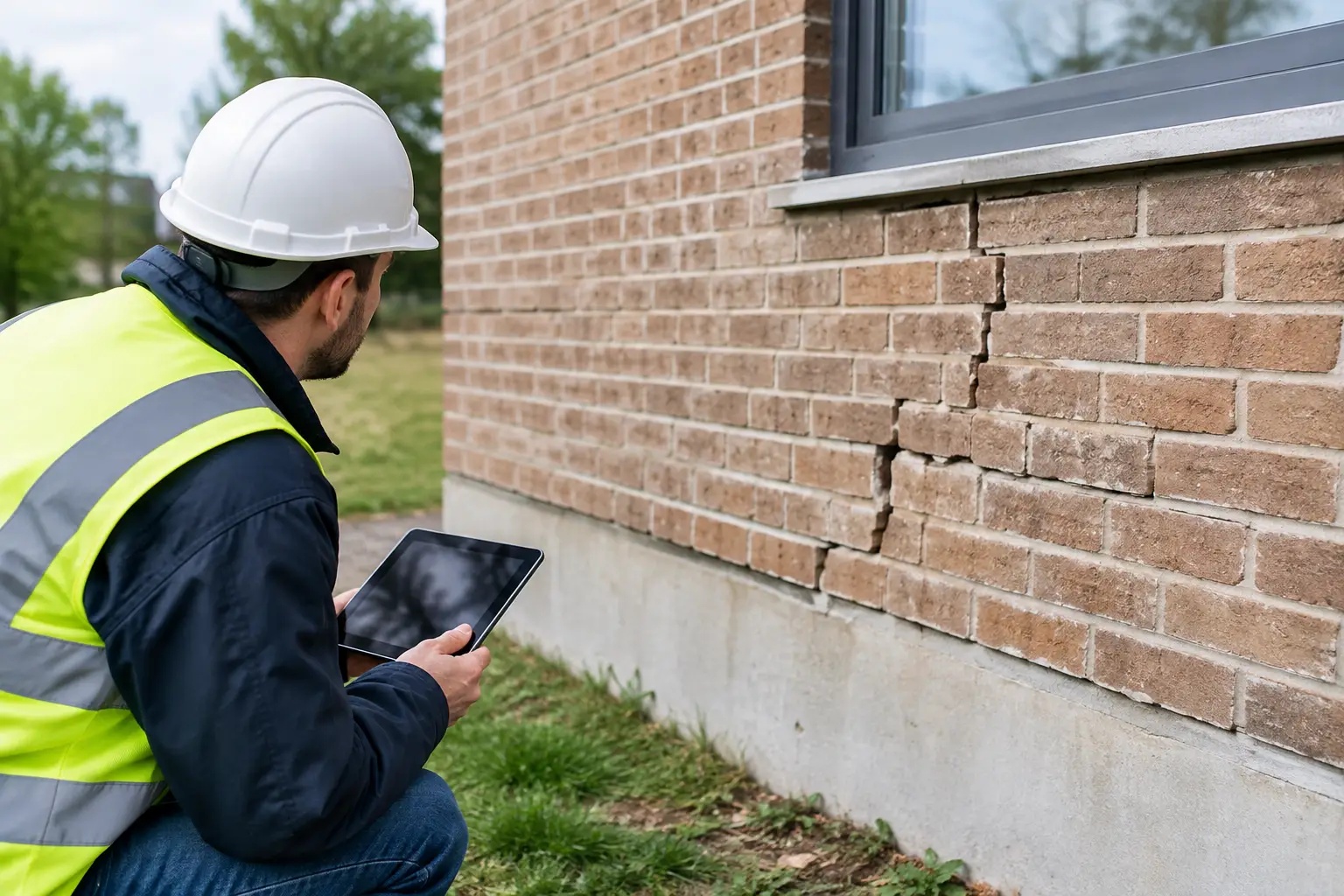
This does not mean early concerns should be ignored. Where a buyer notices a potentially significant issue during a viewing – cracking, standing water, damaged brickwork, roof defects or uneven structural elements – it is sensible to raise it immediately. Major concerns may warrant specialist advice before waiting for the standard snagging stage.
What a surveyor can assess at handover
A professional snagging inspection is designed to look beyond a quick visual walk-through. The exact scope varies with access and the property’s condition, but a thorough inspection commonly considers the quality and condition of internal finishes, joinery, doors, windows, sanitaryware, heating controls, ventilation, visible roof areas and external features.
The surveyor will also look for indications of more consequential defects. These may include poorly sealed openings, evidence of leaks, inadequate falls to external surfaces, damaged render or brickwork, defective drainage details, gaps around services, or workmanship that falls below a reasonable standard.
Not every snag carries the same weight. A small paint blemish is inconvenient but straightforward to resolve. A leaking window, loose roof tile, poorly fitted fire door or recurring condensation risk deserves faster attention. A clear report should distinguish between minor finishing items and defects that could affect safety, weather resistance, performance or future repair costs.
It is worth being realistic about the limits of any non-invasive inspection. A surveyor cannot see behind finished walls, beneath floors or inside sealed building components without opening them up. However, experienced inspection can identify visible warning signs and recommend further investigation where the evidence justifies it.
The first weeks after moving in matter too
If pre-completion access is not possible, arrange the snagging inspection as soon as you have the keys. This is still worthwhile, especially if you can book before furniture, blinds and personal belongings make areas difficult to inspect. Keep the property as accessible as possible until the visit has taken place.
The first few weeks of occupation often reveal faults that are impossible to confirm during a short handover appointment. You may notice that a radiator does not heat properly, a shower tray holds water, a window lets in draughts, extractor fans are ineffective, doors catch as humidity changes, or appliances and electrical fittings have not been correctly commissioned.
Use the home normally, but methodically. Run taps and showers, test heating in each room, open and lock every window and door, operate extractor fans, check outside taps where provided, and observe the property after rain. Record the date, location and nature of each issue, with photographs or videos where useful. This helps separate a one-off observation from a recurring defect.
Prompt reporting matters. New-home warranties and developer customer-care processes usually have notification requirements and timescales. Read the paperwork provided with the purchase, including any specific procedure for making a claim. A professional report supports a clear request for remedial action, but it does not remove the need to notify the appropriate party within the stated period.
Why a follow-up inspection can be sensible
One inspection is not always enough. A follow-up snagging survey can be valuable after the developer says repairs are complete, particularly where there were numerous defects or concerns about water penetration, roofing, external works or building performance. Remedial work should be checked rather than simply accepted on the basis that it has been marked complete.
A second visit can also be appropriate after the property has experienced a change of season. Cold, wet and windy conditions can expose problems that a dry summer handover will not reveal. Condensation, draughts, leaks around openings and guttering performance are all easier to assess when conditions place the building under normal weather stress.
There is a trade-off. Waiting months may reveal more, but it can also allow minor defects to become more entrenched or make responsibility harder to establish. The sensible approach is to inspect early, report promptly, then arrange a targeted review if significant issues remain unresolved or weather-dependent defects emerge.
Timing around developer deadlines and warranties
Buyers should not confuse a developer’s own snagging period with the longer structural cover offered by a new-home warranty. They serve different purposes. Customer-care arrangements often deal with finishing defects and operational issues soon after handover, while warranty protections may apply to defined construction failures under specific terms.
Before completion, ask for the expected handover date, the process for submitting snags, who is responsible for arranging repairs and how outstanding work will be recorded. After completion, keep all communication in writing and retain copies of the snagging report, photographs, repair appointments and responses from the developer.
If a defect appears serious, do not wait for a routine inspection slot. Water ingress, suspected structural movement, unsafe electrical fittings, loose materials at height or a failure affecting heating or hot water may require immediate escalation. The right timing is always sooner when safety, security or further damage is at stake.
Choosing a practical inspection date
The most effective booking date is one that gives a qualified surveyor proper access to a finished, empty or largely clear property and leaves enough time for findings to be acted upon. For a pre-completion inspection, aim for several working days before the planned completion date where the developer allows it. For a post-completion survey, book within the first days or weeks of ownership rather than treating it as a task for later in the year.
Provide the surveyor with the address, property type, expected completion date and any issues already noticed. If the development has site rules, confirm access arrangements in writing. A detailed report from a specialist such as HICH can help you present defects clearly, prioritise repairs and make informed decisions without relying solely on a rushed handover walk-through.
A new home should not require guesswork. Arrange the inspection when the building is ready to be properly assessed, keep a clear record of what is found, and give every defect the attention its likely impact deserves.