
Do Cracks Worsen? What Property Owners Should Know
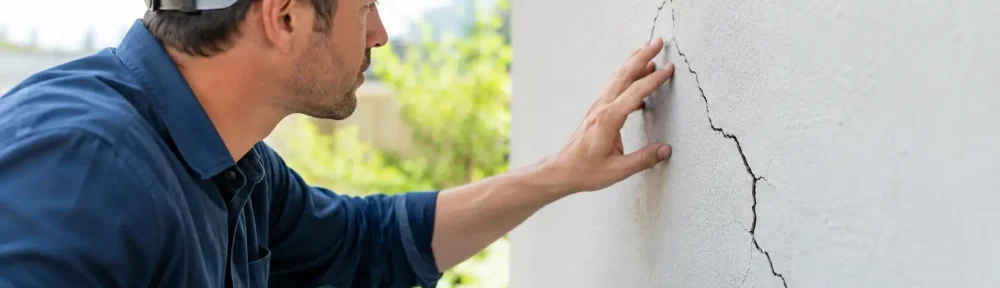
A hairline crack above a doorway can remain unchanged for years. A wider crack that has appeared after a dry summer, however, may be evidence of ongoing movement beneath the building. So, do cracks worsen? Sometimes they do, but the crack itself is only part of the story. Its position, width, pattern, age and any associated symptoms all help determine whether it is cosmetic or requires urgent investigation.
For buyers, homeowners and landlords, the right response is not to assume the worst or paint over the issue. It is to establish what has caused the crack, whether that cause is still active, and what repairs are appropriate. This avoids spending money on decoration before the building has stabilised, or overlooking a defect that could become more costly.
Do cracks worsen over time?
Cracks worsen when the movement that created them continues. This movement may be gradual, seasonal or sudden. Clay soils can shrink during prolonged dry weather and swell again when wet, causing foundations to move slightly. Temperature changes can make materials expand and contract. Roof spread, leaking gutters, decayed lintels, altered load paths and poorly completed structural work can also place stress on walls and ceilings.
Not every crack will keep opening. Older properties commonly have historic settlement cracks, particularly where different parts of a house were built at different times. If these have remained stable for many years, with no fresh plaster damage or distortion around openings, they may need only local repair and redecoration.
The key distinction is between a historic defect and active movement. A crack that becomes wider, longer or more visible after repair is not simply a finishing issue. It needs a proper diagnosis before cosmetic work is repeated.
What makes a crack more concerning?
Width alone does not provide a complete answer, but it is a useful starting point. Fine surface crazing in plaster is often cosmetic. Cracks around 1mm to 2mm should be monitored, especially if they are new. Wider cracks, stepped cracking through brickwork, or cracks that can be seen internally and externally deserve closer attention.
Pattern matters as much as size. Diagonal cracks running from the corners of windows or doors can indicate movement around an opening. Stepped cracks following mortar joints may point to foundation movement, localised settlement or wall instability. Horizontal cracks can be associated with lateral pressure, roof spread or corrosion of embedded steelwork, depending on where they occur.
A crack should be treated more seriously where it appears alongside other changes. These may include doors or windows sticking unexpectedly, gaps opening around frames or skirting boards, sloping floors, bulging walls, damaged brickwork, a sagging roofline, or new water ingress. One symptom may have a simple explanation. Several appearing together justify a specialist inspection.
Cracks in a newly built property also require care. Minor shrinkage cracking can occur as plaster, timber and other materials dry out. However, persistent or widening cracks, particularly near structural openings or where walls are visibly out of line, should be documented and raised promptly during the snagging or warranty period.
Common reasons cracks develop in UK homes
Ground conditions are a frequent cause. Properties built on clay are more susceptible to seasonal movement, while homes near mature trees may be affected by roots drawing moisture from the soil. Removing a large tree can also alter soil moisture over time, so the relationship between vegetation and movement is not always straightforward.
Drainage defects can contribute too. Escaping water from leaking drains, gullies or water pipes may wash away fine soil or soften ground near foundations. Conversely, poor rainwater disposal can saturate soil and worsen existing weaknesses. Gutters, downpipes and below-ground drainage should therefore be considered as part of the investigation, not treated as separate maintenance items.
Building alterations are another regular factor. Removing a chimney breast, opening up rooms, converting a loft or changing internal walls can affect how loads are distributed. Where adequate support has not been installed, cracking may develop around openings, along ceilings or at wall junctions. A surveyor will consider the construction of the property and any visible evidence of alterations before reaching a view.
Movement can also arise from more local issues: failed lintels, decayed timber, corroding wall ties, movement between an original house and an extension, or deterioration within a roof structure. This is why a generic repair recommendation can be poor value. Filling a crack does not resolve a failed component or a continuing water problem.
When should you arrange a professional inspection?
Prompt advice is sensible if cracks have appeared suddenly, are wider than a few millimetres, are visibly growing, or occur with distortion to doors, windows, floors or the roof. External stepped cracking, separation between an extension and the main building, and cracks following major building work also warrant investigation.
For a property purchase, do not rely solely on an estate agent’s explanation that cracking is “normal”. Many cracks are indeed routine, but a pre-purchase inspection can distinguish ordinary age-related movement from defects that may affect repair costs, insurance, mortgage lending or negotiations. The objective is not to label every crack as subsidence. It is to provide evidence-based advice on its likely cause, significance and next steps.
An appropriately scoped structural building survey will normally assess the crack pattern, construction type, nearby drainage and vegetation, alterations, roof condition and signs of movement elsewhere in the property. Where the cause cannot be confirmed through visual inspection alone, further steps may be recommended. These can include crack monitoring, drain surveys, trial holes, structural calculations or investigation by a suitably qualified engineer.
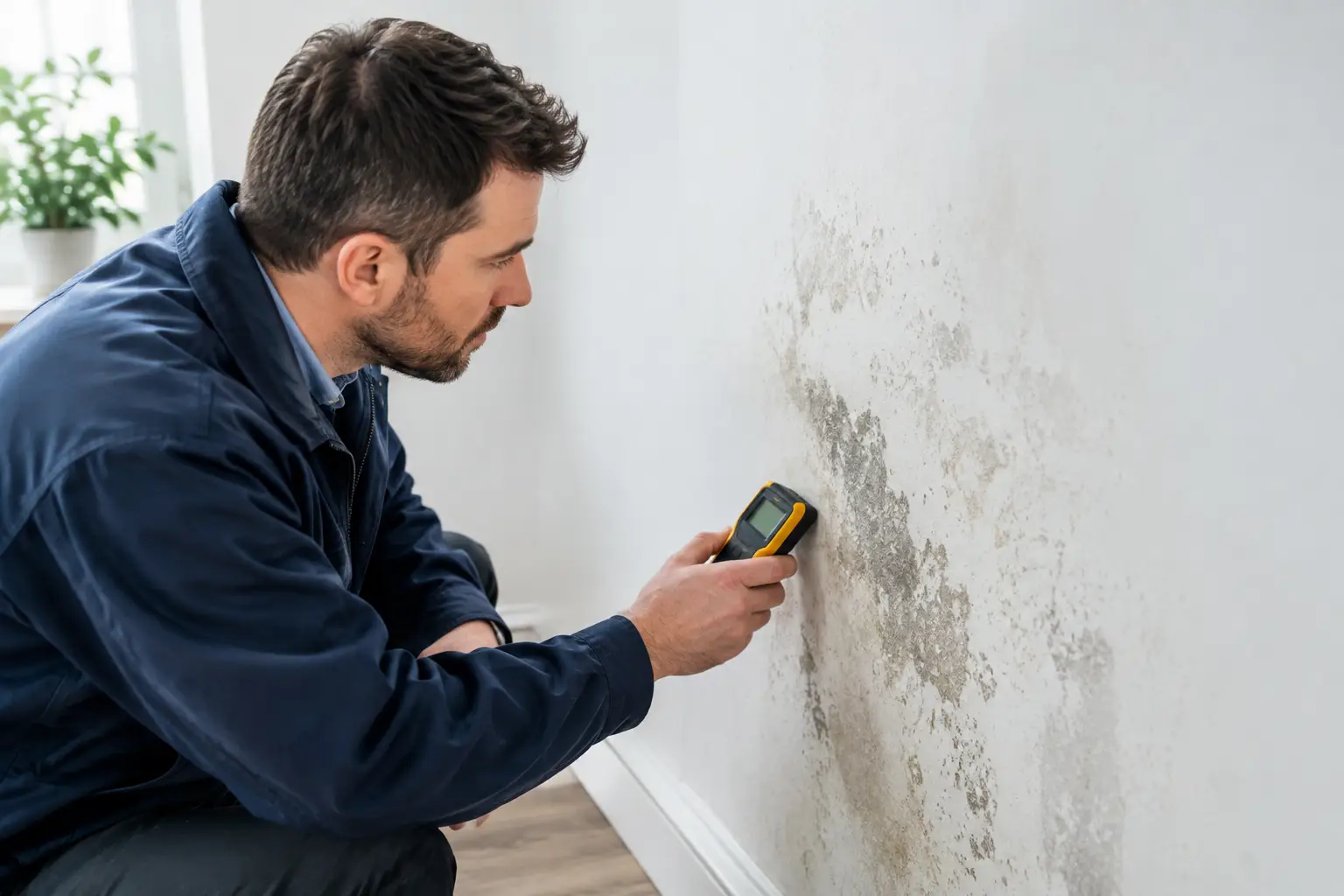
Monitoring is particularly useful where movement may be seasonal or historic. A surveyor may install crack monitors or recommend recorded measurements over time. This can prevent unnecessary major works, but it also means accepting that a definitive answer may take months rather than days. If there is an immediate safety concern, monitoring alone is not an adequate response.
What you can do before the survey
Clear photographs are valuable, especially when they include a ruler or coin for scale and show the wider wall or room. Record when the crack was first noticed, whether it has changed, and any related events such as drought, flooding, nearby excavation, building work or a drainage leak.
Avoid filling, repainting or covering a significant crack before it has been assessed. Doing so can obscure the pattern and make it harder to establish whether movement is continuing. If decoration is unavoidable, take dated photographs first.
Outside, check for obvious defects that can be addressed without delay. Overflowing gutters, blocked gullies, leaking downpipes and damaged roof coverings can all introduce water where it should not be. Do not, however, cut down mature trees or undertake excavation solely because of cracking without professional advice. Changes to drainage or vegetation can have unintended consequences for the ground beneath the property.
Repairing cracks only after the cause is understood
The right repair depends entirely on the diagnosis. Stable hairline plaster cracking may be prepared, filled and redecorated. Localised masonry defects might need repointing or lintel replacement. Where movement is caused by drainage, roof defects or defective alterations, that underlying problem must be rectified first.
In more serious cases, repairs may involve structural strengthening, rebuilding local masonry, improving drainage, managing vegetation or, in limited circumstances, foundation work. Underpinning is not the default answer to cracking. It is a substantial intervention used only where investigation shows it is necessary.
A clear report should set out the likely cause, degree of urgency, recommended investigations and realistic repair priorities. That information helps owners budget properly and gives purchasers a firmer basis for renegotiation or deciding whether to proceed.
HICH LTD provides specialist building inspections that focus on identifying the cause and practical implications of defects, rather than offering vague reassurance. For any crack that is changing, widespread or affecting a purchase decision, early assessment is usually the most economical next step. A well-timed inspection can turn an uncertain mark on a wall into a clear, proportionate plan of action.