
How to Prioritise Property Repairs Properly
A loose roof tile, a damp patch beneath a window and a sticking internal door can all appear on the same weekend. They are not equal problems. Knowing how to prioritise property repairs means looking beyond what is most visible or annoying and deciding what could harm people, damage the building or create a much larger bill if left unattended.
For homeowners, landlords, buyers and developers, the right order of work protects both the property and the budget. It also prevents cosmetic improvements from masking defects that need proper investigation. A qualified inspection can establish the cause of a problem, but a clear repair hierarchy gives you a sound basis for acting quickly in the meantime.
How to prioritise property repairs by risk
The most reliable approach is to assess every defect against three questions: could it cause injury or ill health, could it allow further damage to the building, and will delay materially increase the cost or complexity of repair?
A repair that presents an immediate safety risk should always come first, even if it is not the most expensive item. The next priority is a defect that is allowing water, movement or deterioration to continue. Only once those risks are controlled should you focus on planned maintenance, efficiency upgrades and cosmetic work.
This is not simply a matter of choosing the cheapest repair first. A £150 temporary roof repair may prevent thousands of pounds of timber decay, damaged ceilings and mould remediation. Equally, spending heavily on redecorating before identifying the source of damp can mean paying for the same work twice.
Priority 1: immediate dangers to people
Deal with defects that could cause injury, fire, electric shock, gas-related harm or serious health concerns without delay. Examples include exposed live electrical components, a suspected gas leak, unstable masonry, loose chimney pots, badly damaged stair treads, failing balustrades, unsecured ceiling sections and significant water ingress close to electrics.
Where a risk cannot be safely repaired at once, make the area safe. Isolate electrical circuits where appropriate, stop using unsafe access routes, restrict access beneath unstable building elements and arrange an urgent inspection by a competent professional. Do not rely on a visual judgement where structural stability, electrical safety or gas safety may be involved.
For landlords, hazards affecting tenants require particular attention. A defect can be minor in appearance but serious in consequence, such as inadequate fire separation, unsafe handrails, defective smoke alarms or persistent mould associated with water penetration and poor ventilation. The priority is to protect occupants first, then establish the underlying cause and scope of remedial work.
Priority 2: defects that let the building deteriorate
Once immediate hazards are controlled, focus on issues that expose the property to water or accelerate decay. Water is often the most expensive enemy of a building because it can travel unseen through roof voids, wall cavities, floors and service routes before becoming visible internally.
A slipped slate, cracked lead flashing, defective gutter joint, leaking valley, failed seal around a rooflight or overflowing rainwater pipe may seem like a modest repair. Left through repeated rainfall, however, it can saturate insulation, rot roof timbers, stain plaster, corrode fixings and encourage mould growth. The same principle applies to damaged pointing, cracked render, failed window seals and bridging at external ground levels.
Repair priorities should account for the weather and the type of construction. A small roof defect before a wet winter is more urgent than the same defect during a settled dry spell. Older solid-wall properties may also respond poorly to impermeable modern coatings or inappropriate cement pointing. The fastest solution is not always the correct one, particularly where the building needs to manage moisture through traditional materials.
Priority 3: structural movement and concealed defects
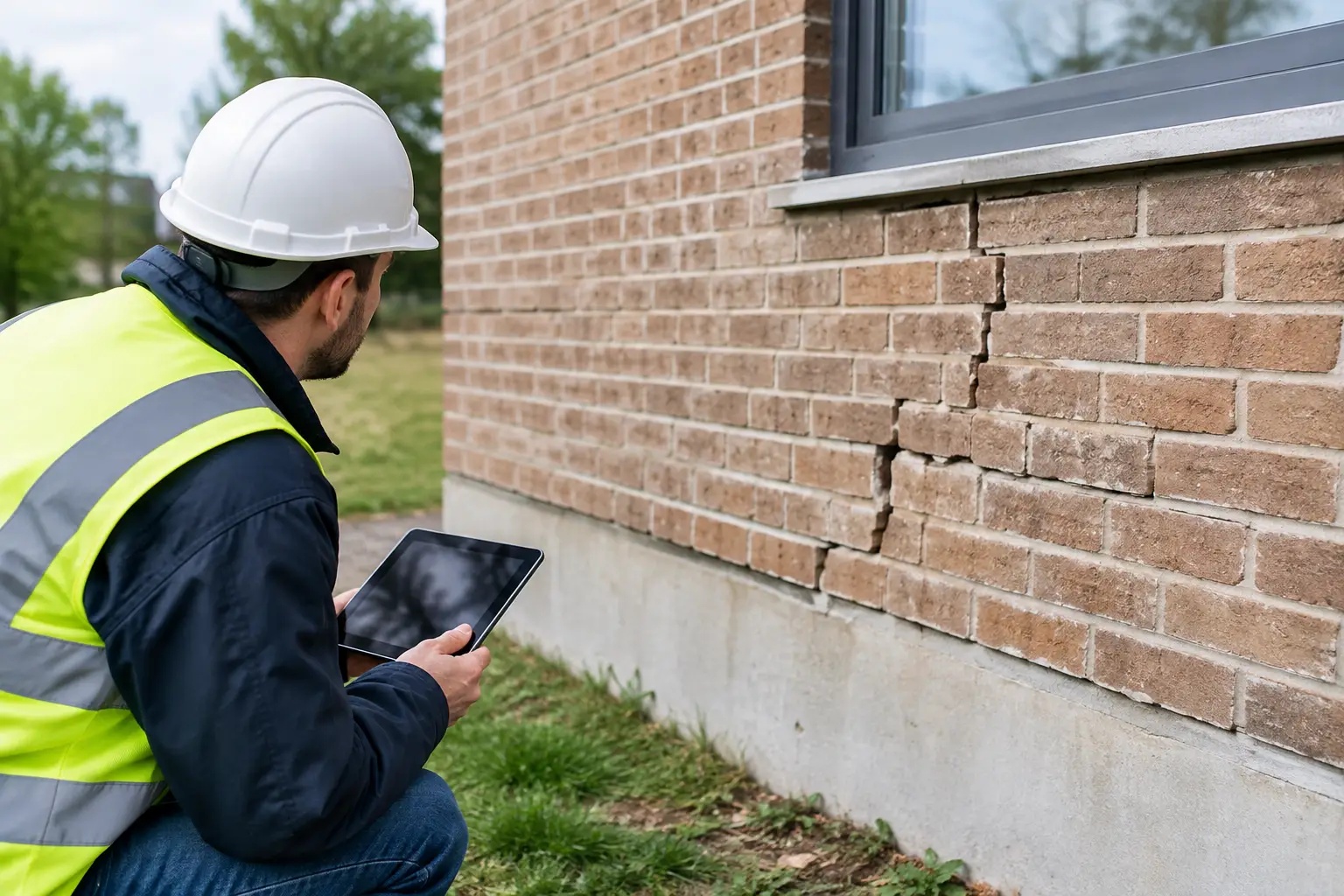
Cracks should not automatically be treated as an emergency, but neither should they be ignored. Fine, stable cracks in internal plaster are often cosmetic. Wider cracks, stepped cracking to brickwork, distortion around openings, sloping floors, separation at extensions or movement that is clearly progressing need further assessment.
The key issue is cause. Movement may relate to historic settlement, thermal change, leaking drainage, tree influence, altered ground conditions, inadequate support, roof spread or defective lintels. Filling and decorating over a crack might improve appearance, but it does not answer whether the building is stable.
Where movement is suspected, record the location, width and direction of cracking, together with any changes to doors, windows and floor levels. Photographs taken over time can be useful, but they are not a substitute for an inspection where the defect is significant or worsening. A structural building survey can help distinguish between cosmetic defects, defects requiring monitoring and matters needing prompt remedial design.
Put roofs, drainage and damp in the right order
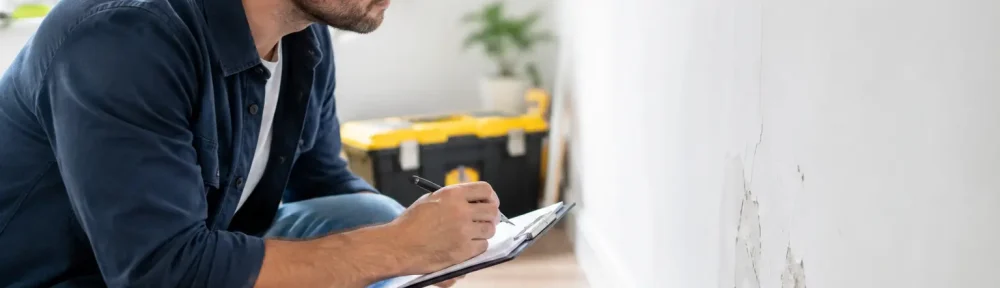
Many property repair lists become confused because a damp mark is treated as the problem. Usually, it is evidence of a problem elsewhere. Before authorising internal plastering, painting or mould treatment, identify whether moisture is coming from a roof defect, rainwater goods, penetrating damp, plumbing leak, condensation, rising damp or a combination of causes.
Start at the top of the building and work down. Check roof coverings, flashings, valleys, abutments, chimneys, gutters and downpipes before investigating walls, windows, sub-floor ventilation and ground levels. This sequence reflects how water commonly enters and travels through a property.
It also helps avoid unnecessary work. Replacing a section of ceiling may be appropriate after a leak, but only after the roof or plumbing source has been corrected and the affected fabric has had an opportunity to dry. If timber has been wet for a prolonged period, inspection may be required to establish whether decay has developed beyond the visible area.
Balance repair cost against the cost of waiting
Every owner has a budget, so prioritisation must be commercially realistic. The useful comparison is not just the price of repairing a defect today. It is the cost of repair today against the likely cost, disruption and risk of deferring it.
A sensible planned programme separates work into four categories:
- urgent safety work that should be completed immediately;
- protective repairs that stop water ingress, movement or fabric decay;
- planned maintenance that can be scheduled and competitively priced; and
- cosmetic or improvement work that should follow essential repairs.
This approach allows related work to be grouped where it makes financial sense. For example, if scaffolding is required for chimney repairs, it may be efficient to renew defective flashings, inspect high-level render and clear gutters during the same access period. However, do not add non-essential work simply because access is available if it compromises the budget needed for higher-risk defects elsewhere.
Obtain clear quotations that describe the defect, proposed method, materials, access requirements and any assumptions. A low quote may exclude scaffolding, waste removal, making good or repairs to hidden damage discovered once work begins. The best value is a properly scoped repair that addresses the cause, not merely the visible symptom.
When a survey should come before repairs
Some defects are straightforward: a broken fence panel, dripping tap or detached gutter bracket can usually be dealt with directly. Others need diagnosis before a contractor starts work. This is particularly true for recurring leaks, widespread damp, cracking, roof deterioration, suspected asbestos-containing materials, timber decay, thermal performance concerns and disputes about defective construction.
A professional report can rank defects by urgency, explain probable causes, identify areas that need closer investigation and provide repair-cost awareness for budgeting or negotiation. For buyers, this can prevent an apparently manageable repair list becoming a major post-purchase liability. For owners, it creates evidence for maintenance planning, insurance discussions or conversations with builders and developers.
HICH Ltd provides specialist inspections by qualified building engineers and surveyors, helping clients understand what requires urgent action, what can be planned and where further investigation is justified.
Build a repair plan that can be maintained
Keep a simple record of each issue, its location, the date first observed, photographs, recommended action, target date and estimated cost. Add a priority rating, but revisit it after severe weather, a new leak or any noticeable change in cracking or movement. A low-priority repair can quickly become urgent when circumstances change.
For landlords and portfolio owners, a rolling maintenance plan is usually more cost-effective than reacting to failures. Schedule seasonal checks of roofs, gutters, external joinery, drainage, heating and ventilation, while retaining a contingency for unexpected defects. Owners of older or non-standard properties should allow more time for investigation and sourcing suitable materials.
The best repair decision is rarely the one that makes a problem disappear from view fastest. It is the one that makes the building safer, drier and more durable, with a clear understanding of what has caused the defect and what needs watching next.