

Is a Snagging Survey Worth It for a New Home?
A new-build home should be the point at which you stop worrying about faulty finishes, uneven floors and incomplete work. In practice, even well-built properties can be handed over with defects that range from cosmetic marks to issues affecting drainage, insulation, fire stopping or the roof. So, is snagging survey worth it? For most buyers, it is a practical way to ensure the home you have paid for is finished to the standard you reasonably expect.
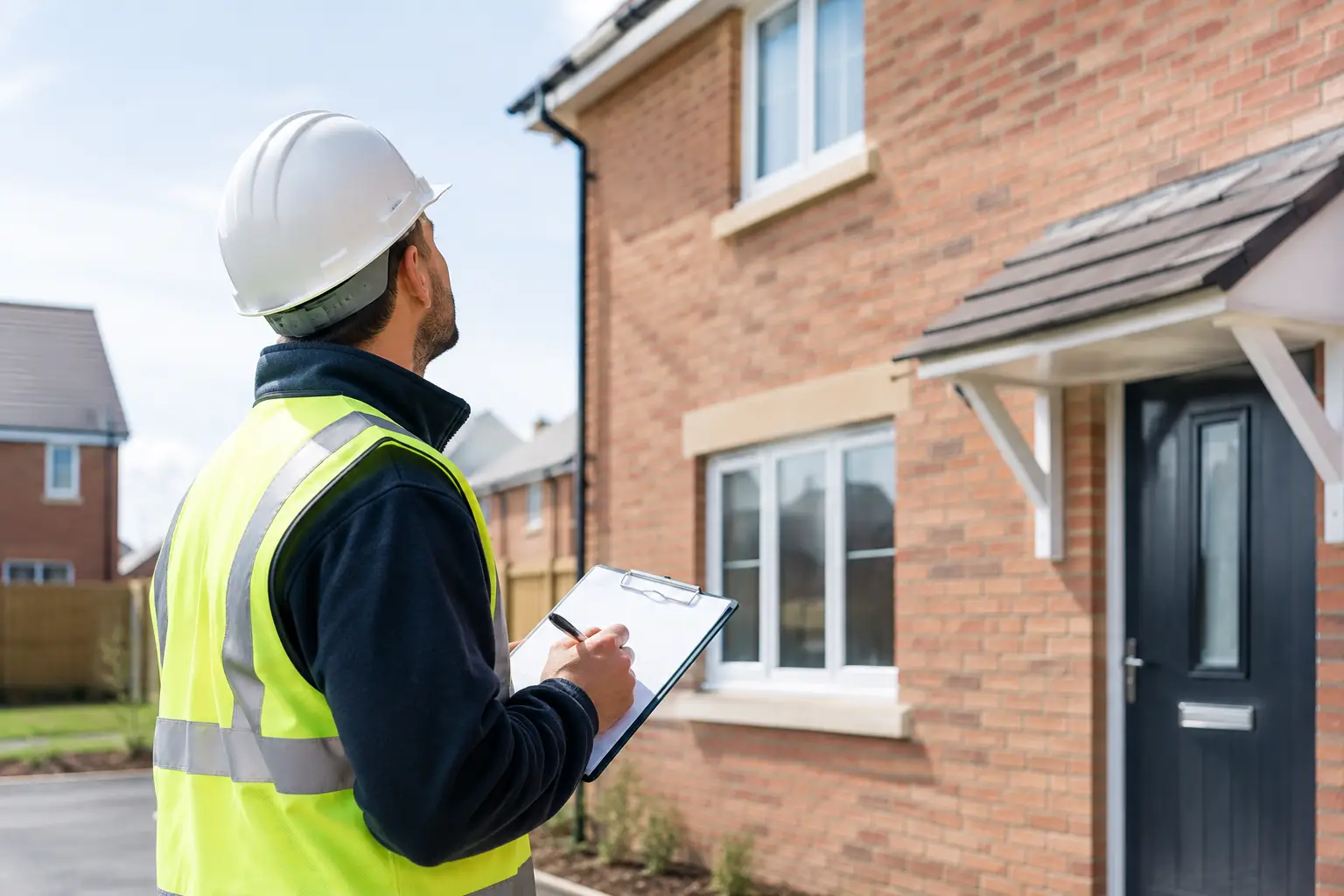
A professional snagging survey provides an independent assessment of a newly built or recently refurbished property. It identifies defects, incomplete work and workmanship concerns before they become your responsibility to chase, document and resolve. The value is not simply in finding a list of marks and misaligned fittings. It is in having clear evidence of what needs attention, how serious it is and why the developer should put it right.
What a snagging survey is designed to find
A snag is any defect, omission or finish that falls below the expected standard of workmanship, specification or building performance. Some are immediately visible: scratched glazing, chipped sanitaryware, poor paintwork, loose sockets, badly fitted kitchen units or doors that do not close properly. Others need a trained eye and appropriate testing to identify.
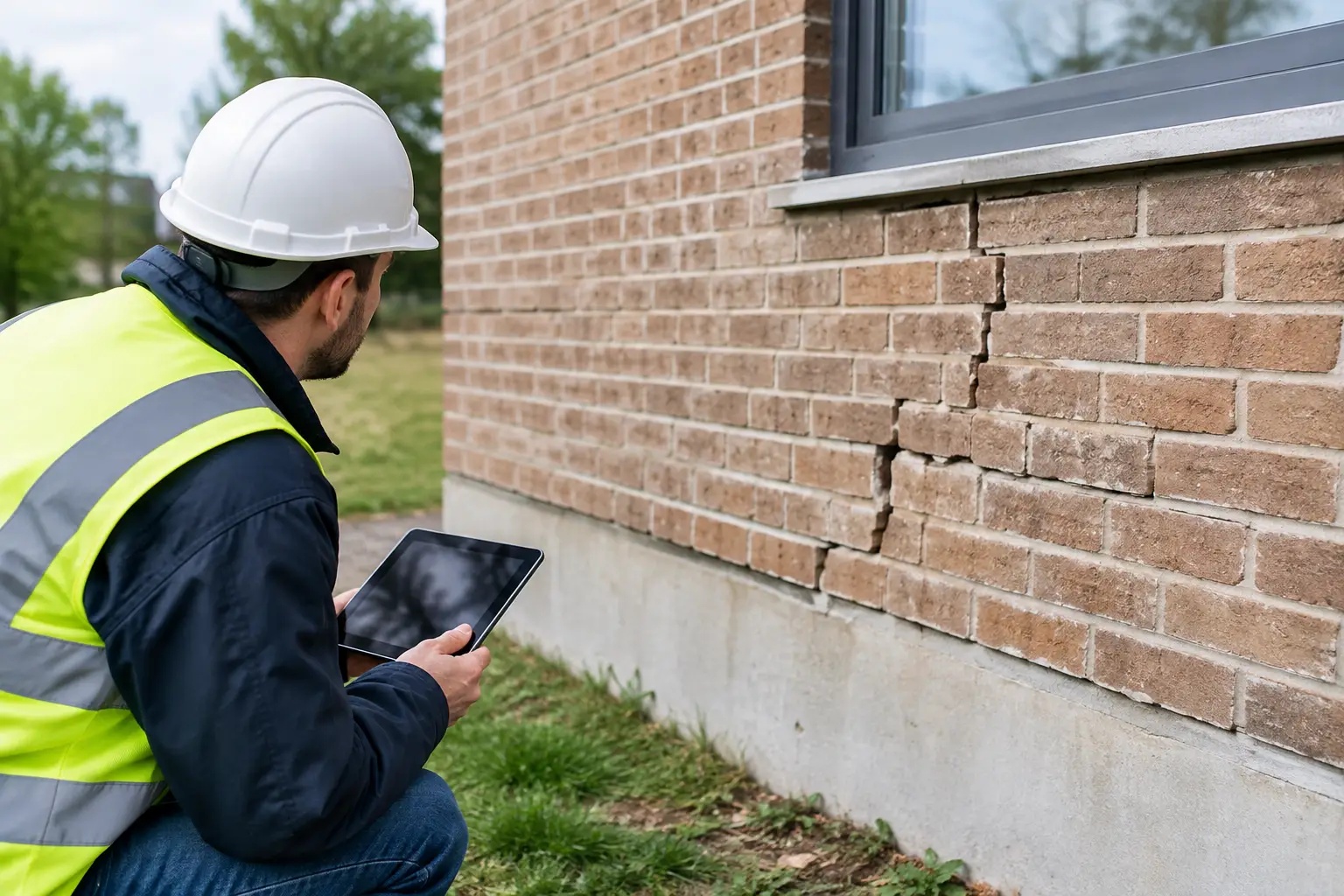
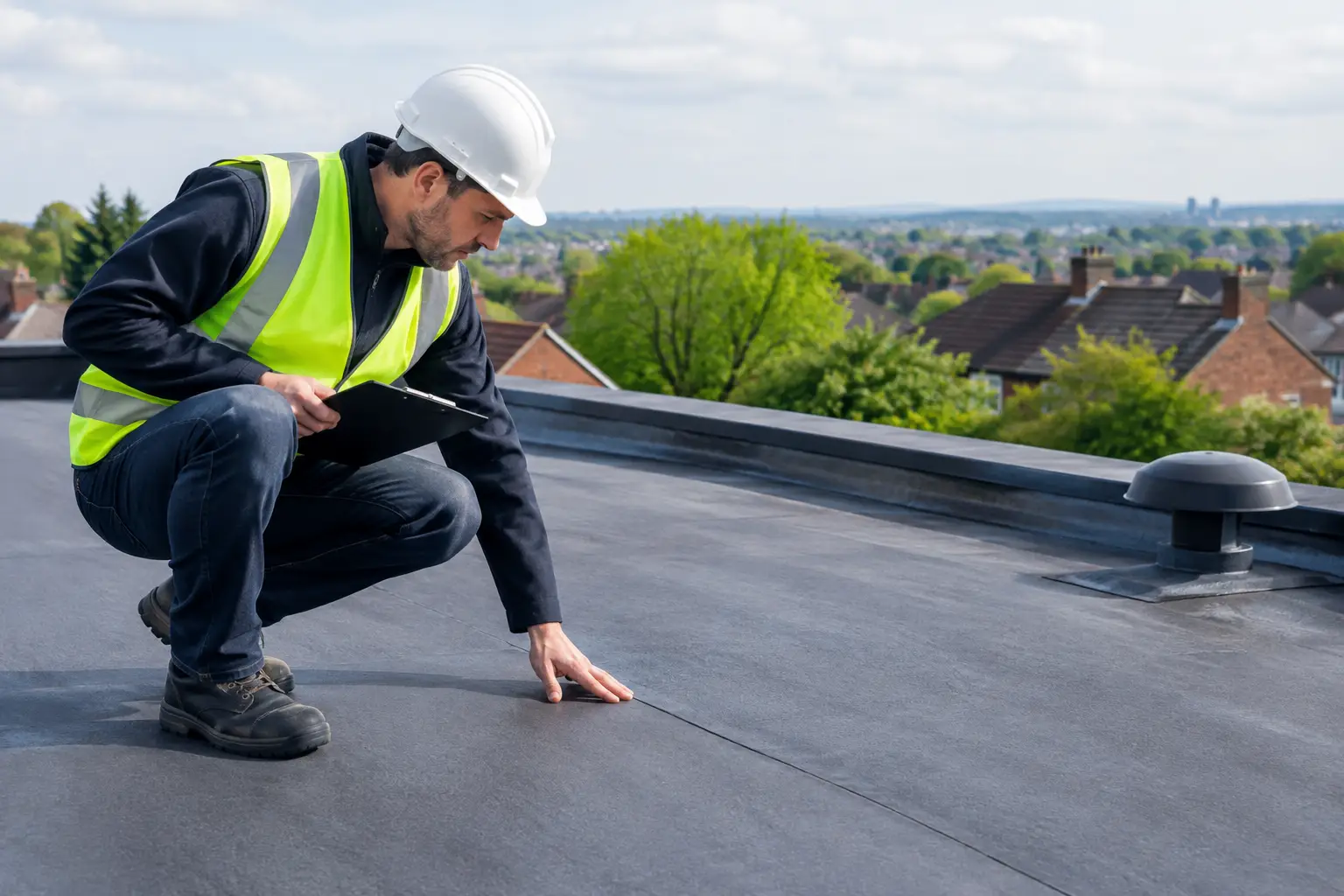
An experienced surveyor looks beyond presentation. They may identify uneven roof coverings, defective flashings, poor seals around windows and doors, inadequate falls to drainage, gaps in insulation, poorly installed ventilation components or signs that a defect has been covered rather than properly rectified. Thermal imaging and moisture assessment can also help investigate concerns that would otherwise remain hidden.
This distinction matters. A developer may resolve obvious cosmetic snags quickly, but less visible defects can affect comfort, energy efficiency, durability and future maintenance costs. A detailed report gives you a clearer basis for requesting repairs, rather than relying on a brief walk-through and memory alone.
Is a snagging survey worth it before completion?
The strongest case for a snagging survey is before legal completion, if the developer allows access. At this stage, you have more leverage. The property has not yet become your home, and the developer has a clear opportunity to address outstanding work before handover.
However, access before completion is not always granted. Many buyers are only permitted to arrange an inspection once they own the property. That does not make the survey less worthwhile. It simply makes timing more important. Arrange it as soon as possible after completion, preferably before moving furniture in, decorating or making alterations that could complicate the discussion about responsibility.
A snagging survey is particularly valuable where the completion date has been moved several times, the final handover has felt rushed, or there are visible concerns during viewings. It can also be sensible on a property from a respected national developer. Build quality can vary between sites, contractors and individual plots, regardless of the developer’s wider reputation.
The cost versus the potential benefit
The fee for a snagging survey is modest when compared with the purchase price of a new home and the cost of correcting defects after a warranty period has passed. One issue with water ingress, roof detailing, drainage or poorly fitted external doors can cost far more to investigate and repair than the inspection itself.
That said, a snagging survey is not an automatic financial saving in every case. Some homes will have only minor items, and some developers will identify and resolve problems through their own customer-care process. The benefit is certainty. You receive an independent record from a qualified professional, rather than depending entirely on the builder’s internal checks.
For buyers using Help to Buy-style affordability calculations, stretching to meet mortgage payments or furnishing a first home, that certainty can be especially valuable. Unexpected repair bills are not merely inconvenient. They can disrupt carefully planned finances in the first years of ownership.
When a survey may be less essential
There are circumstances where a full snagging survey may be less urgent. If you have bought a small, straightforward property, have extensive construction experience and can inspect the home thoroughly yourself, you may choose to deal with minor items directly through the developer. Equally, if the property has already undergone a credible independent inspection and all reported issues have been confirmed as rectified, a repeat inspection may offer limited additional value.
Even then, be realistic about what can be assessed without specialist knowledge. A home can look excellent under showroom lighting while having defects in roof spaces, external drainage, ventilation routes, insulation continuity or inaccessible areas. A professional inspection is not just a longer version of your own viewing.
What to expect from a professional report
A useful snagging report should be specific, clearly structured and supported by photographs where appropriate. It should identify the location of each issue, explain the defect in straightforward language and indicate why remedial work is needed. This helps prevent a valid concern being dismissed as a matter of personal preference.
The report should also distinguish between defects that are cosmetic, functional and potentially more serious. A slightly uneven paint finish does not carry the same urgency as a loose balustrade, poorly sealed roof penetration or inadequate mechanical ventilation. Prioritisation helps you focus on the matters that require prompt action while still ensuring the full schedule is addressed.
At HICH, inspections are carried out with the practical perspective of qualified building engineers and surveyors. The aim is not to overwhelm buyers with technical language or create unnecessary disputes. It is to identify real defects accurately, explain their likely implications and provide evidence that supports a constructive conversation with the developer.
How to use a snagging report effectively
Send the report to the developer promptly and ask for a written programme of remedial works. Keep communication factual and organised. Refer to the report item numbers, request proposed completion dates and retain photographs of the property before and after repairs.
Do not feel pressured to sign off repairs simply because workmen have attended. Check that the issue has been properly rectified, rather than temporarily concealed. If an item concerns workmanship in a technically sensitive area, such as roofing, drainage, insulation or fire safety measures, it may be sensible to request confirmation of how the repair was completed.
You should also retain the report for your records. It can help if problems reappear during the developer’s defect liability period or if questions arise under the new-build warranty. A dated, independent record is far more useful than a list of issues saved on a phone.
A snagging survey is not a warranty replacement
A snagging survey complements a new-build warranty; it does not replace one. Warranties are generally intended to provide protection against certain structural defects over a defined period, subject to their terms, exclusions and claim process. They are not a substitute for identifying poor finishes, incomplete works or early-stage defects at handover.
Likewise, a snagging inspection cannot guarantee that a property will never develop problems. Buildings settle, materials move and faults can emerge over time. What it does provide is a detailed snapshot of condition at a critical moment, when responsibility for many defects should still sit with the developer.
The best time to raise a defect is when the evidence is fresh, access is available and the party responsible is clear. If you are collecting the keys to a new-build home, an independent snagging survey gives you the confidence to start ownership with a proper record of what has been delivered – and what still needs to be put right.