

Level Two Versus Three Surveys for Buyers
A lender may be prepared to lend on a property, but that does not mean the building is free from expensive defects. The decision between level two versus three surveys is about how much independent evidence you need before committing to a purchase, negotiating a price, or planning repairs.
For many buyers, a Level 2 survey is the right balance of cost and reassurance. For older, altered or visibly defective homes, a Level 3 survey can reveal the context behind problems that a shorter report may only flag. The right choice depends on the property itself, not simply its asking price.
What is a Level 2 survey?
A Level 2 survey is a visual inspection designed for conventional properties that appear to be in reasonable condition. It is commonly suitable for relatively modern homes of standard construction, where there are no obvious signs of significant disrepair, extensive alteration or unusual materials.
The surveyor inspects accessible parts of the property without causing damage or moving fixed finishes, furniture, floor coverings or stored belongings. The report identifies defects, gives condition ratings and explains matters needing attention. It should help a buyer distinguish between routine maintenance, repairs that should be budgeted for, and issues requiring further investigation.
A Level 2 report is often a sensible choice for a well-maintained house or flat built in recent decades. It can identify concerns such as defective roof coverings, damp indicators, inadequate ventilation, cracking, timber decay, drainage concerns and unsafe elements where these are visible during the inspection.
Its limitation is scope. A Level 2 survey is not intended to provide the same depth of analysis as a Level 3 report. If the property has a complex history or signs of more serious defects, the report may recommend specialist inspection rather than fully investigating the cause.
What is a Level 3 survey?
A Level 3 survey is the most detailed standard pre-purchase survey. It is generally appropriate for older buildings, properties in poor condition, homes that have been extended or converted, and buildings of non-standard or traditional construction.
It includes a thorough visual inspection of accessible areas and provides more detailed commentary on the building’s construction, defects, likely causes, consequences of inaction and repair priorities. A good Level 3 report should go beyond saying that an issue exists. It should explain why it matters to the building and what type of repair or further investigation is likely to be required.
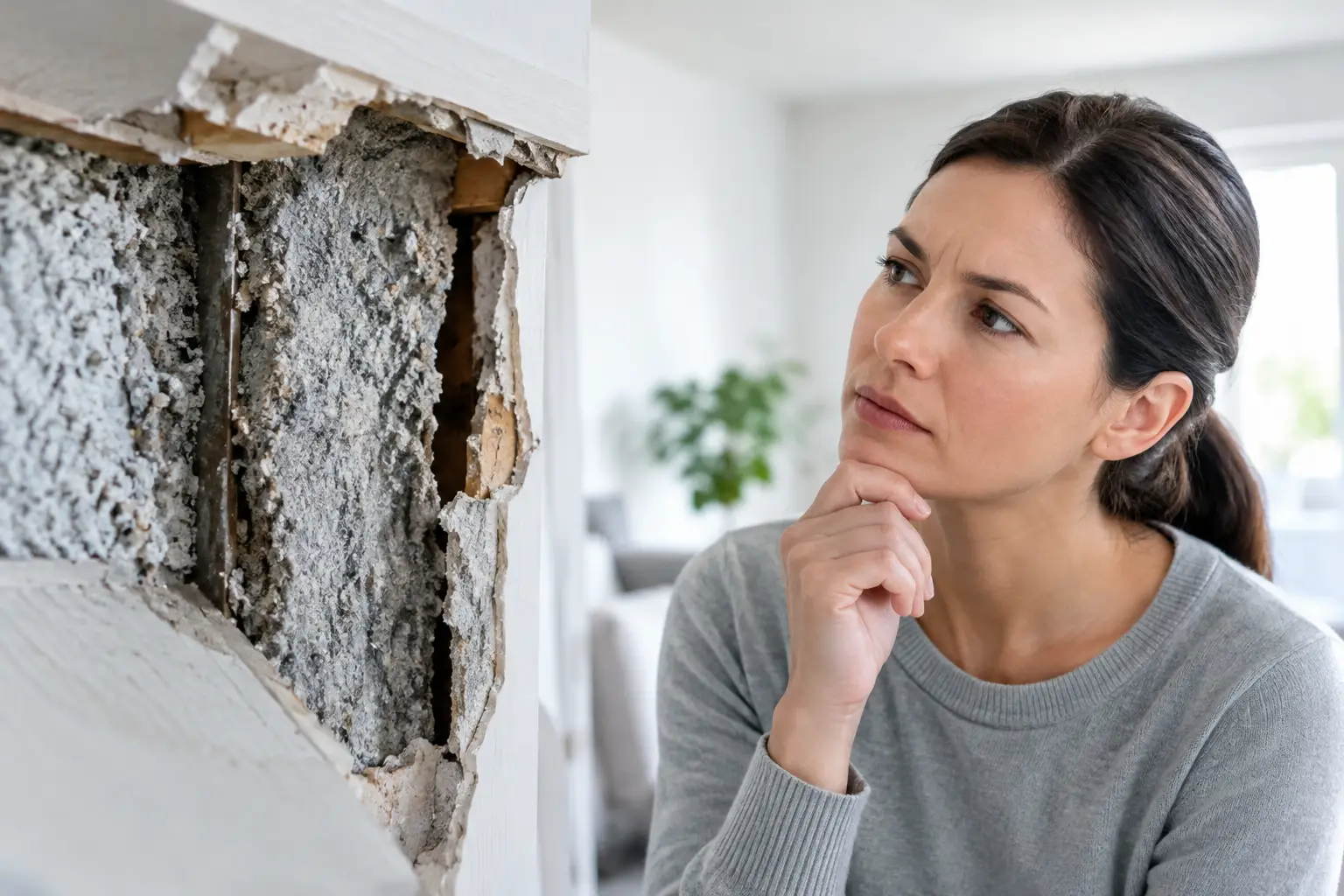
This makes a Level 3 survey particularly valuable where a buyer has noticed cracking, staining, roof sagging, uneven floors, altered chimney breasts, damp walls or poor-quality refurbishment work. These signs do not always mean the worst, but they deserve a more considered assessment before contracts are exchanged.
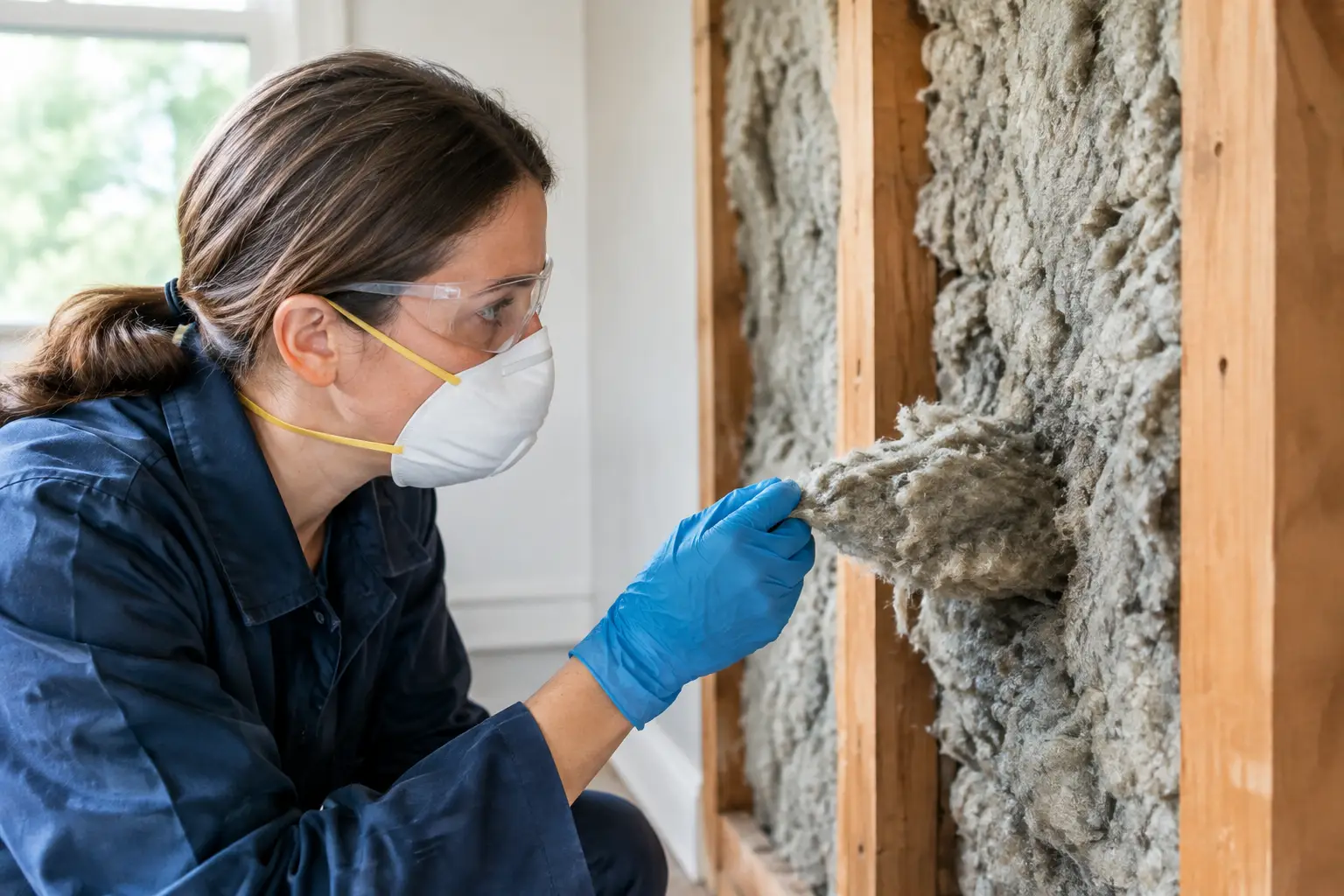
A Level 3 survey is still primarily a non-invasive inspection. Surveyors do not normally lift floors, open up walls, remove fitted units or carry out laboratory testing unless this is separately agreed. Where concealed defects are suspected, the report may advise targeted investigations such as a roof survey, drainage inspection, damp assessment, electrical testing or structural engineer’s review.
Level two versus three surveys: the practical differences
The central difference is not whether one survey is “good” and the other is “better”. It is whether the inspection and report are proportionate to the risk presented by the property.
A Level 2 survey provides a clear overview of visible condition and is usually more concise. It works well when the building is conventional, relatively straightforward and gives no reason to expect substantial hidden problems. A Level 3 survey takes a closer look at construction and deterioration, with fuller advice on defects and repairs.
The decision is often influenced by four areas:
- Age and construction: Victorian, Edwardian, listed and period properties often benefit from a Level 3 survey, particularly where solid walls, suspended timber floors, slate roofs or historic alterations are present.
- Condition and visible defects: Cracks, damp patches, roof defects, movement, decayed joinery and neglected maintenance point towards a Level 3 survey.
- Alterations: Loft conversions, extensions, wall removals, garage conversions and major refurbishments can affect structure, ventilation, insulation and compliance. More detailed scrutiny is usually worthwhile.
- Your plans for the property: If you intend to renovate, extend or change the layout soon after purchase, a Level 3 survey can provide a stronger starting point for budgeting and project planning.
A modern three-bedroom house in apparently sound condition may only need a Level 2 survey. A recently refurbished period terrace may need Level 3 scrutiny even if it looks attractive at viewing. Fresh paint and new kitchen units can improve presentation, but they do not confirm the condition of a roof structure, sub-floor ventilation or original masonry.
Do not confuse a mortgage valuation with a survey
A mortgage valuation is carried out for the lender’s benefit. Its purpose is to help the lender decide whether the property offers adequate security for the loan. It is not a detailed condition inspection and should never be relied upon as a substitute for a pre-purchase survey.
Even where a valuation mentions visible concerns, it may not investigate them or estimate the full repair implications. Buyers should arrange their own survey to understand the property they are taking on.
Some Level 2 services can include a valuation, depending on the surveyor and instruction. This can be useful where a buyer wants both a condition report and an independent opinion on value. However, a valuation does not increase the level of defect analysis. If the property requires a Level 3 survey, adding a valuation to a Level 2 report does not solve the underlying issue of inspection depth.
How survey findings can affect your purchase
The value of a survey is not limited to discovering a reason to walk away. Many properties have defects, particularly older homes, and a report gives you a practical basis for deciding what is manageable.
For example, a survey may identify ageing roof coverings with a limited remaining life, poor rainwater disposal contributing to dampness, or cracks that appear historic rather than progressive. With clear advice, you can seek repair quotations, revise your budget, ask the seller relevant questions or negotiate where the evidence supports it.
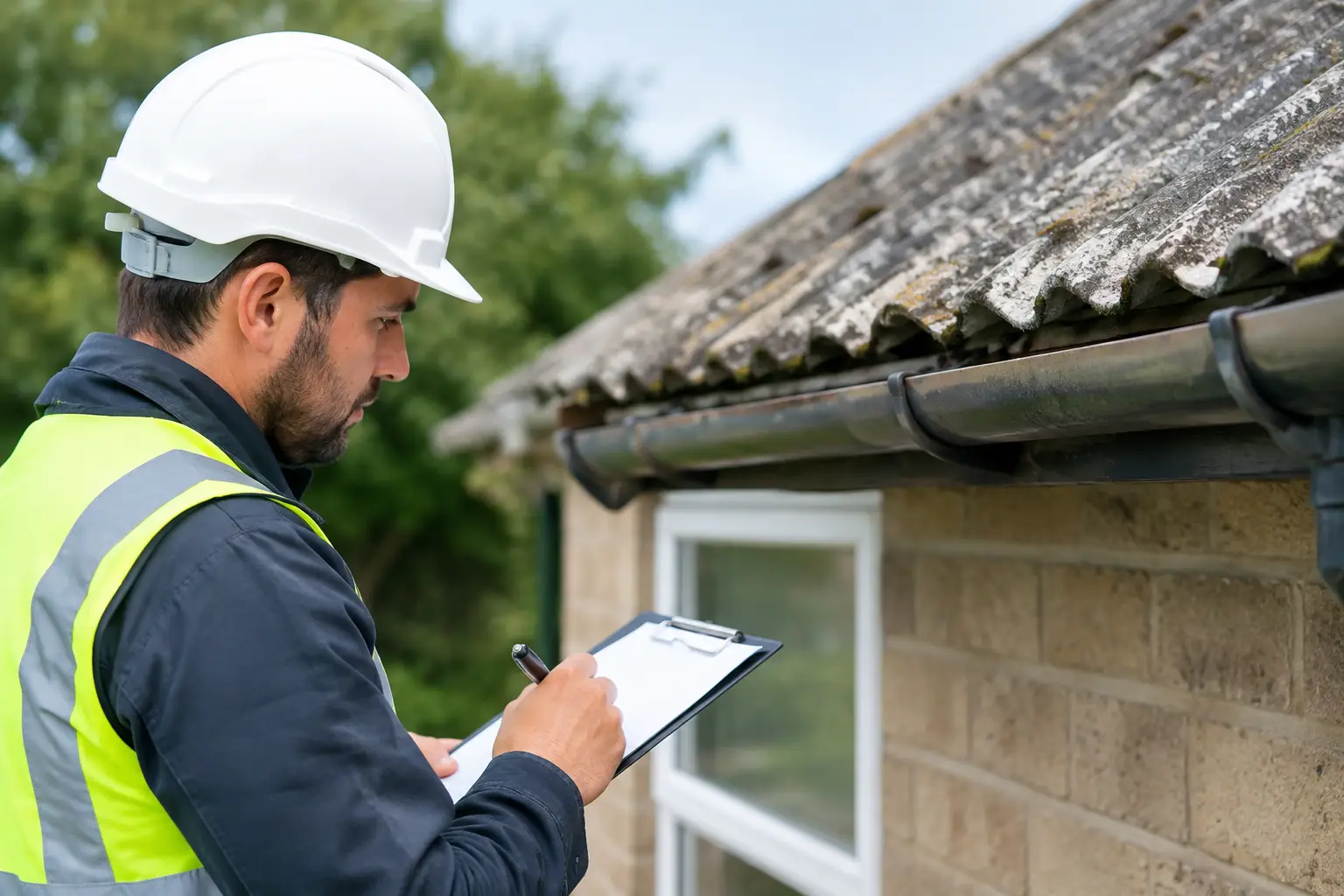
More serious findings may require fast action. Evidence of movement, extensive wet rot, unsafe roof access, widespread damp, defective flat roof coverings or possible asbestos-containing materials can change the financial risk of a purchase. In these cases, the surveyor may recommend a specialist inspection before you proceed. Acting on that advice before exchange is far less costly than discovering the full extent of a defect after completion.
Choosing the right level before you book
Start with the building’s age, type and apparent condition. Estate agent particulars are rarely enough on their own, so review photographs carefully and think about what you saw at the viewing. Ask whether the property has been extended, whether there are signs of water ingress, and whether recent renovation could be concealing older issues.
Choose a Level 2 survey where the property is conventional, maintained and low-risk. Choose a Level 3 survey where the building is older, altered, unusual, visibly defective or likely to need substantial work. If you are uncertain, providing basic property details to a qualified surveyor before booking can prevent paying for a report that is too limited for the risks involved.
Price should be considered, but it should not be the deciding factor. The additional cost of a Level 3 survey can be modest when set against an unplanned roof replacement, structural repair or major damp remediation. Equally, paying for a more extensive survey on a straightforward, well-kept modern home may not deliver meaningful extra value.
HICH LTD provides property inspections focused on clear defect analysis, repair awareness and practical next steps, helping buyers make decisions with a realistic view of condition and potential cost.
Before you commit to a property, choose the survey that matches the building rather than the brochure. Clear evidence early in the transaction gives you the best chance to negotiate fairly, plan confidently and proceed with your eyes open.