

Pre Sale Survey Benefits for UK Property Sellers
A buyer has agreed a price, the estate agent is optimistic, and the sale appears to be moving forward. Then the buyer’s survey identifies movement, roof deterioration or damp. The buyer asks for a reduction, delays exchange or walks away altogether. This is where pre sale survey benefits become clear: knowing the condition of your property before it is examined on a buyer’s behalf gives you more control over the sale.
A pre-sale survey is an independent inspection arranged by the seller before marketing the property or accepting an offer. It is not about making a property appear perfect. It is about understanding its actual condition, addressing priority issues where appropriate, and being ready to deal with questions using evidence rather than assumptions.
What a pre-sale survey can reveal
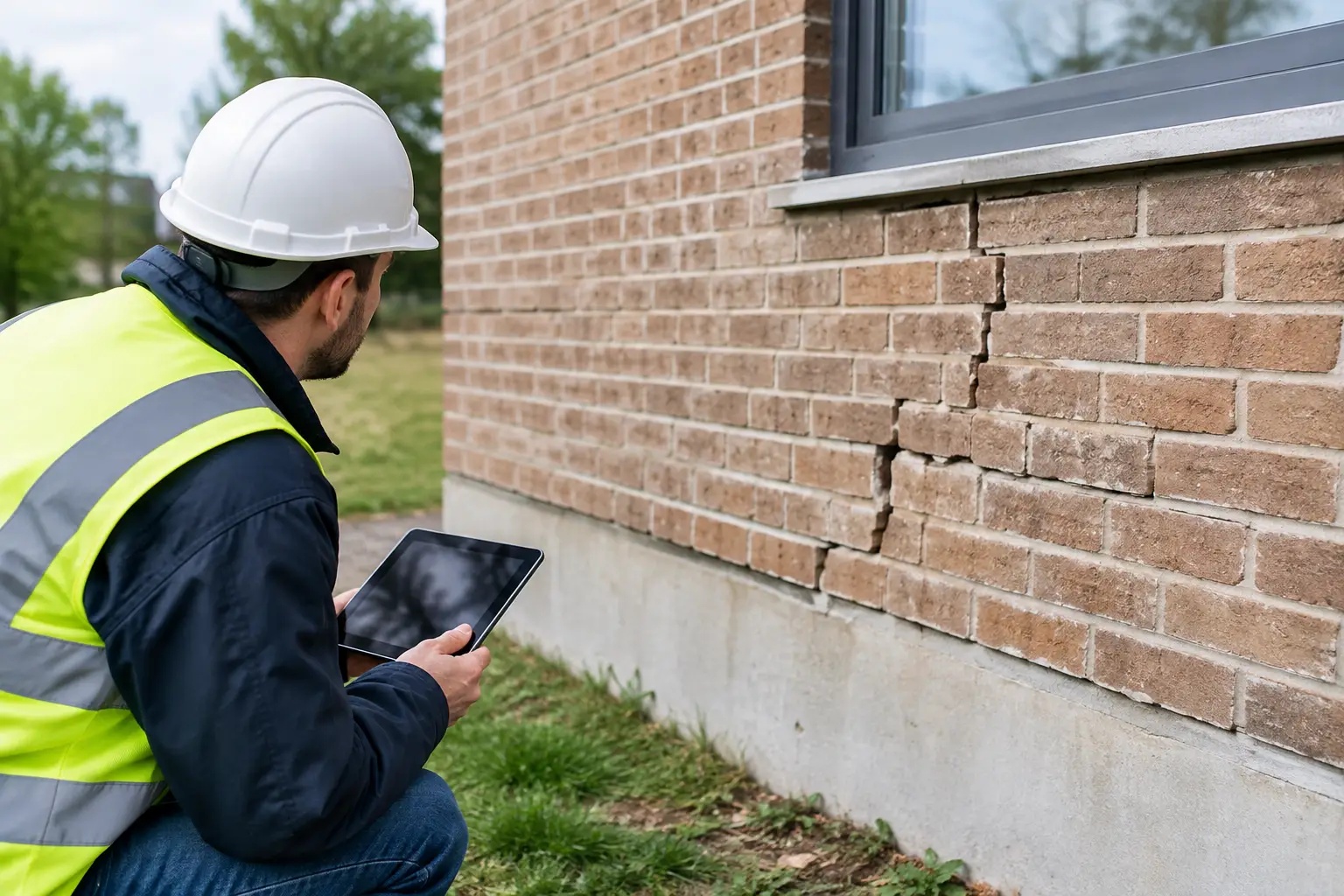
Older homes, altered properties and buildings that have not been inspected for several years can contain defects that are easy to miss in day-to-day occupation. A professional inspection may identify cracking and signs of movement, dampness, timber decay, roof defects, rainwater drainage problems, inadequate ventilation, insulation concerns or defects to external walls.
The level of inspection should reflect the property and the reason for the survey. A structural building survey can provide a broad assessment of condition and visible defects. A roof survey may be more appropriate where the roof is ageing, leaking or difficult to inspect from ground level. Thermographic inspection can help investigate heat loss, moisture patterns and insulation gaps, while asbestos surveys are relevant where materials may be disturbed during planned works.
The key distinction is between a visible cosmetic issue and a defect with a wider cause. A stain on a ceiling, for example, may be historic, but it may also indicate an active roof leak, defective flashing or failed guttering. A qualified surveyor can assess the evidence, explain likely causes and set out proportionate next steps.
Pre sale survey benefits that protect your position
The strongest reason to arrange a survey before selling is not simply to avoid surprises. It is to make informed decisions while you still have time and choice.
Reduce last-minute price negotiations
Most sellers expect a buyer to commission a survey. If significant defects first emerge after the offer has been accepted, the buyer holds new information at a sensitive point in the transaction. Even a reasonable request for a price reduction can feel difficult to challenge when there is no prior evidence about the issue.
A pre-sale report allows you to obtain repair estimates, decide whether work is worthwhile, and factor the condition into the asking price or negotiation strategy. You may choose to complete a repair, offer supporting documentation, or sell with clear disclosure and a realistic price. Each approach can be valid. What matters is that the decision is yours, not a rushed reaction to a buyer’s report.
Prevent avoidable delays and failed sales
Property transactions often lose momentum when newly identified defects require specialist opinions, contractor quotations or further investigation. The buyer may need to reconsider their mortgage arrangements, particularly if the valuer raises concerns about condition. Chains can then be affected.
Identifying material issues early gives you the opportunity to investigate them before a purchaser is waiting for answers. This can be particularly valuable for properties with visible cracking, recurring water ingress, a flat roof nearing the end of its serviceable life, suspected asbestos-containing materials or extensive alterations.
A survey cannot guarantee that a buyer will not seek their own inspection or raise questions. It can, however, reduce the risk of being caught unprepared when those questions arise.
Make repairs more targeted
Sellers sometimes spend money on presentation works without addressing the defects that are most likely to concern a surveyor. Fresh paint may improve first impressions, but it does not resolve damp caused by defective rainwater goods. Replacing a cracked tile may not solve a roof issue if the underlying felt, flashings or valley details have failed.
A condition-led report helps prioritise spending. It distinguishes matters needing urgent attention from routine maintenance and lower-risk observations. This is especially useful where budgets are limited. You can focus on repairs that protect the building, improve marketability or prevent a modest defect becoming a more expensive one.
Keep records of completed work, including invoices, guarantees and photographs where available. These documents can support conversations with prospective buyers and demonstrate that repairs have been completed properly rather than merely covered over.
Support realistic pricing and better disclosure
A property does not need to be defect-free to be saleable. Period homes commonly have aged roofs, traditional construction details, uneven floors or historic movement. Buyers can accept these features when they understand what they are buying and the price reflects the condition.
A pre-sale survey gives sellers a clearer basis for pricing. Where repair work is not practical or commercially sensible, it can help you disclose the issue accurately and avoid presenting an unrealistic picture of the property. Clear disclosure is generally preferable to allowing a buyer to discover a known issue late in the process.
For landlords, investors and developers, this can also support a more disciplined exit strategy. The report can identify condition risks that affect refurbishment budgets, lending discussions or the likely buyer pool.
When is a pre-sale survey most worthwhile?
Not every sale requires the same level of inspection. A recently built home with a current warranty and no signs of defects may need little more than careful maintenance records and a review of any outstanding snagging issues. By contrast, a detailed inspection is often a sensible investment where the property is older, non-standard, extended, converted or has a history of repairs.
Consider arranging a pre-sale survey if you have noticed recurring leaks, internal cracking, damp patches, sticking doors or windows, roof concerns, drainage problems, or unexplained cold areas. It is also sensible where a previous buyer withdrew after a survey, where insurance claims have been made, or where you are aware of alterations without clear supporting information.
Timing matters. Booking the inspection before the property goes on the market gives the greatest flexibility. You can schedule works without the pressure of an agreed completion date and provide accurate information from the first viewing onwards.
Should you repair defects before selling?
There is no single answer. The right approach depends on the defect, its urgency, the likely repair cost, the property type and the expected sale price.
Safety-related issues, active water ingress and defects that could worsen quickly are usually worth addressing promptly. Straightforward maintenance work, such as clearing defective gutters or repairing slipped roof tiles, may prevent larger concerns being raised later. More substantial work, including structural repairs or full roof replacement, requires a commercial judgement based on reliable diagnosis and quotations.
In some cases, completing major work before sale is sensible because it removes uncertainty and broadens buyer confidence. In others, selling with full disclosure may be more appropriate, particularly if a buyer is likely to refurbish or extend the property. The important point is to avoid guessing at the cause or cost of a defect. A specialist inspection can establish the facts before money is committed.
Choose evidence, not reassurance
An estate agent’s view of a property’s condition is not a technical assessment, and a contractor’s quotation is not always a diagnosis. A qualified building surveyor or engineer can provide an independent opinion on visible defects, likely causes, repair priorities and areas requiring further investigation.
For sellers, the report should be practical. It should explain what has been found in plain language, indicate the seriousness of the issue and help you decide what to do next. Where specialist input is necessary, such as drainage investigation, electrical testing or intrusive asbestos sampling, the report should make that clear rather than overstate certainty.
HICH LTD provides specialist property inspections designed to identify defects clearly and support practical repair decisions. Fixed-fee pricing and reports prepared by qualified building professionals can help sellers obtain the evidence they need without unnecessary delay.
A pre-sale survey does not remove every question a buyer may ask, and it should never be used to conceal defects. Its value lies in giving you time, evidence and a realistic plan. Before the first viewing, you can decide whether to repair, disclose, price accordingly or obtain further advice – with the property’s condition properly understood.