
Thermal Imaging for Smarter Property Decisions
A cold patch beside a window, a stain that returns after every spell of rain, or a room that never seems to warm up can all point to a defect hidden behind the finish. Thermal imaging gives property owners and buyers a practical way to investigate these concerns before they become more disruptive or expensive.
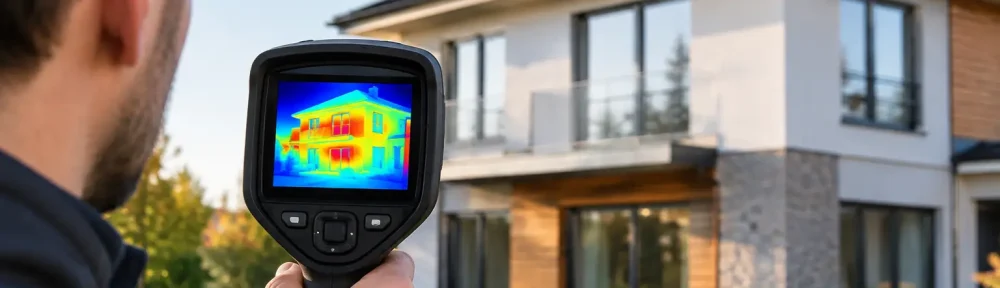
Rather than relying on visible symptoms alone, a thermographic inspection uses an infrared camera to show differences in surface temperature across walls, ceilings, floors, roofs and building elements. These temperature patterns can help a qualified surveyor identify areas requiring closer investigation, from missing insulation and uncontrolled air leakage to moisture-related cooling and electrical overheating.
For a buyer assessing an unfamiliar property, a landlord planning maintenance, or a homeowner trying to understand persistent condensation, the value lies in clearer evidence. It supports better questions, more targeted repairs and decisions based on the condition of the building rather than assumption.
What thermal imaging shows in a property
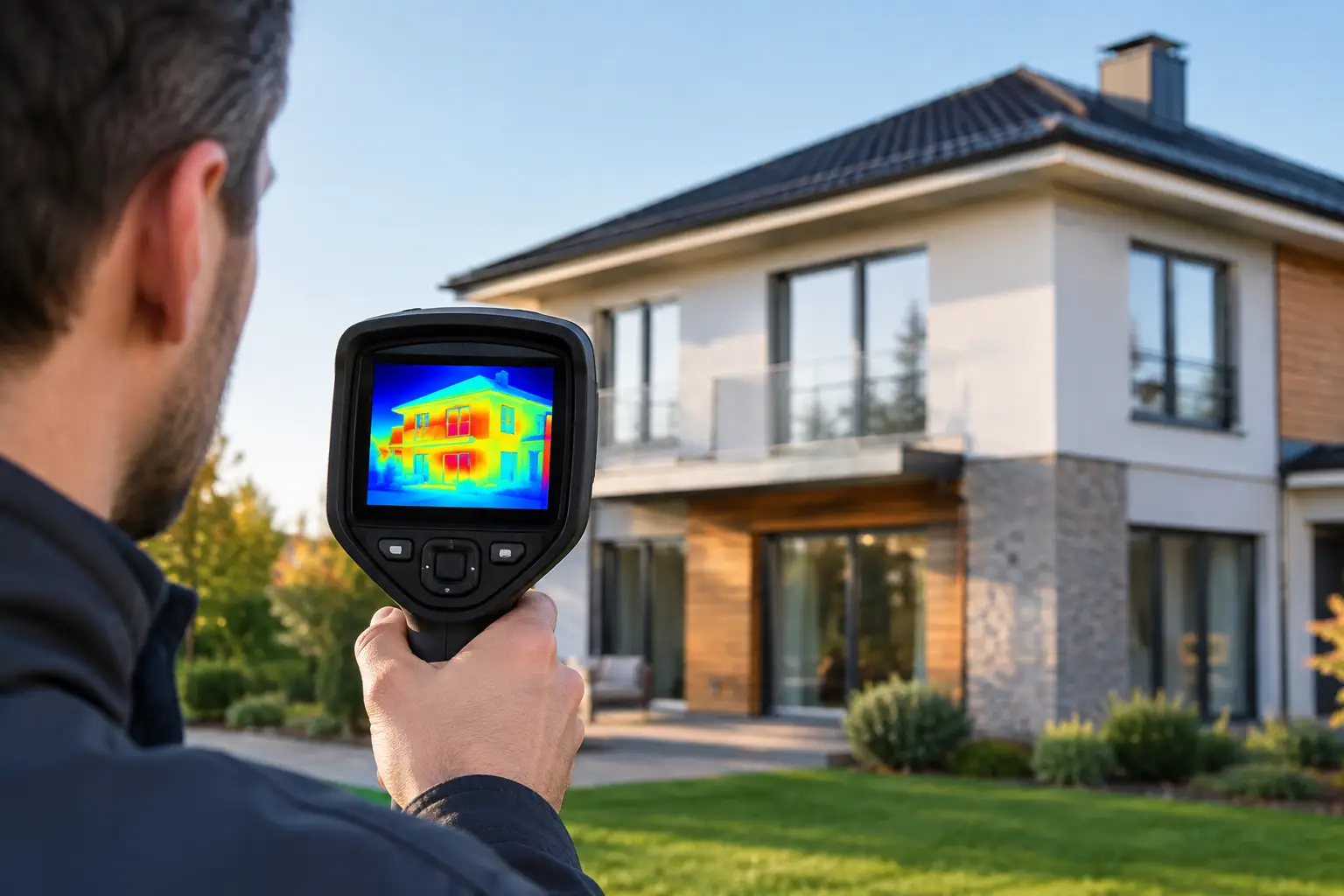
An infrared camera does not see through walls or directly detect water. It records the infrared energy emitted from a surface and presents temperature differences as a colour image. Warmer and cooler areas may be displayed in contrasting colours, allowing patterns that are not obvious to the naked eye to be recorded and assessed.
In the right conditions, these patterns can reveal a surprising amount about how a building performs. A cold line at a wall-to-ceiling junction may indicate a thermal bridge. A cooler area beneath a roof covering may warrant investigation for moisture ingress. An irregular pattern across an external wall can suggest insulation voids, inconsistent construction or air movement through gaps around services.
The image itself is not a diagnosis. Its real value comes from interpretation by an experienced building professional who understands construction methods, moisture behaviour, ventilation and the limitations of the equipment. A thermal anomaly is a starting point for evidence-led investigation, not a reason to make an immediate assumption about the cause.
When thermal imaging is most useful
Thermographic surveys are particularly effective when there is a defined concern or a need to assess building performance. They can be commissioned as a focused inspection or used alongside a wider building or roof survey where the visible evidence needs further investigation.
For pre-purchase clients, thermal imaging can provide an additional layer of scrutiny where a property has signs of dampness, poor insulation, previous alterations or recurring defects. Older homes, converted buildings and properties with mixed construction often benefit from this approach because their thermal performance can vary substantially between rooms and elements.
For existing owners, it is useful when heating costs appear high, certain rooms are difficult to heat, condensation is occurring, or damp patches reappear without an obvious source. It can also assist during refurbishment planning by highlighting areas where insulation improvements, draught reduction or repairs should be prioritised.
Developers and contractors may use it to assess workmanship concerns, investigate possible insulation discontinuity, or provide evidence in relation to defects and disputes. In these cases, timing matters. A survey undertaken while a defect is active, or before finishes conceal the relevant construction, can be more informative than one arranged after remedial work has already begun.
Common defects a thermographic survey can help investigate
A properly planned inspection can help identify patterns associated with several building issues. Heat loss around windows, doors, loft hatches and service penetrations is common, particularly where seals, insulation or installation details are poor. These defects may contribute to cold draughts, occupant discomfort and higher energy use.
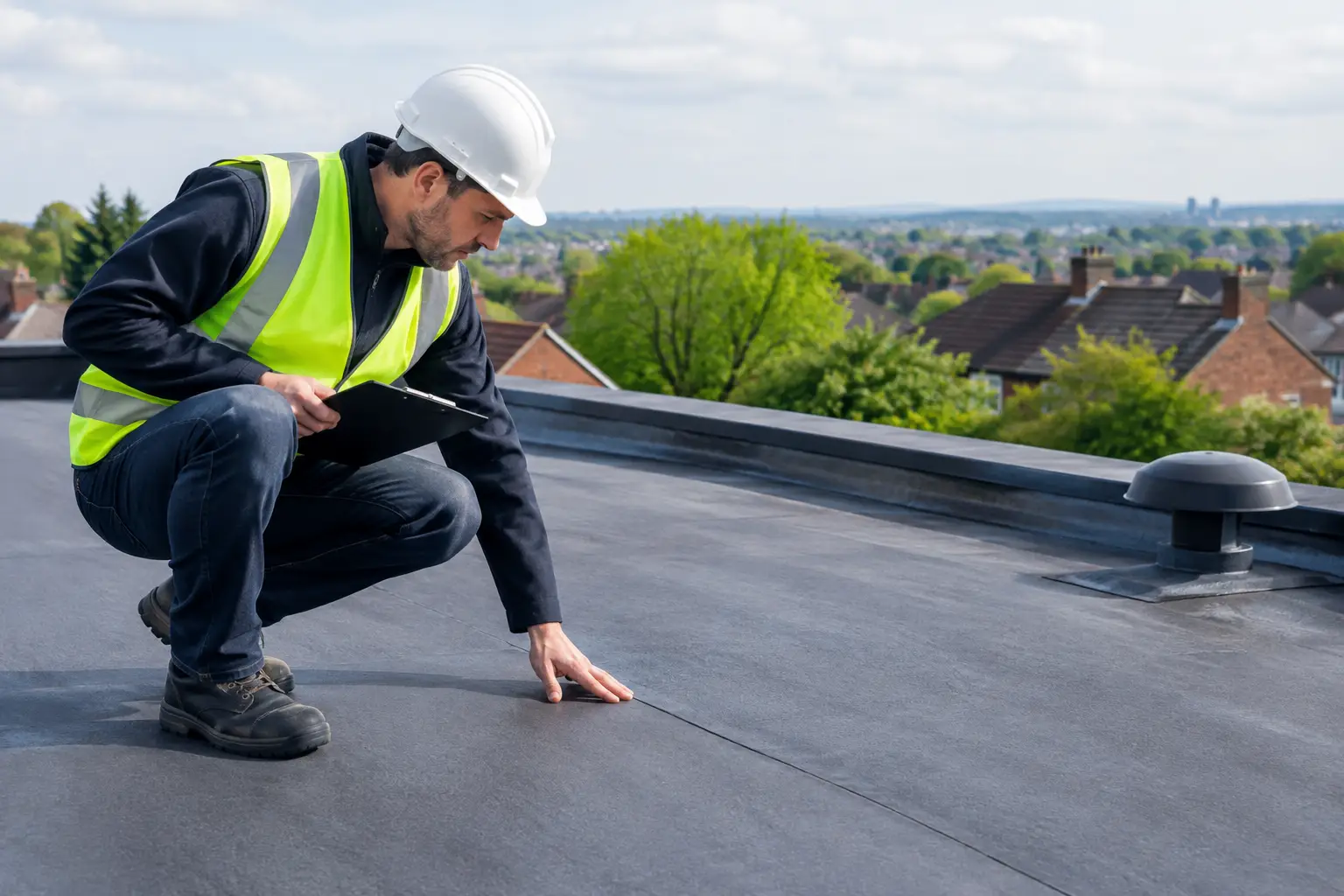
Thermal imaging can also support investigations into roof leaks and moisture ingress. Wet materials often respond differently to changing temperature than dry materials, which can create a pattern visible to the camera. However, moisture must usually be verified using moisture meters, visual inspection, roof access or other suitable tests. A cold area may be caused by air leakage, shading or thermal bridging rather than water.
In cavity walls, suspended timber floors and roof spaces, the method can indicate possible insulation gaps or areas of reduced performance. It can also help locate concealed pipes in some circumstances and identify unusually warm electrical components. Electrical findings should always be assessed by a competent electrical professional, as overheating can present a safety risk.
Conditions matter more than most people expect
A useful thermal image depends on the building, the weather and the preparation. Surveys are often most effective when there is a meaningful temperature difference between inside and outside, usually during colder weather with the heating operating normally. Stable internal temperatures help the surveyor distinguish genuine building patterns from short-term changes caused by daily use.
Direct sunlight can heat external surfaces and distort findings. Rain, strong winds, recently operated showers, cooking appliances and furniture placed against external walls may also affect readings. For this reason, a professional surveyor will consider orientation, weather exposure, occupancy habits and the construction of the property before drawing conclusions.
This is one of the main trade-offs. Thermal imaging can quickly highlight areas that deserve attention, but it is not always suitable as a standalone inspection and it cannot guarantee that every hidden defect will be detected. A report should explain the survey conditions, the areas inspected, any limitations and the recommended next steps where findings need confirmation.
Thermal imaging and damp: useful, but not a shortcut
Damp is one of the most misunderstood property issues. A surface can appear cold because of missing insulation or thermal bridging, which may then encourage condensation. It can also be cold because moisture is present within the fabric. The distinction affects the repair strategy and the cost.
Treating condensation as a penetrating damp problem can lead to unnecessary work. Equally, improving ventilation without addressing a leaking roof, defective flashing or failed pointing may leave the underlying cause unresolved. Thermal imaging helps surveyors see the distribution of temperature changes, but diagnosis should combine this with moisture readings, defect inspection, building history and an understanding of how the property is used.
For homeowners, this approach can prevent money being spent on broad, speculative treatments. The aim is to identify the likely mechanism first, then specify repairs that address the cause rather than simply covering the visible symptom.
What to expect from a professional inspection
Before attending, the surveyor should establish the nature of the concern, the age and type of property, the rooms affected and whether heating has been in use. This allows the inspection to be planned around the conditions most likely to produce meaningful results.
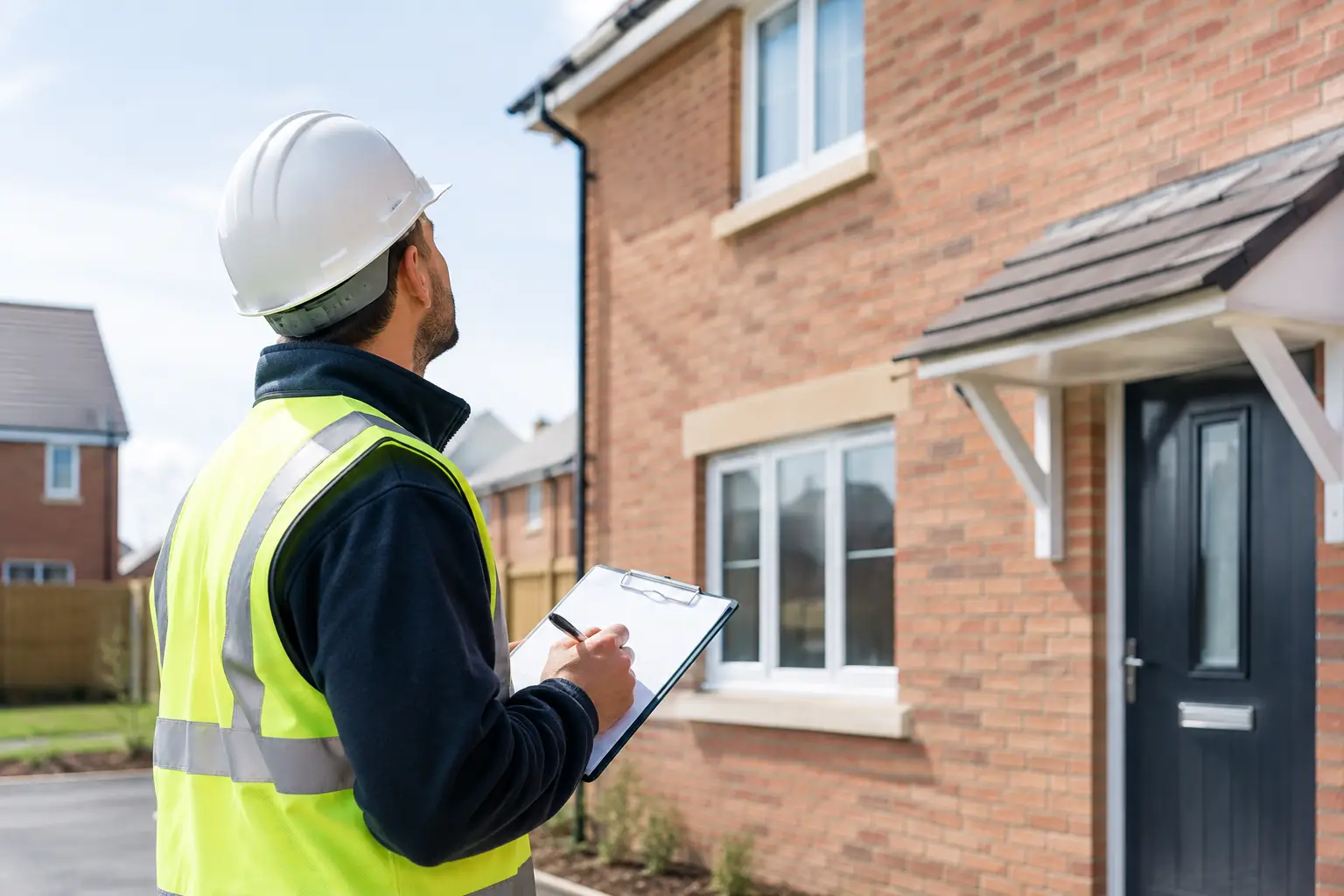
During the visit, the surveyor will inspect relevant internal and external areas, record thermal images and compare them with visible construction details. Where appropriate, they may use moisture testing or other non-destructive methods to support the assessment. Access restrictions, furnishings, external weather and inaccessible roof areas should be recorded because they can limit what can be concluded.
The report should translate technical findings into practical advice. That means identifying the location and likely significance of anomalies, explaining whether further investigation is required, and setting out sensible repair or maintenance priorities. For purchase decisions, this evidence can support negotiations or help a buyer budget for remedial work. For owners, it can provide a clearer scope for contractors and reduce the risk of misdirected repairs.
Choosing the right survey for the problem
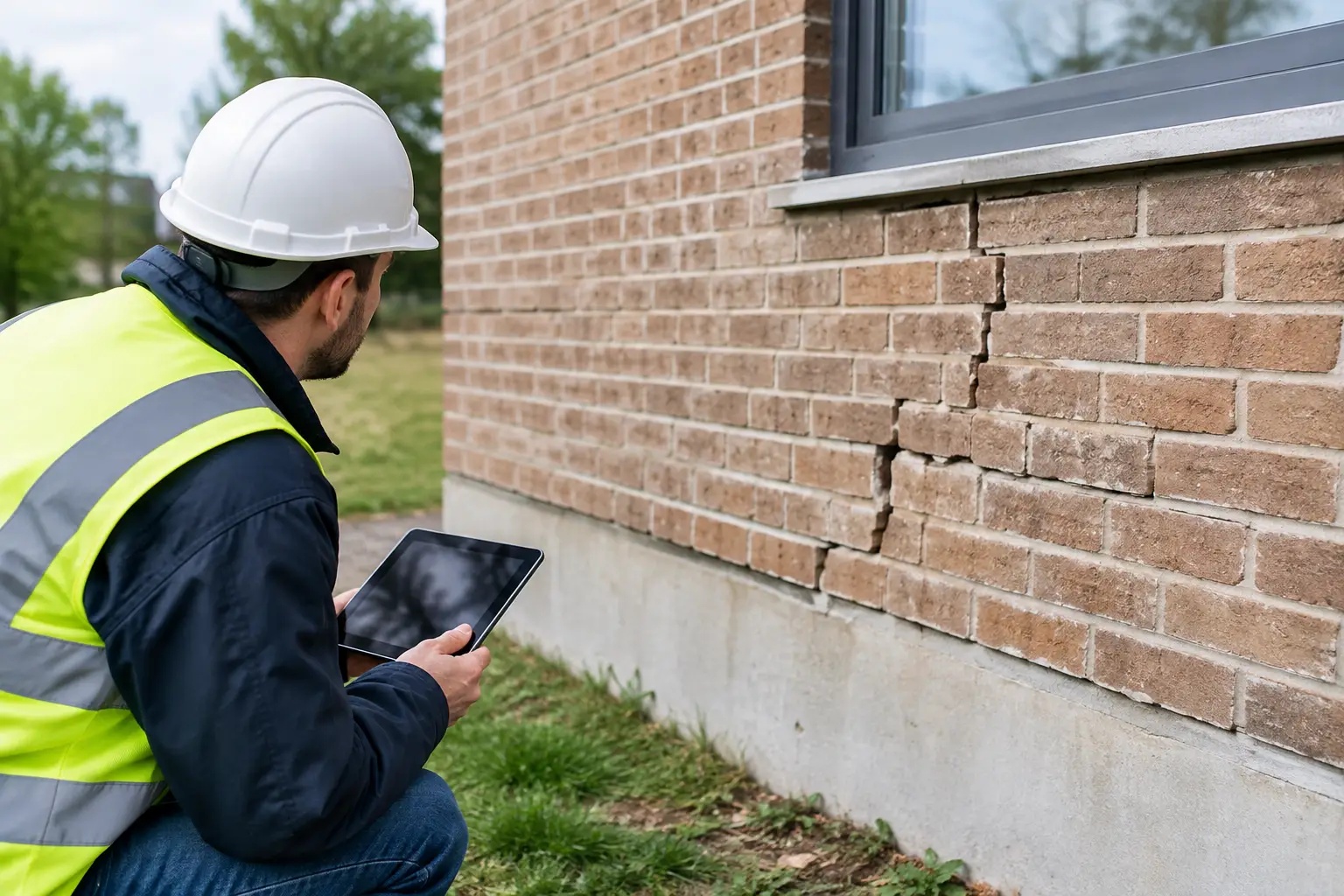
Thermal imaging is most valuable when it answers a defined question. If the main concern is widespread cracking, movement or structural alteration, a structural building survey may be the more appropriate starting point. If the issue is suspected roof leakage, a dedicated roof survey can provide closer assessment of coverings, flashings, gutters and drainage, with thermography used as supporting evidence where conditions allow.
For a property purchase, the strongest approach is often to combine thermal findings with a broader condition assessment. A cool patch is relevant, but its importance depends on the construction, the presence of visible damage, the extent of the defect and the likely repair implications. Professional judgement turns isolated readings into information that can be acted upon.
HICH LTD provides specialist inspection services designed to give clients that practical clarity, with reports focused on defects, likely causes and the repair considerations that matter when money and property decisions are involved.
A thermal image can expose a pattern that would otherwise remain unnoticed. Used carefully, and interpreted alongside a thorough survey, it gives you a stronger basis for deciding what needs attention now, what can be monitored, and where further investigation is genuinely worthwhile.