

Building Survey vs HomeBuyer Report
When you are already paying for searches, legal fees and a mortgage arrangement, it is tempting to see the survey as a box-ticking exercise. That is usually where expensive mistakes begin. The question of building survey vs homebuyer report matters because the right inspection can uncover defects that affect value, repair costs and even whether you should proceed at all.
For many buyers, both reports sound similar. They are not. One is a broader, more detailed investigation of the property’s condition, while the other is a more standard overview designed for homes that appear reasonably conventional. Choosing correctly depends on the age of the property, its construction, visible condition and your own appetite for risk.
Building survey vs homebuyer report – what is the difference?
A HomeBuyer Report is generally suited to properties that are modern, conventional in construction and in apparently fair condition. It is designed to highlight significant issues, urgent defects and matters that may affect value. It gives buyers a practical overview, but it does not go as far as a full structural building survey in terms of depth, explanation or defect analysis.
A building survey is the more detailed option. It is appropriate for older homes, larger properties, buildings that have been altered, homes of non-standard construction, or any property where condition is uncertain. It examines the structure and fabric more closely and usually provides more tailored commentary on causes of defects, likely implications, maintenance priorities and repair considerations.
That difference in depth is the key point. A HomeBuyer Report helps you spot obvious or significant risks before purchase. A building survey is more forensic and gives you a stronger basis for negotiation, budgeting and planning remedial works.
When a HomeBuyer Report is likely to be enough
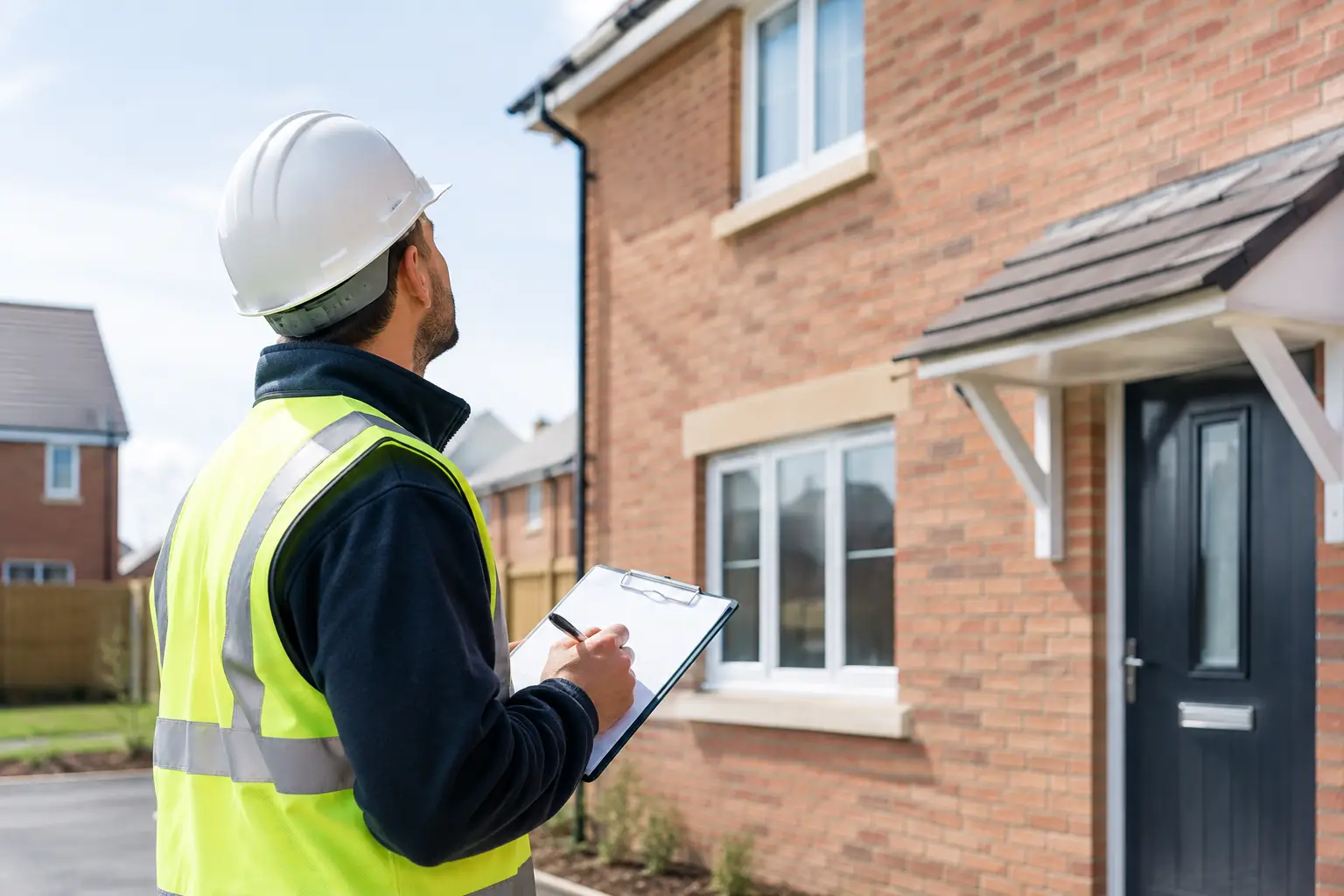
If you are buying a fairly typical house or flat built with standard materials, and there are no obvious signs of movement, damp, roof spread or poor alterations, a HomeBuyer Report may be proportionate. It is often chosen for newer estates, straightforward suburban houses and properties that have not been heavily extended or remodelled.
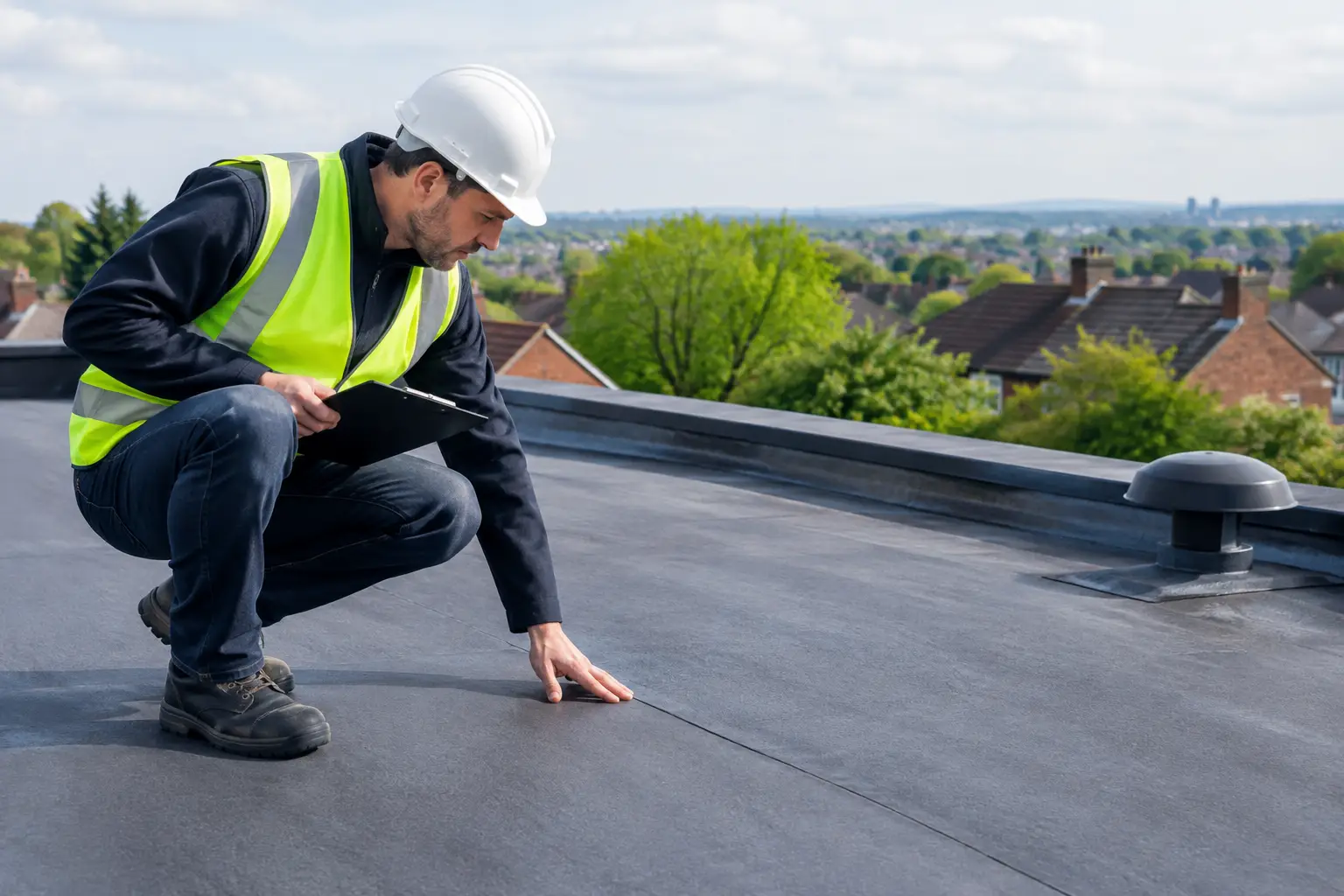
That does not mean it is basic. A competent report should still flag concerns such as dampness, timber defects, insulation shortfalls, roofing issues, cracks, drainage concerns and safety-related matters that need further investigation. It can also draw attention to repairs that may influence your offer or future maintenance budget.
The trade-off is that it is not intended to be an exhaustive diagnostic inspection. If the building has hidden complexity, long-standing deterioration or unusual construction, a HomeBuyer Report may only scratch the surface and recommend further specialist inspections.
When a building survey is the better choice
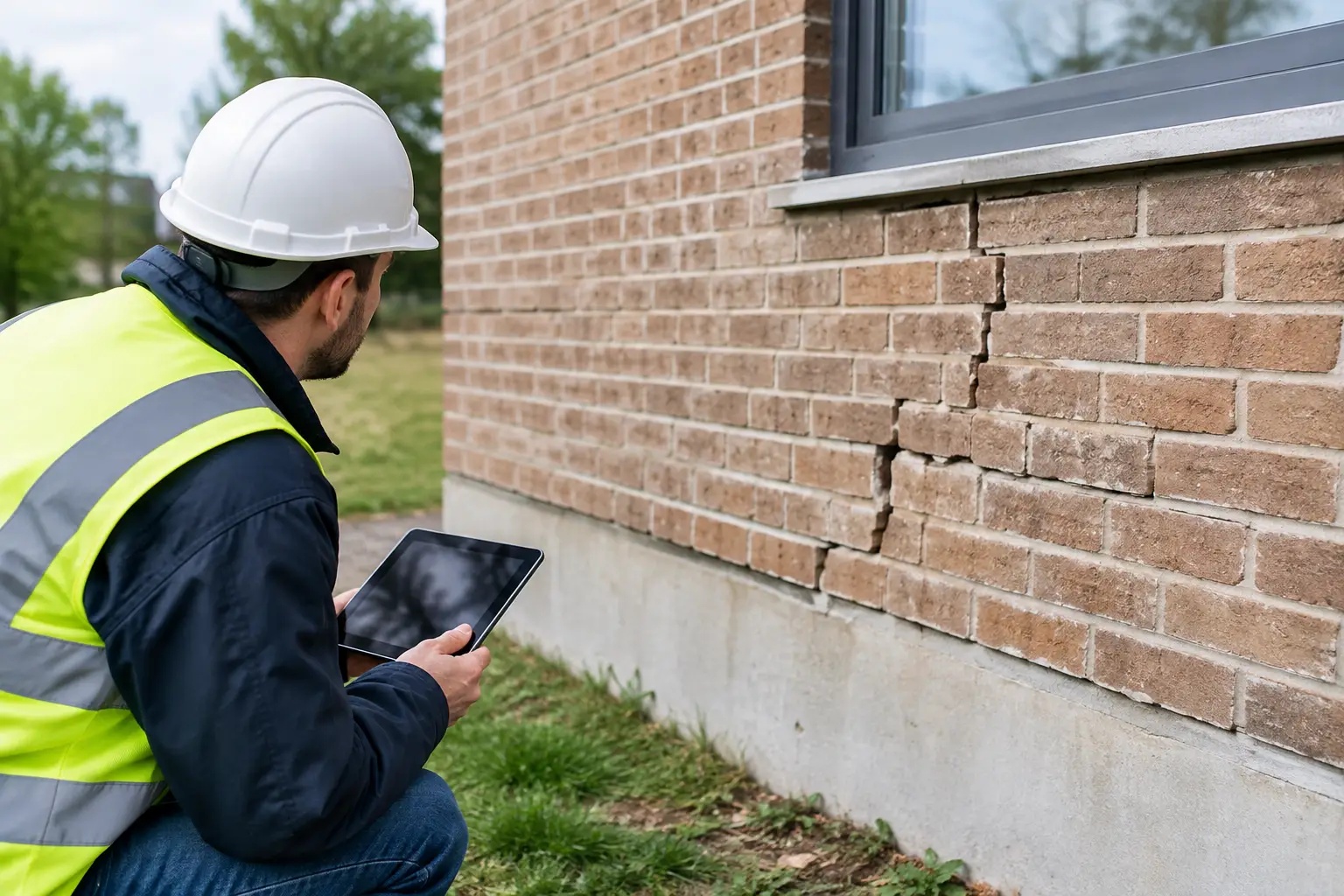
A building survey is usually the safer decision where the property is older, listed, altered, neglected or non-standard. That includes homes with timber frame elements, thatched roofs, steel framing, concrete construction, basement conversions or substantial extensions. It is also sensible where you can already see signs of concern, such as sloping floors, significant cracking, staining, bulging walls or roof defects.
Buyers often assume a building survey is only for period homes. In practice, it is equally useful where a property has been refurbished poorly or where cosmetic improvement may be hiding underlying defects. Fresh plaster and new paint do not tell you much about concealed damp ingress, structural movement or the quality of previous alterations.
A more detailed survey also helps if you are planning works after purchase. If you intend to remove walls, replace the roof, convert the loft or undertake major refurbishment, having a clearer picture of the building’s current condition can save time and money later.
Scope and detail – why the report quality matters
The most useful survey is not simply the one with the longest title. It is the one that tells you what is wrong, why it matters and what it may cost you in practical terms. That is where many buyers become frustrated. They receive a report that identifies an issue but gives limited context on severity, urgency or likely repair implications.
A stronger building survey should provide clearer defect analysis. Instead of only noting cracking or damp, it should consider possible causes, whether monitoring or repair is likely, and what further investigation may be required. That level of detail is particularly valuable if you need leverage for renegotiation or reassurance before exchange.
With a HomeBuyer Report, the commentary may be more concise and more standardised. That can be perfectly suitable for lower-risk properties. But if the building is not straightforward, the limits of that format become more noticeable.
Cost differences and value for money
Price matters, especially when moving costs keep mounting. A HomeBuyer Report is typically less expensive than a building survey because it is narrower in scope and usually takes less time to inspect and report. For some purchases, that is a sensible balance of cost and risk.
A building survey costs more, but it can offer better value where the stakes are higher. If it identifies defects in the roof structure, wall movement, damp penetration, failed lintels or poor alterations, the report may save you many times its fee. It may also help you avoid buying a property that looks acceptable at first glance but carries substantial hidden liability.
The real question is not which report is cheaper. It is which report gives you enough evidence to make a sound financial decision. Saving a few hundred pounds on the survey can be false economy if you later face thousands in repairs.
Building survey vs homebuyer report for older UK housing stock
In the UK, housing stock is varied, altered and often imperfect. Victorian terraces, interwar semis, ex-local authority flats, post-war system-built homes and heavily extended family houses all present different risks. This is why a standard answer rarely works.
For an older property, a building survey is often the more appropriate route because defects can be cumulative. Roof coverings may be at the end of their life, pointing may have failed, suspended timber floors may have poor ventilation, and earlier repairs may not have addressed root causes. The older the property, the more important context becomes.
By contrast, a HomeBuyer Report can suit a modern, conventional home where the main aim is to identify notable defects rather than carry out a deeper appraisal of construction and performance. If the property is less than a few decades old and has not been extensively altered, that may be enough.
What buyers often get wrong
One common mistake is choosing the lighter report because the estate agent says the property is in good condition. Estate agents are not surveyors, and presentation is not the same as building integrity. Another is assuming that a mortgage valuation gives meaningful protection. It does not. A valuation is primarily for the lender’s benefit, not a detailed condition assessment for the buyer.
Buyers also underestimate how often one defect leads to another. A slipped roof covering can mean long-term moisture ingress. Poor drainage can contribute to damp walls. Inadequate ventilation can affect condensation, mould and timber condition. A proper inspection should connect those dots.
There is also the issue of negotiation. If you suspect defects but only commission a limited report, you may not get the level of detail needed to support a price reduction. A fuller building survey can give you a firmer basis for discussions, particularly where repair liabilities are significant.
How to choose the right survey for your purchase
Start with the property itself, not the fee. Consider its age, construction type, visible condition and any alterations. If it is modern, conventional and apparently well maintained, a HomeBuyer Report may be appropriate. If it is older, unusual, altered or showing signs of disrepair, a building survey is usually the better investment.
You should also consider your own plans. If you are a first-time buyer wanting a clear view of repair priorities, a more detailed report may offer confidence. If you are an investor buying a property with obvious refurbishment needs, deeper defect analysis is often essential. The same applies if you are purchasing a home where roof defects, cracking or damp are already suspected.
At HICH LTD, the emphasis is on practical inspection reporting that helps clients understand defects, likely repair implications and risk before they commit. That matters far more than choosing a report by name alone.
The best survey is the one that matches the building in front of you. If the property is straightforward, keep it proportionate. If it is not, give yourself the level of inspection that lets you make a confident decision rather than an expensive guess.