

Roof Defect Diagnosis Guide for UK Property Owners
A damp patch on a bedroom ceiling rarely begins as a ceiling problem. By the time staining, peeling paint or mould appears indoors, water may have travelled across roof timbers, insulation or wall linings from a defect some distance away. This roof defect diagnosis guide explains how to recognise the signs, distinguish likely causes and decide when a professional roof inspection is justified.
A roof can look acceptable from ground level while concealing failed flashings, slipped tiles, deteriorated underlay or moisture damage to the structure beneath. Equally, an isolated loose tile does not always mean the entire roof needs replacement. Accurate diagnosis matters because the right repair depends on the source, extent and urgency of the defect.
Start with the symptoms, not an assumed repair
Property owners are often told that a roof needs replacing before anyone has established why it is leaking. A sound diagnosis works in the opposite direction: identify the visible symptom, trace the likely path of water ingress, inspect the relevant roof details and assess the condition of the covering and supporting structure.
The age of the roof is useful context, but it is not a diagnosis. A well-maintained older slate roof may have decades of serviceable life remaining, while a comparatively recent roof can fail early because of poor detailing, inadequate ventilation or substandard installation. The construction type also changes the investigation. Pitched tile, slate, flat felt, single-ply, lead and zinc roofs each fail in different ways.
Internal evidence is often the first clue. Water marks below a chimney breast can point towards defective flashing, mortar fillets, chimney render or a problem higher on the roof. Staining at the eaves may indicate overflowing gutters, damaged fascia details, failed underlay or condensation in the roof void. The location, shape and timing of a stain all help build the picture.
Common roof defects and what they can indicate
Missing, slipped or cracked tiles and slates
A missing tile or slate creates a clear route for wind-driven rain, particularly where the underlay beneath is aged or torn. Cracks, nail fatigue and slipped units are common on ageing roofs, but their significance depends on quantity and distribution. One displaced tile after a storm may be a local repair. Repeated slippage across a roof slope can suggest failing fixings, decayed battens or movement in the roof structure.
Roof coverings should also be assessed for weathering. Concrete tiles can become porous over time, while natural slate may remain durable but suffer from nail corrosion, known as nail sickness. A surface coating or cleaning programme is not automatically the answer. Aggressive cleaning can damage tiles and disturb their protective surface, while coatings can conceal defects rather than resolve them.
Defective flashings and junctions
The weakest points of many roofs are not the main covering but the junctions around chimneys, abutments, rooflights, valleys and dormers. Lead flashings may split, lift, corrode or become poorly dressed into adjacent materials. Cement mortar fillets, often used as a cheaper substitute for proper flashing, are prone to cracking and tend to have a limited service life.
Valleys deserve close attention because they handle a high volume of rainwater. Debris build-up, fractured valley tiles, deteriorated lining or poor laps can allow water beneath the roof covering. A leak that appears only in heavy rain may be linked to these high-flow areas rather than a straightforward broken tile.
Flat roof covering failures
Flat roofs are not truly flat. They require falls that direct water towards outlets or gutters. Persistent ponding can accelerate deterioration of felt, asphalt and some membrane systems, particularly where joints, upstands or edge details are already weakened.
Look for blistering, cracking, open laps, standing water, damaged outlets and deterioration where the roof meets walls or parapets. The condition of the deck below matters as much as the visible surface. Soft areas, internal sagging or recurring leaks may indicate moisture-related deterioration within the roof build-up. Whether repair is viable depends on the covering type, the extent of trapped moisture and the condition of the deck and insulation.
Rainwater goods, eaves and verge details
Blocked gutters are a routine maintenance issue, but the effects can be substantial. Overflowing water can saturate masonry, rot timber fascias and soffits, stain external walls and enter the roof edge. Leaking joints, incorrect falls and undersized gutters can create similar symptoms even when the roof covering itself is intact.
At verges, loose mortar, deteriorated bedding or unstable dry-fix systems can leave tiles vulnerable to wind uplift. At eaves, damaged underlay support trays or decayed timber may allow water to track back into the roof space. These defects are often overlooked because they are difficult to see clearly from ground level.
How a professional roof defect diagnosis is carried out
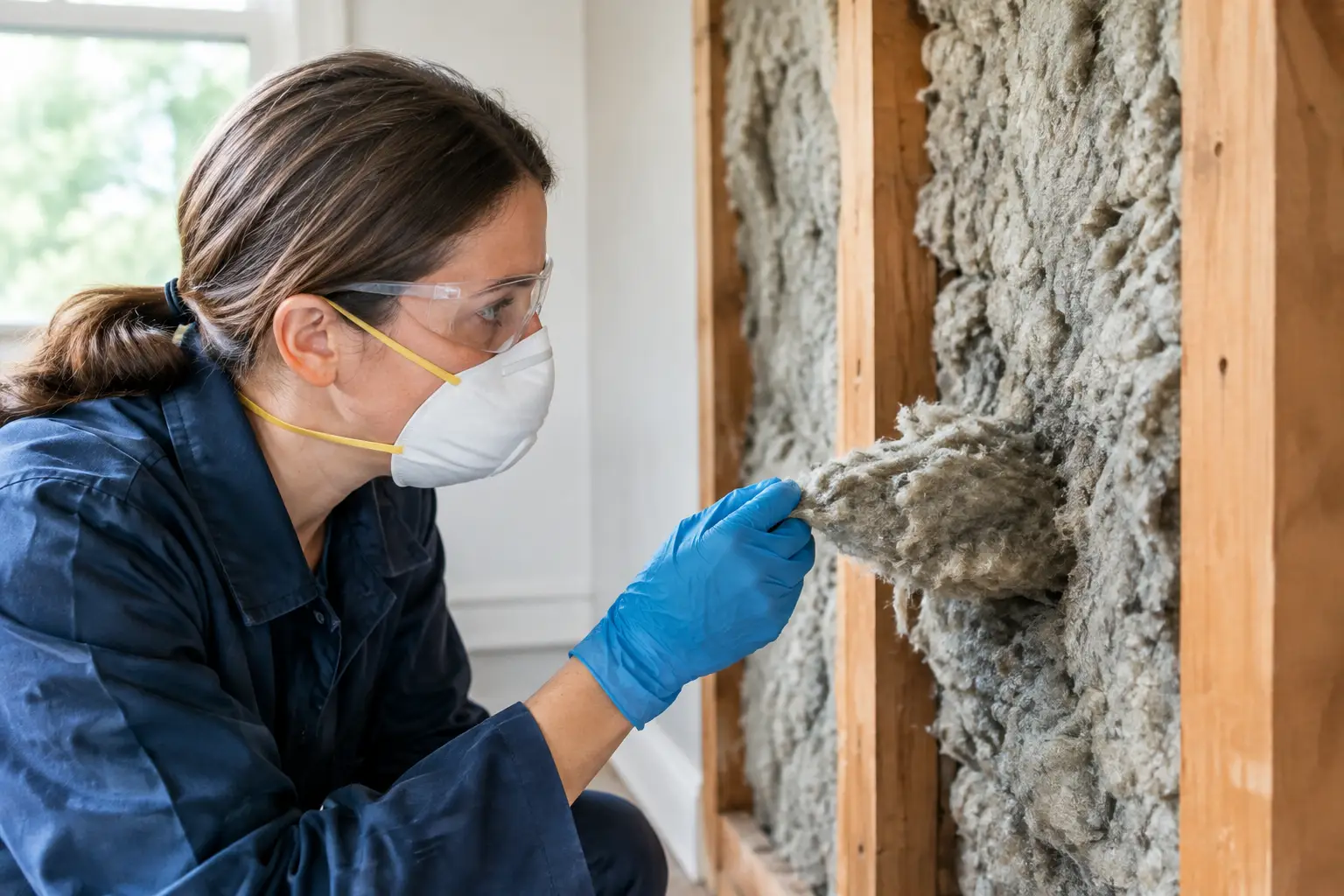
A reliable inspection combines external and internal evidence. Externally, the surveyor considers the roof covering, ridges, hips, valleys, flashings, chimneys, gutters, roof penetrations and visible structural lines. Internally, inspection of the loft or roof void can reveal staining, damp timbers, daylight through the covering, mould, inadequate ventilation and insulation issues.
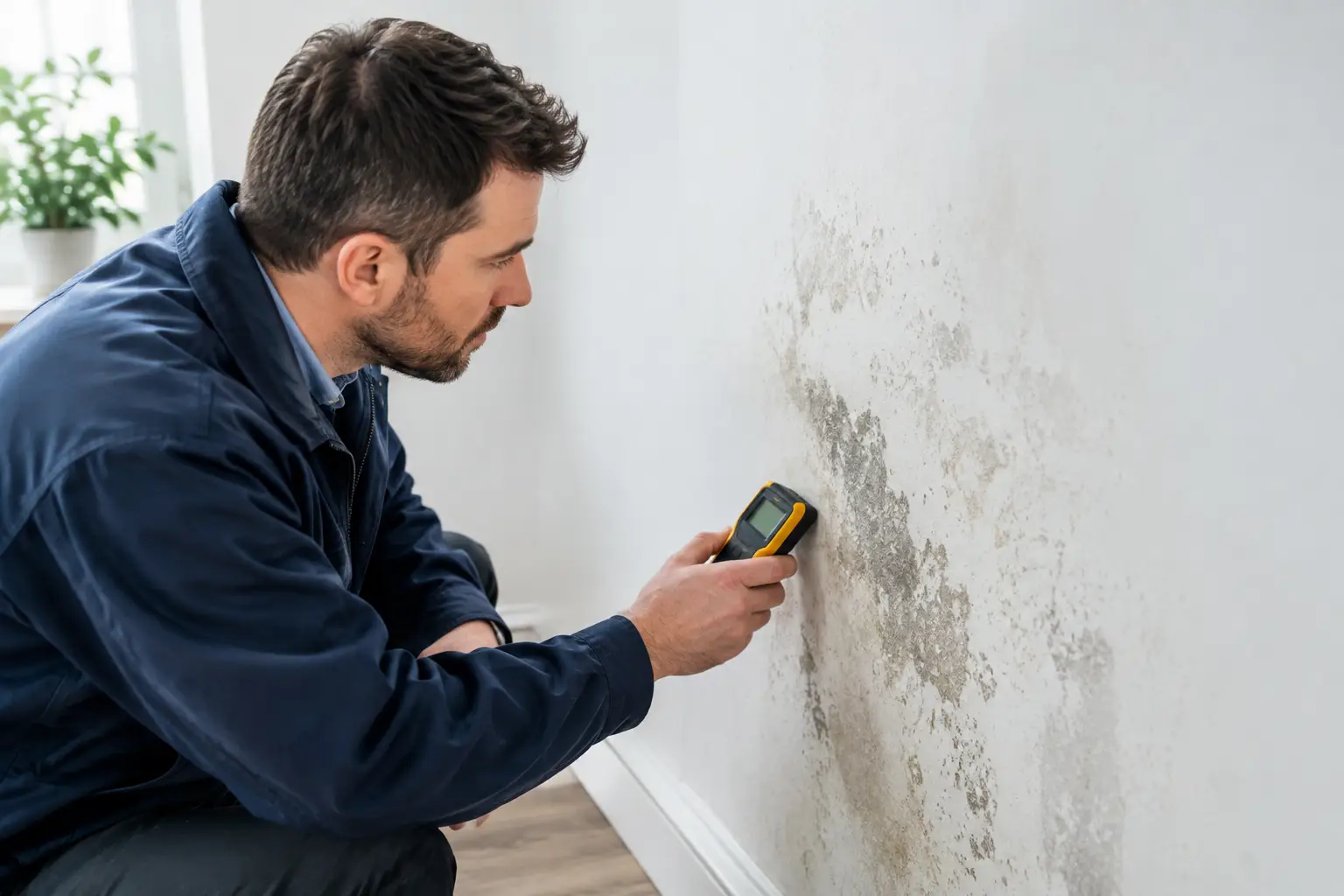
Moisture meters can help identify elevated readings in accessible materials, although they must be interpreted correctly. A high reading does not, on its own, establish the cause or prove active ingress. Thermal imaging can assist where temperature differences reveal cold bridges, missing insulation or patterns consistent with moisture. It is most effective when used alongside physical inspection and an understanding of the building fabric.
Safe access is central to the quality of the findings. Binoculars and ground-level observations have limits. Depending on the property, a closer inspection may require a roof ladder, tower, scaffold, drone survey or internal access to the roof void. The appropriate method depends on height, roof complexity, weather conditions and whether the concern is localised or widespread.
The final report should separate observed defects from probable causes, identify areas that could not be inspected and set out practical repair priorities. For buyers, this information can support price negotiations or a decision to obtain quotations before exchange. For homeowners and landlords, it provides a basis for planned maintenance rather than repeated reactive call-outs.
Telling roof leaks from condensation
Not all roof-space moisture comes through the roof. Condensation is common where warm, moisture-laden air from bathrooms, kitchens or living spaces enters a cold loft. It can form on the underside of roof coverings, timbers and nails, sometimes producing drips that resemble a roof leak.
Condensation is more likely to appear during cold weather and may be accompanied by widespread mould, droplets on underlay and poor ventilation rather than a single defined water track. Typical contributors include gaps around loft hatches, unsealed service penetrations, blocked eaves vents and insulation that restricts airflow at the roof edge.
A genuine leak may worsen during or shortly after rainfall and often leaves a more localised path of staining. However, both issues can occur at the same time. Treating condensation as a leak can lead to unnecessary roof works; treating a leak as condensation can allow timber decay to progress. Inspection should test the evidence rather than rely on assumptions.
When a roof defect needs urgent action
Some defects can be monitored while repair work is scheduled. Others require prompt attendance to limit water damage or reduce a safety risk. Urgent cases include active internal water ingress, loose tiles or slates over entrances and public areas, visibly unstable chimney elements, storm damage, a sagging roof line, and electrical fittings affected by water.
Temporary measures may reduce immediate exposure, but they should not become a long-term repair strategy. Tarpaulins, sealants and local patches can be useful after severe weather, yet they can also trap moisture or mask the location of the original fault. Once conditions are safe, the permanent repair should address the failed detail and any resulting damage to battens, timbers, insulation or internal finishes.
Choosing between repair and replacement
Replacement is normally justified when defects are widespread, the covering has reached the end of its serviceable life, the underlying roof structure requires significant work or repeated repairs no longer offer value. Localised repair is often more proportionate where the main roof remains serviceable and defects are confined to flashings, valleys, rainwater goods or a limited number of tiles or slates.
The decision should account for access costs and compatibility with the existing roof. Matching reclaimed slate, for example, may be preferable on a traditional property but can cost more and take longer to source. A cheaper repair that uses unsuitable materials may compromise appearance, performance or planning requirements in conservation areas.
Before committing to major works, obtain a diagnosis that explains the defect, its likely cause, the consequences of delay and the scope of repair required. A qualified surveyor can provide independent evidence before quotations are sought, helping ensure contractors are pricing the same problem rather than proposing entirely different solutions.
If a ceiling stain, recurring leak or visible roof defect is causing concern, act before the next period of heavy rain turns a manageable repair into a wider building issue. An independent roof survey from HICH can clarify the condition, repair priorities and likely implications, so you can make a property decision with evidence rather than guesswork.