

Snagging Inspection vs Warranty Claim: Which First?
A new-build home can look finished at handover while still concealing faults behind fresh paint, fitted units and tidy landscaping. The decision between a snagging inspection vs warranty claim is not usually an either-or choice. A professional snagging inspection identifies and records defects; a warranty claim is the formal route for asking the responsible party to put eligible defects right. Knowing the difference helps you act early, present clear evidence and avoid paying for repairs that should sit with your builder or warranty provider.
Snagging inspection vs warranty claim: the practical difference
A snagging inspection is an independent assessment of a newly built or recently refurbished property. A qualified inspector examines visible workmanship, finishes, fittings and accessible elements of the building to identify defects, incomplete work and departures from an expected standard. The outcome is a detailed snagging report, typically supported by photographs, locations and clear descriptions of what requires attention.
A warranty claim is a formal notification made under your new-build warranty, purchase contract or the developer’s aftercare process. It asks the builder, developer or warranty provider to investigate a reported issue and, where the policy or agreement applies, arrange a repair.
The distinction matters. A surveyor does not approve a claim or compel a developer to undertake work. Equally, a warranty provider will not inspect every minor finish issue simply because a homeowner feels the standard is poor. The strength of a claim often depends on the nature of the defect, the relevant warranty terms, the date it was discovered and the evidence supplied.
In straightforward terms, the inspection tells you what is wrong. The claim process determines who is responsible and what they must do about it.
What a snagging inspection can reveal
Snagging is often associated with cosmetic issues such as uneven sealant, chipped tiles, scratched glazing or poor paint finishes. These are common, but a thorough inspection should look beyond decoration. It can identify signs of poor installation, incomplete construction and defects that may become more expensive if left unresolved.
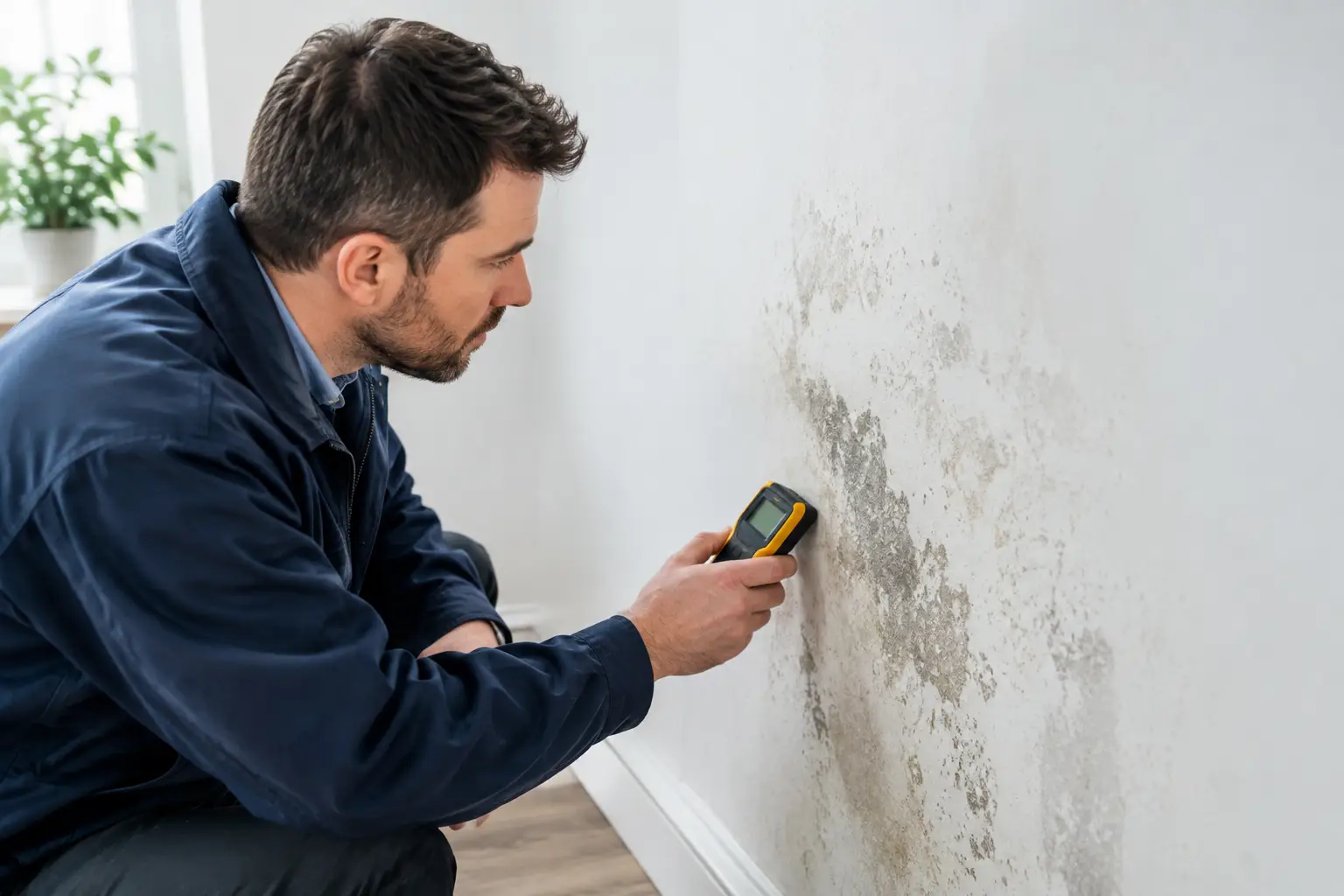
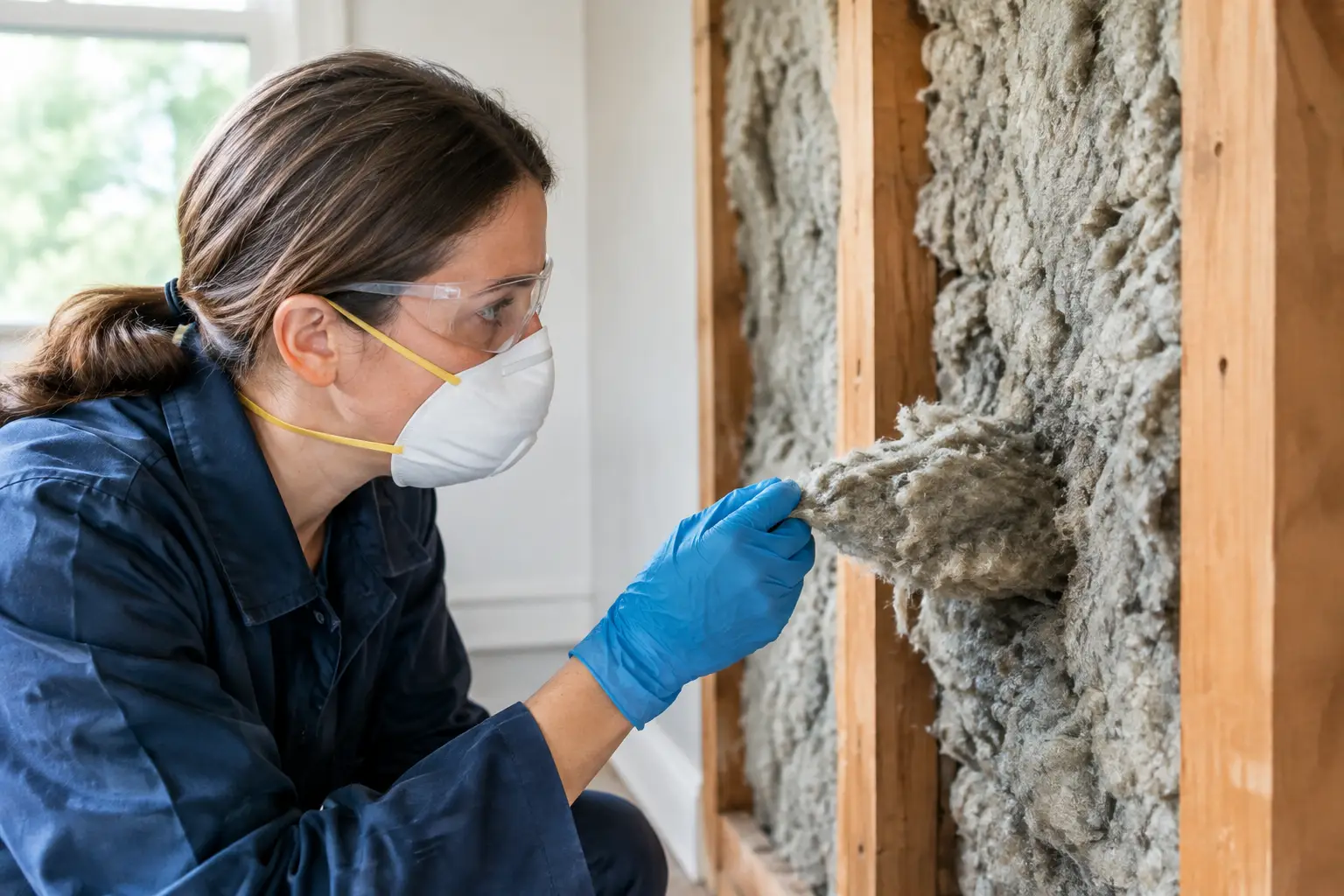
Typical findings include poorly aligned doors and windows, cracked or hollow-sounding tiles, loose sanitaryware, inadequate ventilation, damaged roof components, defective brickwork, poorly fitted insulation, leaks around pipework and drainage concerns. Inspectors may also identify signs of moisture, thermal bridging or cold areas when specialist methods such as thermal imaging are appropriate.
Not every item will justify a warranty claim. A small paint blemish may be dealt with through the developer’s customer care team, while a significant water ingress issue could require urgent escalation. The value of the report is that it separates minor finishing items from defects needing prompt technical attention.
A useful report should be specific. “Poor workmanship in bathroom” is less persuasive than a photographed record stating that the bath panel is inadequately secured, the silicone seal is discontinuous at the wall junction and moisture could reach the floor structure. Clear wording makes it harder for an issue to be dismissed as vague dissatisfaction.
What a warranty claim may cover
Coverage depends on the warranty scheme, your policy documents and the stage of ownership. Many new-build arrangements have an initial period in which the builder is expected to rectify defects, followed by longer-term insurance-backed cover for certain structural problems. The exact durations and definitions vary, so always check the documents issued for your property rather than relying on general guidance.
During the builder’s defect liability or aftercare period, the developer will commonly be responsible for resolving defects arising from construction, materials or installation. This is usually the best route for snags discovered soon after completion. Report issues in writing, keep copies of all correspondence and ask for a timescale for inspection and repair.
Longer-term warranty cover is generally more limited. It may respond to major defects affecting the structural integrity, weather resistance or habitability of the home, subject to policy conditions. It is less likely to cover normal wear, inadequate maintenance, accidental damage, shrinkage within accepted limits or purely cosmetic concerns.
This is where homeowners can become frustrated. A defect may be real and still fall outside the insurance element of a warranty. For example, a minor crack in decoration may not be covered, but cracking accompanied by movement, distorted openings or water ingress may require a more detailed investigation. The evidence, timing and underlying cause are central.
Which should come first?
In most cases, arrange the snagging inspection first and submit the report promptly to the developer. This gives you a structured schedule of defects rather than relying on memory, informal photographs or repeated walkarounds. It also creates a dated record of the property’s condition close to handover.
There are exceptions. If you find active water penetration, a gas or electrical safety concern, a roof defect that creates an immediate risk, or evidence of serious movement, notify the builder or warranty provider immediately. Do not wait for a routine inspection appointment before reporting an urgent issue. Take photographs, record dates and protect the property from further damage where it is safe to do so.
For most non-urgent cases, an inspection shortly after legal completion is sensible. Some buyers choose an inspection before completion where access is permitted, while others book once they have the keys. Earlier identification gives the developer less scope to argue that damage occurred after occupation, although a developer’s access rules and handover timetable may affect what is possible.
If the first aftercare period is approaching its end, arrange the inspection well before the deadline. You need enough time to receive the report, submit the items, allow the builder to respond and request a review of any unresolved defects.
How to turn a snagging report into a stronger claim
A detailed report is evidence, but it should be used carefully. Send it to the correct contact named in your handover pack or warranty documents, with a short covering email that identifies the property, completion date and request for remedial action. Ask for written acknowledgement and a proposed programme of works.
Avoid repairing alleged construction defects yourself before the builder has had a reasonable opportunity to inspect them, unless urgent action is necessary to prevent further damage or ensure safety. Early repairs can make it more difficult to establish the original cause. If emergency work is needed, photograph the problem before and during the work, retain invoices and explain why intervention could not wait.
Keep a simple record of the process. Save emails, notes of calls, dated photographs, appointment details and any promises made by the developer. When contractors attend, ask what they found and what work they propose. If a repair is completed, inspect it rather than assuming the matter is closed.
Where a builder rejects an item, request the reason in writing. The disagreement may concern whether the defect exists, whether it falls within an accepted tolerance, whether it is covered by the warranty, or whether the issue resulted from later damage or maintenance. Those are different arguments, and each may require different evidence.
When an independent report becomes especially valuable
A snagging report is particularly helpful where defects are numerous, technically unclear or repeatedly unresolved. It can also support homeowners who feel pressured to accept superficial repairs to a problem that may have a deeper cause.
For instance, recurring damp staining around a window might appear to be a decorating issue. A closer inspection may point to failed seals, defective flashing, insufficient cavity trays or an installation problem. Similarly, cracks should not automatically be treated as ordinary settlement if they are widening, recurring after repair or accompanied by sticking doors, sloping floors or gaps around frames.
A specialist inspection may be appropriate where there are concerns about roof coverings, drainage, insulation, moisture or structural movement. The right level of investigation depends on the evidence on site. A standard snagging survey is not a substitute for invasive opening-up works or a structural engineer’s assessment where a serious defect is suspected, but it can establish whether further investigation is justified.
Do not let deadlines decide the outcome
The most costly mistake is often delay. Homeowners may wait because a snag seems small, they are busy moving in, or the builder has verbally promised to return. By the time the matter is escalated, records are weaker and key claim periods may be close to expiring.
Report defects early, keep the issue in writing and distinguish between a snag list and a formal claim. If the builder is cooperative, the process may be simple. If responsibility is disputed, independent evidence becomes far more valuable than a conversation at the front door.
For buyers and owners who want a clear, practical record before approaching a developer, HICH can provide a professionally prepared snagging survey that identifies defects, explains their likely significance and supports informed discussions about remedial work. A prompt inspection does not guarantee that every item will be accepted under a warranty, but it gives you the strongest possible starting point: an accurate picture of the condition of your home while the evidence is still there.