

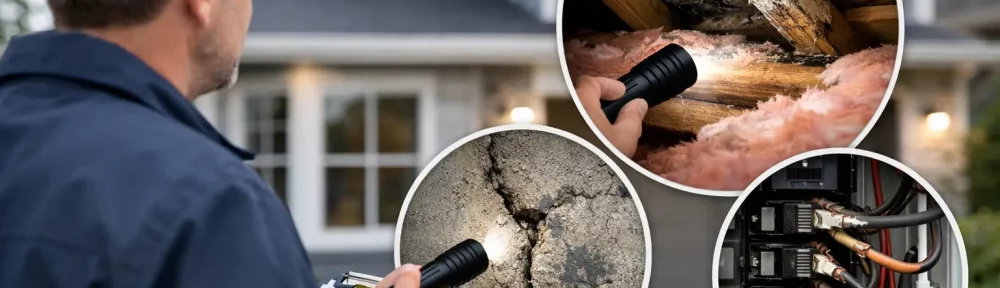
House Survey for Hidden Defects: What It Finds
A property can look well kept on viewing day and still conceal expensive faults. Fresh paint, new floor coverings and a tidy loft hatch do not tell you whether there is roof spread, damp behind plaster, poor alterations or early movement in the structure. That is where a house survey for hidden defects becomes valuable. It gives you a clearer picture of the building’s true condition before you commit money, take on repairs or enter a dispute.
For buyers, that can mean avoiding a poor purchase or renegotiating with evidence. For owners and landlords, it can mean identifying the cause of recurring problems before spending more on surface-level fixes. For developers and construction stakeholders, it can provide a practical basis for repair planning, cost control and accountability.
What a house survey for hidden defects is actually designed to do
A house survey for hidden defects is not just a box-ticking exercise. Its purpose is to identify defects that are not obvious during a standard viewing or casual inspection, then explain what they mean in practical terms. The key point is not simply finding damage. It is understanding the likely cause, the urgency, and the probable repair implications.
In many cases, the concern is not one dramatic fault but a pattern of smaller warning signs. A crack above a window, uneven roof lines, a musty smell in a rear room and blown plaster near skirtings may all point towards a broader issue. A competent survey looks beyond the symptom and assesses the building as a whole.
That distinction matters. If the report only states that staining or cracking exists, you are left with half the answer. If it explains whether the issue is cosmetic, historic, progressive or linked to poor workmanship, you can make an informed decision.
The hidden defects that commonly go unnoticed
Most concealed defects fall into a few broad categories, although each property presents its own risk profile depending on age, construction type, maintenance history and previous alterations.
Structural movement is one of the main concerns. Not every crack is serious, but some are linked to settlement, subsidence, lintel failure, wall tie corrosion or altered load paths after internal walls have been removed. In older houses, movement may have stabilised long ago. In other cases, recent change or poor remedial work can indicate a live issue that needs further investigation.
Roof defects are another frequent problem. A roof may appear serviceable from ground level while hiding slipped coverings, defective underlay, timber decay, sagging rafters or failed flashings. Water ingress often starts small and stays out of sight until internal finishes begin to fail. By that stage, repair costs are usually higher.
Moisture-related defects are regularly misunderstood. Damp is often treated as a single problem, but the cause could be penetrating moisture, condensation, plumbing leaks, bridging to damp proof courses or defective rainwater goods. The wrong diagnosis leads to wasted money. A proper inspection should distinguish between the source of moisture and the visible damage it has caused.
Hidden defects are also common where previous building work has been carried out. Loft conversions, chimney breast removals, extensions and internal reconfiguration can all create problems if the design, support or workmanship was inadequate. The risk is not limited to major works. Even poorly fitted insulation or replacement windows can trap moisture, reduce ventilation or disguise earlier defects.
Why standard viewings and basic checks are not enough
Most buyers have limited access during a viewing. Furniture covers walls, lofts may not be entered, and attention naturally goes to layout and appearance. Estate agent particulars are not a technical assessment, and a mortgage valuation is not there to protect you from repair liability.
That gap catches many people out. A property can still be mortgageable while needing significant remedial work. It can also pass a quick visual once-over while harbouring long-term issues in roof spaces, voids, external fabric or altered structural elements.
This is why hidden defect surveys are particularly useful where there is already a concern, such as cracking, damp staining, uneven floors, roof sagging or signs of unauthorised work. They are equally valuable where nothing obvious is visible, but the financial risk of getting it wrong is high.
When a house survey for hidden defects matters most
Some properties justify a more careful level of inspection than others. Period houses, non-standard construction, heavily altered homes and poorly maintained buildings all carry greater uncertainty. The same applies to homes that have been recently refurbished just before sale, especially where decorative finishes appear to have been used to improve presentation rather than address root causes.
Investors and landlords often benefit from this type of survey because margin can disappear quickly once hidden repairs come to light. A defect that seems manageable on paper may turn into scaffolding, structural design input, timber replacement and internal reinstatement once opened up.
Homeowners also commission these inspections when repeated repairs are failing. If mould returns after redecoration, cracks reopen after filling, or leaks persist despite patch repairs, the issue is usually diagnostic rather than cosmetic. You need clarity before spending more.
What the surveyor is looking for
A good inspection combines visual evidence, building knowledge and defect interpretation. The surveyor is not only identifying visible signs but reading how the building is behaving. That includes checking for distortion, moisture patterns, material failure, inappropriate repairs, thermal inconsistencies and inconsistencies between different parts of the structure.
Depending on the property and instruction, specialist methods may support the survey. Moisture assessment, thermal imaging, close roof inspection and structural appraisal can all add value where symptoms suggest concealed failure. The right approach depends on the defect in question. There is no benefit in paying for specialist testing that does not match the problem.
This is where experience matters. Two properties can show the same staining or cracking for completely different reasons. The report should therefore explain not just what was found, but why the surveyor believes it is happening and what should happen next.
What a useful report should give you
The best reports are practical. They identify the defect, set out the likely cause, indicate urgency and explain the likely repair path. Where appropriate, they should also flag the level of financial exposure, the need for further investigation, and any limitation caused by inaccessible areas.
That level of clarity is particularly helpful during a purchase. If defects are minor and manageable, you can proceed with confidence. If the repair burden is significant, you have evidence to renegotiate or reconsider. If the issue needs intrusive opening up, you can decide whether the uncertainty is acceptable before exchange.
For existing owners, the report becomes a basis for targeted repair rather than guesswork. For dispute or warranty matters, it can also support a clearer technical position. HICH Ltd focuses on this kind of detailed defect analysis, with reports prepared by qualified surveyors and building engineers who understand both diagnosis and repair implications.
Cost, scope and the question of value
Many clients ask whether a hidden defect survey is worth the fee. In most cases, the better question is what the cost of missing the problem would be. Roof repairs, damp-related timber decay, defective alterations and structural movement can all run well beyond the price of a professional inspection.
That said, scope matters. Not every property needs the same level of survey input. A modern flat with no visible concerns may require something different from a large Victorian house with signs of movement and a patched roof history. The sensible approach is to match the inspection to the age, complexity and risk profile of the building.
Transparent pricing helps here. Fixed-fee structures based on property size rather than value can make specialist advice more accessible and easier to budget for, especially for buyers already managing legal fees, mortgage costs and moving expenses.
Choosing the right surveyor
Technical credentials are essential, but so is practical building understanding. You need a surveyor who can explain defects in plain English, not hide behind vague wording. The report should help you make a decision, not leave you chasing several more opinions just to work out whether the issue is serious.
Turnaround time also matters when you are working to a purchase deadline or trying to prevent a defect from worsening. A thorough service should still be efficient, with clear booking arrangements, prompt inspection dates and reporting that arrives in time to be useful.
A hidden defect survey is most valuable when it changes what you do next. That might mean proceeding with confidence, negotiating from a stronger position or planning repairs properly the first time. If a building is asking questions, it is far better to answer them before the costs become yours.