

Level 3 Building Survey Cost Explained
If you are weighing up the level 3 building survey cost, the real question is not simply what you will pay. It is what that fee could save you from missing. A thorough Level 3 survey can uncover structural movement, roof defects, damp-related deterioration, concealed maintenance failures and repair liabilities that may affect whether you proceed, renegotiate or budget properly.
For many buyers, the price feels significant until it is set against the cost of timber decay repairs, roof replacement, wall tie failure, drainage issues or long-term water ingress. That is why the cost needs to be judged in terms of risk, property type and how much detail you actually need.
What does a Level 3 survey cover?
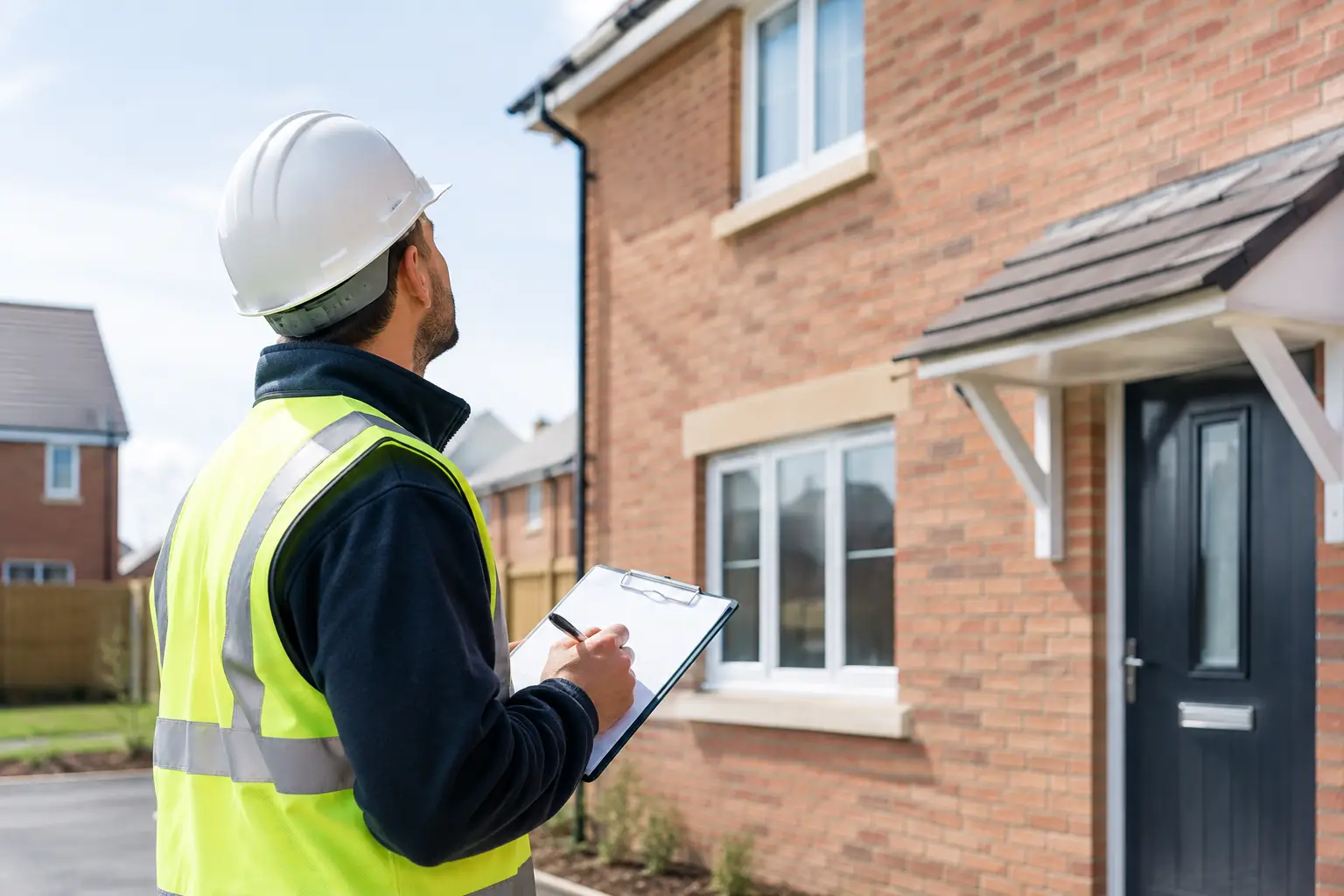
A Level 3 survey is the most detailed standard pre-purchase survey available for residential property. It is typically suited to older homes, larger houses, altered buildings, properties in visibly poor condition, or anything where there is a higher chance of hidden defects.
Unlike a lighter inspection, a Level 3 survey looks more closely at the building fabric, construction method and defect pattern. The report should explain not only what is wrong, but also why it matters, how urgent the issue is and what further action may be sensible. That depth is often what buyers need when they are making decisions on properties with age, character or uncertainty.
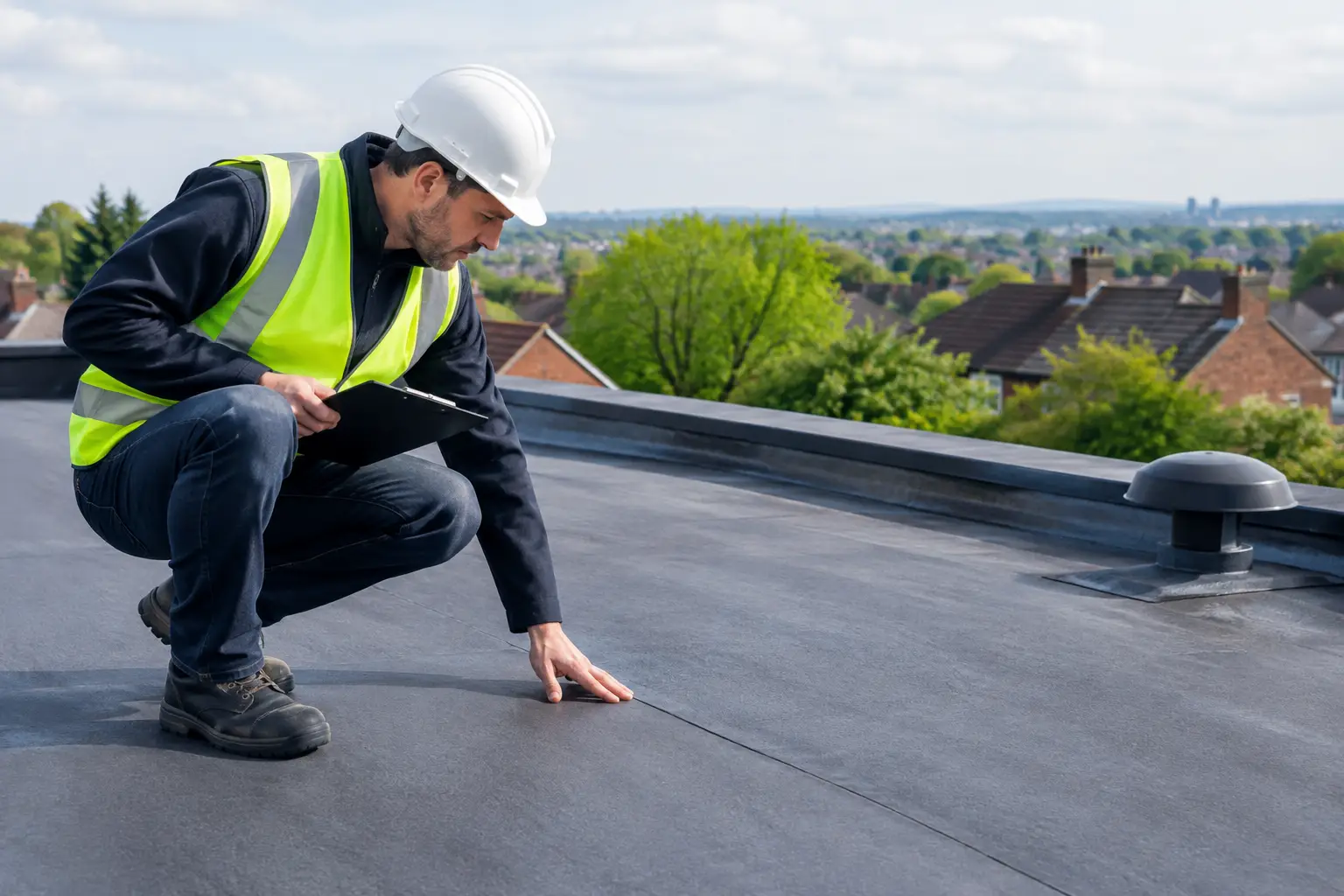
In practical terms, the surveyor will assess elements such as the roof structure, walls, floors, ceilings, damp risks, joinery, insulation, signs of movement, rainwater goods and visible services. The exact scope still depends on access and the nature of the building, but the aim is clear – to provide a more comprehensive picture of condition than a basic valuation or mid-level survey.
Level 3 building survey cost in the UK
The level 3 building survey cost in the UK commonly falls anywhere from around £600 to £1,500 or more, depending on the property. That is a broad range because not all Level 3 surveys are priced in the same way, and not all homes present the same inspection demands.
Some firms price by property value. Others price by size, age or complexity. A more transparent model is to price by bedroom count or property type, because that is often closer to the actual inspection workload than market value alone. A £900,000 flat in excellent condition may be less complex to inspect than a much cheaper Victorian house with alterations, roof defects and signs of movement.
If a quote seems unusually low, it is worth checking what is actually included. The headline fee matters, but so does report quality, survey depth, surveyor experience and whether the findings are practical enough to support negotiations or repair planning.
What affects the level 3 building survey cost?
The biggest factor is usually the building itself. Older properties take more time to inspect and report on because they often include non-standard construction, historic repairs, movement patterns or multiple layers of alteration. A 1930s semi and a listed cottage do not present the same level of risk.
Size also matters. More bedrooms usually mean more inspection area, more roof slopes, more external elevations and more internal elements to assess. The same applies to loft rooms, extensions, garages and outbuildings.
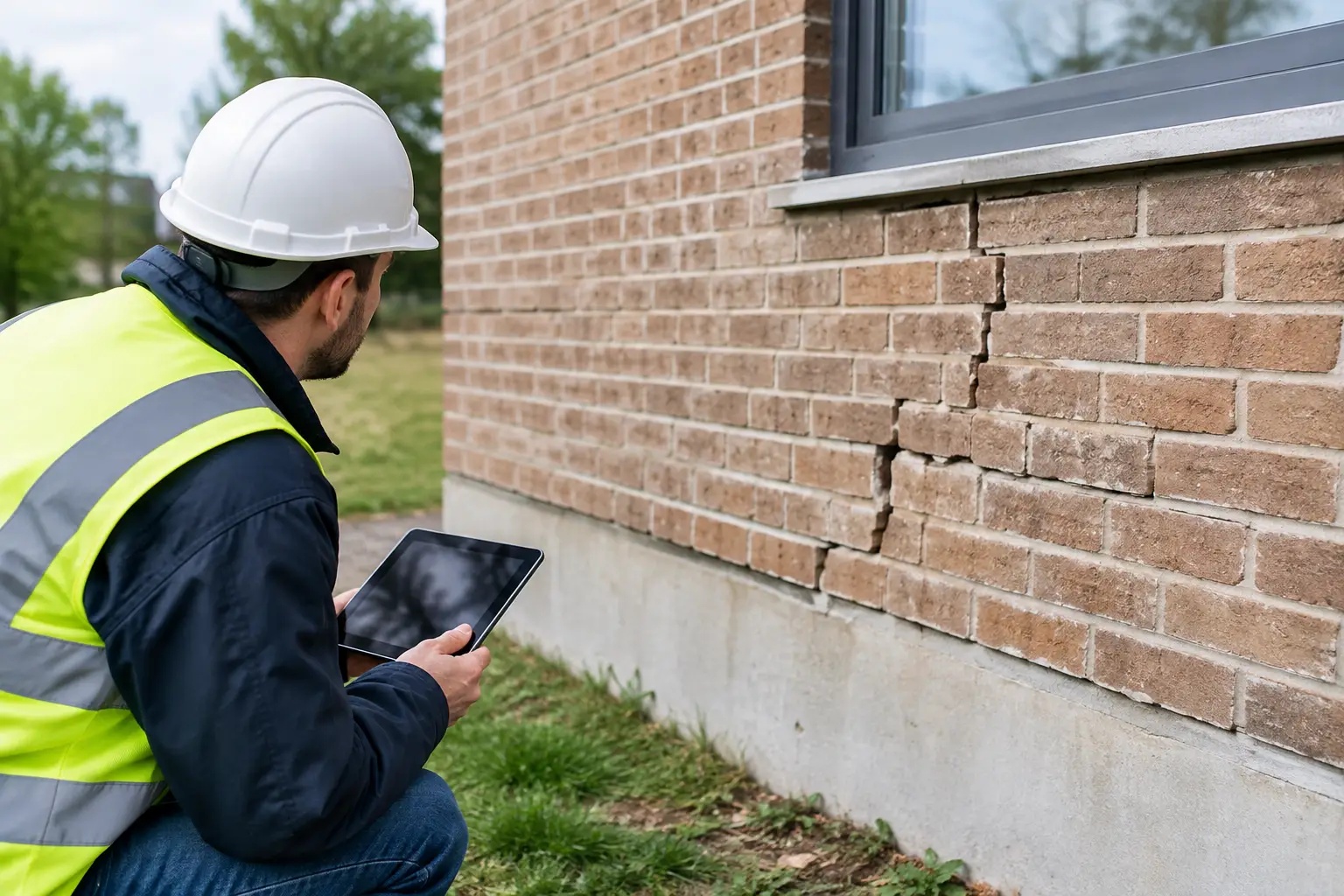
Condition has a direct impact as well. A property with obvious cracking, staining, dampness or roof spread requires more careful analysis than a well-maintained newer home. Surveyors need time to follow defect clues through the building and explain likely causes rather than simply recording symptoms.
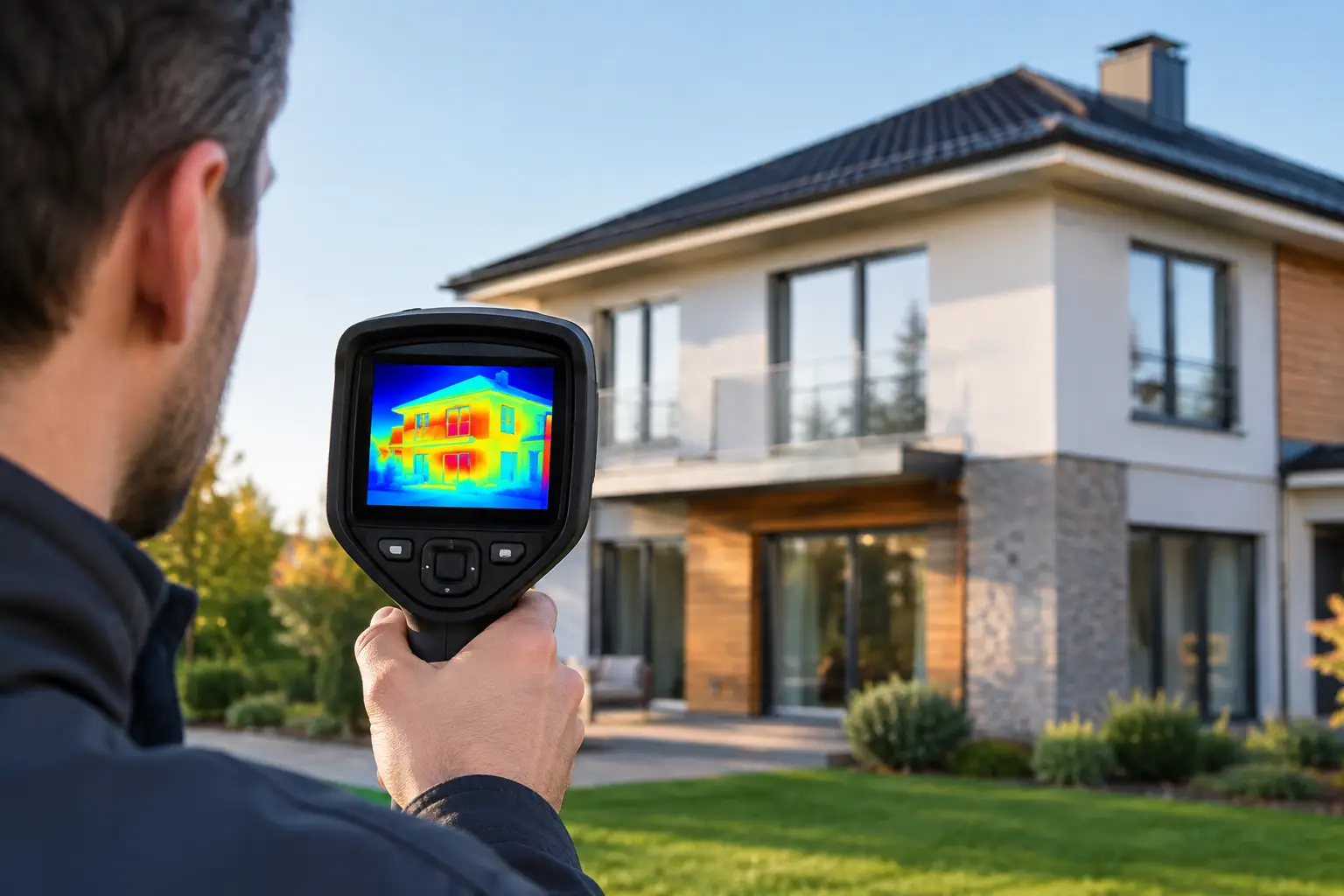
Access can also influence price. Steep sites, limited roof visibility, restricted loft access, cluttered rooms or occupied properties can all make the inspection more involved. In some cases, a specialist inspection may be recommended afterwards, particularly for drainage, timber, asbestos, roofing or structural concerns.
Location may affect cost with some providers, but it should not always be the deciding factor. National firms with wider coverage may offer more consistent fixed-fee pricing than local models that vary heavily by postcode.
When is the higher survey fee worth paying?
Paying more for a better survey is usually worthwhile when the property carries higher uncertainty. That includes period homes, neglected buildings, properties that have been extended, houses with visible cracking, or purchases where you suspect defects but cannot measure the likely repair burden.
A cheaper survey can become expensive if it misses the detail you needed. Buyers often discover this too late, especially when the report identifies issues but does not explain severity, probable cause or likely next steps. If the survey is not strong enough to support a price renegotiation or repair budgeting, its value drops sharply.
This is where experience matters. Reports prepared by qualified building engineers and surveyors with practical construction knowledge tend to be more useful because they connect the defect with the probable repair path. That helps clients move from concern to decision.
Is a Level 3 survey always necessary?
Not always. It depends on the building and on your own tolerance for risk. If you are buying a conventional modern flat or house with no obvious signs of defect, a lower-level survey may sometimes be enough.
But if the property is older, altered, vacant for a long period, poorly maintained or unusual in construction, a Level 3 survey is often the safer choice. The extra cost is generally easier to justify where repair exposure could run into several thousands of pounds.
There is also a middle ground. Some clients know they are buying a property with issues and want a report that focuses heavily on structural condition, movement, dampness or roofing. In those cases, the best value may come from a more specialist inspection rather than a generic survey alone.
What should you expect from the report?
A proper Level 3 report should do more than list defects. It should explain the condition of the building in plain English, identify significant risks, prioritise items by urgency and give sensible recommendations for repair or further investigation.
For buyers, the best reports are the ones that help answer commercial questions. Is this defect cosmetic or structural? Is the roof near the end of its serviceable life? Is the damp localised or widespread? Are repairs likely to be minor maintenance or major works?
That is where value becomes clearer. The survey fee buys information, but more importantly it buys leverage, planning certainty and reduced risk. A strong report can support renegotiation before exchange, prevent overpaying, or stop a buyer taking on a property with more liability than expected.
Cheap versus transparent pricing
There is a difference between affordable and cheap. Affordable pricing is clear, fixed and matched to the scope of work. Cheap pricing can sometimes mean reduced inspection time, a lighter report or a survey format that does not fully reflect the property’s complexity.
A dependable provider should be able to explain how the fee is set and what the client will receive. That matters because survey costs are often compared side by side, even when the service behind them is not equivalent.
At HICH LTD, the emphasis is on fixed-fee pricing that reflects the property itself rather than inflated assumptions based on sale price alone. For many clients, that makes the service easier to understand and easier to trust.
How to judge whether the quote is fair
Start by looking at the age, size and condition of the property. Then ask whether the quoted service gives you enough depth for the level of risk involved. A fair quote should reflect inspection time, reporting detail and the expertise of the surveyor producing the report.
It is also sensible to ask what happens after the report is issued. Can findings be clarified? Is the language practical? Will the report support decisions on defects, budgeting and negotiation? These points are often more useful than saving a small amount on the fee.
The strongest value usually comes from surveys that combine technical accuracy with commercial usefulness. For a buyer, that means being able to act on the findings with confidence rather than being left with a vague list of concerns.
A sensible way to think about survey cost
The level 3 building survey cost should be viewed as part of your purchase due diligence, not as an optional extra attached to moving costs. When a building has age, complexity or visible defects, the survey is often one of the few opportunities to identify risk before you are fully committed.
A careful inspection will not remove every uncertainty, and no survey can open up hidden areas without further instruction. But a detailed, well-prepared Level 3 survey can give you the clearest picture available at the point of purchase. If that helps you avoid one major repair surprise or negotiate a better price, the fee has usually justified itself many times over.
When you are comparing quotes, focus on clarity, scope and expertise first. The right survey is not simply the cheapest one. It is the one that gives you enough reliable detail to make a confident property decision.