
Roof Survey vs Roof Inspection: Which Do You Need?
A slipped tile can be a straightforward maintenance job. A damp patch below it may point to failed flashings, deteriorated underlay, defective gutters or a longer-standing moisture issue. That is why the roof survey vs roof inspection question matters: the right service should give you evidence of the roof’s condition, not simply confirm that it was looked at.
For buyers, homeowners and landlords, the terms are often used interchangeably. In practice, the scope, purpose and level of reporting can differ considerably. The most suitable option depends on whether you need a quick condition check, a detailed diagnosis of a known problem, or formal evidence to support a purchase decision, repair plan or dispute.
Roof survey vs roof inspection: the practical difference
A roof inspection is usually a visual assessment of accessible roof elements. Its purpose is to identify obvious defects, maintenance concerns and areas that may require further investigation. Depending on the brief and access arrangements, this can include roof coverings, ridges, valleys, flashings, chimneys, gutters, downpipes, rooflights and visible internal signs of water ingress.
A roof survey is generally a more detailed diagnostic service. It considers the condition of the roof in the context of the building, investigates reported symptoms and provides a fuller explanation of likely causes, risks and recommended remedial work. A survey report may also comment on the roof structure where accessible, including timbers, insulation, ventilation and evidence of movement, decay or historic alterations.
There is no single legal definition that every provider follows. Some companies call a basic visual visit a roof survey, while others reserve the term for a more comprehensive investigation. The important question is not the label alone. It is what will be inspected, how access will be achieved, what evidence will be collected and what the written report will allow you to do next.
What a roof inspection normally covers
A standard inspection is often appropriate where the issue appears localised or where you want an informed view before commissioning repair work. A qualified surveyor or building professional will assess accessible areas and record defects visible at the time of the visit.
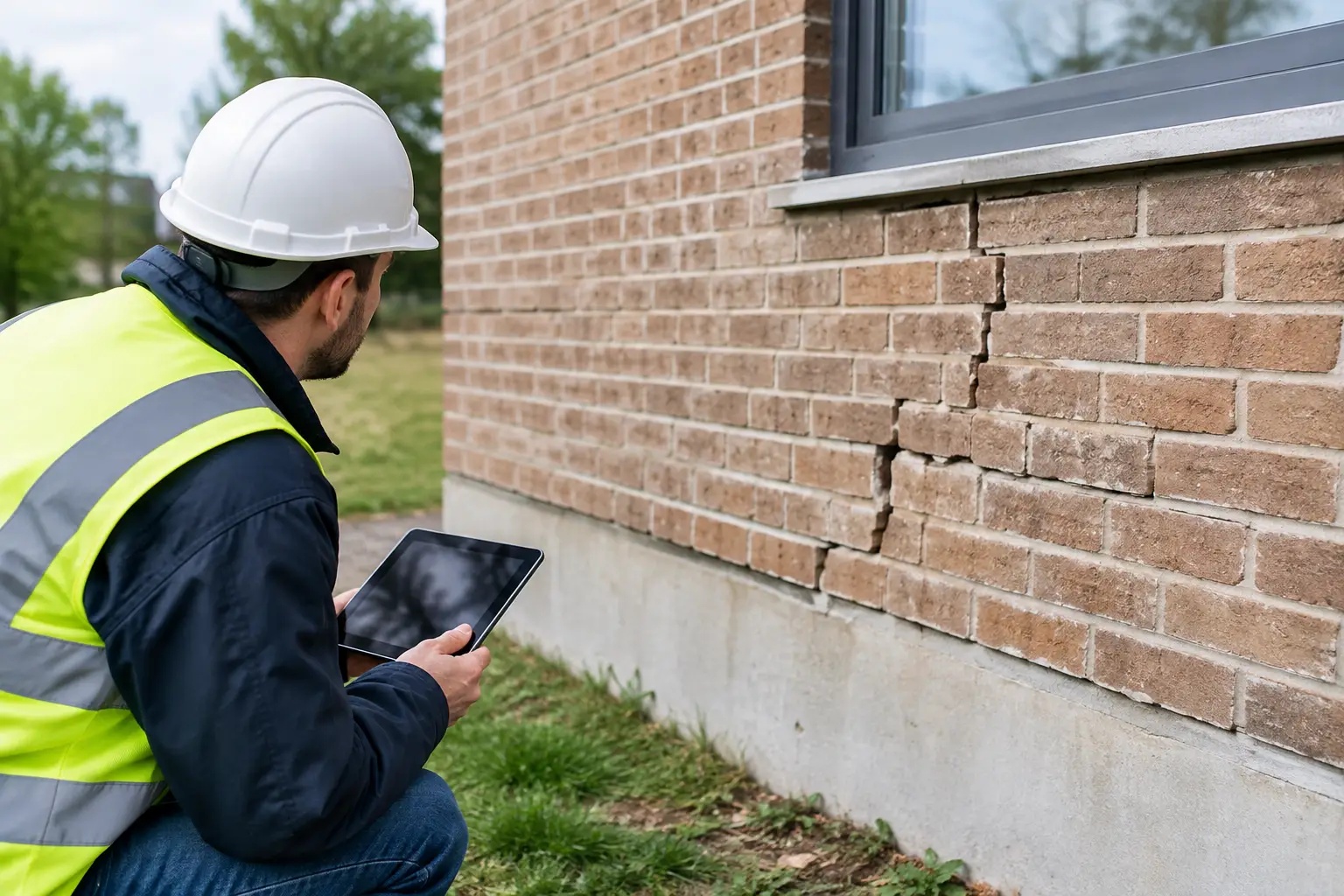
Externally, this may involve checking for cracked, missing or displaced slates and tiles; worn mortar bedding; damaged leadwork; blocked rainwater goods; perished sealants; and defects around chimneys, rooflights or dormers. Internally, the inspection may identify staining, mould, moisture marks, poor ventilation or daylight visible through the roof covering.
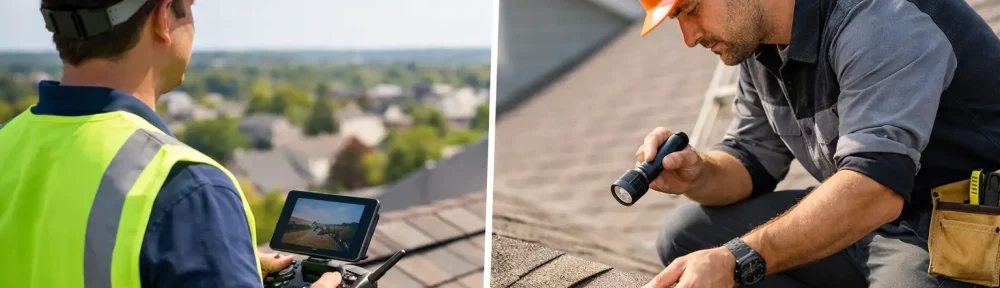
Access is a significant limitation. A ground-level review or inspection from a ladder can identify many concerns, but it cannot provide the same level of certainty as a close-up assessment. Drone imagery can be valuable for high, steep or inaccessible roofs, particularly where it captures defects that would otherwise be difficult to see. However, images alone do not always establish why a defect has occurred or whether hidden construction elements have been affected.
An inspection is therefore useful for routine maintenance, an early response to a leak, landlord condition checks and obtaining a clearer brief for a roofer. It may be less suitable when the defect is complex, recurrent or likely to affect the value, safety or insurability of the property.
When a detailed roof survey is the better choice
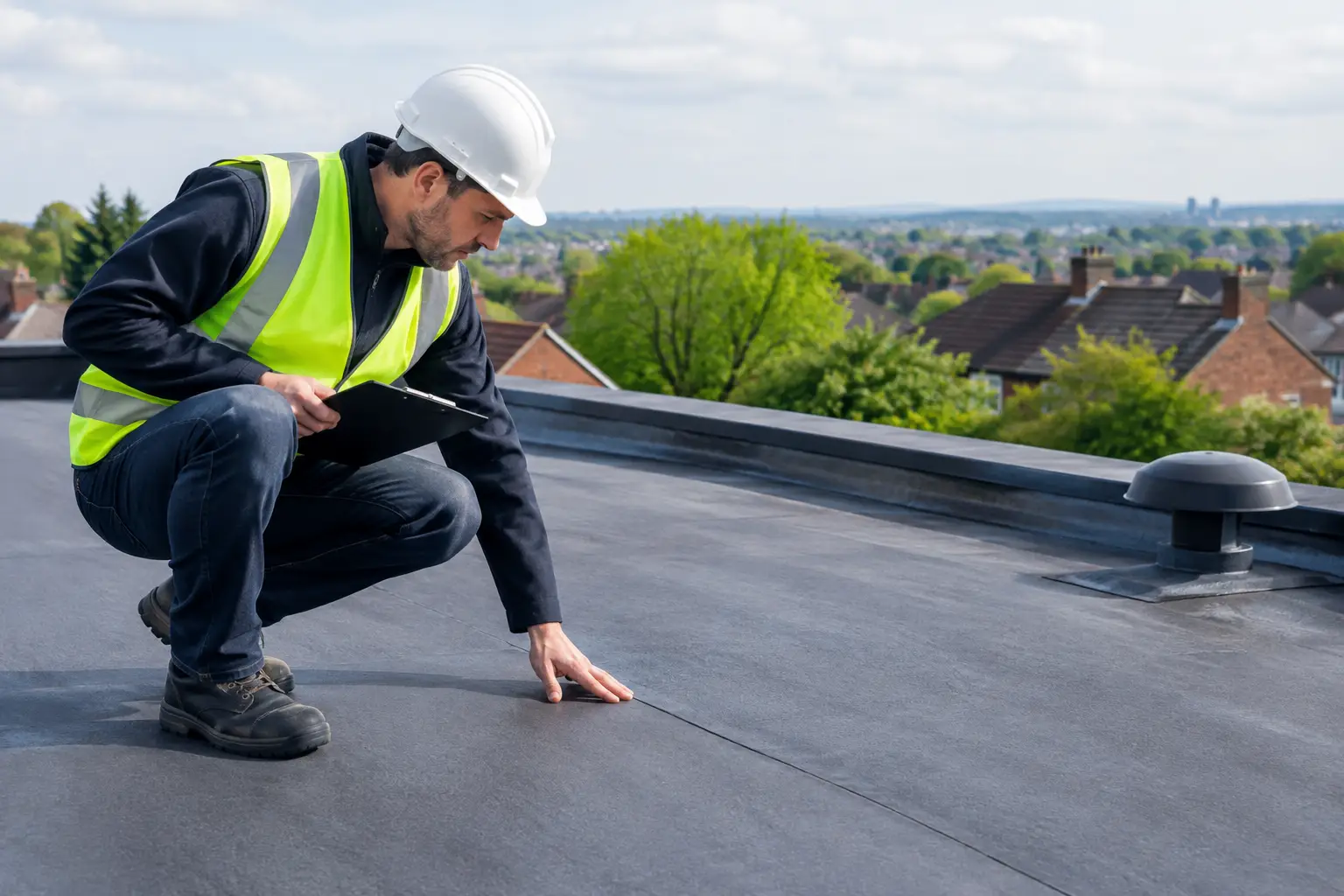
A roof survey is designed for situations where a simple visual check is unlikely to answer the key questions. For example, you may have water ingress that returns after several repairs, widespread staining in a loft, concerns about a flat roof nearing the end of its serviceable life, or uncertainty over the condition of a roof on a property you are buying.
The surveyor will investigate the relationship between symptoms and likely causes. A ceiling stain does not automatically mean the roof covering has failed. Moisture can arise from leaking pipes, condensation, defective cavity trays, overflowing gutters or inadequate ventilation. A proper diagnosis helps prevent money being spent on repairs that do not resolve the underlying problem.
Where accessible, a roof survey can assess the construction beneath the outer covering. This is particularly relevant in older houses, converted lofts and properties with historic extensions. The survey may identify sagging rafters, timber decay, inadequate support, poor insulation detailing, blocked ventilation routes or unsuitable previous repairs. These findings can materially change the scope and cost of remedial work.
A detailed report should distinguish between urgent defects, recommended repairs and items to monitor. It should explain the likely consequences of leaving defects untreated and give practical guidance on the type of work required. For a buyer, this can support price negotiations or a decision to seek further specialist advice. For an owner, it creates a more reliable basis for obtaining comparable quotations.
Choosing the right service for your circumstances
The decision often comes down to the risk of getting it wrong. If one or two tiles have been displaced after severe weather and there are no signs of internal damage, an inspection may be enough to confirm the repair needed. If the roof is ageing, leaking in several locations or showing signs of structural deterioration, a survey is likely to offer better value because it investigates the wider picture.
For pre-purchase work, consider the age and design of the roof as well as what has already been identified in the property survey. That survey may flag roof defects but, because it covers the whole building, it may not provide the specialist detail needed to establish the extent of the issue. A separate roof survey can be especially worthwhile for thatched roofs, flat roofs, large roof areas, converted lofts, complex valleys, shared roofs and properties where previous repairs are evident.
Landlords and managing agents may need a report that clearly records condition, priorities and maintenance recommendations. Developers and homeowners undertaking refurbishment may need evidence before changing a roof structure, adding rooflights or converting a loft. In disputes, an independent diagnostic report can help separate workmanship concerns from pre-existing deterioration or inadequate maintenance.
Questions to ask before booking
Before arranging either service, ask what is included in the inspection scope and whether the surveyor will enter the loft space. Confirm the planned method of external access, whether drone inspection is available where appropriate, and whether additional access equipment would be required for close examination.
Also ask what the report will contain. Clear photographs, defect locations, plain-English explanations and prioritised recommendations are far more useful than a brief statement that the roof is in ‘fair condition’. If repair costs are a major concern, establish whether the report will give budget guidance or describe the work clearly enough for contractors to quote on a like-for-like basis.
It is sensible to be open about the symptoms you have noticed. State when the leak occurs, whether it follows wind-driven rain, if the issue is seasonal, and whether any repair work has already taken place. This information helps the surveyor target the investigation and identify patterns that may not be visible on the day.
Why report quality matters as much as inspection scope
A roof is not a single component. It is a system of coverings, junctions, drainage, structure and ventilation. A report that identifies a cracked tile but does not consider the surrounding detailing may miss the reason moisture is entering. Equally, a report that recommends full replacement without explaining the condition of the wider roof can leave you unable to judge whether that cost is justified.
The best outcome is a proportionate assessment. Not every defect requires immediate replacement, and not every roof needs a full survey. But where financial exposure is high, a detailed inspection by a qualified building professional can reduce uncertainty and help you prioritise work properly.
HICH LTD provides specialist roof surveys for clients who need clear defect analysis and practical recommendations, whether they are purchasing a property, investigating water ingress or planning repairs. A fixed-fee service and a report focused on condition, urgency and likely remedial needs can make the next decision far easier.
If you are unsure which service to commission, start with the decision you need the report to support. The clearer the purpose – repair, purchase, maintenance, insurance or dispute – the easier it is to select an inspection scope that gives you useful answers rather than another unanswered question.