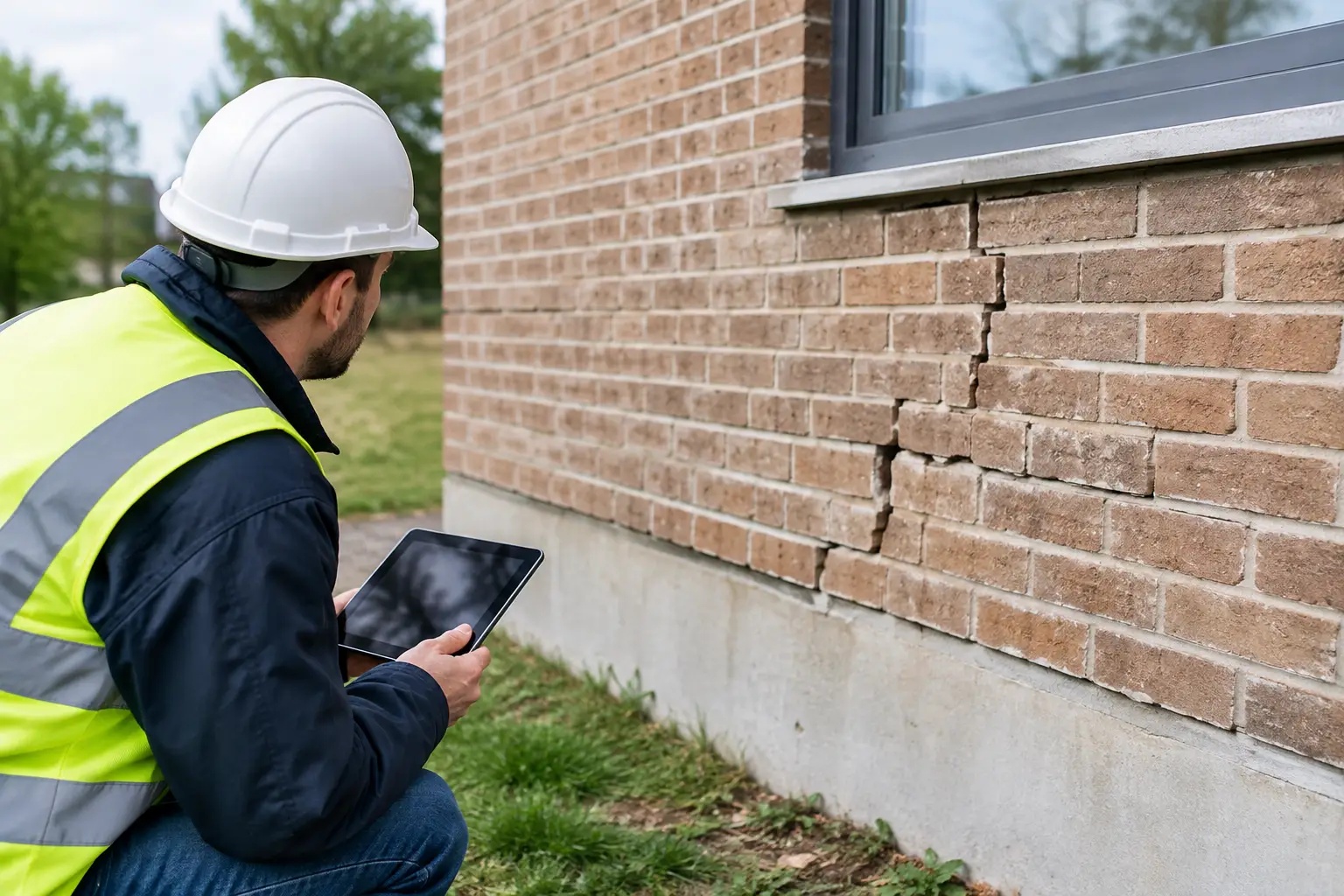


Property Defect Report Before Purchase
You can repaint a wall, replace a boiler and even rework a kitchen. What is far harder to fix is buying a property without fully understanding what is wrong with it. A property defect report before purchase gives you a clear view of the building’s condition before you commit, helping you avoid expensive surprises and make decisions with proper evidence rather than guesswork.
For many buyers, the first real warning sign appears after the offer is accepted. A small crack suddenly looks less cosmetic. A damp smell in the rear room starts to suggest a wider moisture problem. The roofline appears uneven when viewed from the garden. At that point, the question is no longer whether the property has defects. Nearly every building does. The real question is which defects matter, how urgent they are, and what they are likely to cost.
What a property defect report before purchase actually does
A property defect report before purchase is designed to identify visible and suspected defects that may affect the safety, performance, value or future maintenance cost of a building. It goes beyond a quick opinion and focuses on practical findings. That means identifying what the defect is, where it appears, what may have caused it, how serious it is, and what should happen next.
For buyers, this matters because an agreed sale price often reflects presentation more than condition. Fresh decoration can hide cracks. Recently fitted flooring can conceal uneven subfloors or historic damp. Loft spaces, roof coverings, drainage arrangements and structural movement patterns are easy to miss during a viewing, especially when you are focused on location, layout and mortgage timings.
A good report brings the conversation back to evidence. It helps you distinguish between routine age-related wear and defects that could affect your budget or your willingness to proceed.
Why buyers rely on a defect report before committing
The value of pre-purchase reporting is not limited to serious structural failure. In practice, many costly problems begin with smaller warning signs that are either misunderstood or ignored. Hairline cracking may be harmless shrinkage, but it can also indicate movement. Damp staining may relate to condensation, but it can also point to defective rainwater goods, bridging or failed waterproofing. A roof may still be standing, yet require substantial repair due to slipped coverings, degraded flashings or timber decay.
Without a specialist assessment, buyers are often left with incomplete information. Mortgage valuations are not condition surveys, and a standard viewing is not an inspection. Even where a general survey has already been arranged, a targeted defect report can still be useful if a particular issue needs closer analysis.
This is especially relevant for older houses, converted flats, properties with visible cracking, signs of water ingress, suspected roof defects, non-standard construction, or any building that has been altered without clear supporting detail.
The difference between concern and evidence
Buying decisions often slow down when uncertainty enters the process. Sellers may downplay visible defects. Estate agents may describe issues as minor. Builders may offer informal views without inspecting the wider building properly. None of that gives a buyer a dependable basis for action.
A professional defect report changes that. It provides a written assessment that can support price negotiations, repair planning and further specialist enquiries where needed. It also helps buyers avoid overreacting to defects that are manageable and common in properties of a certain age.
What is usually covered in the inspection
The scope depends on the property and the concern, but most pre-purchase defect reports look closely at structural condition, movement, dampness, roof defects, external fabric deterioration, internal cracking, timber issues and signs of poor workmanship or failed repairs.
The most useful reports do not stop at naming defects. They explain severity and likely consequence. That distinction matters. For example, a defect may be evident but not urgent, while another may appear modest yet point to progressive water ingress or structural instability.
Surveyors will usually consider how different elements of the building relate to each other. A ceiling stain might originate from a roof defect, failed flashing, plumbing leak or condensation issue. Cracks around an opening may connect with lintel failure, thermal movement, inadequate support or historic settlement. Looking at one symptom in isolation can lead to the wrong conclusion.
Common issues flagged before purchase
In UK residential property, recurring concerns include roof spread, slipped tiles or slates, damp penetration, rising damp misdiagnosis, condensation-related mould, rotten joinery, poor drainage, cavity wall defects, failed pointing, corroded wall ties, structural cracking and unauthorised alterations.
Not every issue is a deal-breaker. Some are straightforward maintenance items. Others affect insurance, mortgageability, safety or resale value. The point of the report is to separate these categories clearly, so the buyer can act with confidence.
How a property defect report before purchase helps with negotiation
One of the strongest commercial benefits of a property defect report before purchase is that it gives buyers leverage based on documented condition rather than opinion. If substantial repairs are needed, you can reopen the discussion with the seller from a position of fact.
That does not always mean asking for a large reduction. Sometimes the better outcome is agreement on specific remedial works, a retention strategy, or simply clarity that allows you to budget properly. In other cases, the report may reveal a level of risk that justifies walking away before further costs build up.
There is a trade-off here. If the local market is highly competitive, some buyers worry that raising defects will weaken their position. That can happen. But proceeding without understanding likely repair exposure is usually the greater financial risk. A purchase is not cheaper because the defects were ignored at the point of offer.
When a standard survey may not be enough
Many buyers arrange a home survey and assume that covers everything they need. Sometimes it does. Sometimes it does not. A broad survey is useful for general condition, but if one issue stands out, a defect-specific report often provides better depth.
For example, if the survey mentions significant cracking, roof concerns or dampness but recommends further investigation, that is the moment to obtain a focused report. The aim is not duplication. It is clarification. Buyers need enough detail to understand whether they are facing routine repair work or a more serious liability.
This is where a specialist inspection can save time as well as money. A report prepared by qualified building engineers or surveyors with practical diagnostic experience will usually identify patterns that a general overview cannot fully explore.
What buyers should look for in the report provider
Not all reporting is equal. Buyers should look for a provider that offers clear scope, practical defect analysis and reporting that explains urgency in plain English. Qualifications matter, but so does real construction understanding. A report should help you make a decision, not leave you with a list of vague observations and no sense of priority.
Turnaround time is also important, particularly when transactions are moving quickly. Fixed-fee pricing helps too, because buyers already face legal costs, mortgage costs and removals. Transparent pricing based on property size rather than inflated assumptions about value gives clients a clearer route to proper due diligence.
HICH LTD works in this space by providing specialist defect inspections and pre-purchase reporting that focus on real building condition, repair implications and commercially useful advice. For buyers, that means practical evidence delivered quickly enough to support the transaction rather than delay it unnecessarily.
The cost of not getting the right advice
The temptation to save money before purchase is understandable. Surveys and defect reports can feel like another expense in an already expensive process. But the cost of missing hidden defects is usually much higher than the cost of identifying them early.
A roof replacement, structural stabilisation work, damp remediation, timber repairs or drainage correction can run into thousands. Even where the physical repair is manageable, the stress and delay caused by unexpected defects after completion can be considerable. Once you own the property, the problem is yours.
A careful buyer is not being pessimistic. They are managing risk properly. That is especially true where the building shows visible warning signs, has been extended, appears poorly maintained, or is of an age and type known to present recurring defects.
Making a confident decision before exchange
The best pre-purchase decisions are rarely based on appearance alone. They are based on understanding condition, likely repair needs and whether the agreed price still makes sense once the defects are known. A property defect report before purchase helps you get to that point with clarity.
Sometimes the report confirms that the issues are manageable and the purchase remains sound. Sometimes it strengthens your negotiating position. Sometimes it tells you the risks are greater than the asking price suggests. All three outcomes are useful, because each one prevents a decision based on hope.
When you are about to make one of the largest financial commitments of your life, clear defect analysis is not an extra. It is part of buying responsibly. The right report will not make the decision for you, but it will make sure the decision is informed.