
What a Building Survey Finds Before You Buy
A property can look well presented at a viewing and still conceal expensive defects. Fresh paint may disguise damp staining, a tidy loft may hide inadequate insulation or roof movement, and a recently refurbished kitchen says very little about the condition of the structure behind it. A building survey provides a clearer picture before you commit to a purchase, plan major works or enter a dispute about defects.
For buyers, it is often the difference between negotiating from evidence and discovering a serious problem after completion. For homeowners, landlords and developers, it creates a practical record of condition, likely causes and repair priorities. The value is not simply in identifying faults. It is in understanding what needs urgent attention, what can be monitored and what the issue may mean for cost, safety and future plans.
What is a building survey?
A building survey is a detailed visual inspection of a property’s construction, condition and visible defects. It is particularly useful for older homes, altered properties, buildings in poor condition, non-standard construction and purchases where you need a thorough assessment before spending money.
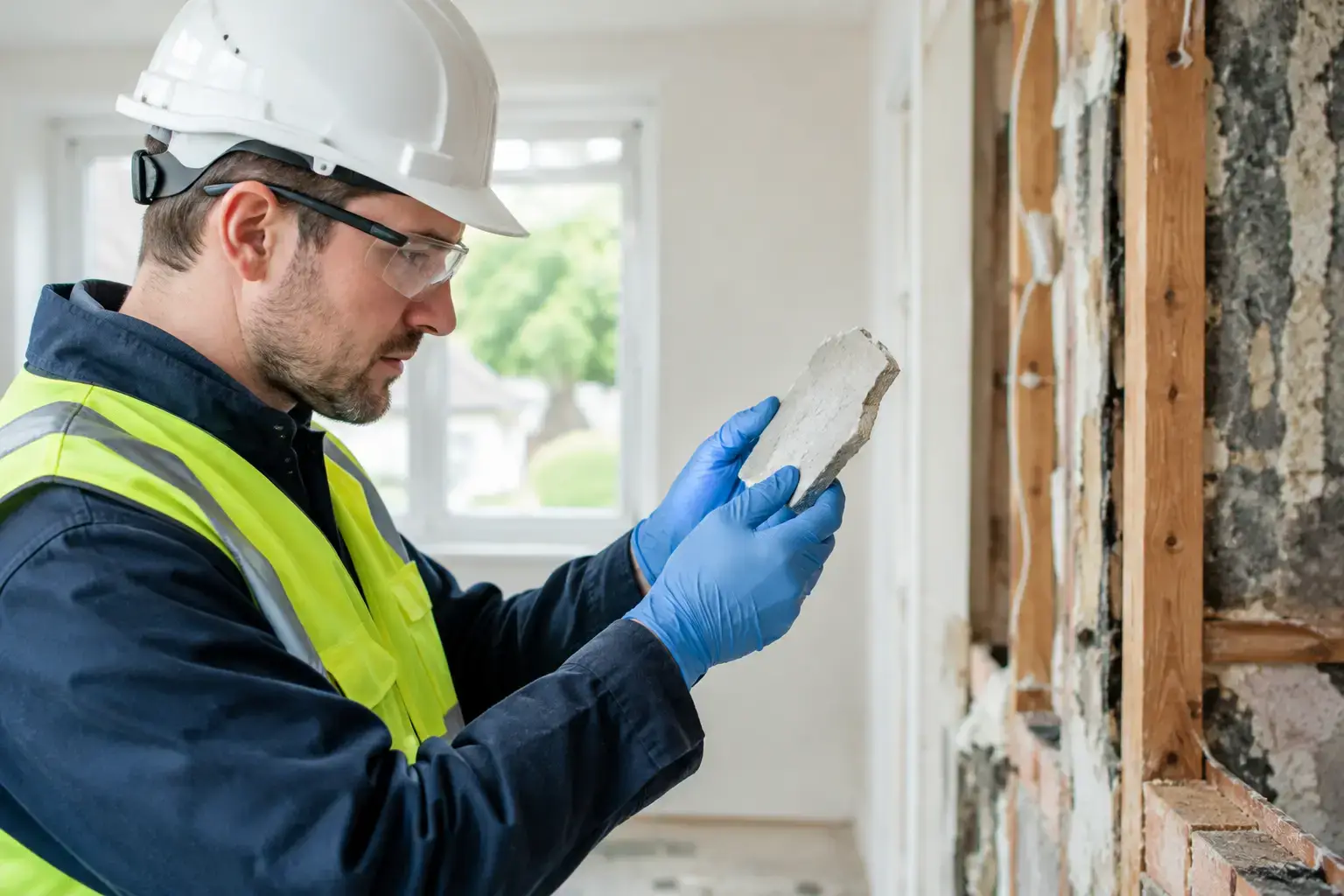
The surveyor examines accessible parts of the building and reports on concerns such as structural movement, dampness, roof defects, timber decay, drainage issues, insulation, ventilation and signs of poor workmanship. A good report should explain each issue in plain English, set out the likely cause where this can be reasonably identified, and indicate the urgency of repair.
It is not a guarantee that every hidden defect will be found. Surveyors cannot normally open up walls, lift fitted floors or dismantle roofs without prior agreement. However, an experienced inspection can identify warning signs that justify further investigation before contracts are exchanged or repair work begins.
What does a building survey typically inspect?
The scope depends on the property and the service instructed, but a comprehensive inspection usually considers the main building elements from roof to ground level. This includes the external walls, chimneys, roof coverings, gutters, windows, doors, internal finishes, floors, ceilings, loft spaces and visible structural components.
The survey also considers factors that affect how the building performs. Ventilation, moisture control, insulation and rainwater drainage are often overlooked by buyers, yet they are closely linked to damp, mould, heat loss and timber deterioration. A cracked wall, for example, may be cosmetic, but it may also indicate movement caused by failed gutters, leaking drains, shallow foundations or historic alteration. The surrounding evidence matters.
Structural movement and cracking
Cracking is one of the most common reasons people arrange a survey, but not all cracks have the same significance. Fine plaster cracks can result from normal drying, minor settlement or seasonal movement. Wider, stepped or progressive cracks may require closer review, particularly if doors are sticking, floors are sloping or there are signs of recent repair.
A survey can distinguish between visible symptoms and likely causes, while making clear where a structural engineer, drainage investigation or monitoring programme is appropriate. This prevents assumptions that could lead to either unnecessary expense or a missed risk.
Roofing, chimneys and rainwater goods
Roofing defects can be costly because water ingress often develops slowly before it becomes visible inside. Loose or slipped tiles, worn flat-roof coverings, defective flashing, blocked gutters and deteriorated chimney pointing can all allow moisture into the building fabric.
A roof inspection assesses the visible condition of these elements and highlights access limitations. If the roof cannot be safely viewed from ground level, a dedicated roof survey may be the better option. This can be particularly useful where there is evidence of leaking, staining, sagging or recurring repairs.
Damp, condensation and timber defects
Damp is a description, not a diagnosis. It may result from penetrating rain, leaking plumbing, defective drainage, rising damp, condensation or a combination of issues. Treating the wrong cause can waste money and leave the property worse off.
A careful inspection considers moisture patterns, building materials, ventilation, external ground levels and maintenance defects. Where there are signs of timber decay, wood-boring insect activity or mould growth, the report should explain the likely conditions allowing the problem to develop and the next practical steps.
Building survey, valuation or mortgage inspection?
These services are regularly confused, yet they have different purposes. A mortgage valuation is prepared for the lender. It is not a detailed condition report and should not be relied upon as a full assessment of the property.
A property valuation estimates market value. It may refer to obvious condition issues, but its primary purpose is to establish value rather than investigate defects. A building survey focuses on the physical condition of the property and the risks associated with it.
For a conventional, modern home in good condition, a less detailed survey may be suitable. For a period property, a home that has been extended, a building with visible cracking or damp, or a property requiring refurbishment, a fuller building survey is usually the more sensible investment. The right level depends on the age, construction, condition and your tolerance for risk.
When should you arrange a building survey?
The strongest time to commission a survey is after your offer has been accepted but before you are legally committed to the purchase. This gives you time to ask the seller questions, obtain contractor estimates, renegotiate the price or withdraw if the risks are greater than expected.
It is also valuable outside the purchase process. Existing owners may need an independent assessment before refurbishment, when investigating persistent leaks or cracking, following storm damage, or when a contractor’s recommended works do not feel properly justified. Landlords can use condition reporting to plan maintenance and reduce the chance of small defects becoming larger liabilities.
For developers and construction stakeholders, an inspection can provide useful evidence before handover, during snagging, or when poor workmanship and defect responsibility are disputed. The report needs to be specific, objective and clear about the evidence observed.
How to get the most from the report
A survey report is most useful when it helps you make a decision, rather than simply listing defects. Before booking, provide as much information as possible about the property, including its age, known alterations, concerns raised during viewings and any areas you particularly want assessed. If you have noticed a leak, crack or uneven floor, say so. It helps the surveyor focus attention on the issue and consider it in context.
Once the report arrives, prioritise the findings. Urgent safety concerns, active water ingress and potential structural problems should be addressed first. Other work may be necessary but not immediate, such as renewing worn sealant, improving ventilation or planning future roof maintenance. Ask for clarity where needed, especially if a recommendation could affect your budget or purchase decision.
Repair costs will vary by location, access, materials, specification and the extent of concealed damage. A survey can identify where you should seek quotations, but a contractor will normally need to inspect before providing a fixed price. This distinction matters: an early estimate is useful for planning, but it is not the same as a confirmed scope of works.
Choosing a surveyor
Choose a provider with relevant construction and diagnostic experience, not just a standardised checklist. The quality of the inspection depends on the surveyor’s ability to connect symptoms with probable causes and recognise when further specialist input is needed.
Look for transparent pricing, clear scope, realistic turnaround times and reports written for practical decision-making. If the property has a specific concern, such as a roof leak, suspected asbestos or thermal bridging, check whether the provider can also arrange the appropriate specialist survey. Using a team that understands the relationship between building elements can reduce delay and avoid conflicting advice.
HICH LTD provides nationwide property inspections with fixed-fee options and reports focused on defects, repair priorities and practical next steps. This is especially helpful when you need a clear view of condition without pricing that rises simply because the property is in a higher-value area.
A building survey cannot remove every uncertainty from property ownership, but it can replace guesswork with evidence. Arrange it early enough to act on the findings, read it alongside your budget and plans for the property, and treat serious defects as decisions to investigate properly rather than problems to hope away.