
Best Survey for Old Houses in the UK
A Victorian terrace with fresh paint can still be hiding failing roof timbers, movement in the rear wall, damp trapped by modern cement render, or long-forgotten alterations that were never properly supported. That is why choosing the best survey for old houses matters so much. Older properties often have more character, but they also tend to have more layers, more repairs, and more uncertainty than a standard modern home.
If you are buying, inheriting, refurbishing, or trying to diagnose defects in an older building, the right survey is less about paperwork and more about reducing risk. You need a report that does more than give a broad condition rating. It should identify visible defects, explain likely causes, flag urgency, and help you understand the repair implications before you commit further money.
What is the best survey for old houses?
In most cases, the best survey for old houses is a full building survey, often referred to as a structural building survey in practical terms. This is the most detailed pre-purchase inspection for residential property and is generally the right choice where the house is older, altered, in poor condition, vacant, or built using non-standard materials.
A basic valuation is not a condition report. A mortgage valuation serves the lender, not the buyer. A lighter survey may suit a relatively modern flat in good order, but it can miss the level of detail needed for period housing stock. Old houses behave differently. They move differently, breathe differently, and have often been repaired in ways that create new defects rather than solve old ones.
A proper building survey gives the surveyor more scope to assess the structure, roof, dampness patterns, cracking, timber condition, insulation detail, ventilation, and signs of poor workmanship. It also allows room for context. A crack in a 1930s semi may be cosmetic. The same crack in an 1850s cottage with historic movement and uneven floors needs a more careful view.
Why old properties need a more detailed survey
Age alone does not make a building defective, but it does increase the chance that defects are concealed by later finishes or misunderstood by buyers. Many older houses have had decades of patch repairs, extensions, loft conversions, chimney changes, replacement roofs, injected damp treatments, upgraded windows, rewiring, replumbing, and internal reconfiguration. Some of those works will be sound. Some will not.
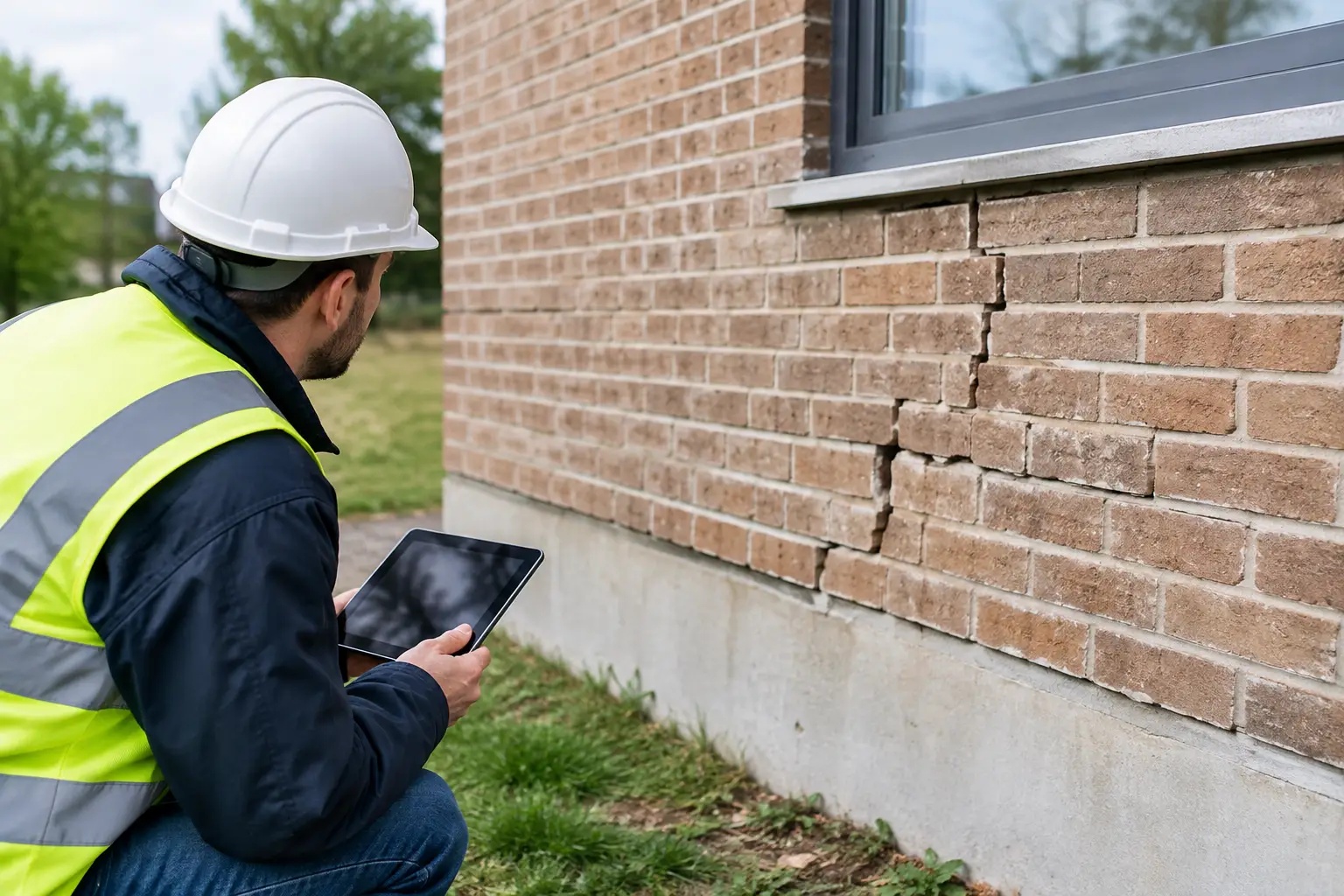
The issue is that old buildings rarely fail in a simple, isolated way. Damp may be linked to blocked sub-floor ventilation, raised external ground levels, defective rainwater goods, and impermeable internal finishes all at once. Roof spread may connect to missing restraints, altered ceiling ties, and long-term water ingress. Uneven floors might be historic settlement, timber decay, or poor-quality alteration work.
That is why a more detailed inspection is usually the sensible route. It gives you a clearer picture of the building as a whole rather than a short list of isolated symptoms.
When a building survey is the right choice
A building survey is usually recommended if the property was built before around 1900, though many houses from the early and mid-20th century also justify one. The same applies if the property has obvious defects, has been extended, appears poorly maintained, or is of unusual construction.
Buyers sometimes hesitate because a detailed survey costs more than a basic option. In practice, the better question is whether a cheaper survey gives enough information to support the decision you are about to make. On an older property, the answer is often no. Saving a small amount on the inspection can leave you exposed to roofing defects, timber decay, structural movement, asbestos-containing materials, or costly drainage and damp-related issues that were never properly assessed.
For landlords and developers, the calculation is even more commercial. If the property needs refurbishment, a detailed survey helps prioritise works, budget more realistically, and avoid underpricing risk.
What a good old house survey should cover
The value of the survey depends on the depth of the inspection and the quality of the reporting. For older houses, you should expect clear commentary on structural movement, roof coverings and roof structure, rainwater disposal, external walls, internal cracking, dampness, ventilation, insulation, joinery defects, and evidence of timber infestation or decay where visible.
It should also explain likely causes and practical consequences. A report that merely says “damp noted” is not enough. You need to know whether the likely issue is penetrating damp, condensation, defective drainage, bridging, failed pointing, or another defect entirely. That level of explanation is what turns a survey into a decision-making tool.
Are lighter surveys ever suitable?
Sometimes, yes. If the property is not especially old, appears well maintained, and has no obvious signs of structural concern, a mid-level survey may be adequate. But this is where buyers can become overconfident. Estate particulars often describe homes as “full of charm” or “updated throughout” without saying much about the quality of the work behind the finishes.
A modernised period house is not automatically low risk. In fact, refurbishment can make inspection more important because finishes may conceal earlier problems or create incompatibility with the original structure. Cement pointing on soft brick, injected damp courses in solid walls, non-breathable plaster, or altered roof structures are all common examples.
So yes, there are cases where a lighter survey is enough, but for genuinely old houses it is usually the exception rather than the rule.
Best survey for old houses with visible defects
If the property already shows cracking, roof sagging, bulging walls, damp staining, uneven floors, or signs of poor alteration work, the best survey for old houses is not just the most detailed one available. It is the one carried out by a suitably qualified surveyor or building engineer who can interpret those symptoms properly.
This is where experience matters. Old buildings need more than a tick-box inspection. They need practical understanding of how traditional materials perform, how defects present over time, and which issues are urgent versus historic. A well-written report should not simply alarm you. It should separate serious concerns from age-related wear and help you focus on the defects that materially affect safety, habitability, or cost.
In some cases, the building survey may also recommend a targeted follow-on inspection, such as a roof survey, damp investigation, asbestos survey, or thermal imaging inspection. That is not a sign the initial survey failed. It is often the correct next step where specialist evidence is needed.
Common issues a survey should identify in old houses
Older homes across the UK frequently present similar categories of defect, though the causes vary from property to property. Roof deterioration, failed flashings, chimney defects, decayed lintels, sulphate attack in solid floors, rotten suspended timber floors, lateral spread in roofs, obsolete services, and inappropriate past repairs all appear regularly.
Damp is one of the most misunderstood areas. Not every patch of staining is rising damp, and not every old wall should be treated with the same solution used in a modern cavity wall house. Traditional buildings need compatible repair methods. A good survey should recognise that and avoid generic recommendations.
Asbestos can also be relevant, particularly where the property was altered in the 20th century. Textured coatings, soffits, garage roofs, floor tiles, and service duct materials may all warrant consideration depending on age and history.
Choosing the right surveyor, not just the right survey
The survey type matters, but so does the person carrying it out. For an older property, choose a provider that deals routinely with structural defects and building pathology, not just standard transactional inspections. Clear reporting, practical repair awareness, and the ability to explain likely cost implications are all highly valuable.
Turnaround time matters too, especially if you are in a live purchase. But speed should not come at the expense of detail. The best service is one that combines prompt booking and reporting with a thorough inspection and straightforward advice. That is especially important when the survey findings may support renegotiation, further specialist investigations, or a decision to withdraw.
For many buyers and owners, affordability is part of the decision. Fixed-fee pricing helps, particularly when it is transparent and based on the size of the property rather than inflated by sale price. HICH LTD takes that practical approach because clients need clear value as well as credible technical reporting.
What to do after the survey
Once the report arrives, do not just look at the headline rating or the photographs. Read the sections that explain cause, urgency, and recommended action. Some defects will need immediate attention. Others may simply need monitoring and sensible maintenance.
If you are buying, use the report to make a calm financial decision. You may proceed as planned, renegotiate based on repair needs, or commission targeted specialist inspections before exchange. If you already own the property, the report should help you prioritise works in the right order rather than spending money on cosmetic fixes that leave the underlying issue untouched.
Old houses can be excellent properties to own. Many are solid, attractive, and worth investing in. But they reward informed buyers and punish assumptions. The right survey does not remove every risk, but it gives you a much stronger footing for whatever comes next.