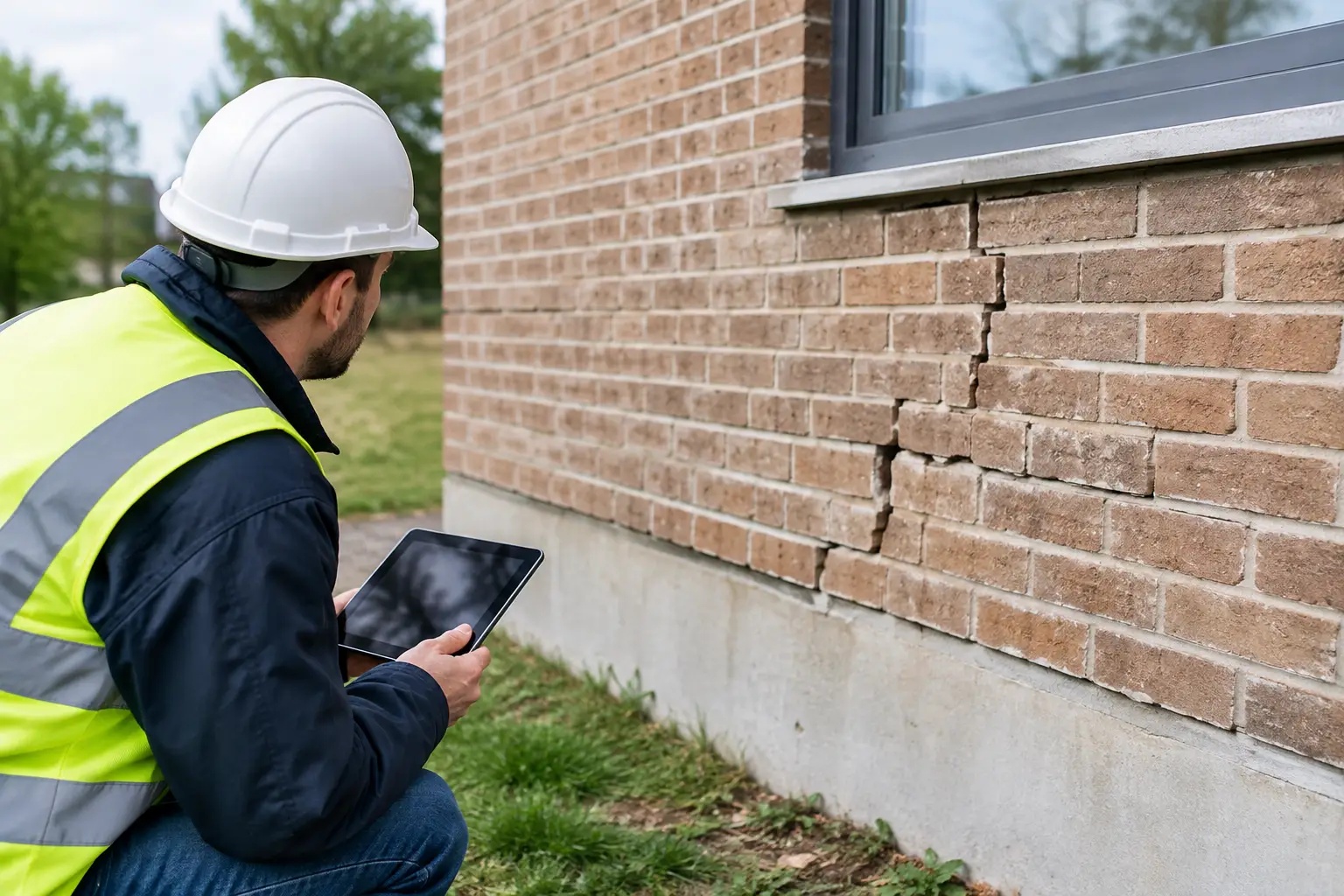


Structural Survey Guide for UK Property Buyers
A property can look perfectly sound during a viewing and still hide movement, roof spread, damp-related decay or poorly altered load-bearing walls. That is why a structural survey guide matters before you commit to a purchase, a refurbishment budget or a dispute over building defects. The right inspection gives you clear evidence of condition, likely causes, urgency and the probable cost implications of putting issues right.
For buyers, that can mean the difference between negotiating from a strong position and inheriting expensive repairs. For homeowners and landlords, it can mean finding the source of a crack pattern or roof defect before the damage spreads. For developers and construction stakeholders, it provides a technical basis for decisions, remedial works and accountability.
What a structural survey guide should help you understand
A good structural survey is not simply a box-ticking exercise. It is a targeted inspection of the building’s condition, with close attention paid to structural behaviour, visible defects and the way different parts of the property interact. That includes walls, roofs, floors, ceilings, openings, signs of movement, damp ingress and any evidence that past alterations may have affected stability.
The best reports do more than list problems. They explain what has been seen, what may be causing it, how serious it appears, and whether further intrusive investigation or specialist testing is sensible. That practical layer matters because not every crack is structural, and not every sign of movement is active. Some defects are historic and stable. Others point to ongoing change that needs prompt action.
This is where experience counts. A surveyor or building engineer with practical construction knowledge can usually distinguish between cosmetic cracking, settlement, thermal movement and more concerning distortion. That saves clients from overreacting to minor issues, while also helping them avoid underestimating serious ones.
When to book a structural survey
A structural survey is often associated with older houses, but age is only one factor. You should consider one whenever there is reason to question how the property is performing or what hidden costs may follow.
For pre-purchase clients, the common triggers are visible cracking, sloping floors, roof spread, bowing walls, signs of damp damage, chimney movement, previous extensions, loft conversions or wall removals. These features do not always mean major structural failure, but they do justify specialist assessment before exchange.
For existing owners, the timing is usually driven by a concern that has become hard to ignore. Cracks may be widening. Doors may start sticking. Ceilings may show sagging. A roof may have leaked long enough to affect structural timbers. In these cases, a structural survey helps separate urgent repairs from longer-term maintenance and gives you a clearer route forward.
Landlords, developers and parties in building disputes often need the same clarity for slightly different reasons. They may need evidence for scope of works, liability discussions, contractor management or valuation negotiations. In those situations, a technically sound report is not just informative – it is commercially useful.
What a structural survey usually covers
The exact scope depends on the property and the instruction, but a structural survey guide should set realistic expectations. This type of inspection is typically visual and non-intrusive unless otherwise agreed. The surveyor assesses accessible parts of the building and records material defects, symptoms of movement, deterioration and workmanship concerns.
External inspection usually looks at walling, pointing, lintels, openings, chimneys, roof coverings, flashings, rainwater goods and visible foundations-related symptoms such as stepped cracking. Internally, attention is given to ceilings, floors, walls, roof structure where accessible, moisture-related deterioration, timber defects and signs that alterations may have compromised load paths.
If there are suspected issues with a roof, thermal bridging, asbestos-containing materials or snagging defects, these may require separate specialist services rather than assumptions within a general structural inspection. That matters because one report cannot realistically answer every possible building concern in full detail.
Structural survey guide to common defects
In UK residential property, several issues appear repeatedly. Cracking is the one most people notice first, but context is everything. Fine plaster cracks around openings are often minor. Stepped cracks through masonry, differential movement near extensions, or cracks paired with distortion can indicate more significant structural movement.
Roof defects are another frequent concern. Spread in traditional roofs, failed supports, decayed timbers and long-term water ingress can all affect stability. A property may still be habitable while these issues develop, which is why they are sometimes missed until costs rise.
Poor alterations are also common. Removing walls without adequate support, cutting roof timbers during conversions, or carrying out extensions with weak detailing can create hidden risk. These problems are especially relevant in properties that have been heavily remodelled over time.
Damp and timber decay deserve careful attention too. Damp itself is not always structural, but prolonged moisture can weaken timbers, corrode embedded metal and damage finishes to the point where broader repair work becomes necessary. A useful report explains the distinction between cause and consequence, rather than treating all moisture staining as the same issue.
How to read the report and use it properly
The value of a survey lies in what you do next. A strong report should help you prioritise defects by seriousness, likely progression and repair implications. Some items will need urgent attention for safety or to prevent rapid deterioration. Others may be maintenance issues that can be planned and budgeted over time.
For buyers, the report often becomes part of the negotiation process. If significant repairs are needed, you may seek a price reduction, ask the seller to address certain matters, or decide the property is no longer the right fit. That choice depends on the purchase price, your appetite for work, and whether the defects are understood well enough to estimate the true cost.
For owners, the report should support a repair strategy. That may involve obtaining quotations, instructing further opening-up works, or coordinating specialist contractors. The clearest reports do not leave clients wondering what to do next. They point towards sensible next steps, even where final scope depends on more investigation.
Choosing the right surveyor
Not all property inspections are designed to answer structural concerns in detail. If your main worry is cracking, movement, roof distortion or construction defects, you need a service that is specifically geared towards defect diagnosis rather than a broad overview alone.
Look for qualified surveyors or building engineers with direct experience in structural behaviour, residential defects and repair implications. Reporting quality matters just as much as inspection quality. A technically accurate report that is vague about urgency or remedial significance is less useful than one that explains findings in plain English and ties them to practical decisions.
Speed and pricing transparency matter as well. Property decisions often run to tight deadlines, and clients do not want costs shaped by the value of the home rather than the work involved. A fixed-fee model based on property size can make specialist surveying more accessible and easier to budget for.
This is where firms such as HICH Ltd stand out for many clients – combining nationwide coverage, specialist building diagnostics and practical reporting that helps buyers, owners and stakeholders make decisions quickly and with confidence.
It depends – and that is a good sign
A dependable surveyor will not pretend every defect has a simple answer from a single visit. Sometimes visible movement is historic and stable. Sometimes it points to drainage issues, foundation problems or poor detailing that need further checks. Sometimes the immediate priority is not structural repair at all, but stopping water ingress before more damage occurs.
That measured approach is exactly what clients should want. A sound structural survey guide is not about dramatic language or worst-case assumptions. It is about evidence, judgement and proportion. You need to know what is wrong, how concerned to be, and what action is sensible in commercial and practical terms.
If you are buying, maintaining or investigating a property, the right survey gives you more than a defect list. It gives you a clearer basis for spending money wisely, negotiating fairly and avoiding surprises that should have been identified earlier.