
How to Check Roof Condition Properly
A roof can look acceptable from the street and still be hiding failed felt, slipped tiles, damp insulation or early structural movement. If you are wondering how to check roof condition before buying, selling or planning repairs, the key is knowing what can be assessed safely from ground level and what needs a closer professional inspection.
For homeowners and buyers, that distinction matters. A missed roofing defect rarely stays small for long. Minor issues such as cracked mortar, isolated slipped slates or blocked valleys can develop into internal damp, timber decay and expensive remedial works. A careful check helps you decide whether the roof is performing as expected for its age, or whether it needs urgent attention.
How to check roof condition from the outside
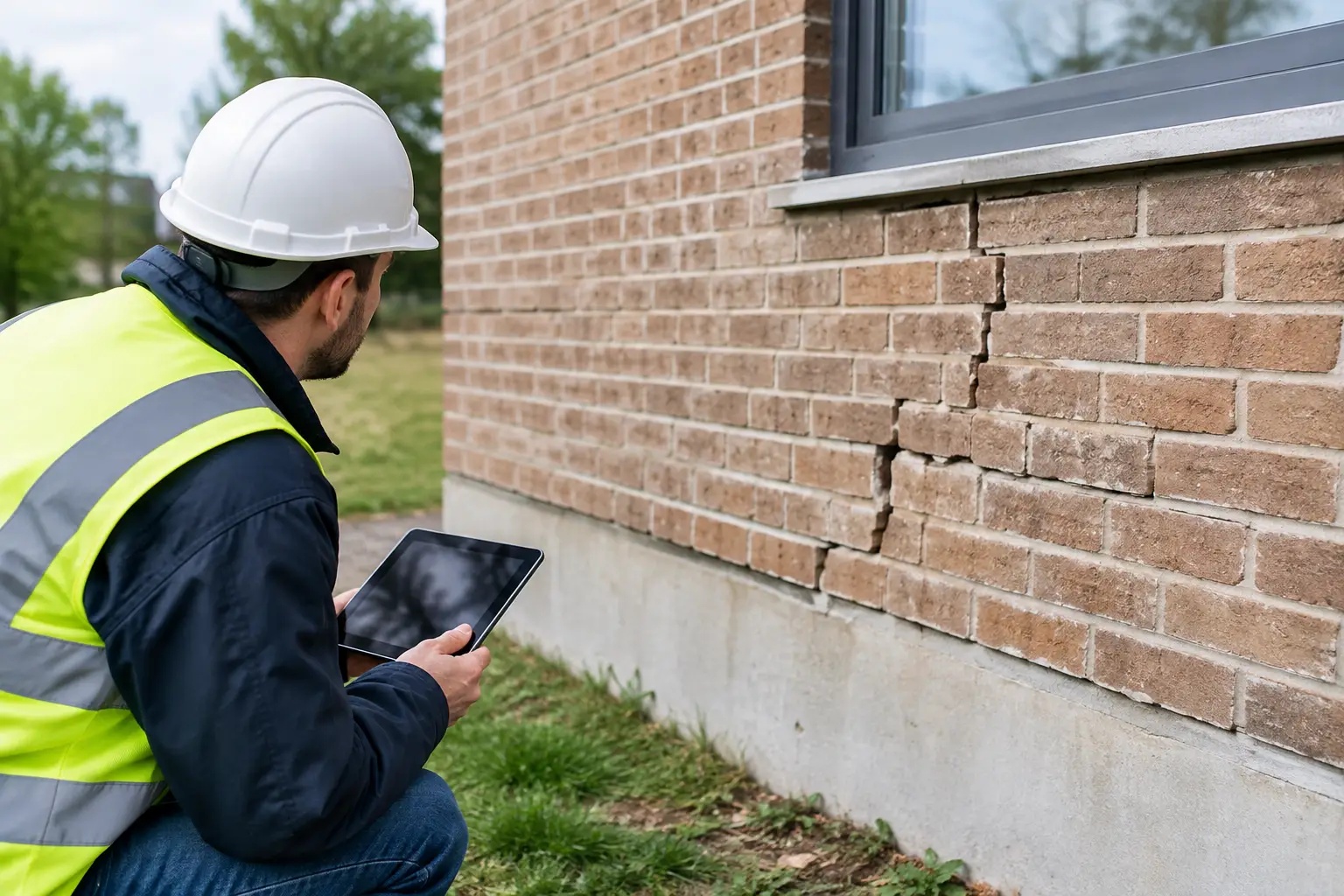
Start at ground level and inspect the roof from several angles. Binoculars can help, particularly on two-storey houses where detail is harder to see. The aim is not to diagnose every defect from a distance, but to identify visible warning signs that justify a more detailed survey.
Look first at the overall roof line. A healthy roof should appear reasonably straight and even. Older properties may have slight undulation, especially where the roof structure has settled over time, but pronounced dips, bowing ridges or visible sagging can indicate a structural problem rather than a simple covering defect. If one section looks uneven compared with the rest, that deserves further investigation.
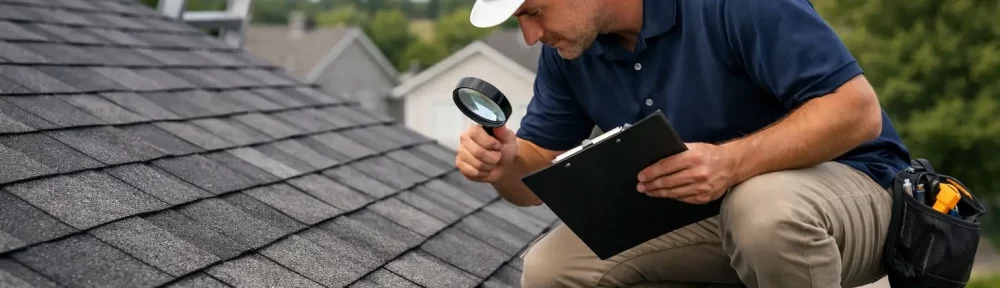
Then check the roof covering itself. On tiled and slated roofs, look for slipped, cracked or missing units. On concrete interlocking tiles, also watch for edge damage and patches of moss that may be trapping moisture. On slate roofs, mismatched replacement slates or irregular lines can point to previous repairs of mixed quality. A few isolated defects may be manageable. Widespread deterioration usually suggests the roof is ageing and approaching larger repair costs.
Pay close attention to ridges, hips and verges. Mortar bedding in these locations often fails before the main roof covering does. Cracked or missing mortar, displaced ridge tiles and loose verge details can allow water ingress and increase the risk of sections becoming unstable in high winds.
Leadwork and flashings also deserve attention. Around chimneys, abutments and dormers, look for lifting flashings, staining below junctions or visible gaps. Defects here are a common source of leaks, even where the main roof covering still appears sound.
What signs inside the property point to roof problems?
A proper check does not stop at the external covering. Some of the clearest evidence of roof failure appears inside the loft or on upper ceilings. Water does not always travel straight down, so the source of a defect can be some distance from the stain it creates.
In the loft, inspect the underside of the roof covering in daylight if possible. Small points of light coming through may mean gaps, displaced tiles or failed detailing. Dark staining on rafters, damp insulation, mould growth and tide marks on sarking felt all suggest moisture penetration. Fresh leaks are usually easier to identify after periods of heavy rain, but older staining still matters because it shows the roof has not remained fully watertight.
Smell can also tell you a great deal. A stale, damp odour in the roof space may indicate persistent condensation, poor ventilation or ongoing water ingress. These issues are sometimes confused with each other, and the distinction matters because the repair approach is different. Replacing tiles will not solve a ventilation defect, and adding vents will not fix failed flashing.
Inside the main accommodation, look at ceilings on the top floor, around chimney breasts and near external walls. Yellowing, peeling paint, bubbling plaster and localised cracking may all reflect roof-related moisture. Again, context matters. A single historic stain may not mean an active leak, but repeated decoration failure usually points to a continuing issue.
How to check roof condition safely
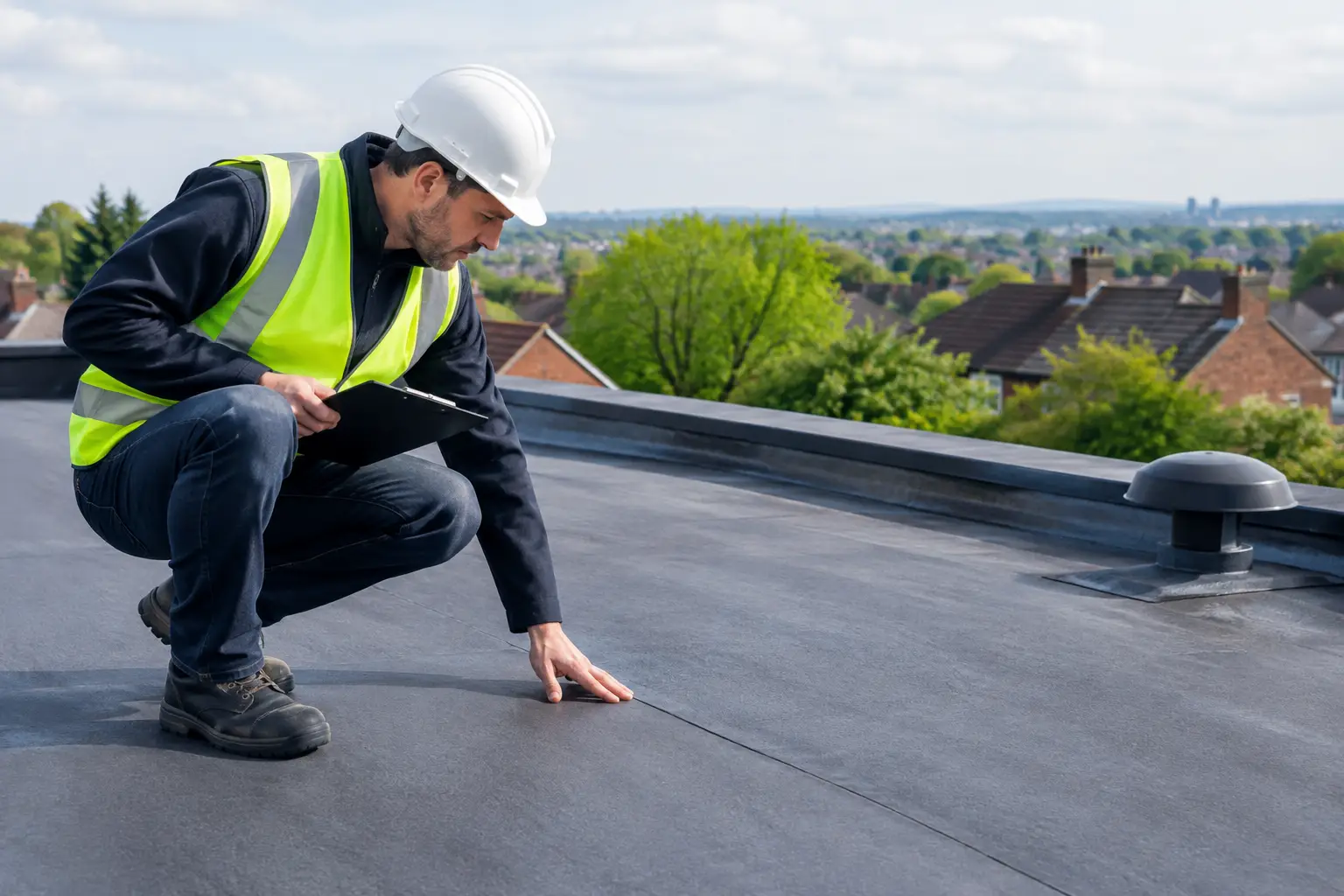
Safety comes before detail. Roof inspections carry obvious risk, especially on pitched roofs, older coverings and damp surfaces. For most owners, the sensible approach is to inspect from ground level, then from inside the loft if access is safe and properly lit. Walking on a roof without the right equipment and experience can cause injury and can also damage the covering itself.
Ladders should only be used if you are confident, competent and working within safe conditions. Even then, ladder access is not the same as a roof survey. Many significant defects are subtle and easy to miss without trained assessment. If there are signs of age, structural movement, water ingress or difficult access, a professional inspection is the safer and more reliable choice.
This is especially true for buyers. If a purchase depends on understanding likely repair liability, a visual guess from the driveway is not enough. A qualified surveyor or building engineer can identify whether defects are isolated maintenance items or indicators of broader failure, and that can materially affect negotiations and budgeting.
Age, material and maintenance all affect what you find
Roof condition should always be judged in context. A 1930s slate roof, a 1980s concrete tiled roof and a modern trussed rafter roof with membrane underlay each age differently and fail in different ways. There is no single pass-or-fail standard that applies to every property.
An older roof may remain serviceable despite cosmetic wear, provided the structure is sound and defects are localised. Equally, a newer roof can still present significant issues if installation quality was poor. This is where many informal checks go wrong. People often focus on appearance alone, when long-term performance depends just as much on detailing, ventilation, support and previous repair history.
Maintenance also changes the picture. Roofs that have had routine gutter clearance, timely tile replacement and proper flashing repairs generally last far better than roofs left untouched for years. Heavy moss growth, overflowing gutters and vegetation near abutments often suggest neglect, and neglected roofs tend to have hidden defects beneath the visible ones.
When a basic visual check is not enough
Sometimes the signs are obvious. If there are active leaks, widespread slipped coverings, visible sagging or chimney instability, the roof needs prompt professional attention. In other cases, the issue is less dramatic but still commercially important. This commonly applies where a buyer wants to understand likely expenditure before exchange, a landlord needs evidence for maintenance planning, or a homeowner needs an expert view before organising major works.
A specialist roof survey can go far beyond a basic glance. It can assess the condition of coverings, flashings, roof structure, insulation, ventilation and associated defects, while also helping to distinguish urgent repairs from longer-term maintenance. That matters because not every defect justifies immediate replacement. Sometimes targeted repairs are appropriate. In other situations, repeated patching only delays a more economical full renewal.
Where access is difficult or defects are suspected at high level, modern inspection methods can improve clarity. High-resolution photography, close-up assessment and thermal techniques can all help identify concealed moisture patterns or defective areas that are not obvious from ground level. HICH LTD provides roof inspections designed to give clients practical defect analysis, clear repair priorities and a realistic basis for decision-making.
Common mistakes when checking a roof
The first mistake is assuming no leak means no problem. Roof defects often develop gradually, and internal symptoms may only appear after prolonged rain or once underlay and timbers have already been affected.
The second is focusing only on the main covering. Valleys, flashings, ridges, verges, gutters and chimney details are frequent failure points. A roof with intact tiles can still leak badly through defective junctions.
The third is treating all signs of ageing as urgent failure. Some wear is expected, particularly on older properties. The right question is whether the roof remains serviceable, watertight and structurally stable for its age and type.
The fourth is relying on a contractor quote as a condition assessment. Quotations can be useful, but they are not the same as an independent diagnosis. If you need confidence before committing to repairs or a purchase, an objective survey is usually the stronger starting point.
A practical way to assess next steps
If the roof looks even, coverings are largely intact, there are no internal damp signs and the loft is dry, the condition may be broadly satisfactory with routine maintenance only. If you find isolated slipped tiles, minor mortar loss or local flashing wear, repairs may be relatively straightforward.
If, however, you see multiple defects across the covering, signs of repeated leaks, sagging lines, decayed timbers or long-term moisture staining, treat that as more than routine wear. At that point, the value of a professional inspection is not just technical. It helps you understand urgency, likely repair scope and whether a short-term patch or fuller renewal is the more sensible financial decision.
A roof does not need to be failing dramatically to affect a property decision. It only needs enough uncertainty to leave you guessing on cost, risk or timing. A careful check is useful, but a proper survey gives you something far more valuable – clarity when money is on the line.