

Roof Leak Survey vs Roofer Quote: Which First?
A damp patch has appeared on the bedroom ceiling, water is tracking down a chimney breast, or a loft inspection has revealed wet insulation. The immediate question is often whether to arrange a roof leak survey vs roofer quote. Both can be useful, but they answer different questions – and choosing the wrong starting point can lead to repeated call-outs, unnecessary repairs and a leak that returns with the next spell of heavy rain.
A roofer’s quote is designed to price work. A roof leak survey is designed to diagnose the defect, explain its likely cause and set out the most appropriate repair route. For a straightforward, visible fault, a reputable roofer may be the quickest and most cost-effective first call. Where the cause is unclear, the property is being bought or sold, or the issue has persisted despite repairs, independent investigation offers a stronger basis for spending money.
Roof leak survey vs roofer quote: the key difference
A roofer will usually attend to inspect the area that appears to be causing concern, identify work they believe is required and provide a price for completing it. This is a practical and valuable service when the defect is obvious. A slipped tile, broken slate, damaged flashing or missing ridge section can often be seen and priced without extensive investigation.
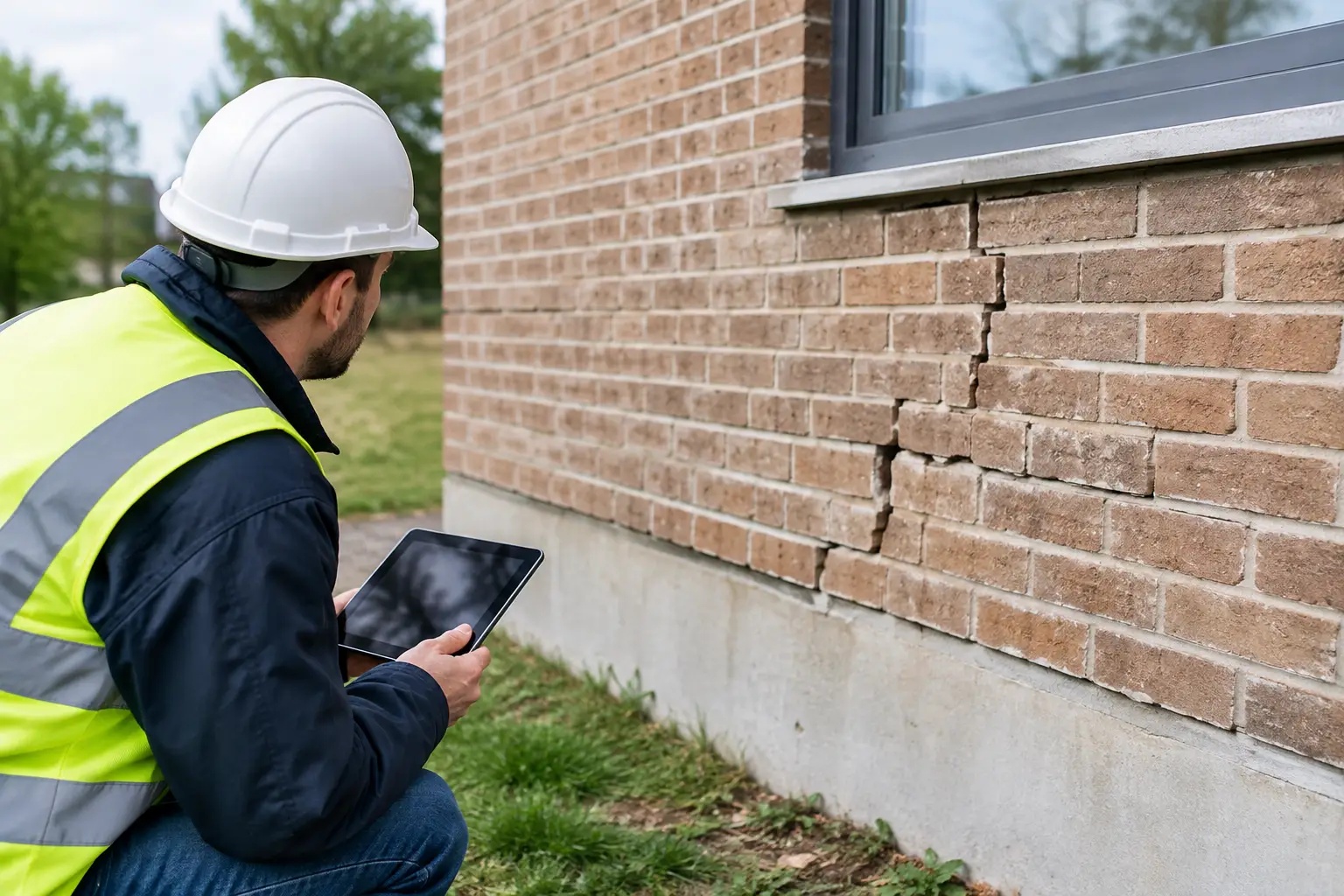
However, water does not always enter a roof directly above the visible stain. It can travel along rafters, roof membranes, pipework, cavity trays or the underside of tiles before it becomes apparent indoors. A quote may therefore address the most visible weak point rather than the root cause. That does not mean the roofer is acting improperly; quoting is not the same as a formal diagnostic survey.
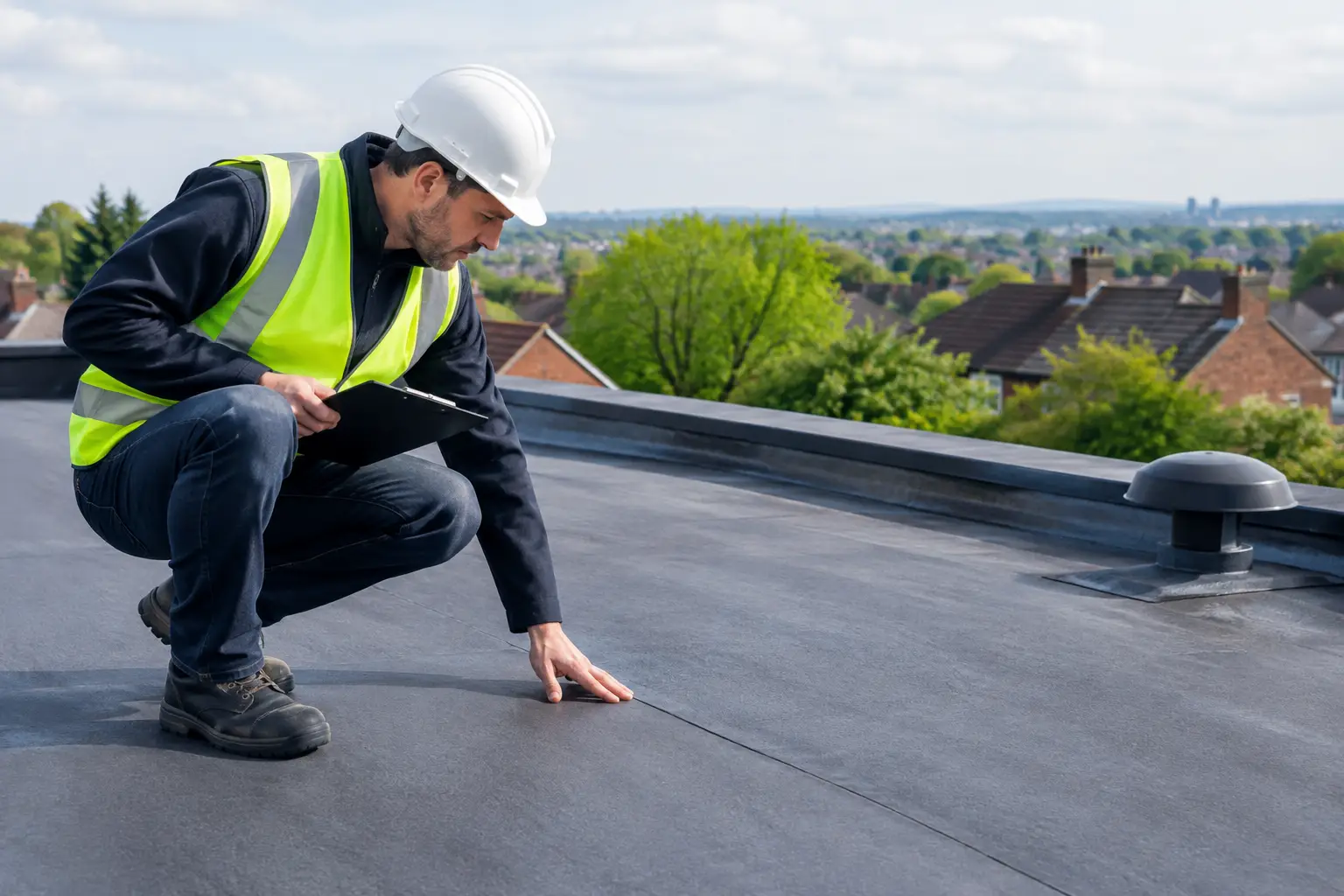
A roof leak survey takes a wider, evidence-led view. A qualified surveyor or building engineer examines the roof covering, flashings, valleys, abutments, chimneys, rainwater goods, roof void and internal signs of moisture. The report should distinguish between confirmed defects, probable causes and areas requiring further monitoring or opening-up. It should also explain urgency, likely consequences and proportionate repair options.
For homeowners, that distinction matters. You are not simply buying a repair recommendation; you are obtaining a reasoned assessment that can be used to seek like-for-like quotations, plan maintenance or support a discussion with a builder, insurer, seller or managing agent.
When a roofer quote is likely to be enough
A roofer quote is often the sensible route where the problem is localised and readily identifiable. For example, a tile has been dislodged in a storm, a section of gutter is overflowing because it is blocked, or lead flashing has visibly lifted around a chimney. In these circumstances, delaying a small repair for a full survey may add cost without adding much clarity.
It is still worth asking clear questions. Does the quote state exactly what will be repaired? Does it include access equipment, replacement materials, disposal, making good and any guarantee? Is the contractor proposing a targeted repair, or recommending broad work such as re-roofing without setting out why the existing covering has failed?
A good roofer should be willing to explain the observed defect and show photographs where safe to do so. Obtaining more than one quote can be worthwhile for significant work, but ensure each contractor is pricing the same scope. Two prices are not genuinely comparable if one includes renewing leadwork and the other only applies a temporary sealant.
When a roof leak survey is the better investment
A roof survey becomes particularly valuable when symptoms and cause do not match, or when the financial consequences of getting it wrong are higher. It is usually the stronger first step in several situations:
- The leak has returned after previous repairs.
- There are multiple damp areas, particularly around chimneys, valleys or roof junctions.
- The roof is ageing and a contractor has suggested extensive renewal.
- You are buying a property and need independent evidence before exchange.
- There is a disagreement about workmanship, liability or the appropriate repair.
- The roof is difficult to access, unusually designed, thatched, flat, or incorporates several materials and junctions.
In these cases, paying for diagnosis can prevent a cycle of trial-and-error repairs. A survey may find that what appears to be a roof leak is actually condensation in the roof void, a defective rainwater pipe, inadequate ventilation, failed cavity tray detailing or water penetration through masonry. Each has a different remedy, cost profile and level of urgency.
An independent report is also useful where a large quotation has been issued. Re-roofing may be justified where coverings have reached the end of their serviceable life, but it should be supported by evidence of widespread deterioration rather than a single isolated ingress point. A survey can clarify whether targeted repairs, planned maintenance or full renewal represents better value.
What a professional roof leak survey should cover
The scope depends on the property and access available, but a useful survey should look beyond the stain on the ceiling. The inspection should consider the condition and detailing of the roof covering, ridge and hip tiles, flashings, valleys, parapets, chimney stacks, rooflights and rainwater goods. Internally, the surveyor should assess the roof structure where visible, insulation, ventilation, dampness patterns and any signs of timber deterioration.
The best reports turn observations into decisions. Rather than merely stating that a roof is in poor condition, they should identify the defect, explain the associated risk and recommend an appropriate next action. Where possible, this should separate urgent weatherproofing from routine maintenance and longer-term capital work.
Photographs are particularly helpful, especially for buyers and landlords who may not have attended the inspection. Repair-cost awareness is equally important. A surveyor should not present a contractor’s fixed price as fact, but an informed indication of likely repair scale can help clients budget and avoid being surprised by the difference between a minor flashing repair and substantial roof renewal.
Independence, access and limitations
Neither route is perfect in every circumstance. A surveyor may identify a likely cause but recommend further investigation where the roof cannot be safely accessed or concealed details cannot be inspected. A roofer may have practical knowledge of local roof types and immediately recognise a failure pattern that is common in older housing. The most reliable outcome sometimes involves both: first an independent survey to define the scope, then competitive quotations from competent roofing contractors.
Access is a material consideration. Inspection from ground level, within a loft and from accessible windows can reveal a great deal, but some defects only become clear at close range. Drone imagery, ladders, scaffold towers or other safe access arrangements may be appropriate depending on the building. No responsible professional should make certainty claims where a critical area has not been inspected.
It is also sensible to act quickly where active water ingress is occurring. Temporary protection may be needed to limit damage, even while the full cause is being investigated. Keep photographs of internal staining, record when the leak occurs and note weather conditions. This evidence can help distinguish rain penetration from plumbing failures or condensation-related moisture.
How to choose the right first call
Start with the evidence rather than the size of the stain. If a specific external fault is visible and the property is otherwise in good condition, obtain a detailed roofer quote and deal with it promptly. If the leak is intermittent, difficult to trace, linked to a complex roof detail or accompanied by broader signs of deterioration, commission a roof leak survey before authorising major works.
For a purchase, an independent assessment is usually preferable. The seller’s preferred contractor may provide useful information, but their quote is not a substitute for an impartial opinion on condition, urgency and future liability. The same principle applies in disputes: a clear report from a qualified building professional can establish the facts before positions become entrenched.
HICH LTD provides roof surveys focused on defect diagnosis, practical repair priorities and clear reporting, helping property owners and buyers make decisions with evidence rather than assumption. A fixed-fee inspection can be a modest cost when compared with paying twice for work that has not solved the problem.
The right choice is not always survey first or roofer first. It is choosing the level of investigation that matches the uncertainty, risk and likely cost of the repair. When the cause is clear, repair it well. When it is not, establish the facts before the water – and the expense – spreads further.