
Residential Heat Loss Survey UK: Improving Efficiency and Reducing Energy Costs
In the current economic climate of 2026, the efficiency of our homes has moved from a secondary concern to a top priority for most homeowners. With energy prices remaining volatile and the UK government pushing for higher environmental standards, understanding exactly where your property is losing warmth is essential. A Residential Heat Loss Survey UK offers a scientific and non-invasive way to see the invisible problems that are driving up your utility bills. By using high-resolution infrared technology, professional surveyors can pinpoint the exact locations where heat is escaping from your building envelope. This level of detail allows you to stop guessing about your insulation and start making data-driven decisions about your home improvements.
The Science Behind Thermographic Energy Audits
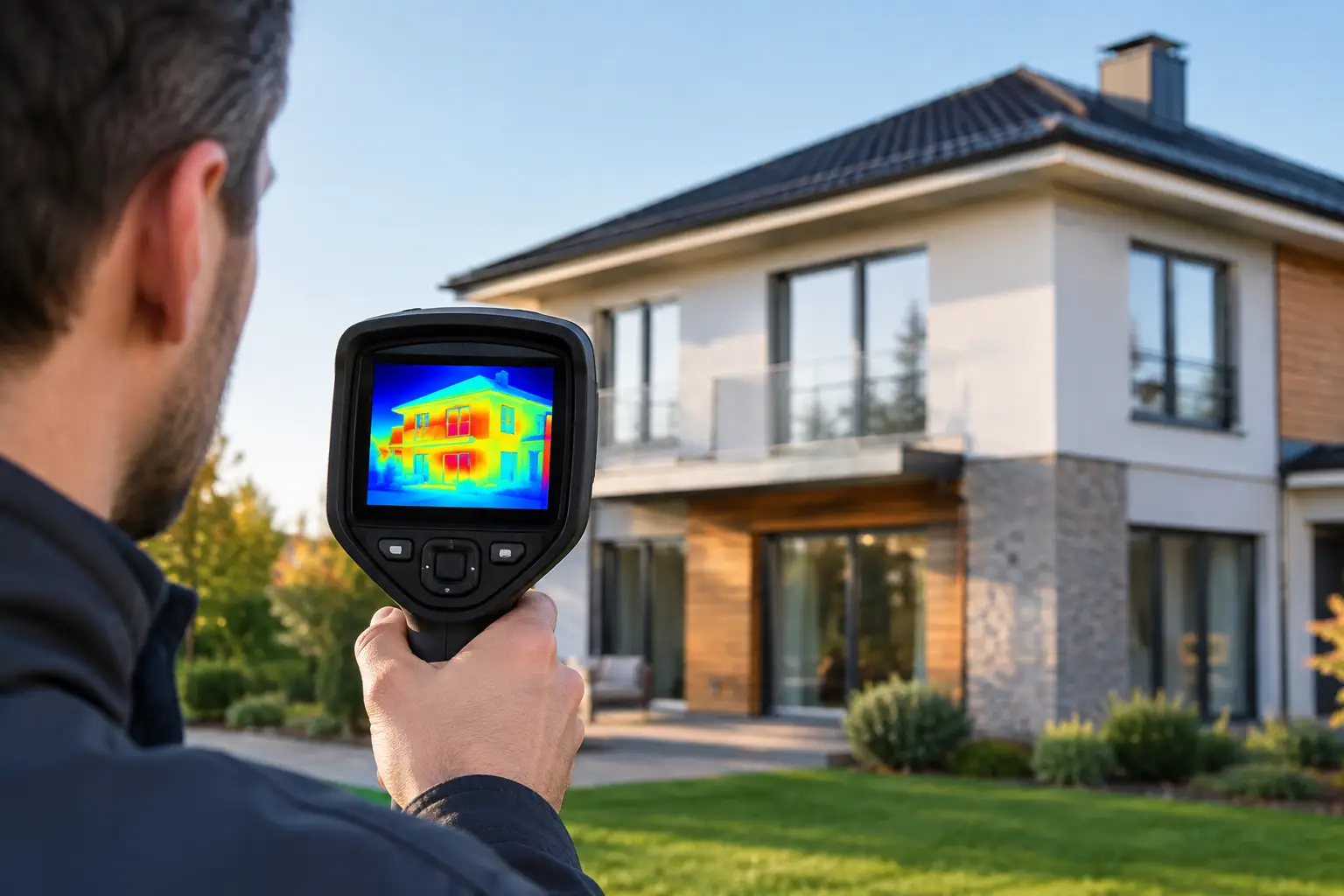
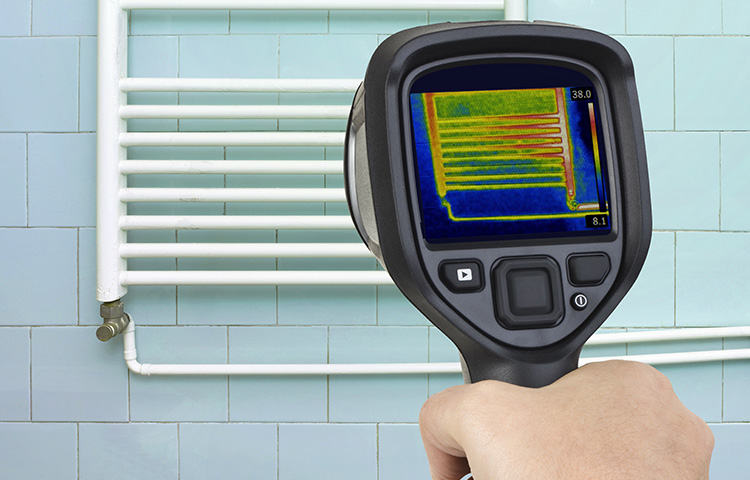
A Residential Heat Loss Survey UK relies on the principles of thermography to detect infrared radiation emitted by objects. Every material in your home, from the brickwork to the window glazing, radiates heat in a way that is invisible to the human eye. Our Level 1 Infrared thermographers use specialised cameras that convert this radiation into a visual map known as a thermogram. On this map, different colours represent varying temperatures, allowing us to identify “hot spots” on the exterior of a building that indicate heat escaping from the inside. Conversely, when we scan from the interior, we look for “cold spots” that suggest cold air is entering through gaps or that insulation is missing within the wall cavities. This methodology is far superior to a standard visual inspection because it provides objective proof of a building’s thermal performance.
Many homeowners are surprised to find that their modern double glazing is failing or that a significant amount of heat is being lost through a poorly insulated loft hatch. During a Residential Heat Loss Survey UK, we also look for evidence of thermal bridging, which occurs when a more conductive material creates a path for heat to bypass your insulation. By identifying these specific structural weaknesses, we provide you with a clear roadmap for remedial works. This ensures that every pound you spend on upgrades is targeted at the areas that will provide the greatest return on investment.
Identifying Common Thermal Defects in British Homes
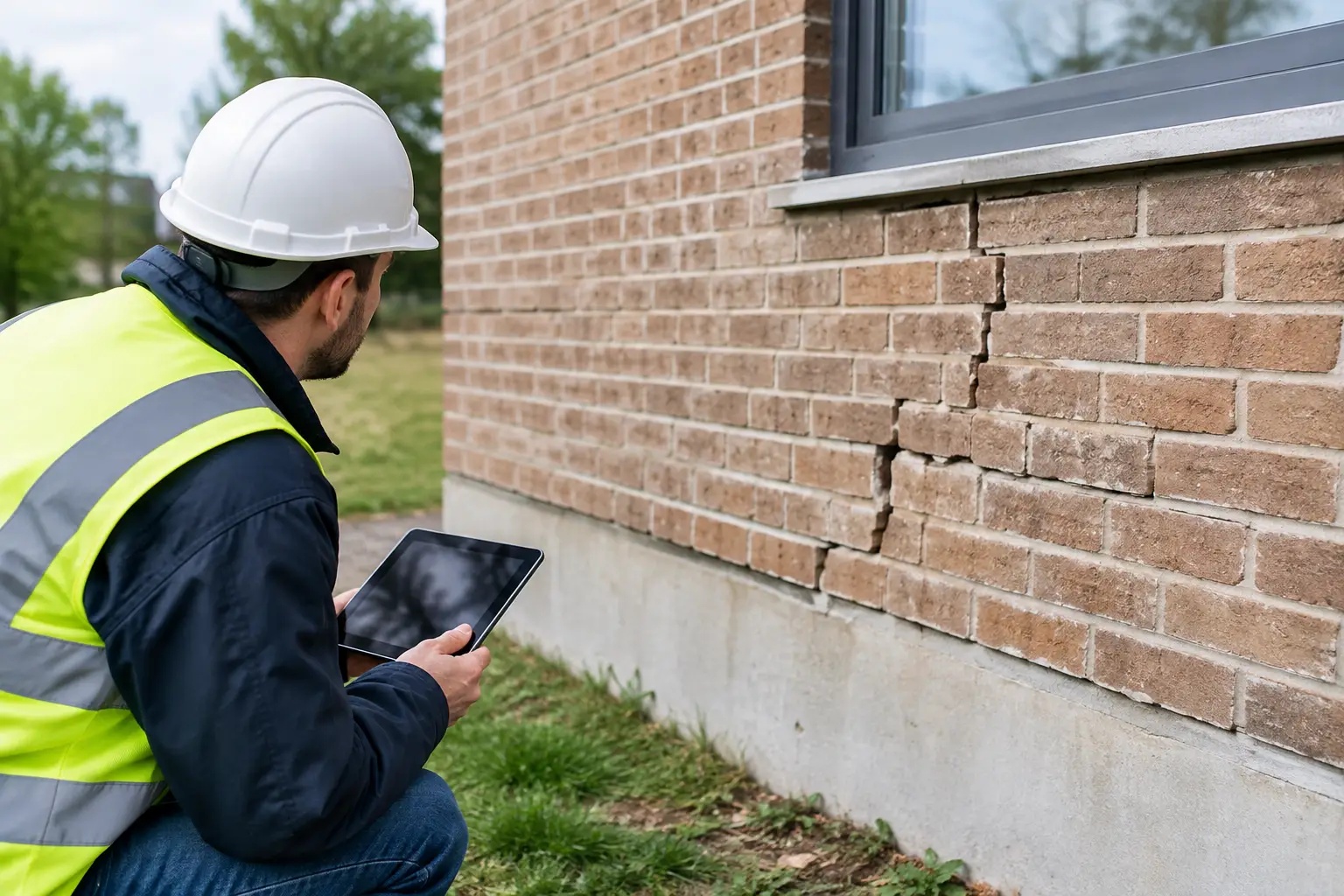
British housing stock is some of the oldest and most varied in Europe, which presents unique challenges for energy retention. Whether you live in a stone-built cottage or a modern semi-detached property, a Residential Heat Loss Survey UK can uncover significant hidden defects. One of the most frequent findings in newer properties is poorly installed or “slumped” cavity wall insulation. Over time, insulation materials can settle, leaving large gaps at the top of walls that allow heat to pour out of the house. In older properties, we often find that original features like unused chimneys or sash window frames are the primary sources of draughts and heat loss.
Our surveys also focus on the integrity of the roof, which is often responsible for up to twenty-five percent of a home’s total heat loss. Using infrared scanning, we can identify areas where loft insulation has been disturbed or where moisture has compromised the thermal properties of the insulating material. A Residential Heat Loss Survey UK is also highly effective at checking the performance of underfloor heating systems. We can see if the heating coils are laid evenly and whether heat is being lost into the ground rather than rising into the room. By documenting these issues with clear thermal and digital images, we give you the evidence needed to commission repairs with absolute confidence.
The Financial Benefits of Professional Heat Mapping
While the initial cost of an energy audit might seem like an extra expense, the long term savings often far outweigh the fee. A Residential Heat Loss Survey UK allows you to avoid “blanket” home improvements that may not actually solve your problem. For example, many people spend thousands on new windows when the actual source of their discomfort is a lack of insulation in the floor or walls. By identifying the true culprits of heat loss, you can allocate your budget to the most effective solutions first. This targeted approach can lead to a significant reduction in monthly energy consumption, often paying for the cost of the survey within the first few years of operation.
Furthermore, having a professional thermal report can increase the market value of your property in a competitive 2026 market. Buyers are increasingly looking for homes with proven energy credentials, and a HICH report provides transparent evidence that a property is well-maintained and efficient. During the sale process, a Residential Heat Loss Survey UK can be a powerful tool for justifying your asking price or for showing that you have already addressed potential efficiency concerns. For landlords, these surveys are becoming essential for meeting the stricter EPC requirements that have been introduced across the UK. It demonstrates a commitment to tenant comfort and structural longevity, which are key components of responsible property management.
Why Non-Invasive Detection is the Future of Home Maintenance
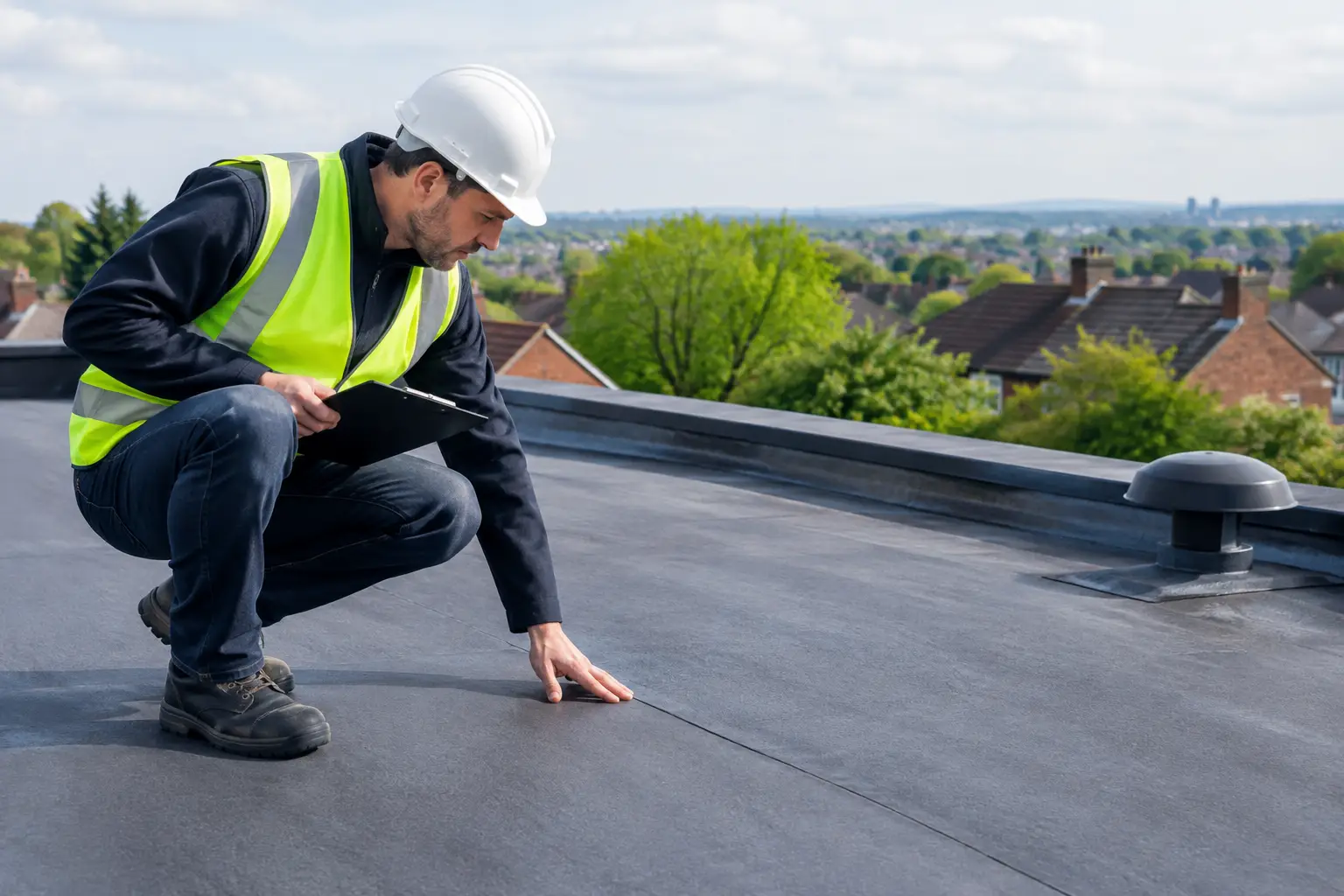
The most significant advantage of our thermographic technology is that it is entirely non-destructive. Traditionally, checking for missing insulation or hidden leaks would require drilling holes in walls or lifting floorboards, which is both messy and expensive. A Residential Heat Loss Survey UK eliminates this need by “seeing through” the surface of the building fabric to reveal the conditions beneath. This makes it an ideal solution for listed buildings or newly decorated homes where preserving the aesthetic finish is a priority. We can identify leaking pipes behind plasterboard or moisture trapped under a flat roof membrane without causing a single bit of damage to the structure.
This non-invasive approach also means that the survey can be conducted quickly and with minimal disruption to your daily life. Our surveyors can typically complete a full residential scan within a few hours, providing you with a comprehensive digital report shortly after. Because the technology is so sensitive, a Residential Heat Loss Survey UK can even detect early signs of damp before they become visible to the naked eye as mould or peeling wallpaper. Catching these issues early is the best way to prevent the growth of harmful spores and the rot of structural timbers. By choosing a high-tech inspection, you are opting for a smarter, cleaner, and more efficient way to manage the health of your most valuable asset.
Frequently Asked Questions About Residential Heat Loss Surveys
We understand that thermography is a specialised field, so we have gathered the most common questions our clients ask about the process.
When is the best time of year to book a heat loss survey?
The most accurate results are obtained when there is a significant temperature difference between the inside and the outside of the building. Therefore, we recommend booking your Residential Heat Loss Survey UK during the autumn or winter months. A difference of at least ten degrees Celsius is ideal for our cameras to capture clear thermal patterns and identify defects effectively.
Does the survey include advice on how to fix the problems?
Yes, every HICH report includes a detailed analysis of our findings along with professional recommendations for remedial action. While we are independent surveyors and do not carry out the repair work ourselves, we provide you with the technical information you need to get accurate quotes from contractors.
Can thermal imaging see through walls to find people or pipes?
Thermal cameras do not “see through” objects like an X-ray, but they do detect the heat signature of objects located behind a surface. For instance, in a Residential Heat Loss Survey UK, we can see the location of hot water pipes or timber studs because they change the temperature of the wall surface that is visible to the camera.
How long does it take to get the results of the survey?
At HICH, we pride ourselves on a fast turnaround. Once the physical inspection is complete, your data is analysed by our Level 1 qualified thermographers. You can typically expect to receive your full, in-depth report via email within forty-eight hours of the site visit.
Is a thermographic survey better than a standard EPC?
An EPC is a theoretical calculation based on the age and type of your home, whereas a Residential Heat Loss Survey UK is an actual measurement of how your specific building is performing. Our survey provides real-world data and visual evidence that an EPC simply cannot match, making it a far more useful tool for homeowners who want to take action.