

Pre Purchase Defect Survey Explained
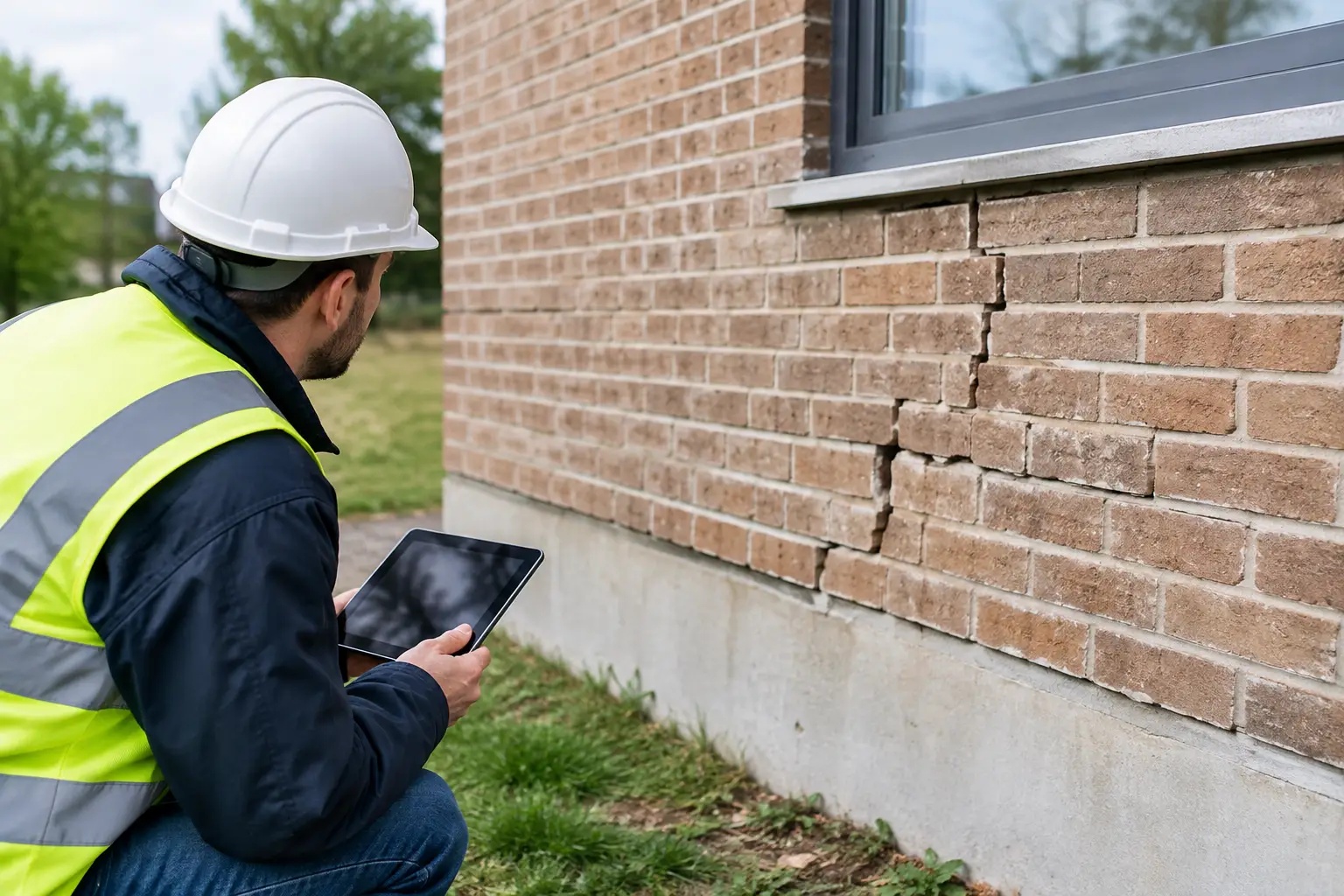
That hairline crack above the bay window, the slight dip in the roofline, the fresh paint covering one patch of ceiling – these are the details that can turn an exciting purchase into an expensive lesson. A pre purchase defect survey is designed to identify exactly that kind of risk before contracts are exchanged, giving buyers a clearer view of a property’s true condition and the likely cost of putting problems right.
For many buyers, the biggest mistake is assuming a mortgage valuation or a standard viewing will reveal the issues that matter. It usually will not. A valuation is carried out for the lender, not for you, and an estate agent’s particulars are not a condition report. If the property has movement, concealed damp, roof deterioration, poor alterations or signs of defective workmanship, you need a survey that focuses on defects rather than broad assumptions.
What a pre purchase defect survey actually does
A pre purchase defect survey is a specialist inspection carried out before you buy a property, with the purpose of identifying visible and developing defects that may affect safety, structural integrity, habitability, maintenance liability and future value. It goes beyond a simple description of condition. The emphasis is on diagnosing faults, explaining why they matter, and helping you understand what action may be needed.
That distinction matters. Some surveys are useful for giving a general overview, but they may not go far enough if the building shows signs of cracking, water ingress, roof spread, timber decay, poor ventilation, thermal bridging or unauthorised alterations. A defect-focused survey looks harder at those warning signs and places them in context.
For a buyer, the practical value is straightforward. You want to know whether the building has serious defects, whether those defects are urgent, whether repair costs are likely to be modest or substantial, and whether the findings should affect your offer.
Why buyers request a pre purchase defect survey
The most common reason is simple risk reduction. Property purchases are financially significant, and even a defect that appears minor on first inspection can become expensive once invasive repair work begins. A slipped tile may point to wider roof failure. Damp staining may be linked to leaking rainwater goods, failed flashings, bridging at external walls or long-term condensation caused by poor detailing. Cracks may be cosmetic, but they may also indicate movement that needs closer review.
Buyers also commission this type of survey when a property is older, has been extended, appears poorly maintained or has obvious signs of distress. Period homes, converted flats and properties altered over several decades often contain a mix of original construction and later modifications. That can create hidden weak points, especially where workmanship has been inconsistent.
There is also a negotiation benefit. If the survey identifies significant defects and outlines likely remedial work, you are in a stronger position to renegotiate the purchase price or ask the seller to address specific issues before exchange. Clear defect evidence supports a commercial discussion far better than vague concern.
What the surveyor will typically inspect
A pre purchase defect survey usually covers the elements most likely to generate cost or risk. That includes the roof covering, chimney stacks, flashings, gutters, external walls, windows, doors, substructure movement indicators, internal cracking, ceilings, floors, signs of dampness, ventilation standards and visible workmanship quality.
Where relevant, the surveyor will assess whether defects appear longstanding, progressive or recently concealed. They will also consider whether a symptom is isolated or part of a wider pattern. For example, one stained ceiling may be a local plumbing leak, but repeated moisture indicators across multiple rooms may suggest an ongoing building envelope problem.
The inspection may also consider evidence of poor alterations, such as removed walls, uneven floor loading, inadequate lintels, roof modifications, non-compliant insulation detailing or low-quality repairs. In many residential purchases, the issue is not just age-related wear. It is defective intervention – work that has been carried out cheaply, badly or without a full understanding of the building.
What a pre purchase defect survey may uncover
The findings vary with the age, type and condition of the property, but certain problems appear regularly. Roof defects are common, especially where coverings are nearing the end of service life or where maintenance has been deferred. Dampness also features heavily, but the cause is not always what buyers expect. Rising damp is often assumed too quickly, when the real issue may be penetrating moisture, condensation or external ground levels bridging the damp proof course.
Structural movement is another concern. Not every crack means subsidence, and not every uneven floor means structural failure. That is where professional judgement matters. A qualified surveyor can usually distinguish between historic settlement, thermal movement, poor plastering and more serious indicators that justify further monitoring or structural investigation.
Timber defects, inadequate drainage, defective pointing, cavity wall concerns, insulation gaps and thermal loss can also have a meaningful effect on future expenditure. A good report does not simply state that a defect exists. It explains the likely cause, the likely consequence of leaving it unattended and the level of urgency involved.
The difference between this and a standard survey
This is where buyers often need clarity. A standard condition survey may be entirely suitable for some purchases, particularly modern homes in apparently good order. But if there are visible defects, unusual construction details or concerns raised during viewings, a more defect-led inspection is often the better choice.
The key difference is depth of diagnostic focus. A general survey records condition across the property. A pre purchase defect survey gives more attention to fault identification and practical implications. It is especially useful when you need answers to a specific concern, or when the property is likely to carry hidden repair liabilities.
It does depend on the building. A new-build flat with no obvious issues may not need a highly specialised defect assessment. A Victorian terrace with cracking, damp patches, roof sag and signs of past alteration almost certainly does. Matching the survey to the risk profile of the property is usually the most cost-effective approach.
How the report helps you make a decision
The best survey reports do more than catalogue defects. They help you decide what to do next. That might mean proceeding with confidence because the faults are manageable. It might mean obtaining specialist quotations before exchange. In some cases, it means revising your offer to reflect repair costs and future maintenance exposure.
For investors and landlords, this information feeds directly into yield and budgeting decisions. For owner-occupiers, it is often about affordability. A property may still be worth buying, but only if you fully understand the repair burden you are taking on.
This is why repair-cost awareness matters. A defect without cost context can sound abstract. A defect linked to likely scaffold access, roof replacement, joinery renewal, damp remedials or structural opening-up has immediate financial meaning. Surveyors with practical construction knowledge are particularly valuable here because they can relate defects to real-world remedial implications rather than generic caution.
When to arrange a pre purchase defect survey
As early as possible after your offer is accepted is usually best. That gives you enough time to review findings, obtain any follow-up inspections if needed and use the report in negotiations before legal commitment increases.
Leaving it too late can create pressure. Buyers sometimes reach a point where they feel financially or emotionally committed and then hesitate to act on serious survey findings. Early instruction gives you options and keeps the process commercial.
It is also sensible to act quickly if the property has obvious warning signs, if the seller wants a fast exchange, or if there has been limited disclosure about previous repairs, structural works or water ingress. A prompt inspection can prevent costly assumptions.
Choosing the right survey provider
Not all survey services approach defect analysis with the same level of detail. For a pre purchase defect survey, you should be looking for qualified surveyors or building engineers with practical experience in building pathology, structural behaviour and common residential failure points. The report should be clear, evidence-based and written in plain English, not loaded with vague caveats that leave you guessing.
Speed and pricing transparency matter too. Buyers often need a survey booked quickly, and fixed-fee pricing helps avoid uncertainty at a stage when costs are already mounting. HICH LTD’s approach reflects that need, with nationwide coverage, seven-day availability and reporting that focuses on defects, urgency and likely repair considerations.
A survey is a relatively small outlay compared with the cost of unexpected structural repairs, roof replacement or extensive damp remedial work. More importantly, it gives you leverage. It allows you to buy with open eyes, renegotiate from evidence, or walk away from a problem before it becomes yours.
A property can still be the right purchase even when defects are found. The real question is whether you know what you are taking on, what it may cost, and whether the numbers still make sense once the surveyor has shown you the building behind the brochure.