

Compare Home Survey Options Clearly
A cheap survey can become an expensive mistake when it misses the defect that actually matters. If you need to compare home survey options properly, the key is not simply choosing the lowest fee or the longest report. It is understanding what each survey is designed to find, where its limits sit, and how that matches the property you are buying, owning or managing.
For many buyers and homeowners, the confusion starts with the names. One survey sounds standard, another sounds more detailed, and specialist inspections can seem like optional extras until a roof leak, movement crack or hidden damp problem turns into a major cost. The right choice depends on the building, its age, its condition, and the decisions you need to make after the inspection.
How to compare home survey options properly
The most useful way to compare survey options is by purpose, not by label alone. Some surveys are broad condition assessments. Others are targeted diagnostic inspections intended to investigate a specific concern. If you mix those up, you can end up paying for the wrong level of reporting.
A basic condition-focused survey is usually suited to newer, conventional homes that appear well maintained and show no obvious signs of significant defect. It gives an overview of visible issues and helps highlight items that may need repair, monitoring or further investigation. For straightforward transactions, that can be enough.
A more detailed building survey is typically the better fit for older properties, altered buildings, larger homes, non-standard construction, or any purchase where defects are already suspected. This type of survey goes further into visible condition, likely causes of defects, implications for repair, and areas of risk that could affect negotiation or budgeting. If you are buying a Victorian terrace with signs of movement, uneven floors or roof spread, a basic survey may not give you the depth you need.
Then there are specialist inspections. These are not upgrades for the sake of it. They exist because some defects need focused expertise, better access or different diagnostic methods. Roof problems, thermal bridging, water ingress, structural cracking, asbestos concerns and post-build snagging all fall into this category.
The main survey types and when they fit
A condition-style survey is often chosen by buyers who want a sensible overview without commissioning the most detailed report available. It can flag visible concerns such as damp staining, cracking, timber issues or maintenance defects, but it is not a substitute for a specialist defect investigation. If the property is modern, conventional and apparently sound, it may be proportionate.
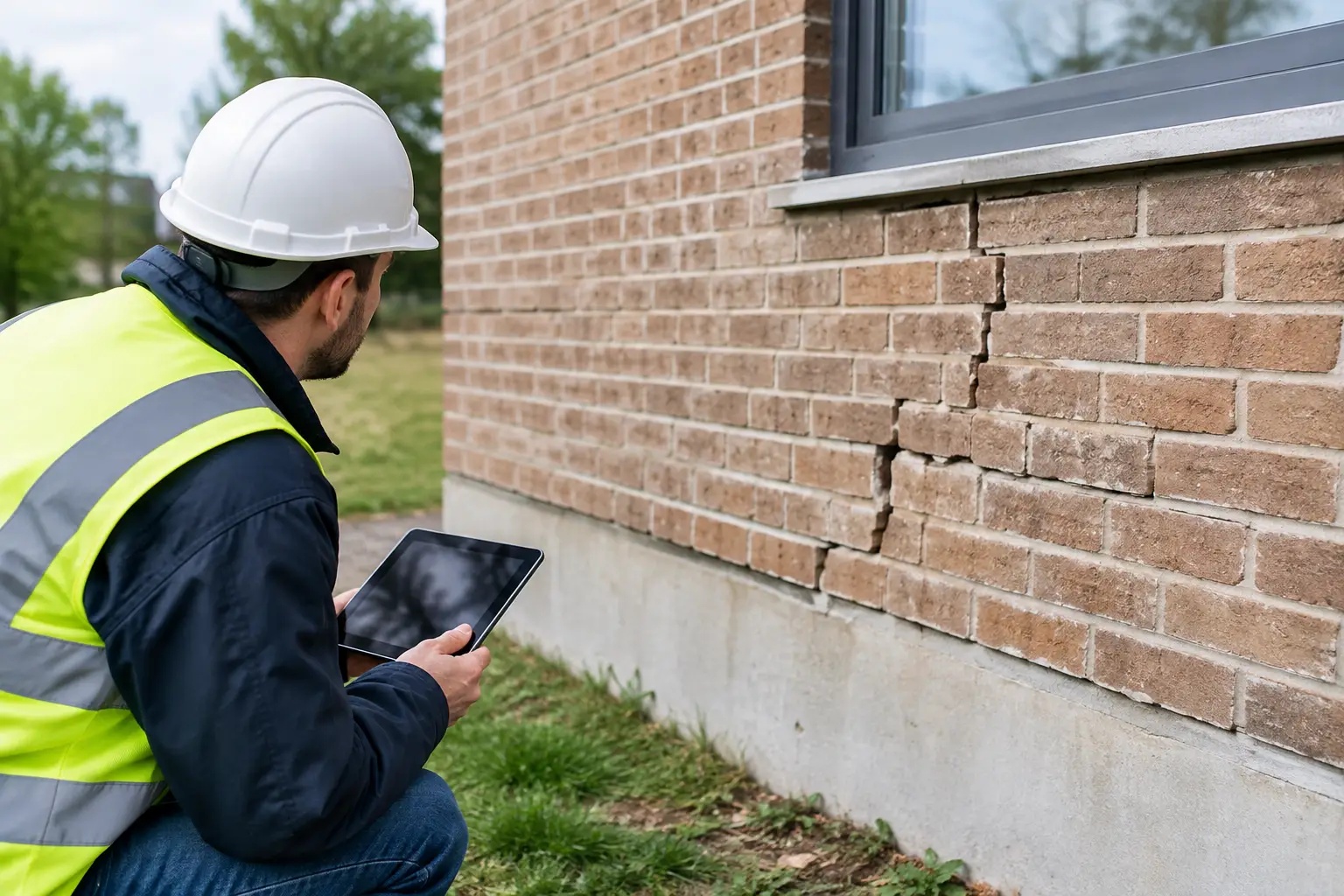
A structural or full building survey is more suitable where the property has age, complexity or warning signs. This is usually the stronger option for period homes, properties that have been extended, houses with visible defects, and buildings where repair liability could be substantial. It gives more context around how the building is performing and what likely remedial works may involve.
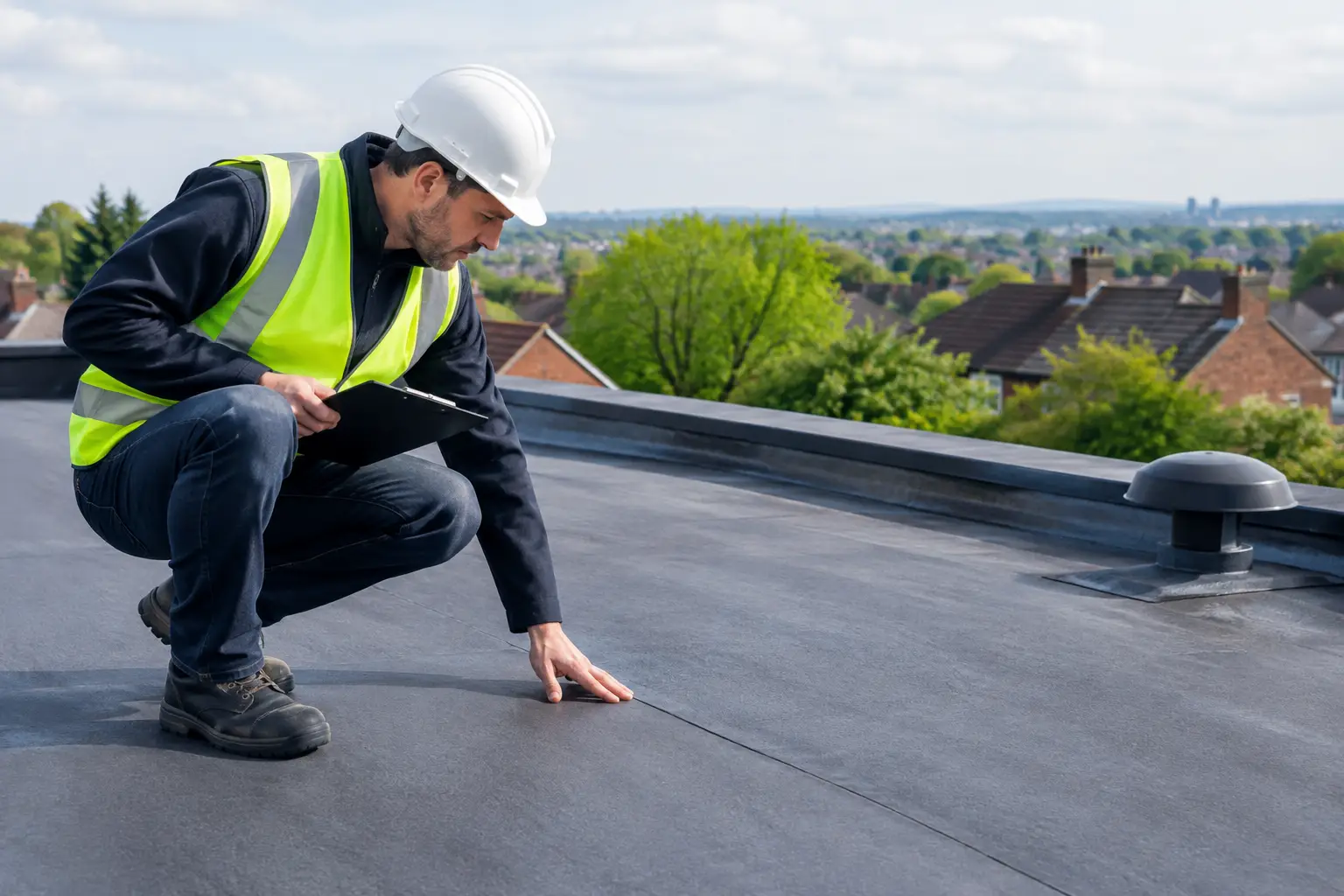
A roof survey is best where the main concern sits above head height and cannot be sensibly assessed from ground level alone. Buyers often assume a general survey will settle all roof questions, but roof coverings, flashings, chimney details, valleys and drainage arrangements may need a dedicated inspection to establish defect severity and likely repair scope.
A snagging survey is intended for new-build properties. That matters because new homes do not avoid defects simply because they are newly completed. Finishing faults, incomplete works, poor detailing and installation issues can all be present at handover. A snagging inspection helps document those defects clearly so they can be raised before minor issues become longer-term disputes.
A thermographic survey serves a different purpose again. It can help identify heat loss patterns, missing insulation, cold bridging and moisture-related anomalies that are not always obvious to the naked eye. It is not the first survey every buyer needs, but it can be highly useful where energy performance or concealed moisture concerns are in question.
An asbestos survey is essential in the right setting and irrelevant in the wrong one. If the property dates from a period when asbestos-containing materials were commonly used, and refurbishment, management or safety compliance is relevant, this is a specialist requirement rather than an optional add-on.
What most buyers get wrong when they compare home survey options
The most common mistake is assuming all surveys do the same job with different branding. They do not. A broad purchase survey may identify signs of structural movement, but it may still recommend a dedicated structural inspection if cracking, distortion or subsidence indicators are present. That is not a failure of the first survey. It is the correct professional boundary.
The second mistake is choosing based on price alone. A lower fee can make sense if the property risk is genuinely low, but it is poor value if it leaves major uncertainty around expensive defects. The better question is what level of inspection is most likely to reduce financial risk. Spending less upfront often feels efficient until repair costs, renegotiation issues or post-purchase surprises appear.
The third mistake is overlooking the age and construction of the building. A 2008 brick-built semi in reasonable condition is not the same proposition as a converted flat in a much older building, a timber-frame house, or a property with multiple alterations. Survey scope should follow building risk.
Cost versus value
Survey cost matters, but context matters more. If a report helps identify roofing failure, concealed damp routes, structural instability or widespread snagging defects, it can save far more than the inspection fee. Equally, paying for the most detailed survey available on a very straightforward property may not always be necessary.
This is where transparent pricing is useful. Clients generally want to know what they are paying for, what the inspection includes, and whether the fee reflects complexity rather than inflated property value. A practical, fixed-fee approach often gives buyers and owners more confidence because the pricing feels tied to the work involved, not the sale price of the asset.
Matching the survey to the property
A modern flat in a well-managed block may only need a broad condition review unless there are clear signs of water ingress, cladding concerns or internal cracking. An older cottage with patch repairs, low-level damp marks and a tired roof is a different matter entirely and would usually justify a more detailed building survey, possibly with specialist follow-up.
If the property has a visible problem, choose around that problem. Cracks near openings, sloping floors or distortion suggest structural assessment. Recurrent leaks, slipped tiles or chimney defects point towards a roof survey. Cold rooms, condensation patterns and unexplained damp may justify thermographic input. A new-build purchase should raise the question of snagging from the outset.
This is also where timing matters. Before exchange, the survey should help you decide whether to proceed, renegotiate or budget realistically. After purchase, the same inspection logic can support planned repairs, maintenance prioritisation and evidence for warranty or dispute matters.
What a good report should actually give you
The best survey reports do more than list defects. They explain what has been seen, why it matters, how urgent it may be, and what the next sensible step looks like. For buyers, that means practical decision support. For owners and landlords, it means clarity on repair planning and likely exposure.
Look for reporting that links defects to consequence. A crack without context is just a crack. A qualified explanation of whether it appears historic, progressive, cosmetic or structurally significant is what helps you act. The same applies to damp, timber decay, roof failure and defective detailing.
This is why experience matters. Surveyors with practical building knowledge tend to explain defects in a way that supports real-world decisions, not just technical file notes. For many clients, that difference is what turns a survey from paperwork into something commercially useful.
When a specialist inspection is the better choice
There are cases where a general survey is not the most efficient starting point. If you already know the issue is confined to one area, a specialist inspection may provide faster and clearer answers. A homeowner dealing with persistent roof leaks does not always need a full purchase-style survey. They need a roof expert to inspect the problem in detail.
The same applies in dispute, warranty and defect diagnosis scenarios. If the purpose is evidence, causation or repair scoping, a targeted inspection often has more value than a broader condition summary. HICH LTD works in exactly these areas, where clients need detailed defect analysis and practical reporting rather than a generic overview.
The right survey is the one that reduces uncertainty
When you compare home survey options, the real question is simple: what information do you need to make a confident decision? If the property is low risk, a proportionate survey may be enough. If the building is older, altered, defective or complex, more depth is usually money well spent.
A survey should leave you clearer on condition, risk and likely repair exposure than you were before. If it does that, it has done its job well. And if you are still choosing between options, start with the building itself – it will usually tell you how much inspection you actually need.