

How to Estimate Repair Costs Before You Commit
A cracked wall, damp patch or tired roof can look like a straightforward repair during a viewing. The difficulty is that the visible issue is often only the symptom. Knowing how to estimate repair costs properly means identifying the likely cause, defining the necessary work and allowing for the risks that sit behind an initial price.
For buyers, this can shape an offer or renegotiation. For homeowners and landlords, it helps prioritise essential maintenance before a small defect becomes a costly claim. The aim is not to produce a false level of precision from a photograph or a brief visit. It is to establish a realistic budget range and understand what needs investigating before work begins.
Start with the defect, not a guessed price
The first question is not, “How much will this cost?” It is, “What exactly needs repairing?” A water stain on a bedroom ceiling, for example, could be caused by slipped tiles, failed flashing, blocked gutters, defective roof coverings or condensation in the loft. Each has a different scope of work, access requirement and price.
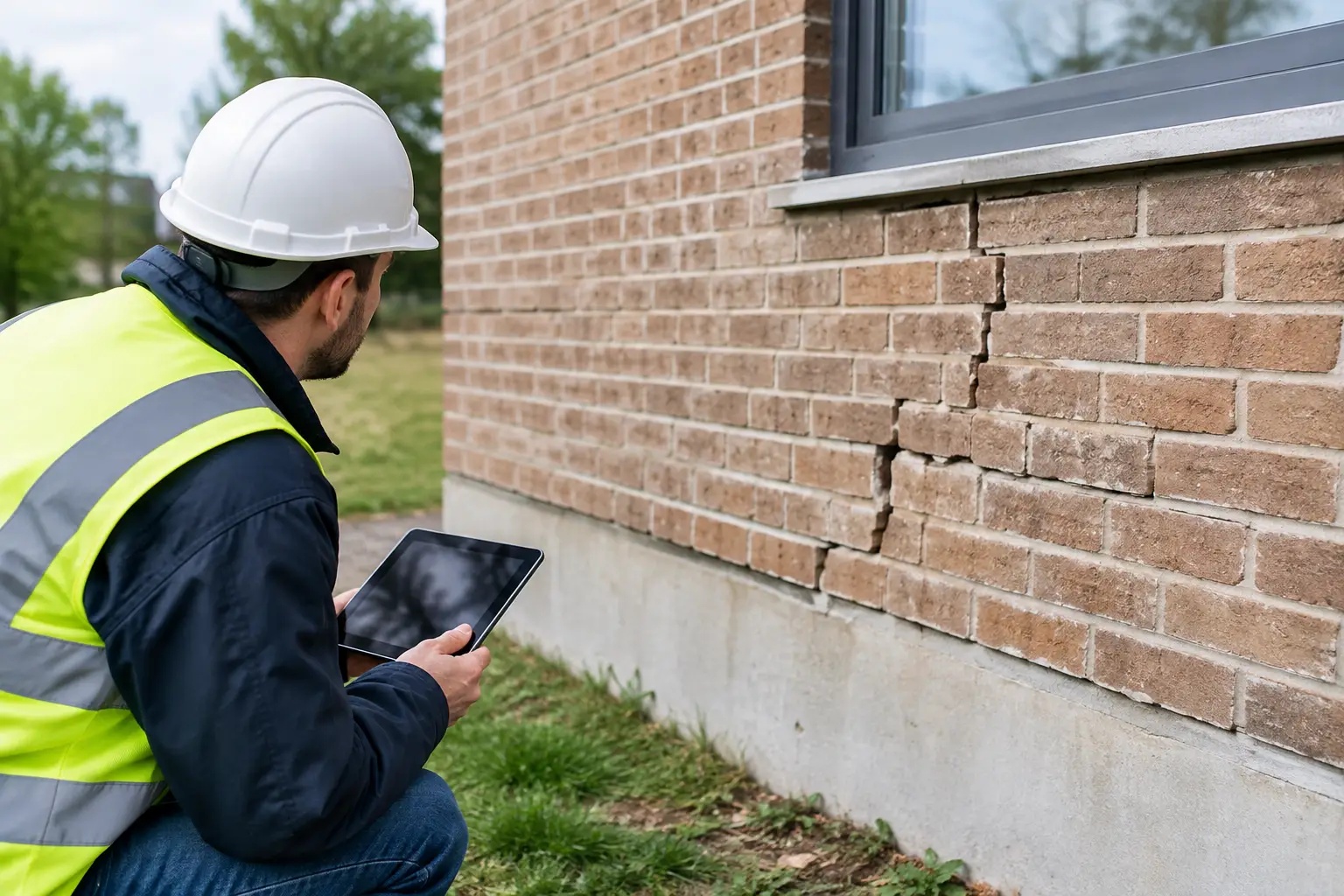
Separate repairs into three categories: the immediate defect, the underlying cause and any consequential damage. Replacing a stained section of plasterboard may be inexpensive, but it is poor value if the roof leak remains active. Likewise, repointing a crack without checking whether it is historic movement, ongoing subsidence or localised lintel failure can lead to work being repeated.
A clear repair description should state the location, likely cause, affected materials and extent of the work. Instead of asking a contractor to price “sort out damp”, ask for a price to investigate and rectify moisture penetration at a specified wall, including removal of defective render, repairs to rainwater goods and reinstatement of internal finishes where required. A defined scope produces a more reliable quotation.
It also helps to distinguish between repair, maintenance and improvement. Replacing a few damaged roof tiles is a repair. Renewing an entire roof covering because it is nearing the end of its serviceable life is planned maintenance. Adding insulation, changing the layout or upgrading finishes is improvement work. Combining all three in one figure can make an essential defect seem more expensive than it is.
How to estimate repair costs from survey findings
A survey report is most useful when it translates observations into decisions. Look for information on urgency, probable cause, further investigation and the likely scale of repair. Terms such as “monitor”, “repair promptly” and “seek specialist advice” should not be treated as interchangeable.
Where a surveyor identifies a defect, break the work into logical packages. A roof repair package might include access equipment, stripping back local coverings, replacing battens or felt if necessary, renewing tiles, repairing flashing, clearing gutters and making good disturbed finishes. A structural repair package may involve investigation, temporary support, brickwork repair, lintel replacement, plaster repairs and redecorating.
This approach prevents a common mistake: using the lowest visible figure as the total cost. The tradesperson repairing the defect may not be responsible for scaffolding, waste removal, electrical alterations, plastering or decoration. Those items can be significant, particularly where work is at height, within a listed building or in an occupied flat with limited access.
When assessing each package, allow for the following cost elements:
- Labour, including the relevant trade and the likely number of days on site.
- Materials, from basic replacement components to matching bricks, slates, timber or specialist membranes.
- Access and preliminaries, such as scaffolding, protection, parking permits, waste removal and site set-up.
- Professional and statutory costs, including structural engineering input, Building Regulations applications, party wall matters, testing or asbestos-related controls where applicable.
VAT also needs checking. A quotation may be shown excluding VAT, which can materially change the final figure for residential work. Do not assume every contractor is VAT registered, but do ask the question before comparing prices.
Use price ranges, then refine them with quotations
Early estimates are best expressed as a range, not a single number. The lower end should reflect a straightforward repair with good access and no hidden damage. The upper end should allow for a wider scope, more difficult access, matching materials or additional defects discovered once finishes are opened up.
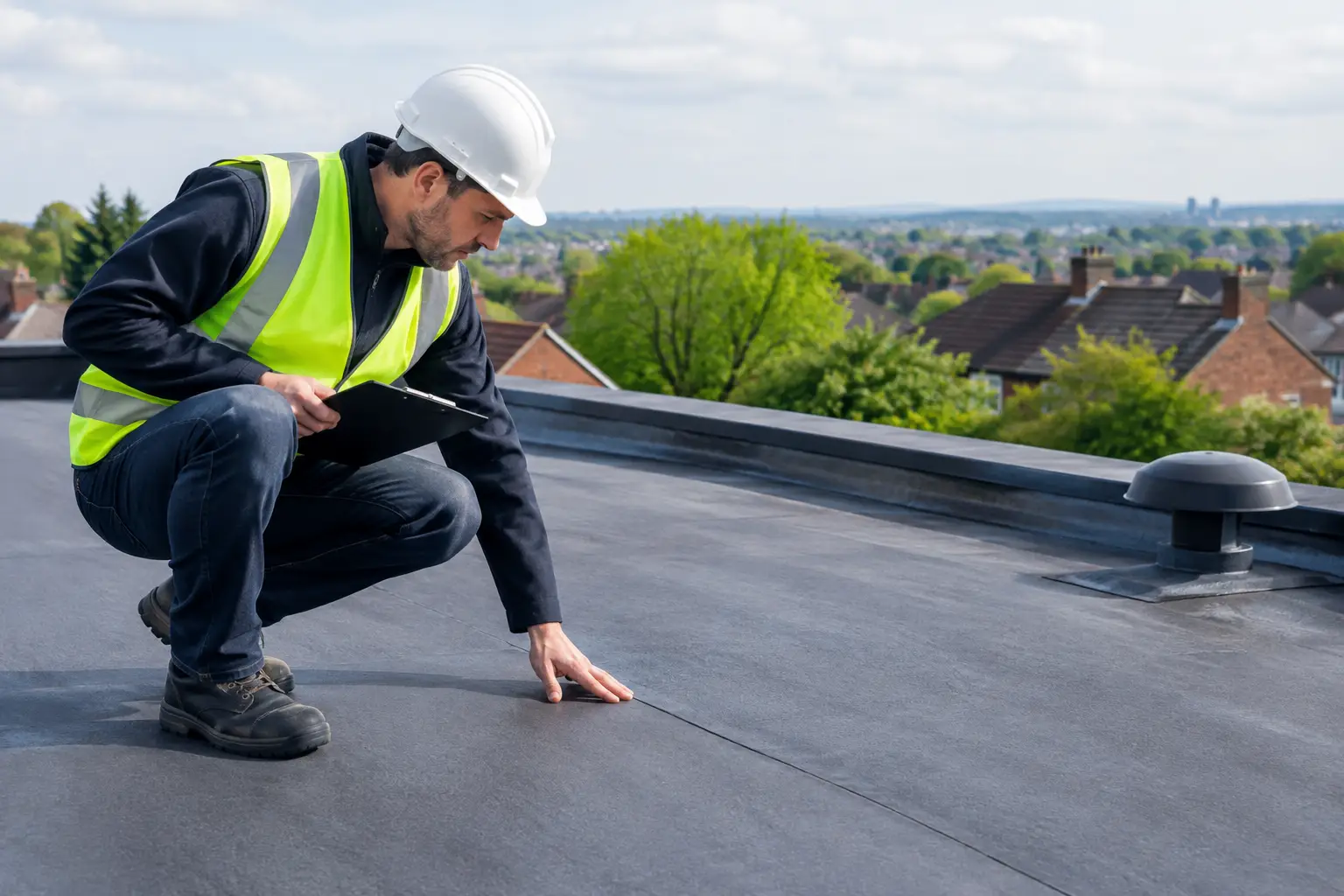
For example, a local repair to roof coverings may be modest where safe ladder access is possible and replacement tiles are readily available. The same visible issue can cost considerably more where full scaffolding is required, a chimney detail has failed or the roof structure has deteriorated beneath the coverings. The location of the defect matters as much as its size.
Obtain at least two detailed quotations for material work, and ideally three where the project is substantial. The cheapest quotation is not automatically the best value. Compare the scope line by line. One contractor may include scaffolding, leadwork and making good, while another may only allow for replacing tiles. A lower total can become the more expensive option once exclusions are added.
Ask each contractor to confirm what is included, what is excluded, the assumed condition of concealed areas, programme duration, payment stages and whether the price is fixed or subject to further investigation. For structural, roofing, damp or drainage issues, relevant experience is more valuable than a vague assurance that the work can be done.
Build a contingency that reflects the risk
A contingency is not spare money for optional upgrades. It is a controlled allowance for uncertainty. Older properties, buildings with previous alterations and defects hidden behind plaster, cladding, ceilings or floor coverings usually need a larger contingency than a simple, accessible repair in a modern home.
As a working rule, a clearly defined repair with limited unknowns may justify a contingency of around 10 per cent. Where investigation is incomplete or hidden deterioration is likely, 15 to 20 per cent may be more realistic. Complex refurbishment, significant water damage, structural movement or heritage materials can require a higher allowance still.
There is a trade-off here. Setting too little aside can leave a project stalled when necessary extra work arises. Setting too much aside may make a purchase appear unviable when the risk is manageable. The answer is to reduce uncertainty where it is cost-effective to do so. A targeted roof inspection, moisture investigation, drain survey or structural engineer’s assessment can be far cheaper than pricing every possibility at the worst-case level.
Do not overlook safety and compliance costs
Some repairs cannot be priced responsibly until safety issues have been considered. Buildings constructed or altered before 2000 may contain asbestos-containing materials in items such as textured coatings, insulation boards, floor tiles, cement sheets or pipe lagging. Disturbing suspect materials without suitable assessment can create avoidable risk, delay and expense.
Electrical work, gas appliances, structural alterations and drainage changes may also require competent specialists, certification or Building Regulations approval. Where a repair affects a shared wall, boundary structure or leasehold block, there may be additional permissions and responsibilities. A landlord or managing agent may control parts of the building that appear to be within your repair area.
These costs should not automatically prevent a purchase or project. They should, however, be visible in the budget from the outset rather than appearing after contractors have started work.
Use an inspection to make the estimate more defensible
A contractor can price work well when the cause and extent of the problem are known. A qualified surveyor or building engineer can help establish that evidence before quotations are requested, particularly where defects are complex, disputed or potentially structural.
For purchasers, an inspection can identify whether a repair is isolated, whether it indicates wider deterioration and whether further specialist input is justified. For owners, it can prevent spending money on cosmetic work that fails to address the source of the issue. HICH LTD’s condition-focused surveys are designed to explain defects in practical terms, including likely repair priorities and the information needed for informed cost planning.
The resulting report should support a sensible conversation with contractors, sellers, agents, insurers or other parties. It is not a substitute for a contractor’s fixed quotation, but it gives that quotation a sounder basis.
Turn the estimate into a property decision
Once you have a repair range, contingency and clear list of exclusions, consider the timing as well as the total. A £6,000 repair required within three months has a different impact from the same cost spread over five years. Urgent work may affect mortgage retention, insurance, rental income or your ability to occupy the property safely.
For a purchase, compare the total anticipated cost against the agreed price, the property’s condition and the funds available after legal fees, moving costs and immediate improvements. Do not expect a seller to reduce the price by every projected pound, particularly where age-related maintenance is already reflected in the asking price. However, evidence of a significant undisclosed defect can provide a credible basis for renegotiation.
For an existing property, rank repairs by safety, active damage, weatherproofing and prevention of further deterioration. A sound maintenance plan is usually less expensive than reacting to failure.
The most useful estimate is not the neatest number on a spreadsheet. It is the one that tells you what is wrong, what must happen next and how much room you need if the building reveals more once work begins.