

Mediation Versus Litigation for Construction Disputes
A leaking roof after an extension, cracking around new openings, unfinished snagging work or a dispute over final payment can quickly become more than a building problem. The choice of mediation versus litigation in construction disputes affects how quickly matters move, how much they cost and whether the parties retain any control over the outcome.
For homeowners, developers, landlords and contractors, the right route depends on the contract, the value of the claim, the technical evidence available and whether a practical settlement remains possible. A clear inspection report is often the starting point, whichever route is chosen.
Mediation versus litigation in construction disputes
Mediation is a voluntary, private process in which an independent mediator helps the parties negotiate an agreement. The mediator does not decide who is right or impose a result. Their role is to identify the real issues, test the strengths and weaknesses of each position and move the discussion towards a workable settlement.
Litigation is the formal court process. A judge considers the evidence, applies the law and issues a binding decision if the case does not settle beforehand. It is more structured and can be necessary where liability is firmly disputed, one party will not negotiate, or a binding ruling is required.
Neither option is automatically better. Mediation is usually the more proportionate route where the parties want a commercial resolution and can engage constructively. Litigation may be justified where the dispute involves significant losses, serious defects, disputed contractual duties or an urgent need to enforce legal rights.
Why construction disputes need technical evidence
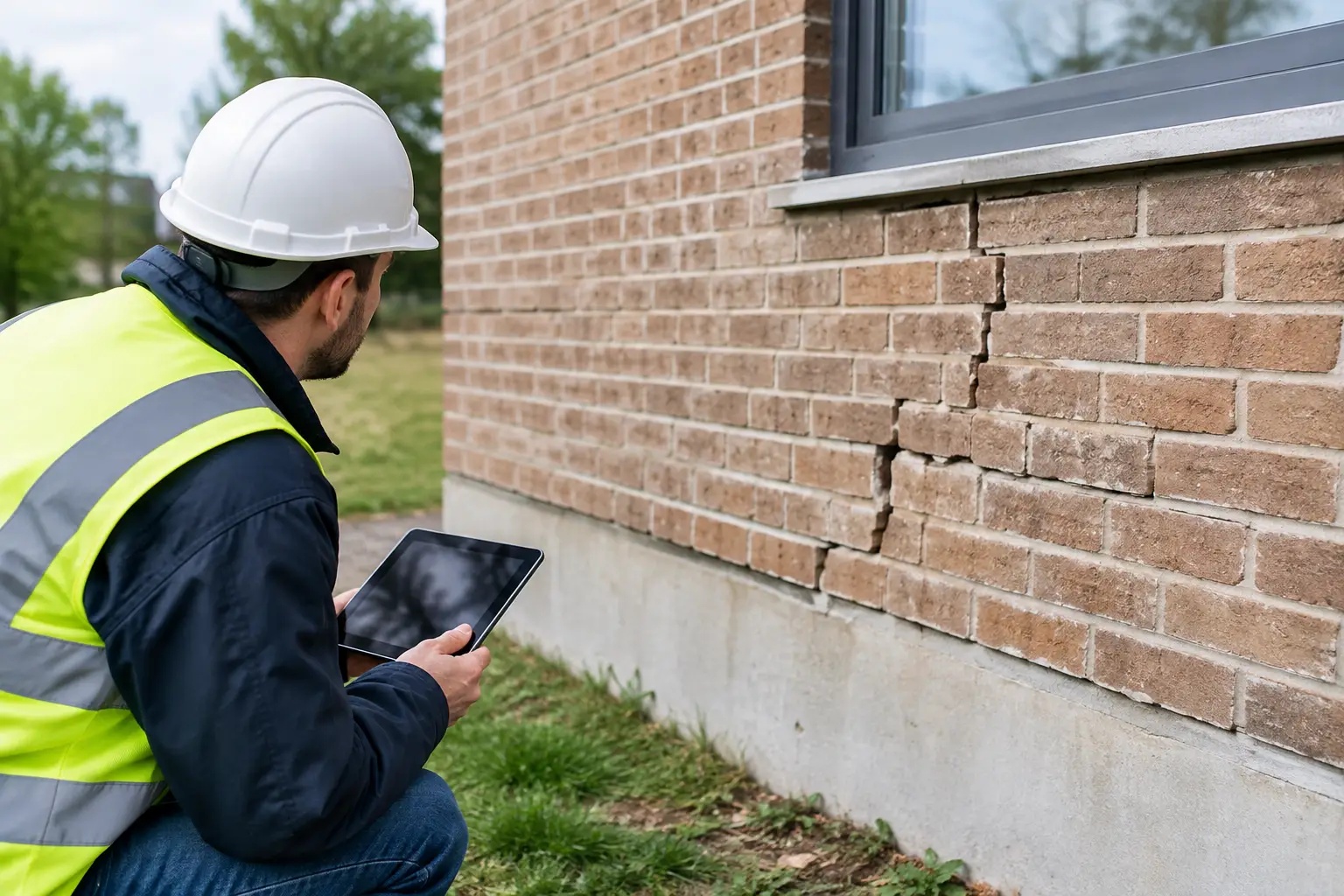
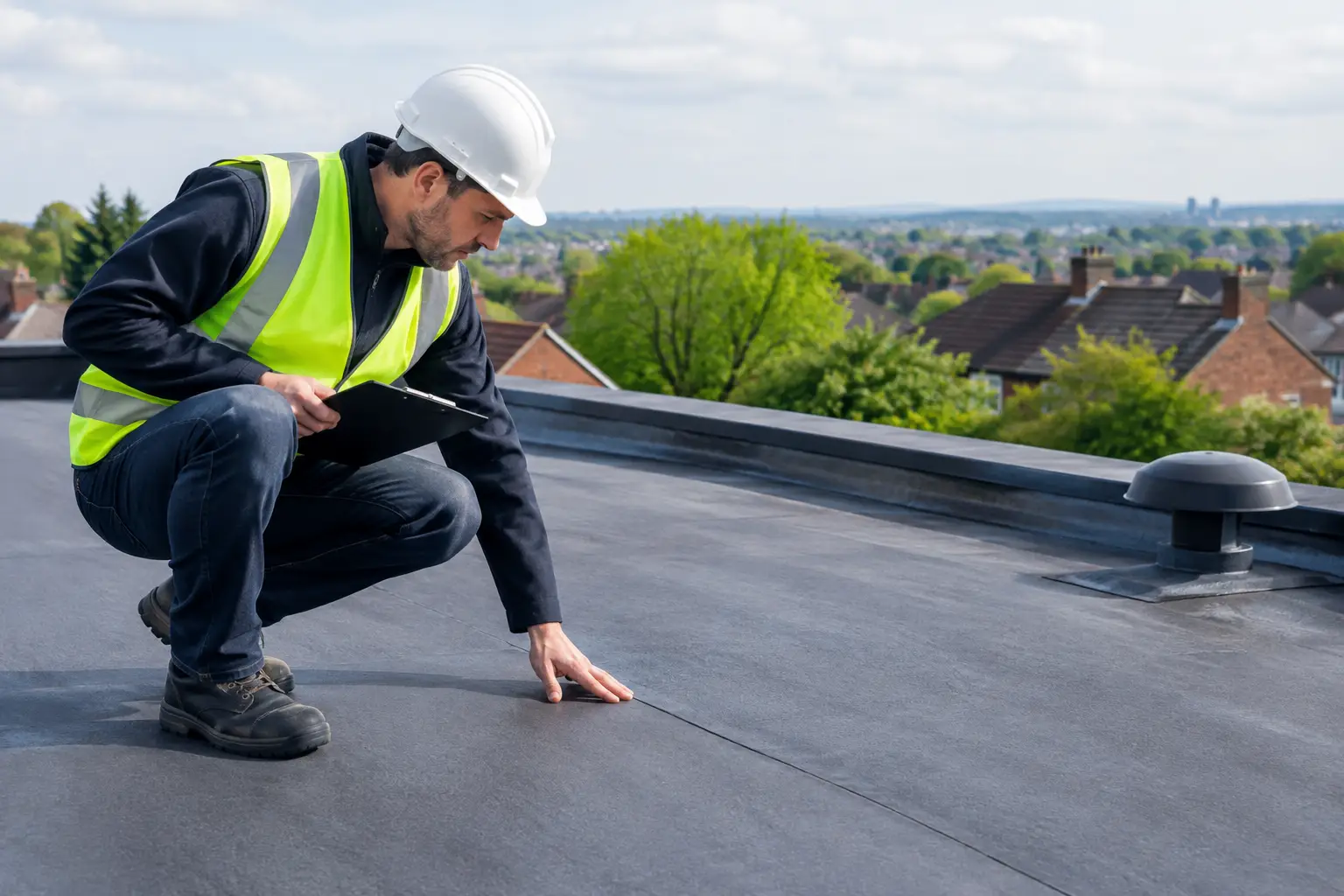
Many disputes begin with competing opinions rather than clear facts. A contractor may say movement cracking is cosmetic; an owner may believe the structural work is unsafe. A builder may blame water penetration on poor maintenance; the client may point to defective roof detailing.
An independent survey or building diagnostics report can narrow that gap. It should identify the defect, explain its likely cause, assess urgency, distinguish between workmanship and unrelated deterioration where possible, and set out proportionate repair recommendations. Photographs, moisture readings, thermal imaging results, roof observations and a clear schedule of defects can all help establish an evidence-led position.
The report does not decide legal liability. It does, however, provide a technically informed basis for negotiations, legal advice and any later court proceedings. It can also prevent parties spending months arguing about a defect that could have been identified and costed at an early stage.
When mediation is likely to be the sensible first step
Mediation is particularly effective where the work is incomplete, remedial works are still possible, or both parties would prefer to avoid a costly and prolonged dispute. It gives room for outcomes a court may not be able to order in the same practical way, such as an agreed programme of repairs, a revised completion date, a staged payment plan or a contribution towards remedial costs.
It is generally faster than litigation. A mediation can often be arranged once the essential documents and technical evidence are available, whereas court claims can take many months or longer to reach trial. The parties also share more control over timing, attendees and settlement terms.
Confidentiality can be another advantage. Construction disagreements can affect a developer’s reputation, a contractor’s future referrals or an owner’s ability to sell or refinance. Mediation discussions are usually conducted on a without prejudice basis, allowing frank negotiations without those offers being used against a party in court if settlement fails.
Mediation is not a sign that a claimant accepts poor work or gives up a valid claim. It is a structured attempt to resolve the problem at sensible cost. In fact, courts generally expect parties to consider alternative dispute resolution. A party that unreasonably refuses mediation may face cost consequences, even if it later succeeds on parts of its case.
The limits of mediation
Mediation relies on genuine participation. It can be ineffective if one party denies there is any problem, will not bring someone with authority to settle, or uses the process simply to delay matters. It may also be unsuitable where there is a pressing safety issue, a risk of evidence being lost, insolvency concerns or a limitation deadline approaching.
A settlement is only binding when it is recorded in a properly drafted agreement. Before signing, each party should understand precisely what works, payments, releases and deadlines are included. Legal advice is sensible where substantial sums or ongoing obligations are involved.
When litigation may be necessary
Litigation provides a formal route where voluntary resolution has failed. The court can determine liability, award damages, make orders for payment and, in suitable cases, deal with issues such as enforcement of contractual rights. It is useful when the dispute cannot be resolved through negotiation because the facts, contractual interpretation or financial responsibility remain fundamentally contested.
It may also be appropriate where one party has ignored correspondence, refused access for inspection, failed to comply with a settlement agreement or is disputing a significant expert finding without credible evidence of its own.
However, litigation should be approached with realistic expectations. It requires detailed pleadings, disclosure of relevant documents, witness evidence and often expert evidence. The court timetable is outside the parties’ control, and legal costs can become substantial relative to the cost of the original works. Even a successful party may not recover every pound spent.
Court proceedings are also generally public, unlike mediation. For some clients, the need for a definitive decision outweighs that concern. For others, the uncertainty, time and exposure make settlement more attractive.
Adjudication: the route that may sit between them
For many construction contracts, adjudication is also highly relevant. It is a statutory dispute resolution process commonly used in the construction industry and is designed to produce a temporarily binding decision quickly. It is often described as a “pay now, argue later” process.
Adjudication can be particularly useful for payment disputes, interim valuations, final account disagreements and some defect claims. The adjudicator’s decision is usually enforceable unless and until it is revised by arbitration or litigation. Its speed can be valuable, but it also demands focused preparation and reliable evidence from the outset.
Homeowners should not assume adjudication applies in every domestic project. The contract terms and the type of agreement matter. A solicitor experienced in construction disputes can advise on the available routes and any notice requirements.
Cost, time and control: a practical comparison
The central difference in mediation versus litigation for construction disputes is control. In mediation, the parties retain control of the settlement. In litigation, the judge controls the process and decides the outcome if the claim reaches trial.
Mediation is usually less expensive because it is shorter and involves fewer formal procedural steps. Costs still arise from the mediator, expert reports, preparation and any legal representation, but they are often more predictable. It can also preserve a working relationship where a contractor needs to return to complete work or where a developer and subcontractor may work together again.
Litigation can be necessary, but its costs are harder to contain. A claim that appears straightforward can expand when each side produces expert reports, disputes scope of work, challenges causation or argues over the reasonable cost of repairs. A well-scoped independent survey at the beginning can help prevent technical uncertainty from driving unnecessary expense.
Preparing a stronger position before any dispute process
Whether you intend to mediate, adjudicate or litigate, preparation matters. Keep the signed contract or quotation, drawings, specifications, payment records, variations, warranties, site photographs, emails, messages and a chronological record of events. Record when defects were first noticed and what opportunities were given to inspect or rectify them.
Avoid arranging major remedial works before the alleged defects are documented, unless action is needed to make the property safe or prevent further damage. If urgent works are unavoidable, take dated photographs, retain invoices and keep samples or failed components where practical.
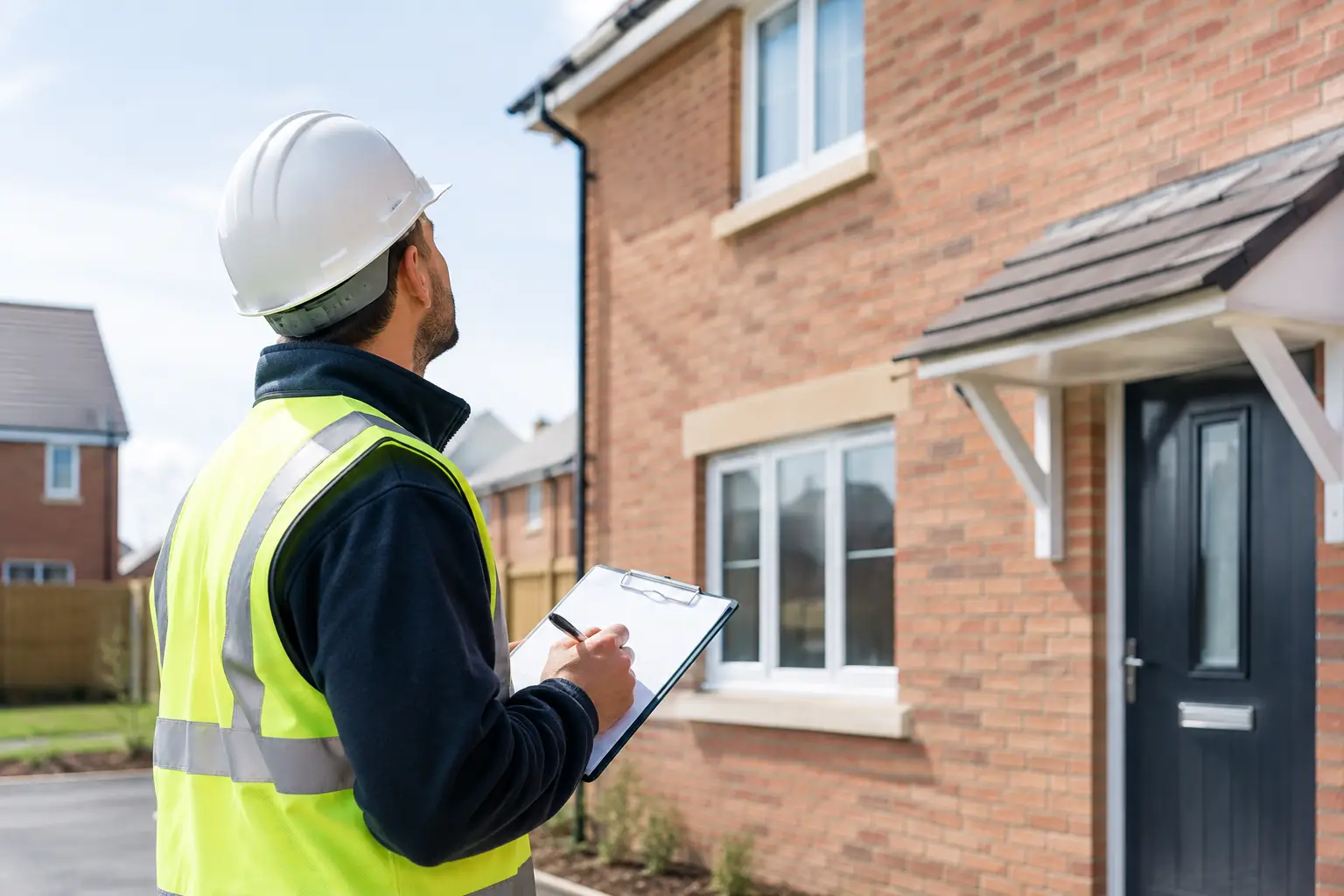
Commissioning an independent inspection early can be particularly valuable. A qualified surveyor or building engineer can assess visible defects, identify further investigations that may be needed and provide repair-focused observations that help parties discuss the actual works required. HICH LTD’s building diagnostics and mediation support can assist clients who need clearer technical evidence before negotiating a resolution.
The best route is the one that protects your position without spending more than the dispute is worth. Start by securing the evidence, understanding the contract and obtaining advice on your options. A measured, technically supported approach often gives you the best chance of resolving the issue before a building defect becomes a long-running legal battle.