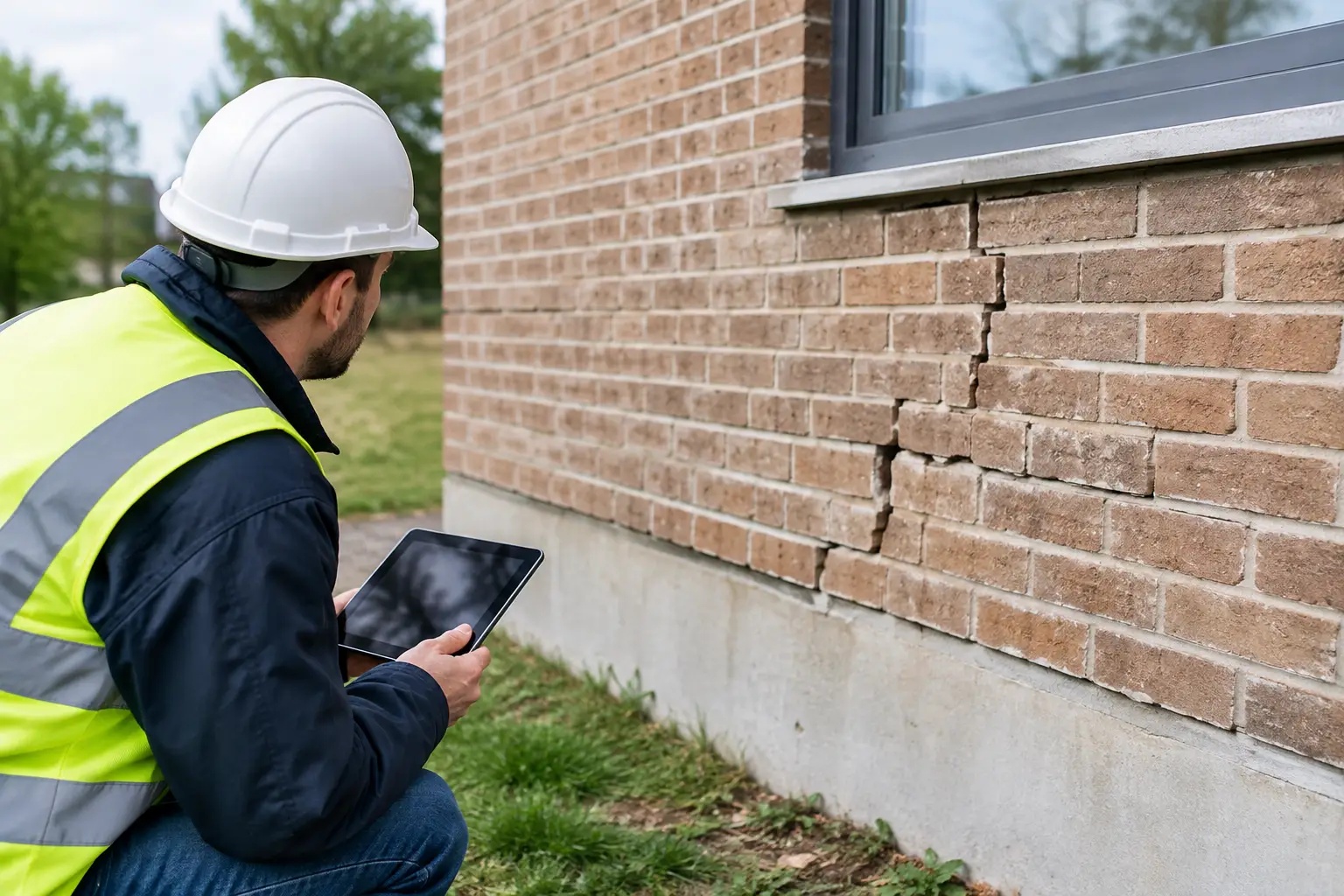


Snagging Survey for New Build Homes
You collect the keys, walk into a brand-new home, and expect everything to be finished to a high standard. Then the details start to show – uneven paintwork, poorly fitted doors, cracked sealant, missing insulation, leaking pipework or roof defects that were hidden during handover. A snagging survey for new build homes is designed to catch those issues early, while the developer is still responsible for putting them right.
For many buyers, the phrase “new build” sounds like “problem-free”. In practice, that is not always the case. Modern housing developments are often built to tight programmes, with multiple trades working in sequence and final finishes completed under pressure. Most homes are handed over in decent condition, but even well-run sites can produce defects that affect appearance, function, safety and long-term durability.
A professional snagging survey gives you an independent assessment of the property after completion, or just before legal completion where access is possible. It is not simply a cosmetic checklist. A good inspection looks at workmanship, finishes, mechanical elements, visible structural concerns and signs that something has been missed, rushed or installed incorrectly. The value is in identifying defects clearly, recording them properly and giving you evidence you can send to the developer.
What a snagging survey for new build properties covers
The scope of a snagging survey depends on the property and the level of access, but the principle is straightforward. The surveyor checks the home methodically, room by room and externally, looking for defects that fall below expected standards or indicate poor workmanship.
Internally, that often includes walls, ceilings, floors, windows, doors, ironmongery, kitchen fitting, bathrooms, sealant lines, tiling, joinery and visible plumbing or heating issues. Externally, the inspection may consider brickwork, render, roof coverings where visible, guttering, drainage details, paths, paving, fencing and general finishing quality.
The better reports do more than list faults. They explain what the defect is, where it is, why it matters and how urgently it should be addressed. That matters when you are dealing with a developer’s customer care team, because vague complaints are easier to dismiss than a clear schedule of defects prepared by a qualified surveyor.
Why new build homes still have defects
There is a common misconception that defects only happen in older properties. In reality, new homes can have a different type of risk. You are less likely to face decades of wear and tear, but you may inherit construction defects, finishing issues and incomplete works.
Some snags are minor and expected. Small decoration defects, poorly adjusted doors or untidy sealant are common examples. Others are more serious, such as insufficient loft insulation, badly installed roof details, defective drainage falls, cracked glazing, water ingress around openings or signs of movement that need closer review.
The key point is that “new” does not automatically mean “correct”. A home can look clean, modern and freshly finished while still containing faults that become expensive once the initial developer response window has passed.
When to arrange a snagging survey for new build homes
Timing makes a difference. Ideally, the inspection should be carried out as early as possible after build completion, when defects can still be addressed promptly and before you have fully settled into the property. Some buyers arrange a survey immediately after handover. Others book once they have had a few days in the property and noticed early signs of problems.
If pre-completion access is available, that can be useful, but it depends on the developer’s policy and the stage of works. In many cases, post-completion is the realistic option. What matters most is not leaving it too long. The earlier issues are documented, the easier it usually is to show they relate to original workmanship rather than later wear, accidental damage or homeowner changes.
There is also a practical benefit to early inspection. Trades are often still active on the development, which can make remedial works easier to arrange. If you wait several months, the process can become slower and more disputed.
What a professional survey gives you that a buyer checklist does not
Many homeowners walk around with a snagging list from the developer or a checklist downloaded online. That can be useful as a starting point, but it is not a substitute for a professional inspection.
A qualified surveyor knows where defects tend to occur, what acceptable tolerances look like and which minor-looking issues may point to a wider problem. For example, a hairline crack above a window might be simple shrinkage, or it could indicate poor movement joint detailing. Condensation may be down to ventilation settings, or it may relate to insulation gaps and cold bridging. Uneven roof lines might be superficial, or they may justify closer investigation.
That judgement matters. It helps you distinguish between minor finishing items and defects that could affect weather resistance, performance or future repair cost.
A professionally prepared report also carries more weight. If you need to raise a complaint formally, rely on the developer warranty process or evidence the condition of the property for a dispute, a detailed survey report is far stronger than a handwritten list on moving day.
Common defects found in new build snagging inspections
The exact findings vary by property type and builder, but some issues appear regularly. Decorative snags are the most obvious – paint splashes, poor plaster finish, chipped fittings, scratched glazing and misaligned doors. These are frustrating, but usually straightforward to rectify.
More significant defects are where the survey often proves its value. These can include poorly fitted windows and external doors, inadequate mastic sealing, visible damp staining, loose roof tiles, missing fire stopping, insulation shortfalls, drainage defects, poor falls to external paving, unsafe balustrade details or signs of movement cracking beyond normal settlement.
Not every defect will be serious, and not every serious issue will be visible during a standard snagging inspection. That is an important trade-off to understand. A snagging survey is a visual, non-destructive inspection. It is highly effective for identifying visible problems and workmanship issues, but it will not open up concealed construction. If a surveyor sees evidence that suggests a deeper defect, they may recommend further investigation.
How developers typically respond
Most developers expect snagging items to be reported and have a process for dealing with them. The challenge is not whether defects can be reported, but how clearly they are documented and how quickly they are addressed.
If your report is organised, photo-supported and prepared in plain language, it becomes much easier to submit issues efficiently and track whether the remedies are adequate. Some defects will be resolved promptly. Others may involve debate about whether they meet tolerance, whether the issue is cosmetic or whether it sits under the warranty provider rather than the site team.
This is where professional wording helps. The aim is not to exaggerate every mark or turn the process into a confrontation. It is to present a fair, technically informed account of the property’s condition so defects can be remedied properly.
Is a snagging survey worth it?
For most buyers, yes. Compared with the cost of putting defects right privately, a snagging survey is a relatively small outlay. It gives you clarity at a point when the developer still has responsibility and when remedial works should be most achievable.
The value is not just financial. It also saves time, reduces uncertainty and gives you confidence that obvious issues have not been overlooked. That is especially useful for first-time buyers, landlords taking handover of multiple units and anyone purchasing at the upper end of the market where finish quality should match the price paid.
Of course, it depends on the property and your risk tolerance. A small flat from a developer with an excellent aftercare record may present a lower level of concern than a larger detached house with extensive external works and more complex construction details. Even so, independent inspection remains a sensible layer of protection.
At HICH LTD, the focus is on clear reporting, practical defect identification and value-driven surveying that helps buyers act quickly. For a new build purchase, that can make the difference between noticing problems early and spending months chasing repairs without proper evidence.
A new home should feel like a clean start, not the beginning of a defect list you have to build yourself. Getting the right inspection early gives you a stronger position, a clearer picture of what needs attention and a better chance of having the property finished as it should have been from day one.