

When Do You Need a Structural Engineer Report?
A crack above a window is easy to ignore until a mortgage valuer flags it, a buyer starts asking questions, or the cost of repair becomes impossible to guess. That is usually when people ask: when do you need a structural engineer report? In practice, the right time is often earlier – when there is uncertainty about movement, load-bearing elements, safety, or the true cause of a defect.
A structural engineer report is not only for buildings that look as though they are about to fail. More often, it is used to identify whether visible issues are cosmetic or structural, whether a proposed alteration is safe, and whether a defect is stable, historic, progressive, or serious enough to affect value, mortgageability, or repair planning. For buyers, homeowners and developers, that distinction matters because it affects decisions quickly and often expensively.
When do you need a structural engineer report for a property?
You typically need a structural engineer report when there is reason to believe the building may have a problem affecting its structural integrity, or when someone involved in a transaction or project needs formal technical evidence. That could be a lender, insurer, surveyor, solicitor, builder, warranty provider, neighbour, or the owner themselves.
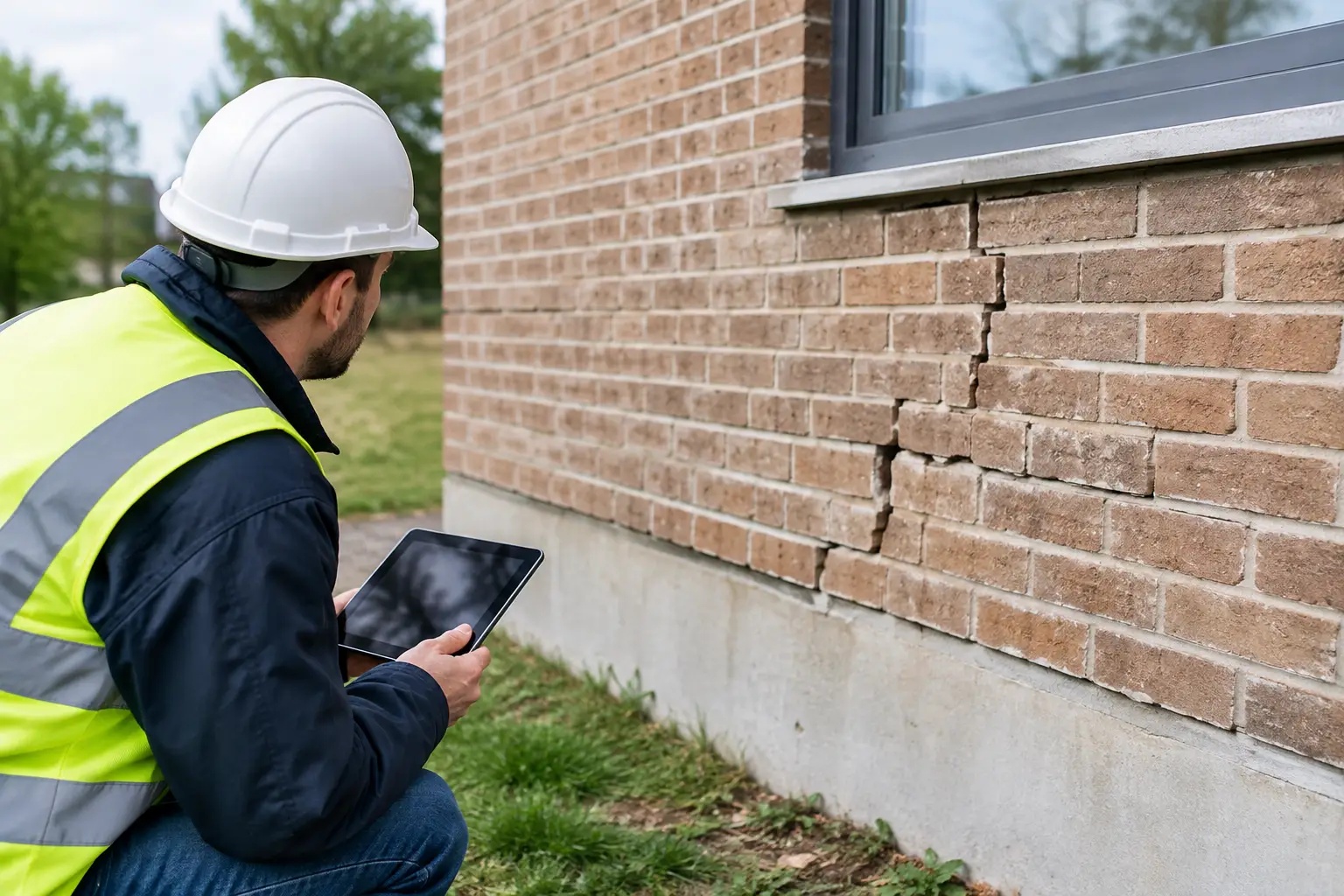
The clearest trigger is visible cracking, particularly where cracks are stepped through brickwork, tapering, wider than hairline, recurring after redecoration, or found around openings such as doors and windows. Cracks do not always mean subsidence or serious structural movement, but they do need proper interpretation. The same applies to bulging walls, sloping floors, sagging roofs, deflected beams, dropped lintels, or signs that doors and windows no longer fit their frames properly.
Another common trigger is a survey recommendation. A homebuyer report or building survey may identify concerns and advise further investigation by a structural engineer. That does not automatically mean the property is unsafe. It means the issue falls outside the scope of a standard condition survey and needs a more focused structural assessment.
Property purchase, sales and mortgage concerns
Buying a property is one of the most common points at which structural reports become necessary. A general survey can identify symptoms, but it may not be enough to confirm causation, urgency, repair options, or likely cost implications. If a surveyor notes movement, roof spread, wall cracking, previous structural alteration, or possible failure of key elements, a structural engineer report gives a more definitive basis for negotiation and decision-making.
For sellers, the report can also help remove uncertainty before a sale stalls. If a buyer sees cracking or is told there may be structural movement, they often assume the worst. A professional report can clarify whether the issue is historic settlement, thermal movement, poor detailing, lintel failure, localised masonry defects, or something more serious. That difference has a direct effect on confidence and price.
Mortgage lenders may ask for a structural engineer report if the valuation highlights concerns. In those cases, the report needs to do more than describe defects. It should explain the likely cause, the extent of risk, whether monitoring is needed, and what repair strategy is appropriate. Lenders want evidence they can rely on, not vague reassurance.
Signs of movement and damage that should not be guessed
Homeowners often wait too long because they hope a defect is minor. Sometimes it is. Sometimes it is not. The issue is that structural defects can share the same outward signs as less serious problems.
Cracking is the obvious example, but not the only one. Timber decay in a roof, failure of a steel support, chimney movement, wall tie corrosion, or local foundation movement may first appear as a cosmetic issue. A bowed ceiling line, slight floor fall, or a sticking rear door can all be dismissed until the pattern becomes harder to ignore.
This is where a structural engineer report adds value. It separates symptoms from causes. Rather than relying on guesswork or a builder’s quick opinion, you get an informed assessment of what is happening, how urgent it is, and whether the defect is likely to worsen. That is especially useful when repair costs could range from modest local work to major structural intervention.
Alterations, extensions and removing walls
Many owners assume a structural engineer report is only reactive. In reality, it is just as important before planned works. If you intend to remove an internal wall, form a larger kitchen opening, convert a loft, add bifold doors, build an extension, or alter roof structure, you may need structural calculations and drawings as part of the design and building control process.
A report may be needed first where there is uncertainty about the existing structure. Older properties, altered houses, or buildings with signs of previous movement often need a more detailed inspection before safe design work can begin. The engineer needs to understand load paths, support conditions, material quality, and whether any existing defects could affect the proposed works.
This is one area where trying to save money early often leads to higher costs later. If structural issues are discovered after builders have started opening up the property, delays and redesign become more likely. Early reporting reduces that risk.
Subsidence, heave and insurance-related claims
If subsidence is suspected, a structural engineer report is often central to the next steps. Not every crack is subsidence, and not every movement issue is ongoing. Trees, drains, leaking services, shallow foundations, shrinkable clay soils, nearby excavation, and historic settlement can all play a part. The report helps narrow down the likely mechanism and whether further investigation, such as drainage checks or monitoring, is justified.
Insurers may request technical evidence before accepting, progressing, or settling a claim. Equally, homeowners may need an independent opinion if they disagree with an insurer’s position or need support for remedial decisions. In those situations, clear defect diagnosis is essential. A report that simply says movement is present is rarely enough.
There is also a practical point here. Structural movement claims can affect future insurance and saleability, so the wording and accuracy of the report matter. It should be evidence-based, proportionate, and focused on what the defect means in real terms.
Disputes, neighbour issues and party wall concerns
Structural engineer reports are also commonly used where responsibility is in question. This might involve damage after nearby building works, cracking linked to excavation, concerns about party wall works, poor workmanship on an extension, or disagreement over whether a defect is old or newly caused.
In these cases, a report can help establish the nature of the damage, the probable cause, and whether the observed condition is consistent with the alleged event. That does not turn the engineer into a legal decision-maker, but it does provide technical evidence that can support negotiations, mediation, or formal dispute processes.
For landlords and developers, this can be particularly important where time, cost and liability exposure are all in play. A clear report often helps move matters forward faster than a chain of conflicting opinions.
When a survey is enough, and when it is not
Not every defect requires a structural engineer report. A general building survey is often the right starting point if you are buying an older property and want an overview of condition, maintenance issues, and visible defects across the whole building. It provides broad advice and can highlight whether further specialist input is needed.
The difference is scope. A building survey looks widely at the property. A structural engineer report looks more narrowly and more technically at specific structural concerns. If the question is, “What condition is this property in overall?” a survey may be enough. If the question is, “Is this crack serious, what caused it, and what needs doing?” a structural report is usually the better fit.
Sometimes both are sensible. That is particularly true where a purchase involves multiple risks, such as structural movement, roof defects, damp-related timber concerns, or signs of poor previous alterations.
What a useful structural engineer report should tell you
A report should do more than confirm that damage exists. It should explain the likely cause, identify the structural elements affected, comment on severity, and set out what action is recommended. That may include monitoring, further intrusive inspection, repair design, temporary precautions, or no immediate work beyond routine maintenance.
Good reporting is practical. Clients need to understand whether a defect is urgent, whether it affects safety, and what sort of budget or project implications may follow. Technical accuracy matters, but so does clear language. If the report cannot be understood by a buyer, owner, lender, or contractor, it is not doing its job properly.
For that reason, many clients prefer inspection services that combine structural understanding with broader building pathology experience. At HICH LTD, that practical approach helps clients move from concern to a clear decision without unnecessary delay.
The right time is before uncertainty becomes expensive
If you are hesitating because the defect might be minor, that is exactly why an expert report can be worthwhile. The purpose is not to turn every crack into a crisis. It is to establish what is really happening before a purchase proceeds, a claim is submitted, a wall is removed, or a disagreement hardens into a costly problem.
The best time to act is when you need clarity, not when the issue has already disrupted the sale, the build, or the budget.