

Best Survey for Homebuyers in the UK
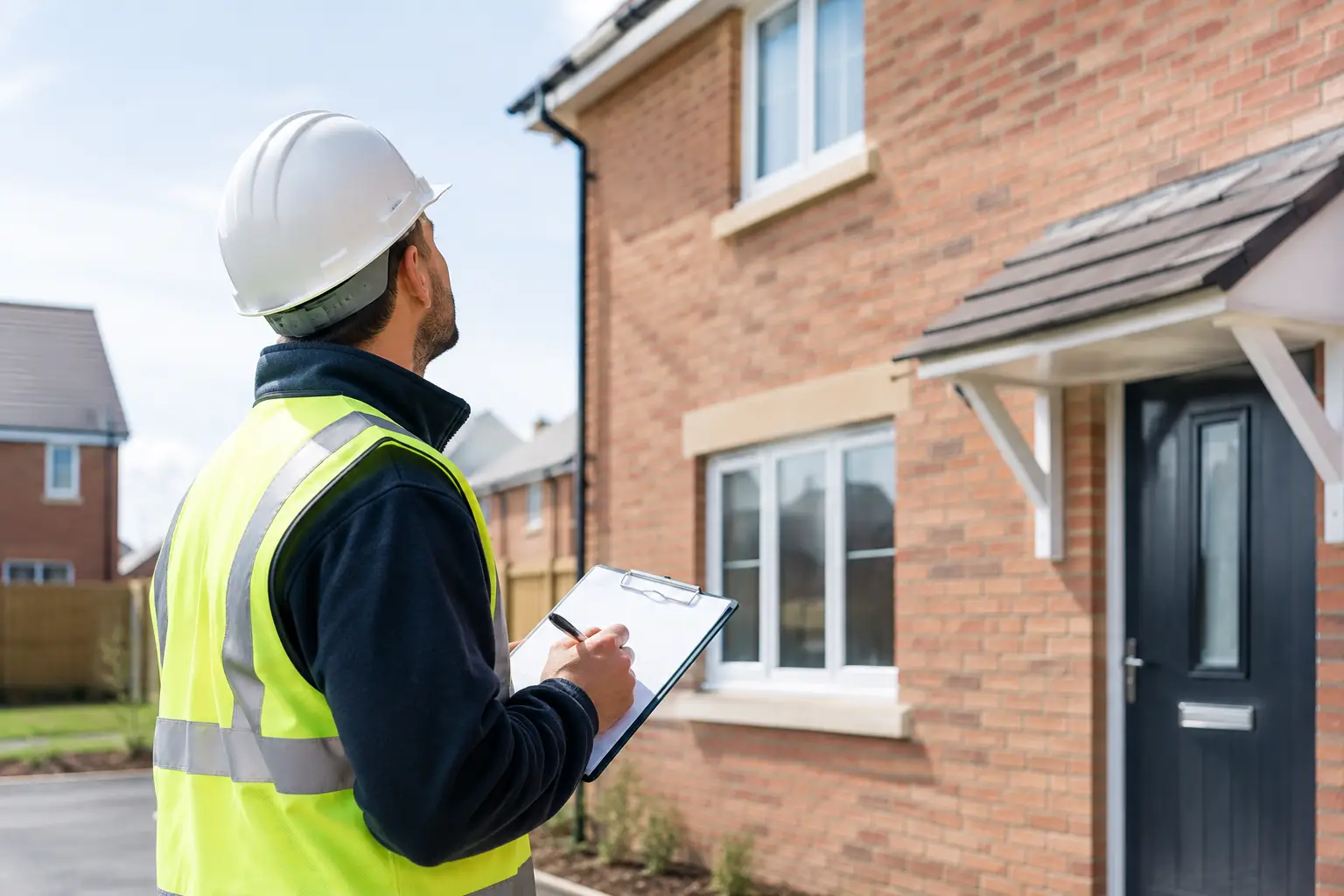
You are about to spend thousands on searches, legal fees, mortgage costs and removals, yet the wrong property survey can still leave you exposed to hidden repair bills. Choosing the best survey for homebuyers is not about picking the cheapest report. It is about matching the inspection to the age, condition and risk profile of the property you are buying.
A survey should help you answer three practical questions before you commit. What is wrong with the building, how serious is it, and what is it likely to cost to put right? If a report does not help with those decisions, it has limited value no matter how quickly it arrives.
What is the best survey for homebuyers?
The honest answer is that it depends on the property. There is no single best survey for every buyer, because a modern flat in good condition does not carry the same level of risk as a Victorian terrace with signs of movement or an older house that has been heavily altered.
For many fairly standard homes in apparently reasonable condition, a Level 2 survey can be suitable. It gives a general overview of condition, highlights visible defects and flags areas that need further investigation. That works well where the construction is conventional and there are no obvious signs of major concern.
For older properties, larger houses, buildings with visible cracking, dampness, roof issues, structural alteration or generally tired condition, a Level 3 survey is usually the safer choice. This is the more detailed option and is often the right decision when repair costs could be significant. It gives buyers a deeper understanding of defects, likely causes and priorities for remedial work.
In some cases, neither a standard Level 2 nor Level 3 is enough on its own. If the main concern is the roof, structural movement, thermal loss, asbestos-containing materials or snagging on a new-build, a specialist inspection may be the best route. A targeted survey can save time and money by focusing on the issue most likely to affect value, safety or negotiations.
Level 2 or Level 3 survey for homebuyers?
This is where many buyers hesitate. They do not want to overspend on a survey, but they also do not want to discover defects after completion that should have been identified beforehand.
A Level 2 survey is typically best for conventional homes built with common materials, where the property appears reasonably well maintained and has not been significantly altered. Think of a typical 1990s semi-detached house or a modern flat with no obvious signs of distress. It is a sensible middle ground for lower-risk purchases.
A Level 3 survey is usually the better option where the property is older, unusual, extended, neglected or visibly defective. It is also sensible where you already suspect problems such as damp penetration, roof spread, timber decay or cracking around openings. If you are buying a period property, a house with a loft conversion, or a building that has had walls removed, more detail is rarely wasted.
The trade-off is straightforward. A Level 2 costs less and may be enough for a simpler property. A Level 3 costs more, but it can give you better leverage if defects are found and a clearer picture of likely expenditure after purchase. For many buyers, that extra detail is worth far more than the difference in survey fee.
When a specialist survey is the best survey for homebuyers
Standard property surveys are valuable, but they are not designed to answer every technical question in depth. If a particular issue stands out, a specialist survey may be the most cost-effective decision.
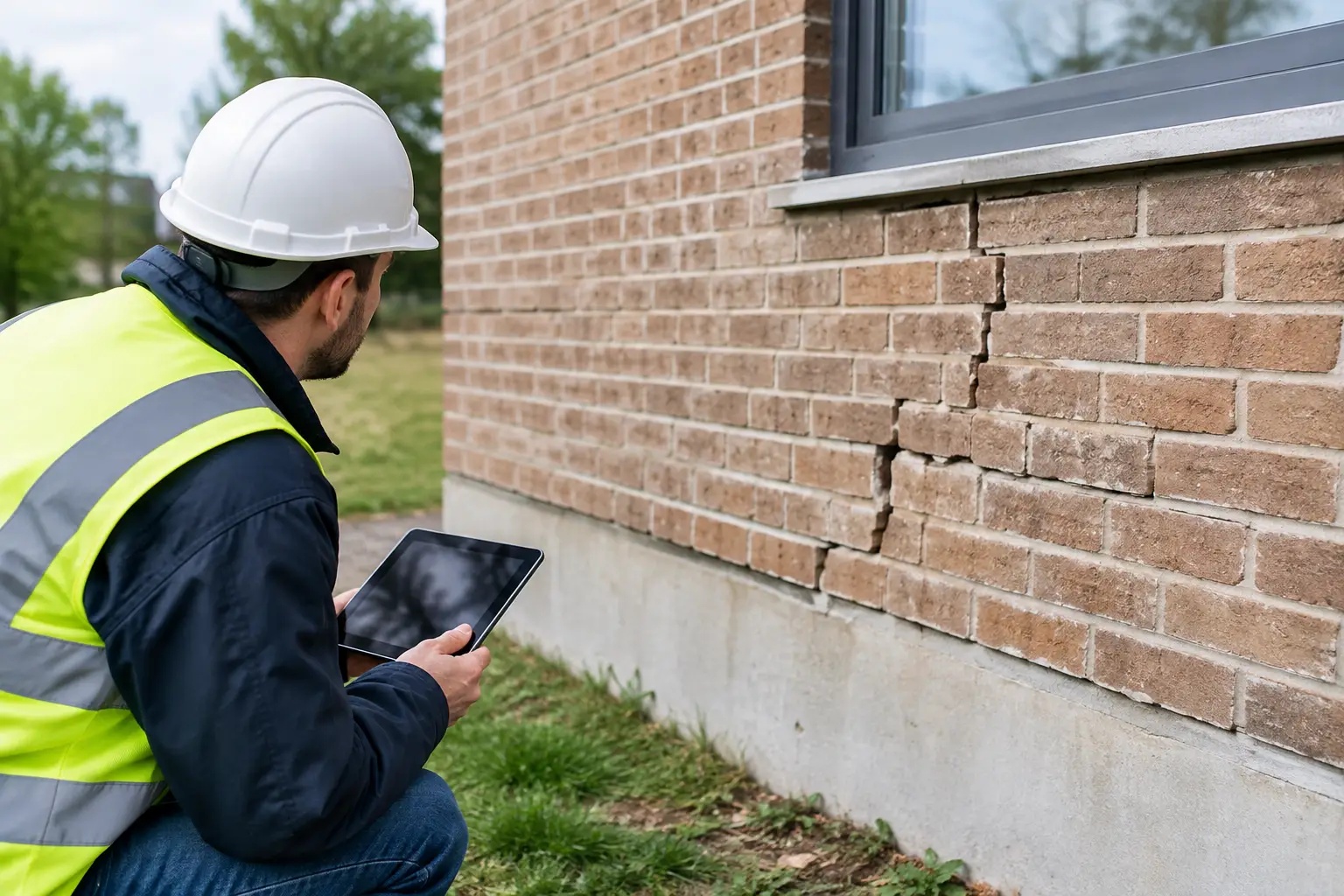
A structural building survey is often the right choice where there are concerns about subsidence, wall movement, sagging floors, lintel failure or major alterations. Buyers of older stock and investors looking at refurbishment projects often benefit from this route because it focuses directly on structural integrity and repair implications.
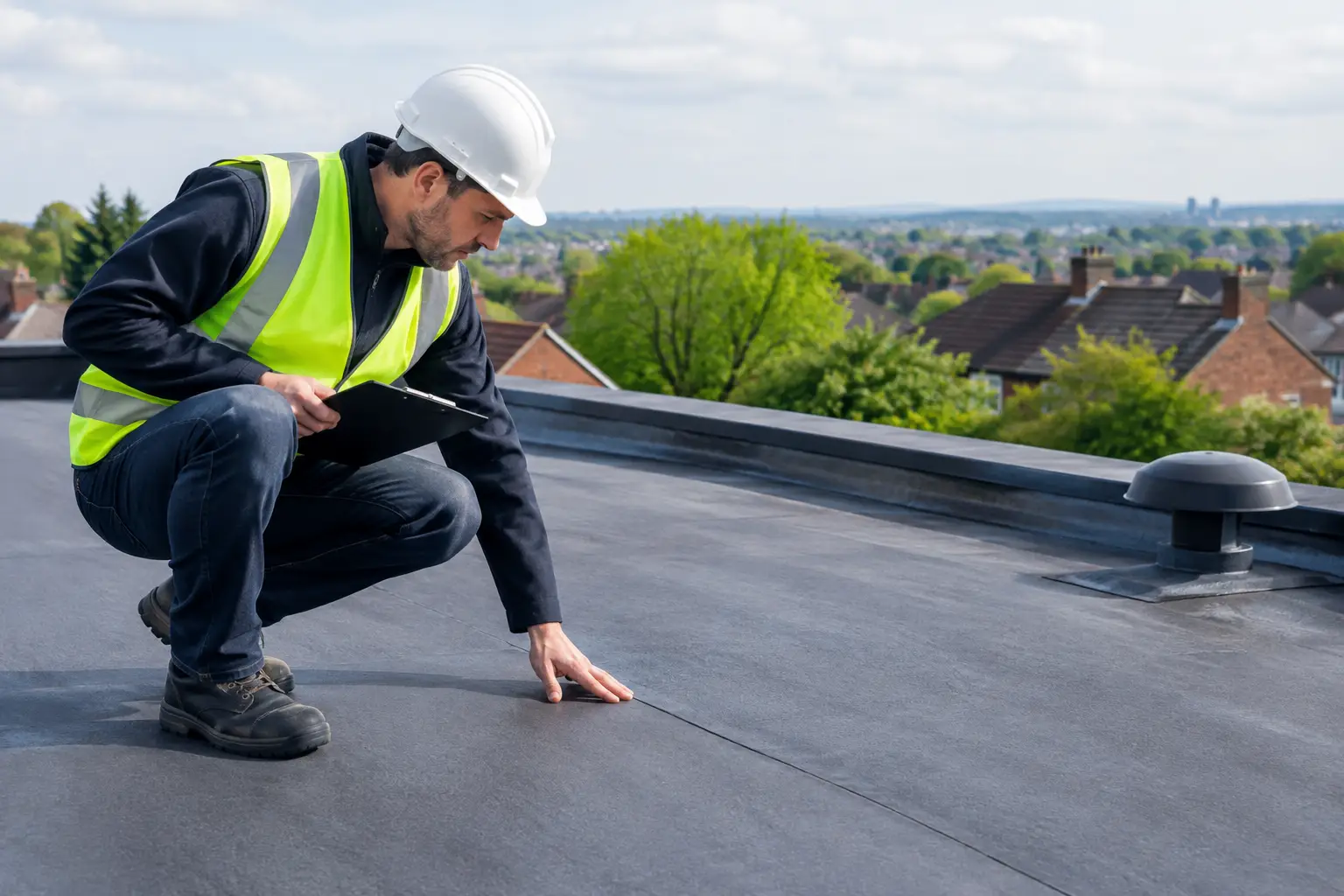
A roof survey can be the right call if slipped coverings, deflection, staining, daylight in the loft or ageing materials are evident. Roof defects are easy to underestimate from ground level, but repair costs can be substantial.
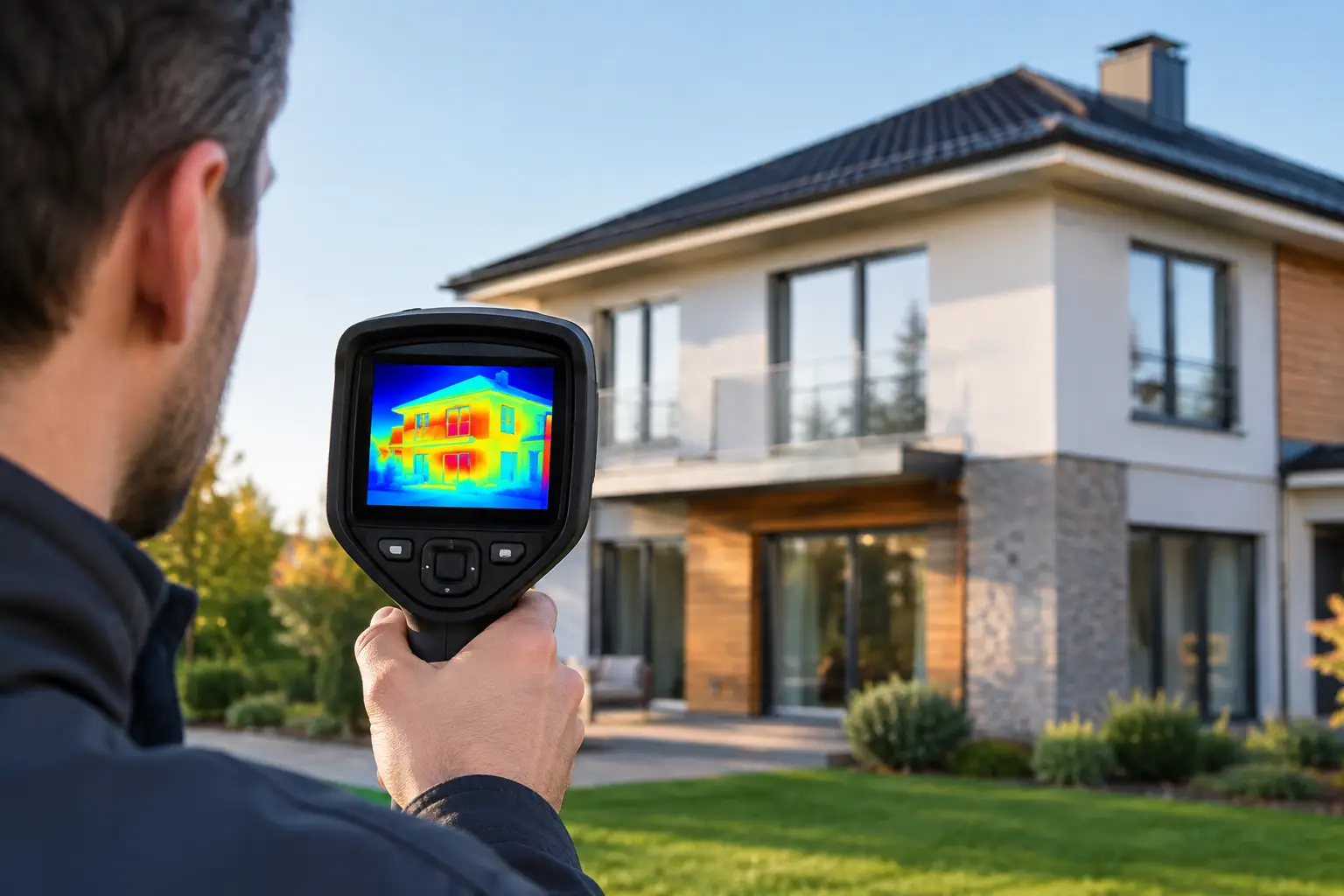
An asbestos survey can matter in older properties, especially if refurbishment is planned. A thermographic survey can help identify heat loss, moisture patterns and insulation defects that are not obvious during a routine visual inspection. New-build purchasers may find a snagging survey more useful than a general pre-purchase survey if the concern is poor finishing, incomplete works or build-quality defects.
This is where practical advice matters. The best inspection is not always the broadest one. Sometimes it is the one that gets closest to the actual risk.
How to choose the right survey before you buy
Start with the property itself, not the survey name. Age is one of the clearest indicators. The older the building, the more likely it is to have hidden wear, historic movement, outdated materials or repairs of mixed quality. Construction type matters as well. Non-standard buildings, converted flats and heavily altered homes generally justify a more detailed inspection.
Then look at condition. Visible cracking, staining, musty smells, uneven floors, ageing windows, patched roof coverings and poor-quality extensions all suggest that a basic overview may not be enough. If the estate agent describes the house as full of character, in need of updating or ideal for improvement, read that as a prompt to investigate more thoroughly.
Your plans also matter. If you intend to renovate, open up rooms, replace the roof, rewire or extend, understanding the building fabric in more detail is essential. A cheap survey can become expensive very quickly if it fails to identify defects that affect your budget.
Finally, think about your tolerance for risk. A cash buyer planning a full refurbishment may make different choices from a first-time buyer stretching to meet mortgage payments. The best survey is the one that gives you enough certainty to proceed, renegotiate or walk away with confidence.
What a good homebuyer survey should actually deliver
Buyers often focus on whether a survey will identify defects, but the real value is in how clearly those findings are explained. A useful report should set out what was found, where it was found, why it matters and what should happen next.
That means clear descriptions of defects, sensible prioritisation and practical comments on repair implications. If there is evidence of movement, dampness, roofing failure or poor alteration work, the report should not leave you guessing about severity. It should help you understand whether the issue is minor maintenance, a medium-term repair or a matter requiring urgent action.
Cost awareness also matters. Surveyors cannot always provide a full schedule of rates within a pre-purchase report, but buyers benefit when defects are discussed in commercial terms. Knowing that a problem is not just present, but likely to affect negotiation or future expenditure, makes the report much more useful.
That is why many buyers now prefer inspection services delivered by professionals with practical building knowledge as well as surveying expertise. Technical accuracy matters, but so does real-world repair understanding.
Common mistakes buyers make when choosing a survey
The first mistake is choosing on price alone. Survey fees are small compared with the cost of replacing a roof, dealing with structural repair work or rectifying damp-related timber damage.
The second is assuming the lender’s valuation is enough. It is not a condition survey and it is not there to protect you from defects. Its purpose is to support the lender’s lending decision.
The third is selecting a survey that is too light for the property. Buyers often do this to save a few hundred pounds, only to face much larger bills after completion. The fourth is ignoring specialist warning signs. If the issue is clearly structural, roofing-related or linked to a particular defect type, a general inspection may need to be supplemented.
A more reliable approach is to describe the property properly when booking and ask what level of survey matches the actual risks. A dependable surveying company should be prepared to guide you rather than simply sell the highest-priced option.
Making the survey work for your purchase
The best time to commission a survey is early enough to influence your decision-making. If serious defects are identified, you need room to renegotiate the price, request further investigation or reconsider the purchase without unnecessary pressure.
It also helps to treat the report as a decision tool rather than a box-ticking exercise. If the findings show a manageable level of maintenance, you can proceed with clearer expectations. If they reveal major expenditure, that information can support a revised offer. If the defects are too severe for your budget or appetite, walking away may be the smartest financial decision.
For buyers who want fast, practical and technically informed reporting, HICH LTD’s approach reflects what the market increasingly needs – detailed inspection work, clear defect analysis and pricing that feels transparent rather than inflated by property value.
A good survey does more than describe a house. It helps you understand the cost of saying yes. Choose the one that fits the building, not the one that simply sounds familiar.