

Structural Survey for House Purchase
The viewing went well, the offer has been accepted, and the estate agent is pushing for momentum. This is usually the point where buyers start wondering whether a structural survey for house purchase is a sensible extra or an avoidable cost. In practice, it is often the report that tells you what the property is really likely to cost once the keys are in your hand.
A mortgage valuation will not do that job. Even a standard home survey may not go far enough where there are visible cracks, roof spread, damp staining, uneven floors, movement, ageing extensions, or signs of poor alteration works. A structural survey is about risk, condition and repair implications. It gives you a clearer basis for deciding whether to proceed, renegotiate or walk away.
What a structural survey for house purchase is designed to do
A structural survey focuses on the building’s physical condition, with particular attention to the parts that affect stability, weather resistance, safety and future repair liability. That includes the main walls, roof structure, floors, ceilings, load paths, evidence of movement, and defects that may point to wider hidden problems.
For buyers, the value is not just in identifying defects. It is in understanding seriousness. A hairline crack caused by minor shrinkage is a very different issue from ongoing structural movement. A sagging roof may need localised strengthening, or it may point to long-term spread, failed supports or timber decay. The survey should help separate cosmetic concerns from material defects.
That distinction matters when money is tight and timescales are moving. A good report gives practical information you can use during the transaction, not vague warnings that leave you guessing.
When a structural survey makes the most sense
Not every purchase needs the same level of investigation. A newer house in evidently good condition may be adequately served by a less specialist inspection, depending on the property type and what is visible at viewing stage. But there are situations where a structural survey is strongly advisable.
Older buildings are one example, especially pre-war homes, period terraces and properties that have been altered several times. Age alone does not make a house unsound, but older construction often comes with movement history, roof ageing, patch repairs, damp issues, timber decay or non-standard details that deserve closer attention.
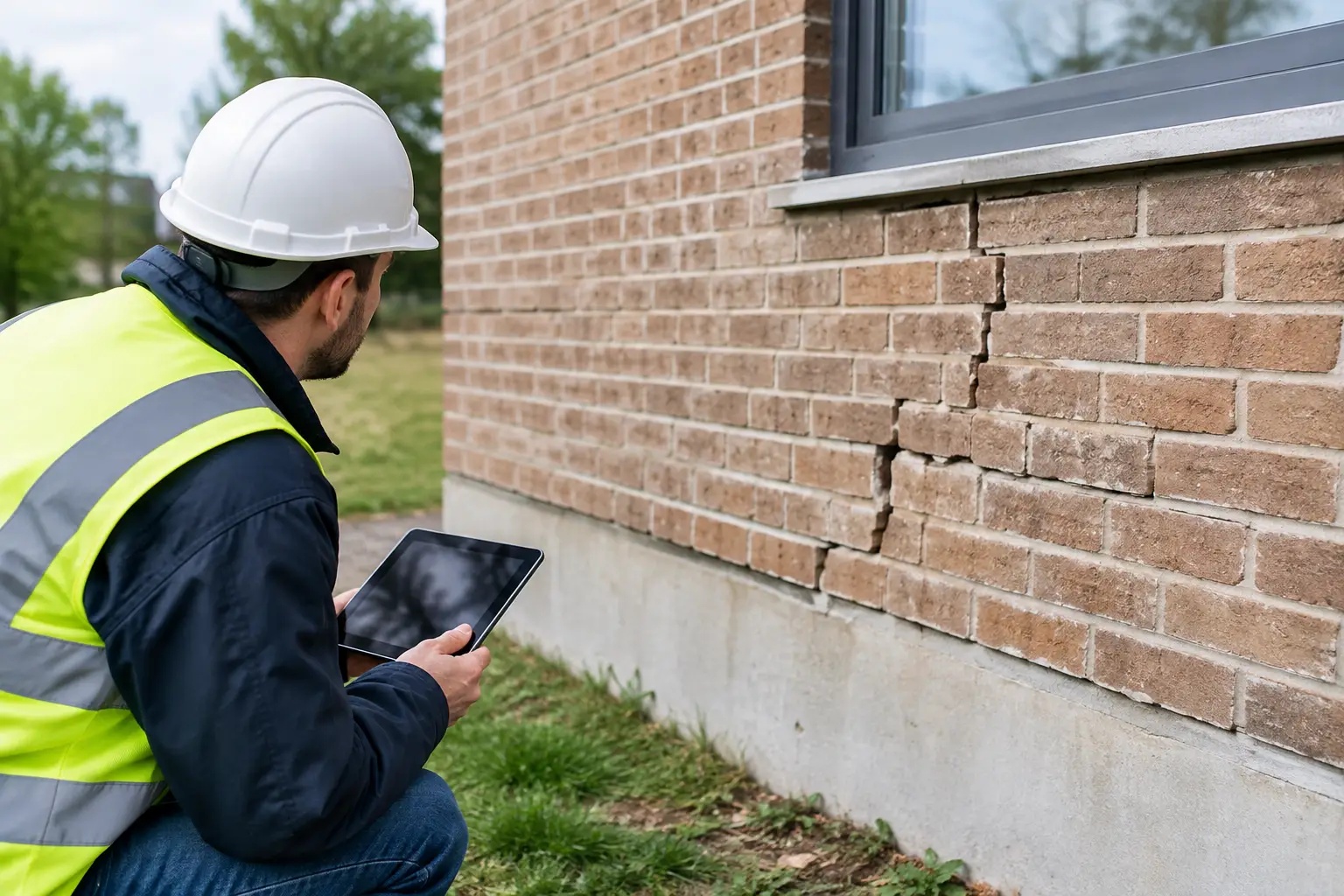
Properties with visible warning signs are another. Cracking above openings, bulging walls, sloping floors, roof deflection, failed lintels, water ingress, and signs of movement around bay windows or extensions should not be brushed aside as normal settlement without evidence.
The same applies where major works have been carried out. Loft conversions, removed chimney breasts, rear extensions and internal wall alterations can all be perfectly acceptable, but buyers need confidence that the work is behaving as expected and not causing stress elsewhere in the structure.
Investors and developers also benefit because they are buying on numbers. If defects are likely to affect programme, finance or resale value, that needs identifying early.
What the survey should cover
A proper structural survey for house purchase should go beyond a general visual once-over. It should assess the condition of the building fabric and explain how defects relate to one another.
That usually includes inspection of external walls, signs of cracking and movement, roof coverings and roof structure where accessible, chimneys, rainwater goods, floors, ceilings, internal cracking patterns, damp-related deterioration, and indicators of failed repairs or poor workmanship. The surveyor should also consider whether defects are isolated or suggest a broader structural mechanism.
Just as important is the reporting. Buyers need a document that is clear on defect severity, likely causes, urgency and probable next steps. If further opening-up works or specialist tests are needed, that should be stated plainly. If the issue appears historic and stable, that should be stated too. Overstating minor issues can be as unhelpful as missing serious ones.
What a structural survey can reveal before you exchange
The most useful surveys do not just catalogue problems. They explain the commercial reality behind them.
For example, a report may identify roof spread in an older property. That does not automatically mean the purchase should stop. It may mean budgeting for restraint, local timber repairs and closer inspection by a roofing contractor. Equally, a survey might reveal cracking linked to inadequate support over altered openings. That could lead to immediate negotiation because remedial works may be urgent and disruptive.
Damp is another area where buyers benefit from specialist interpretation. Surface staining can be caused by leaks, condensation, failed flashings, bridging, defective pointing or poor ventilation. The repair route depends on the source. A sound survey should avoid generic assumptions and focus on the building evidence.
In some cases, the survey confirms that visible defects are manageable. That reassurance has value too. Proceeding with a purchase is easier when you understand the likely repair profile and can plan sensibly.
Structural survey or standard survey?
This is where many buyers get stuck. A standard condition survey may be enough for relatively straightforward homes with no obvious red flags. It can identify defects and maintenance issues at a broad level, which suits many conventional purchases.
A structural survey is the better option when the building raises concern about movement, major defects, poor alterations, roof structure, water ingress, or repair liability that could materially affect value. It is also more useful where the buyer wants deeper defect analysis rather than a general overview.
The right choice depends on the property, not just the buyer’s caution level. Spending less on the wrong report can be false economy if key structural issues are left unexplored or only lightly commented on.
What happens after the report
A survey is only useful if it helps you act. Once the findings are in, there are usually three possible routes.
The first is to proceed as planned because the defects are minor, historic, or already reflected in the agreed price. The second is to renegotiate using the report to support a price reduction or request for remedial action. The third is to pause or withdraw because the level of risk, disruption or cost no longer works for you.
This is why repair-cost awareness matters. Buyers do not need theoretical commentary alone. They need to understand which defects are urgent, which are manageable, and which may become expensive if ignored. A survey written with practical construction knowledge is far more useful than one that simply lists possible concerns.
Common misconceptions about a structural survey for house purchase
One common misunderstanding is that the survey will guarantee every hidden defect is found. It will not. Most inspections are non-intrusive, so there are limits where finishes conceal the underlying structure. What a good survey does provide is an informed professional assessment based on visible evidence, defect patterns and construction behaviour.
Another misconception is that only obviously damaged houses need one. In reality, plenty of expensive problems sit behind superficially tidy presentation. Fresh decoration can hide cracking, patched ceilings can mask roof leaks, and recent refurbishment can distract from poor structural alterations.
Some buyers also assume the lender’s valuation is a substitute. It is not. A valuation protects the lender’s lending decision, not your repair budget.
Choosing the right surveyor
For this type of instruction, experience matters. Buyers should look for a qualified surveyor or building engineer with strong knowledge of residential defects, structural behaviour and repair implications. Reporting style matters as well. If the findings are too vague, too technical or too cautious to interpret, the report may not help when decisions need to be made quickly.
A fixed-fee service can also be useful because it gives cost clarity at a stage where legal fees, mortgage costs and moving expenses are already mounting. Fast booking and prompt reporting are equally important in a live transaction. Delays can affect negotiations and put pressure on exchange dates.
This is where a specialist provider such as HICH LTD can add value – not simply by inspecting the property, but by delivering clear defect analysis that supports a real purchase decision.
The real question: what are you buying?
When buyers ask whether a structural survey is worth it, the better question is what uncertainty they are accepting without one. Property purchases are rarely derailed by the survey fee. They are derailed by defects discovered too late, budgets that do not stretch to repairs, and assumptions made on incomplete information.
A structural survey for house purchase gives you a more accurate picture of the building behind the sales details. Sometimes that means confirming the house is a sound buy. Sometimes it means exposing costly issues before they become your responsibility. Either outcome can save you money.
If the property shows signs of age, movement, alteration or neglect, getting specialist advice early is usually the more efficient decision. It gives you facts, leverage and a clearer path forward – which is exactly what you need when the next step could be the biggest financial commitment you make.