

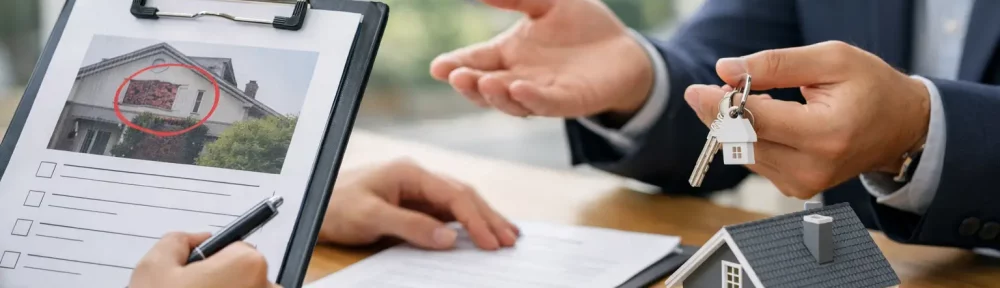
A survey can change the tone of a purchase very quickly. You may have agreed a price, arranged a mortgage and begun picturing life in the property, only to receive a report identifying roof deterioration, movement, dampness or outdated electrics. A practical property defect negotiation guide helps you separate genuine financial risk from routine maintenance, then make a clear and credible request before you commit to exchange.
The objective is not to use every observation in a survey as a bargaining tool. It is to establish whether significant defects were reflected in the agreed price, what remedial work is likely to cost, and whether the property remains the right purchase at the revised figure.
What a Property Defect Negotiation Guide Should Do
A professional survey report is evidence, not simply a list of concerns. It records what was visible on the inspection date, explains the likely cause and consequences of defects, and identifies where further investigation is needed. Your negotiation should be built around the findings that materially affect safety, use, durability or foreseeable repair expenditure.
Focus first on defects that could alter the value or future running costs of the building. Examples include structural cracking, defective roofing, water penetration, timber decay, unsafe electrical installations, drainage failures and the presence or suspected presence of asbestos. A loose door handle or worn sealant may still need attention, but it is unlikely to justify reopening the purchase price on its own.
This distinction matters. A seller is more likely to engage constructively when a buyer presents a short, evidenced case based on significant items, rather than a long schedule of minor age-related imperfections. Older homes will have wear and maintenance needs. The key question is whether the scale, urgency and cost of the defects were reasonably apparent when the price was agreed.
Start With Evidence, Not Assumptions
Read the full report rather than relying only on condition ratings or the summary. Condition ratings are useful signposts, but the supporting commentary tells you why the issue matters and what should happen next. Look for references to urgency, potential further damage, limitations of the inspection and recommendations for specialist investigation.
Make the Survey Findings Usable
Create a short working schedule for yourself and your solicitor. For each material defect, record the report reference, the surveyor’s description, the likely consequence if left unresolved, and the recommended action. This turns a technical document into a negotiation brief that the estate agent and seller can understand.
Keep the wording faithful to the report. Do not state that a roof is failing if the survey says it has localised defects and requires repair. Equally, do not soften a serious warning about possible structural movement because a seller describes it as an old crack. Accuracy protects your position and keeps the conversation professional.
Photographs, annotated plans and quotations can strengthen the case where available. However, avoid commissioning several broad quotations before establishing whether a specialist inspection is required. A builder cannot reliably price remedial work if the cause and extent of a defect remain uncertain.
Know When Further Investigation Is Worth It
Further investigation is particularly valuable where a defect could have several causes or where repair costs vary widely. Dampness, for example, may arise from leaking gutters, defective pointing, bridging, poor ventilation, plumbing leaks or condensation. Treating the visible stain without identifying the source can lead to repeated expenditure and a failed repair.
The same applies to cracking, roof leaks and suspected asbestos-containing materials. A focused inspection by a qualified professional can establish the likely cause, define an appropriate scope of work and provide better evidence for negotiations. It may also prevent you from seeking a large reduction for work that proves minor, or accepting a small reduction where the liability is substantial.
Turn Defects Into a Proportionate Cost
A surveyor’s report may identify necessary work without giving a fixed repair price. That is normal. Costs depend on access, specification, materials, the extent of concealed damage and regional contractor availability. Your aim is to reach a reasonable allowance, not to present a figure with false precision.
Ask for itemised estimates where the scope is sufficiently clear. A useful estimate should state what is included, whether access equipment or scaffolding is needed, whether making good is included, and whether VAT applies. A low headline figure can be misleading if it excludes the work required to reach the defect safely or restore finishes afterwards.
Allow for uncertainty where justified. If roof timbers may be decayed behind an inaccessible lining, the repair cost can increase once the area is opened up. This does not mean every estimate should include an excessive contingency. It means the negotiation should acknowledge known defects separately from risks that require investigation.
For a relatively modest issue, a sensible cash allowance may be more efficient than delaying the transaction over competing quotes. For larger or uncertain problems, independent technical evidence is usually a better investment. The cost of a targeted inspection can be small compared with inheriting a major structural or roofing liability after completion.
Choose the Right Negotiation Approach
There are three common routes. The first is a price reduction, which gives you control over the repairs once you own the property. It is often the cleanest solution where the seller accepts that the agreed price did not account for the defect.
The second is for the seller to complete the work before exchange or completion. This can suit a buyer who needs the defect resolved, but it carries a trade-off. You may have limited control over the contractor, materials and standard of repair. If this route is agreed, the scope, evidence of completion and responsibility for any incomplete work should be documented through the solicitors.
The third is to proceed at the original price because the defects are already reflected in the value, are manageable within your planned budget, or are typical for the property’s age and type. A well-negotiated purchase is not always one with a reduction. It is one where you understand the condition, cost and risk before becoming responsible for the building.
Mortgage lending can also influence the conversation. If the lender’s valuation identifies a retention, a down valuation or a requirement for repairs, your purchase price and finance arrangements may need to be reconsidered. Raise this with your mortgage adviser and solicitor promptly rather than assuming the matter will resolve itself.
Make a Clear, Focused Request
Send your request through the estate agent, with your solicitor involved where contractual wording or proposed works are concerned. Keep it measured and specific. An emotional message about feeling misled rarely helps, particularly where the seller may not have known about a concealed defect.
A useful request explains that the survey has identified material issues, identifies the key items, attaches or refers to supporting evidence, and states the adjustment or next step you are seeking. For example:
> Following our survey, we have identified significant repair requirements relating to the rear roof slope and ongoing water penetration. The recommended works and estimated cost were not reflected in our offer. We remain keen to proceed, subject to an agreed reduction of £X to account for the required repairs.
Be prepared for a counteroffer. The seller may provide their own quotation, argue that the property was priced accordingly or decline to renegotiate. Consider the full picture: local demand, the value of the property to you, your budget after completion, and the likelihood that another buyer’s survey will identify similar concerns.
Common Situations That Need Care
A seller may say that a defect is historic, cosmetic or already known. Historic does not always mean harmless. Old movement can be stable, but its cause and whether it remains active should be assessed where the survey recommends it. Cosmetic cracking can also conceal water ingress or structural issues, although it often does not. The evidence should determine the response.
New-build purchases require a slightly different approach. A snagging survey can record workmanship defects, incomplete items and finishing issues before or shortly after completion. The developer’s obligations, warranty position and timing for rectification may be more relevant than a price reduction, especially where the defects can be remedied without affecting structural performance.
Where a chain is under pressure, buyers sometimes feel compelled to accept unclear risks to avoid losing the property. Speed has value, but exchange removes much of your leverage. If a material defect has not been properly investigated, ask whether a short delay now is preferable to an unplanned repair programme after completion.
Property Defect Negotiation Guide: Before Exchange
Before you exchange contracts, make sure the agreed outcome is clear and workable:
- Confirm the revised price, agreed works or other arrangement in writing through the appropriate parties.
- Check that your mortgage offer still supports the purchase following any valuation or price changes.
- Ensure specialist reports, quotations and repair evidence are retained with your purchase documents.
- Set aside a realistic post-completion budget for repairs that remain your responsibility.
If a seller agrees to undertake work, do not rely on a verbal assurance or a photograph alone. Ask your solicitor how the arrangement should be recorded and what evidence will be required. For significant technical work, an independent inspection after completion may still be appropriate.
A confident negotiation is built on facts, not confrontation. When a qualified survey identifies the likely cause, urgency and repair implications of a defect, you can decide whether to renegotiate, investigate further or proceed with your eyes open. That clarity is often the most valuable outcome before you exchange.