

Construction Dispute Mediation Services Explained
A building project rarely turns into a dispute because of one dramatic event. More often, it starts with a snagging list that grows, a payment that is withheld, a repair that fails, or a contractor and client reading the same specification in completely different ways. That is where construction dispute mediation services can make a real difference. When handled properly, mediation gives both sides a structured way to resolve technical disagreements without the cost, delay, and strain of going straight into formal legal action.
For homeowners, landlords, developers, contractors, and managing agents, the main issue is not just who is right. It is how quickly the problem can be understood, evidenced, and resolved in a way that is commercially sensible. In construction, that usually means looking closely at workmanship, specification, building standards, repair scope, and the likely cost of putting defects right.
What construction dispute mediation services actually involve
Construction dispute mediation services are designed to help parties reach agreement with the support of an independent third party. The mediator does not impose a judgment in the same way a court or adjudicator might. Instead, the process is focused on helping both sides negotiate a workable outcome.
That sounds simple, but construction disputes are rarely simple. A disagreement may involve poor finishing, structural movement, roof failure, damp ingress, thermal bridging, incomplete works, payment issues, delays, or alleged departures from the agreed specification. In many cases, the dispute is not purely legal. It is technical. That is why evidence matters.
A productive mediation usually depends on clear information from the outset. If one party says the work is defective and the other says it meets the required standard, someone needs to examine the building fabric, identify the defects properly, and explain whether the issue is cosmetic, functional, or serious. Without that, mediation can become little more than two sides repeating fixed positions.
Why construction dispute mediation services often work better than formal proceedings
Court action has its place, and so does adjudication or arbitration. But many disputes do not need to start there. Mediation is often quicker, more proportionate, and more cost-effective, especially where both sides want a result that allows the matter to move forward.
One clear advantage is speed. A dispute over defective roofing, poor plastering, cracking, water ingress, or incomplete works can delay a sale, disrupt occupation, or affect cash flow on a development. Formal proceedings can take months or longer. Mediation can often be arranged much sooner.
Cost is another factor. Legal fees can escalate quickly, particularly where expert evidence is commissioned late or where both sides become entrenched. Mediation does not remove the need for evidence, but it can narrow the issues before costs spiral.
There is also the question of control. In a mediated outcome, the parties can agree practical steps that a court may not prioritise in the same way. That might include a schedule of remedial works, a partial refund, staged payments, revised access arrangements, or a contribution towards repair costs. In property disputes, practical outcomes are often more useful than point-scoring.
When mediation is the right option
Not every case is suitable for mediation at the same stage. If one party refuses to engage, key evidence is missing, or there is an urgent safety risk, other action may be needed first. Even so, mediation is often worth considering when the dispute is serious enough to affect value, occupation, programme, or payment, but still capable of negotiated settlement.
This commonly applies where a homeowner disputes the quality of an extension, where a developer challenges the standard of subcontract works, where a landlord and contractor disagree on responsibility for defects, or where post-purchase defects raise questions about earlier building work. It can also be useful in neighbour-related construction disputes where damage, water penetration, or movement is alleged.
The strongest cases for mediation are usually those where both sides need clarity. If the issue turns on workmanship, compliance, causation, or repair scope, an evidence-led approach can reduce argument and bring the discussion back to facts.
The role of surveys and defect analysis in construction dispute mediation services
This is the point many parties underestimate. Mediation is not just a conversation. In construction matters, it works best when supported by an informed technical assessment.
A professional survey or defect report can identify what has failed, how serious the issue is, whether the work appears compliant, and what remedial action is likely to be required. That creates a more stable basis for negotiation. It also helps both parties separate minor snags from material defects.
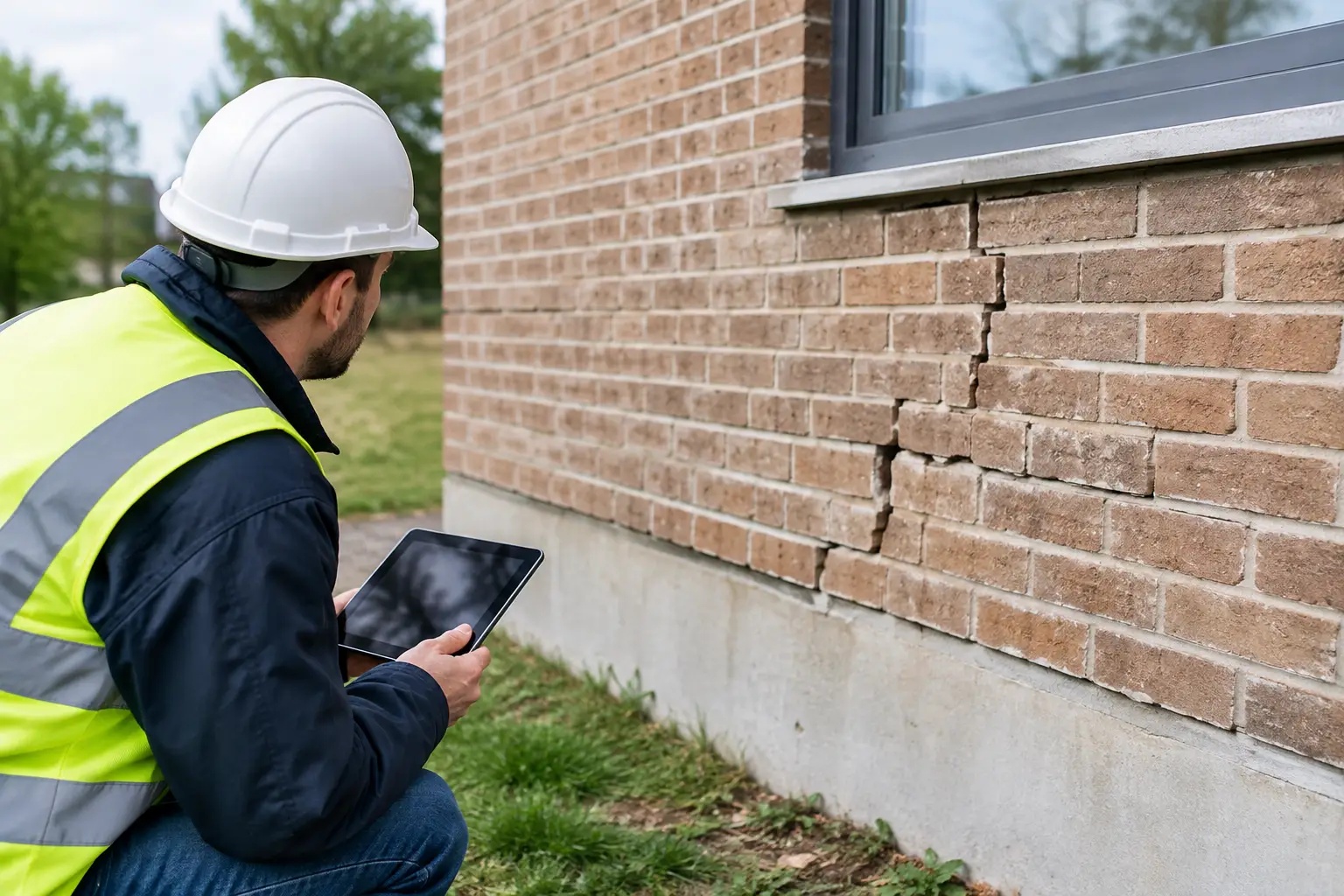
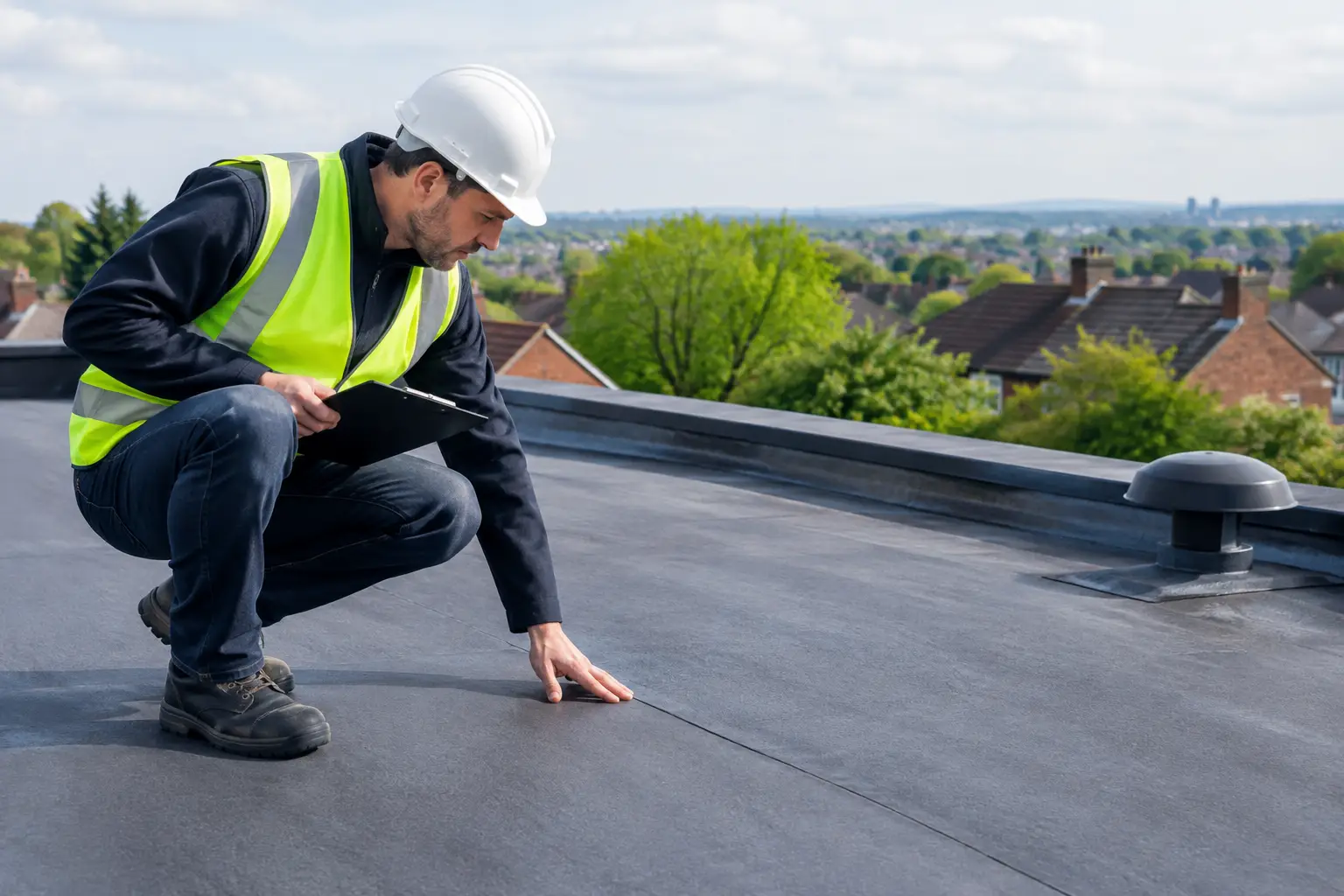
For example, a crack in plaster may be superficial, or it may indicate movement. A leaking flat roof may result from detailing faults, poor installation, blocked drainage, or an unrelated building defect. Damp staining may point to failed external sealing, cavity issues, condensation, or a roofing defect. Without proper inspection, assumptions take over, and assumptions are expensive.
This is why qualified surveyors and building engineers are often central to successful mediation. A report grounded in practical construction knowledge can help establish whether the complaint is justified, what works are needed, and whether repair costs are proportionate. That gives the mediation process something solid to work from.
What to prepare before mediation
The quality of preparation often determines whether mediation leads to agreement. Parties should gather the contract or quote, scope of works, drawings where available, specification, invoices, payment records, photographs, correspondence, snagging schedules, and any previous inspection reports. If repairs have already been attempted, those details matter as well.
It is also helpful to be realistic about the outcome sought. Some clients want the original contractor to return and complete remedial works. Others have lost confidence and prefer a financial settlement so they can appoint someone else. There is no single correct route. It depends on the relationship, the urgency of repairs, the availability of access, and the scale of the defects.
What matters is that the desired outcome matches the evidence. If the defect is minor, a demand for a full project refund is unlikely to gain traction. If the defects are extensive and affect habitability, a small goodwill offer may be equally unrealistic.
Common issues that benefit from mediation
Most construction disputes fall into familiar patterns. Work may be incomplete, finished to a poor standard, not in line with the agreed design, or already failing after handover. In other cases, the workmanship may be acceptable, but the dispute is really about variations, delays, retention, or disputed invoices.
Residential disputes often centre on extensions, loft conversions, roofing, waterproofing, damp, structural alterations, windows, insulation, and internal finishes. Commercial disputes can involve programme delay, package interfaces, access, contract administration, or quality across multiple units.
The reason mediation is so useful in these cases is that it deals well with overlap. A leaking roof, for instance, may involve workmanship, specification, supervision, and consequential damage. Formal claims tend to separate those issues. Mediation allows them to be discussed together.
Choosing the right support
If you are considering construction dispute mediation services, look for more than availability. You need technical competence, clear reporting, and practical understanding of how defects translate into repair obligations and cost exposure.
That is particularly important in residential property, where clients may not be familiar with construction language or dispute procedures. Clear explanations matter. So does straightforward pricing. A fixed-fee approach, combined with a detailed inspection by qualified building professionals, can make the process far more manageable.
For many clients, the best support comes from a provider that understands both the building pathology and the commercial pressure behind the dispute. HICH LTD works in exactly that space, combining specialist inspection expertise with a practical approach to mediation support, defect analysis, and reporting that helps clients move from allegation to evidence.
A better way to move a dispute forward
Construction disputes become harder to resolve when delay, frustration, and uncertainty are allowed to build. Mediation does not guarantee agreement in every case, but it gives parties a serious chance to settle matters before they become even more expensive and disruptive. With the right technical input, it can turn a vague complaint into a clear set of issues and a practical route forward.
If you are facing disagreement over workmanship, defects, or repair responsibility, the most useful first step is usually not a threat. It is a clear assessment of the building, the evidence, and the realistic options available. That is often where resolution starts.