

Same Day Property Survey Booking Explained
A purchase can move from calm to urgent in a single phone call. The lender wants answers, the seller wants progress, and you need to know whether the property has hidden defects before you commit further time or money. That is where same day property survey booking becomes genuinely useful – not as a gimmick, but as a practical way to reduce delay when decisions need to be made quickly.
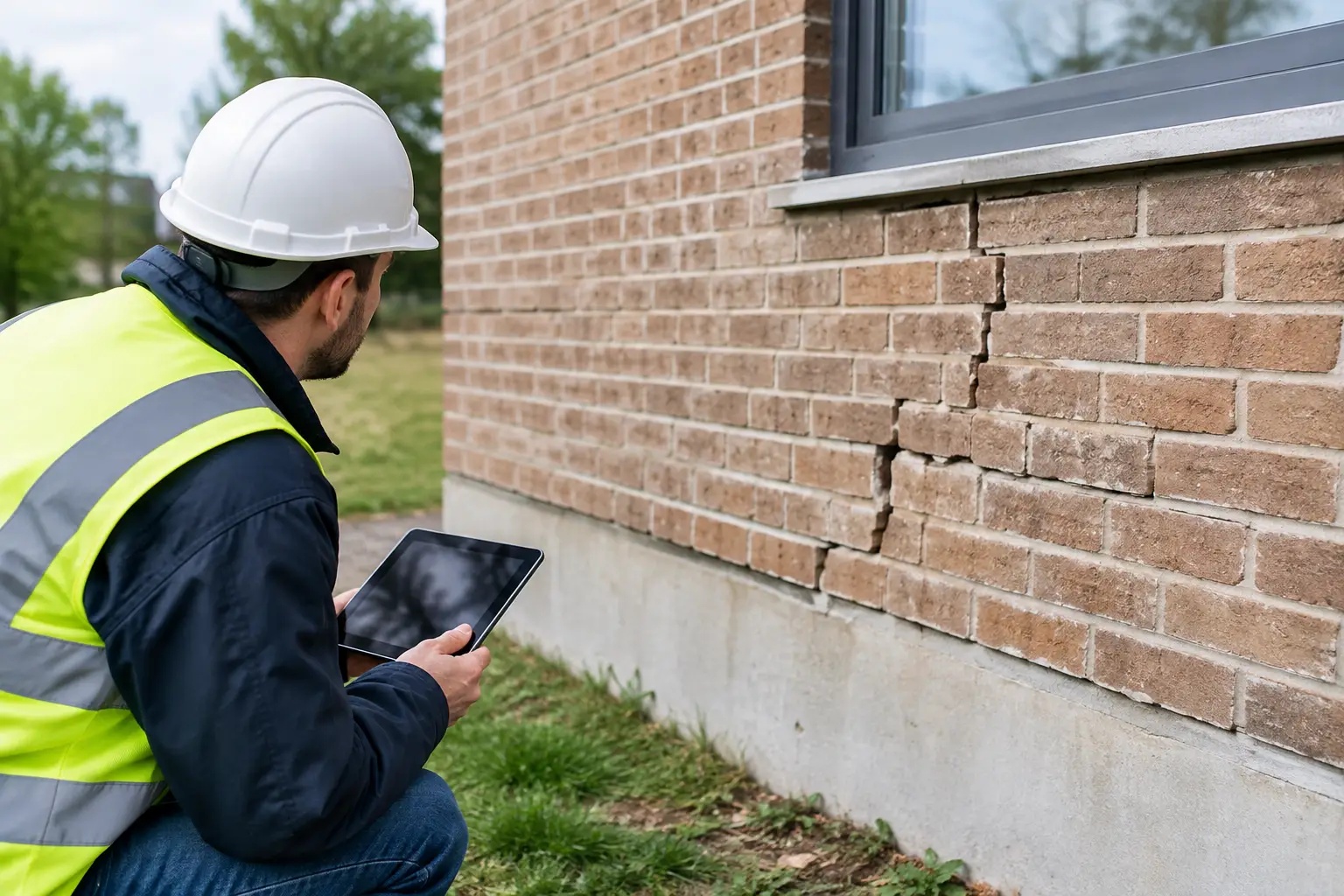
Fast access to a survey matters most when timing affects leverage. If you are buying a house with visible cracking, damp staining, roof sagging or signs of poor alterations, waiting a week just to secure an appointment can put you behind. The same applies if you are a homeowner dealing with a leak, a landlord trying to diagnose building defects between tenancies, or a developer who needs reliable inspection input before works continue.
When same day property survey booking makes sense
Not every instruction needs urgent attendance. If you are planning routine maintenance for a property you have owned for years, a later slot may be perfectly suitable. But there are situations where speed has a direct value.
A buyer may need a structural opinion before renegotiating on price. A homeowner may have noticed movement around openings and wants to know whether the issue is cosmetic or more serious. A roof problem after heavy weather may need prompt assessment to distinguish isolated repair needs from wider failure. In these cases, same day booking is less about convenience and more about protecting your position.
There is also a financial angle. Early inspection can stop minor defects becoming larger claims, and it can help you avoid committing to a purchase without understanding likely repair costs. A report that identifies urgency, probable cause and likely remedial direction gives you something concrete to work from.
What you should expect from a fast survey service
Speed should not come at the expense of quality. A worthwhile rapid-response service still needs clear scope, qualified surveyors or building engineers, and a report that does more than repeat obvious visual issues.
The key question is not simply, “Can someone attend today?” It is, “Will the inspection give me dependable evidence I can act on?” A proper survey should explain what defects were observed, what they may indicate, how serious they appear, and what further action is sensible. For many clients, that practical element matters more than technical jargon.
A professional provider should also be transparent about what type of survey is right for the property and the issue. A structural building survey, roof survey, snagging survey or thermographic inspection all serve different purposes. Booking quickly is helpful, but booking the wrong inspection quickly is not.
Same day property survey booking for buyers
For buyers, timing often shapes negotiation. If a valuation has flagged concerns, or the estate agent is pressing for exchange, a fast survey can bring much-needed clarity. It may confirm that visible cracking is historic and relatively stable. Equally, it may highlight movement, water ingress, timber decay, defective roof coverings or poor workmanship from previous alterations.
That distinction matters because buyers do not just need a list of faults. They need to understand whether the defects are manageable, expensive, urgent or likely to affect mortgageability. A survey carried out promptly can support a price adjustment, a request for further specialist investigation, or in some cases a decision to walk away.
First-time buyers often feel under pressure to keep the transaction moving. In reality, a short pause for proper inspection can save far greater cost later. Acting quickly is sensible when it leads to better information, not when it pushes you into commitment without it.
Why quick access helps but still needs judgement
There is a trade-off. Urgent booking can reduce waiting time, but access arrangements, occupant availability and property type may still affect what can be done immediately. A flat with restricted roof access, for example, may need more coordination than a straightforward house inspection. Listed buildings, converted properties and buildings with complex alterations can also require more detailed consideration.
That is why the best fast services are organised, not rushed. They move quickly on scheduling while remaining realistic about inspection limits and reporting scope.
What homeowners and landlords gain from quick inspections
Urgent surveys are not only for purchases. Existing owners often need rapid diagnosis when a defect appears suddenly or worsens. Damp patches, cracking, slipped roof coverings, heat loss concerns and signs of poor workmanship after building works all benefit from early assessment.
Landlords have an added pressure because void periods, tenant complaints and repair liabilities can escalate quickly. A prompt survey helps establish whether the issue is maintenance-related, defect-driven or linked to wider construction failure. That can support repair planning, contractor instruction and, where needed, formal evidence.
Developers and property professionals also use same day inspections when snagging concerns, workmanship disputes or suspected defects threaten programme and cost. In those cases, speed supports project control, but only if the findings are technically sound and clearly reported.
How to prepare for same day property survey booking
If you need an appointment urgently, a few details will help the process move faster. Be ready to explain the property type, age if known, location, and the main concern. It also helps to mention whether the issue involves cracking, roofing, damp, thermal performance, asbestos, snagging or a broader pre-purchase concern.
Photographs can be useful at booking stage because they help the surveying team direct the enquiry correctly. Access details matter too. A same day slot is only workable if somebody can provide entry, loft access where relevant, and any site-specific information such as parking restrictions or managing agent requirements.
Clients sometimes assume that urgency means less preparation is needed. In fact, the opposite is usually true. The clearer the initial information, the easier it is to allocate the right specialist and keep the inspection efficient.
What affects availability
Nationwide coverage and seven-day operation make rapid appointments more realistic, but same day attendance still depends on geography, survey type and demand. Urban areas may have better slot flexibility, while some rural locations require more travel coordination. Specialist inspections may also depend on the availability of the appropriate qualified professional rather than any general inspector.
This is where service structure matters. A provider with organised scheduling, broad coverage and a defined range of inspections is better placed to respond quickly without compromising standards. HICH Ltd is built around that practical model, combining fixed-fee clarity with qualified inspection expertise and same-day booking availability where scheduling allows.
Fast does not mean vague on pricing
One of the common frustrations in the surveying market is inconsistent pricing. Clients are often quoted based on property value or broad assumptions that do not reflect the work required. When you are booking urgently, unclear fees create more pressure than they solve.
A transparent pricing approach helps clients make quick decisions with confidence. Bedroom-count pricing, fixed fees and a defined inspection scope are especially useful because they remove guesswork. That matters to buyers watching every transaction cost and to homeowners who need answers before repair spending escalates.
Low cost alone should not be the deciding factor, though. The real value lies in whether the report helps you avoid unexpected expenditure, prioritise repairs properly and make a stronger financial decision.
Choosing the right survey on the day
Urgency often leads people to ask for “a survey” without being sure which one they need. That is understandable, but the right choice depends on the property and the issue. A full structural building survey is often appropriate where there are broader condition concerns or older, altered or non-standard buildings. A roof survey is better when the defect appears isolated to the roof structure or covering. A snagging survey suits recently built or newly converted homes, while thermographic surveys can assist with hidden heat loss and moisture patterns.
If the provider asks questions before confirming the booking, that is usually a good sign. It suggests they are trying to match the service to the problem rather than forcing every enquiry into the same template.
What a useful report should give you
After a fast inspection, you still need a report that supports action. That means clear findings, sensible explanation, and where possible an indication of repair implications or next steps. If defects are significant, the report should help you understand urgency. If further specialist input is needed, that should be stated plainly.
For buyers, that may support renegotiation. For owners, it may shape repair planning. For landlords, developers or parties in dispute, it may provide a firmer technical basis for decisions already under pressure.
Property problems rarely improve by being ignored, but they also do not all demand alarm. The real benefit of acting quickly is not speed for its own sake. It is getting dependable building advice early enough to make a better decision while your options are still open.