

Survey Report for Negotiating House Price
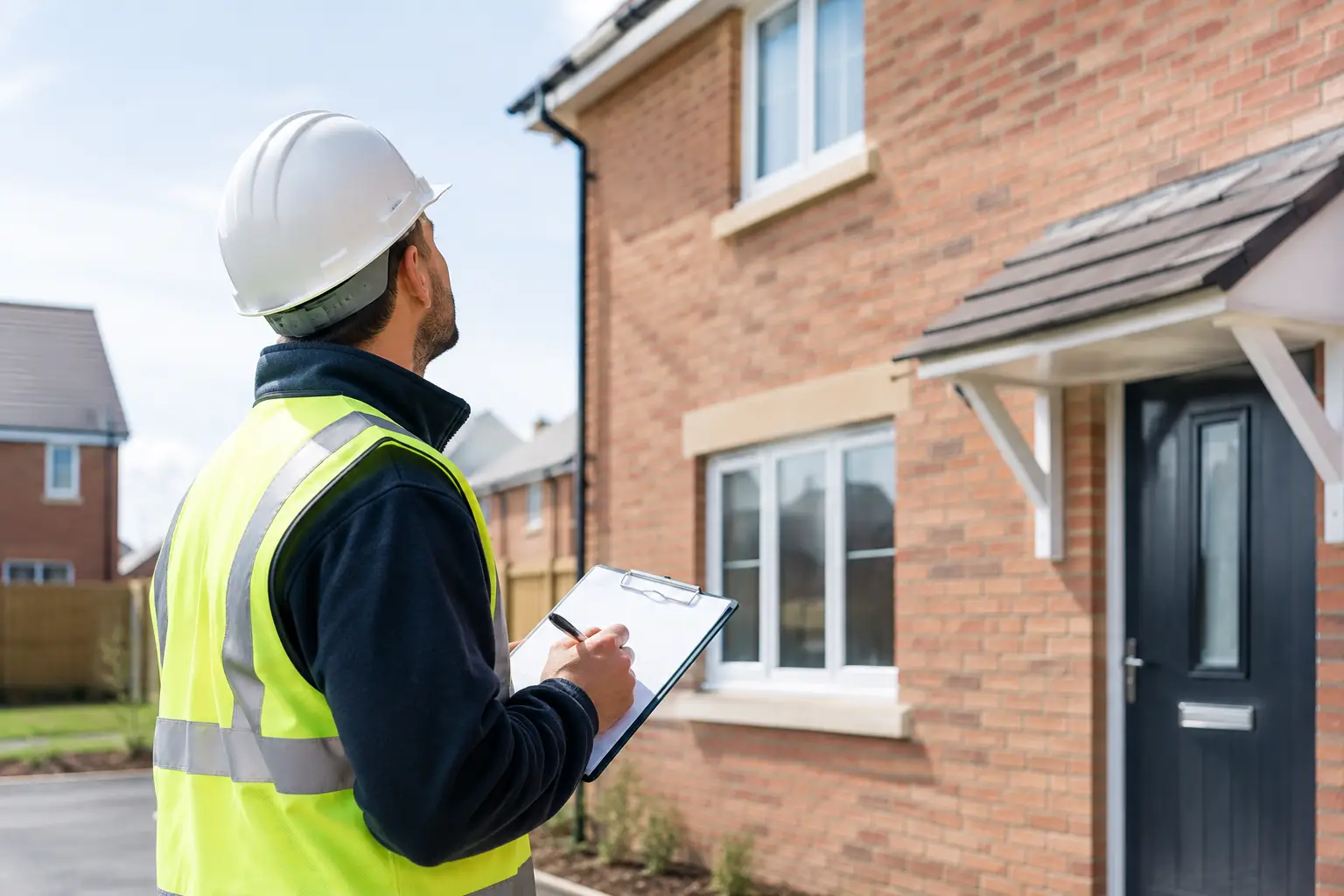
You have had an offer accepted, the lender is progressing matters, and then the survey lands with a list of defects you were not expecting. This is exactly where a survey report for negotiating house price becomes valuable. A good report does more than flag concerns – it gives you evidence, context and a sound basis for reopening the discussion before you commit.
For many buyers, this is the point where nerves set in. There is a fear of annoying the seller, slowing the transaction or losing the property altogether. But if the survey identifies genuine defects, especially those that affect safety, structure, weatherproofing or near-term repair costs, negotiation is not unreasonable. It is part of making an informed purchase.
Why a survey report matters in price negotiations
An asking price reflects what the seller hopes to achieve. A survey reflects the building as it actually stands. The gap between those two can be significant.
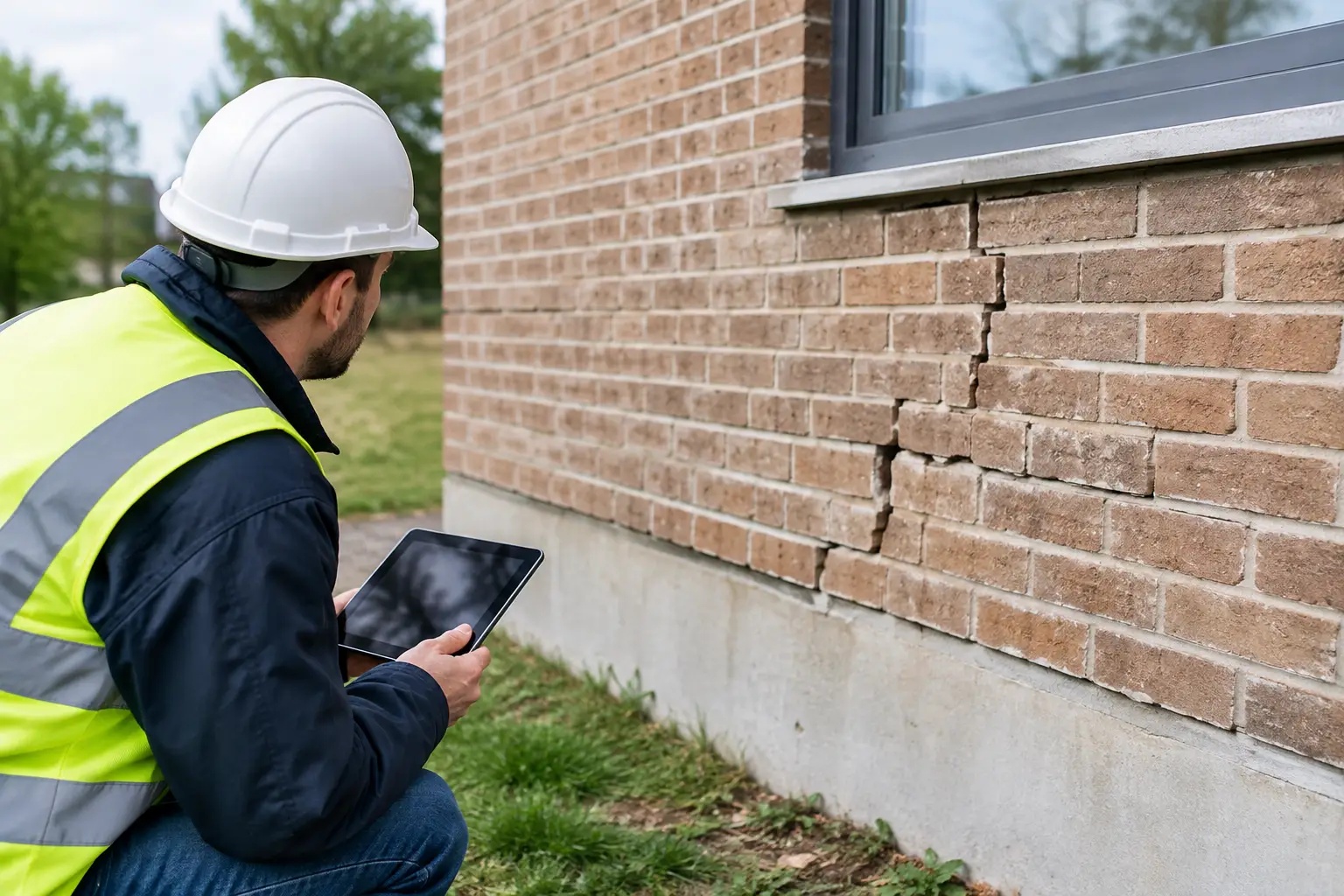
Estate agent particulars and viewing impressions rarely reveal the full condition of a property. Roof coverings may be at the end of their serviceable life. Sub-floor ventilation may be poor. Cracking may point to movement, or it may be historic and low risk. Damp staining may relate to a simple maintenance defect, or it may indicate a wider issue with rainwater goods, bridging or defective masonry. Without a professional inspection, buyers are often negotiating in the dark.
A survey report changes that position. It identifies defects, explains likely causes and highlights urgency. In many cases, it also gives a practical sense of repair implications, even where an exact quotation from a contractor is still needed. That is what gives your negotiation weight. You are no longer asking for a discount because the property feels overpriced. You are asking for a revised price because the condition differs materially from what was reasonably assumed.
What makes a survey report useful for negotiating house price
Not every comment in a report justifies a reduction. Buildings, especially older ones, come with age-related wear. A seller is unlikely to accept a renegotiation because a Victorian terrace has some uneven floors, dated electrics or general maintenance needs that would have been predictable from the outset.
What carries more weight is clear evidence of defects that are costly, urgent or previously unknown. Structural movement, roof failure, water ingress, timber decay, defective drainage, widespread dampness, asbestos-containing materials in poor condition, and significant thermal bridging or insulation defects can all affect value. So can poor-quality alterations, lack of adequate support, failed lintels or signs of long-term neglect.
The strongest survey report for negotiating house price is one that does three things well. It identifies the issue clearly, explains why it matters, and connects it to likely repair works or further investigation. Sellers and agents respond better to specifics than general concern.
The difference between maintenance and leverage
This is where many negotiations become muddled. A buyer sees a long list of defects and assumes every item should reduce the price. In reality, there is a difference between expected upkeep and a material change in risk.
If a survey says the bathroom sealant has failed, a few roof tiles are slipped, and the boiler is dated but serviceable, that may not justify much movement. Those are ownership issues rather than major transactional issues. By contrast, if the report identifies active roof leaks, decayed rafters, unsafe chimney masonry or evidence of structural distortion, the financial position changes.
The key question is simple: would a reasonable buyer have offered the same figure if these defects had been known at the start? If the answer is no, there is a sensible basis for renegotiation.
How to use a survey report for negotiating house price effectively
The best approach is calm, factual and evidence-led. A defensive or overly aggressive message can harden positions quickly, especially if the seller believes you are trying to chip the price unfairly.
Start by isolating the defects that genuinely affect value or repair cost. You do not need to send every page with every minor comment highlighted. Pull out the main issues, preferably with wording taken directly from the report. If repair costs are likely to be substantial, it can help to obtain contractor quotations, but this depends on timing. In fast-moving transactions, a well-written survey report from a qualified surveyor or building engineer may be enough to begin discussions.
When you go back to the estate agent or seller, keep the wording straightforward. Explain that your offer was made on the assumption of no major hidden defects, and that the survey has now identified specific issues requiring remedial works. Set out the revised figure or requested allowance and tie it to the evidence.
There is no need for drama. The most persuasive negotiations are usually the most measured.
Focus on the defects with real cost impact
A long schedule of minor issues can weaken your position if it looks like you are building a case out of routine wear and tear. Concentrate on the problems that affect structural integrity, habitability, safety or substantial expenditure in the short term.
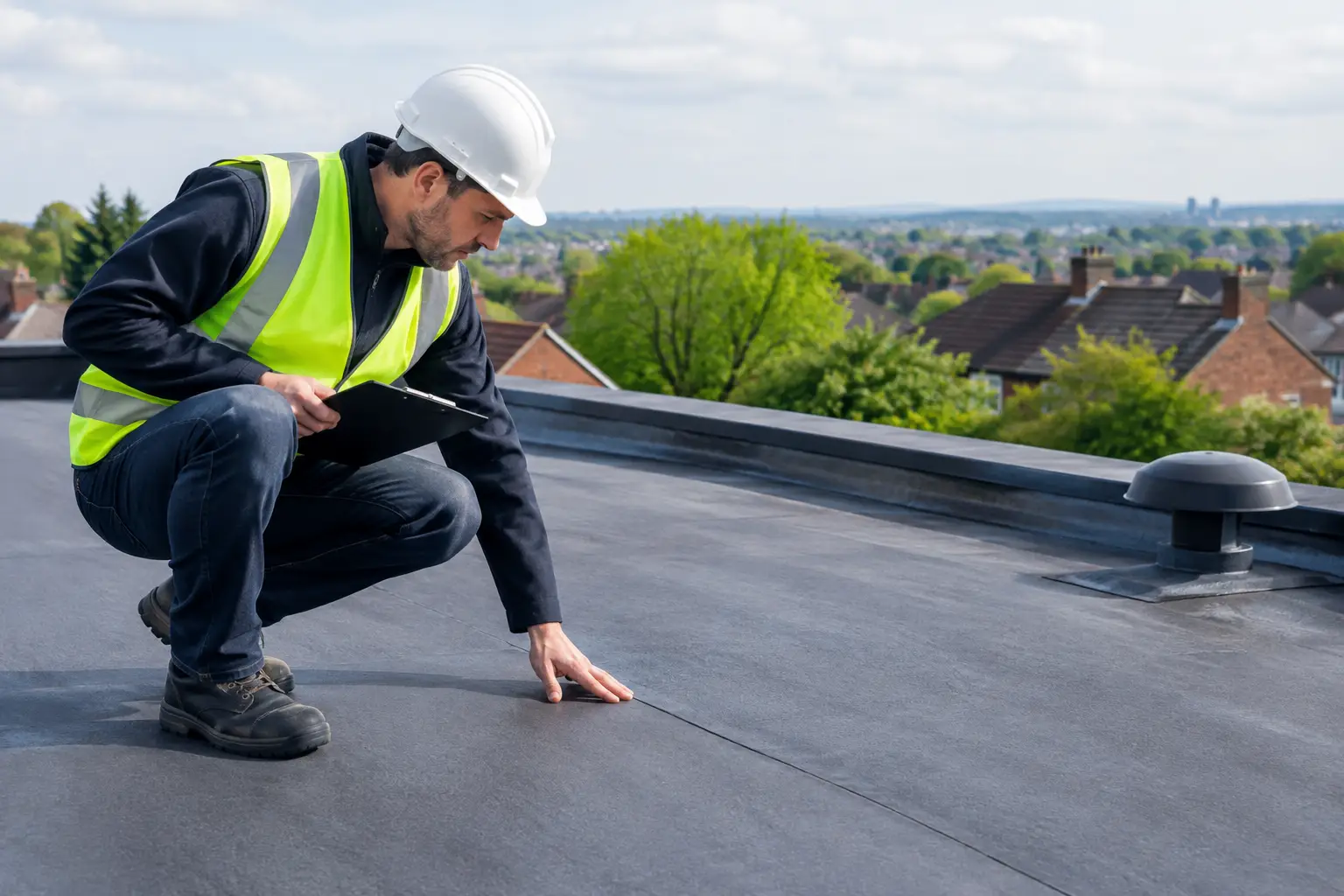
For example, if the survey finds roof covering failure, defective flashings and signs of water penetration into the loft, that is easier to quantify and justify than cosmetic cracking or tired décor. If there is evidence of movement and a recommendation for structural assessment, that has a direct bearing on risk and lender confidence.
Ask for the right adjustment
There is more than one way to negotiate. A straight price reduction is common, but it is not the only option. Some buyers ask the seller to complete repairs before exchange. Others agree a retention or simply renegotiate enough to reflect the immediate cost burden.
Whether that is wise depends on the defect. Seller-organised repairs can be difficult to control for quality and scope. In many cases, a price reduction is cleaner because it leaves the buyer in charge of the remedial works after completion.
When sellers push back
It is common for sellers to argue that the property was priced with condition in mind, or that older homes naturally have defects. Sometimes that is fair. Sometimes it is not.
This is why the wording and quality of the inspection report matter. A detailed report prepared by an experienced surveyor carries more authority than a vague comment that something “may need attention”. If the report explains the defect, probable cause and recommended action, it is harder to dismiss.
Sellers may also produce their own contractor who downplays the issue. That does happen. Where there is a genuine dispute over severity, further specialist inspection may be sensible, particularly for structural movement, damp diagnosis, roofing defects or asbestos concerns. Paying for more clarity can save far larger costs later.
A realistic view of what you can negotiate
Not every survey leads to a discount, and not every discount will match the full estimated repair bill. Property transactions are still commercial negotiations. The seller may be under pressure to move quickly, or they may have other interested parties. Equally, a buyer may be willing to absorb certain works to secure the right property.
It depends on the scale of the defect, the local market, the age and type of property, and how replaceable that property is for you. A buyer negotiating on a modern house with major hidden defects may have stronger leverage than a buyer pursuing a rare period home where some repair liability is expected.
That said, ignoring a serious survey finding for fear of awkwardness is rarely a good decision. If defects are substantial, they do not become cheaper after completion.
Choosing the right survey before you negotiate
A weak inspection limits your options. If you are relying on a mortgage valuation or a brief condition comment, you may not have enough detail to negotiate effectively. A more comprehensive survey gives a clearer picture of building condition and likely repair priorities.
This is particularly important with older properties, buildings that have been altered, homes with visible cracking or dampness, and houses where roof condition is uncertain. Specialist input can also be decisive. If the main issue is the roof, a dedicated roof survey may offer the level of technical detail needed. If there are concerns about movement or concealed defects, a structural building survey may be the better route.
At HICH LTD, the focus is on practical defect analysis that supports decision-making, not just box-ticking. That matters when the report may influence whether you proceed, renegotiate or walk away.
Survey report for negotiating house price – when to walk away
Sometimes the most valuable outcome of a survey is not a discount. It is clarity.
If the report reveals widespread structural concerns, extensive water ingress, multiple high-cost defects or signs that the building has been poorly altered over many years, the right decision may be to withdraw. That is especially true where the seller will not engage reasonably, or where the total risk remains unclear even after further enquiries.
A property can still be worth buying with defects if the price reflects them and you understand the remedial path. But if the cost exposure is open-ended, caution is justified. Buying at the wrong price is frustrating. Buying without understanding the full condition can be much worse.
A survey should put you in control of the decision. Whether you use it to secure a reduction, request further investigation or reconsider the purchase entirely, the real value is having reliable technical evidence before you are legally committed. In a market where defects are often hidden until late in the process, that knowledge is not a luxury – it is protection.