

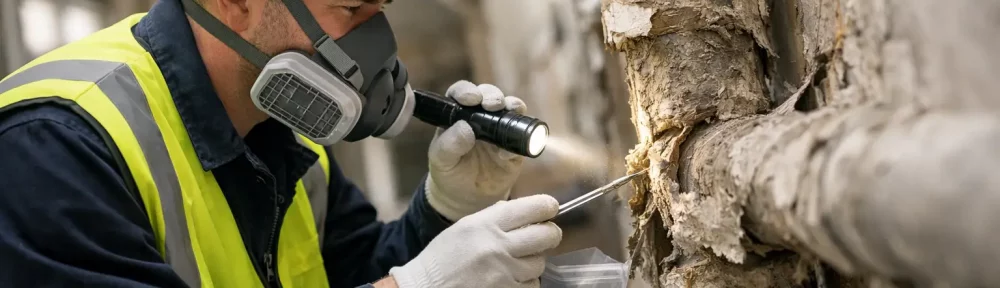
A textured ceiling, an old garage roof or a boxed-in pipe can look harmless, yet each may contain asbestos if the building was constructed or altered before 2000. If you are asking when do you need asbestos survey work, the answer usually depends on what you plan to do to the property, who occupies it, and whether suspect materials could be disturbed.
An asbestos survey is not simply a box-ticking exercise. It gives you evidence about the location, type, condition and risk posed by asbestos-containing materials, helping you plan work safely and avoid costly delays. For buyers, landlords, homeowners and developers, it can also clarify whether a seemingly straightforward refurbishment has a hidden compliance and removal cost.
When do you need an asbestos survey?
You should arrange an asbestos survey before refurbishment, demolition or intrusive repair work on a building that may contain asbestos. In the UK, asbestos was banned in 1999, but it was widely used for decades beforehand. Any property built or significantly refurbished before 2000 should therefore be treated as potentially containing asbestos until a suitable inspection establishes otherwise.
The need is especially clear where planned works involve disturbing the fabric of the building. Removing ceilings, lifting old floor tiles, replacing a heating system, altering pipework, stripping a kitchen or bathroom, rewiring, drilling through walls and replacing a roof can all expose concealed materials. Relying on age, appearance or a contractor’s assumption is not a safe substitute for a survey.
For occupied non-domestic premises, there may also be a legal duty. Under the Control of Asbestos Regulations 2012, the dutyholder for many workplaces and common areas of domestic premises must identify and manage asbestos risk. This commonly affects shops, offices, warehouses, schools, communal stairwells, plant rooms and shared corridors in blocks of flats.
A private homeowner is not automatically required to commission a survey simply because they own or sell a house. However, the risk does not disappear in a domestic setting. A survey is often the sensible decision before any work that could disturb older construction materials.
Situations where a survey is strongly recommended
Before buying an older property
A standard property survey may identify materials that appear suspicious, but it does not usually provide a full asbestos assessment unless this has been specifically instructed. If you are buying a pre-2000 home, particularly one with original ceilings, flooring, garage panels, outbuildings or heating pipe insulation, an asbestos survey can give more certainty before exchange or before budgeting for renovation.
This is valuable where a property is being bought at a competitive price because it needs modernising. The cost of safely removing asbestos insulation board, sprayed coatings or damaged cement sheets can be materially different from the cost of ordinary strip-out work. Knowing this early supports realistic negotiations and prevents the refurbishment budget from being undermined after completion.
Before refurbishment or alteration
Refurbishment is one of the most common triggers for an asbestos survey. Even modest works can involve hidden risk. For example, a new extractor fan may require access through an artex-coated ceiling; a loft conversion may disturb insulation, boards and service ducts; and a new kitchen may involve removing vinyl floor coverings or old wall panels.
A refurbishment and demolition survey is designed for this purpose. It is more intrusive than a management survey because it examines the areas that will be affected by the planned works, including concealed spaces where reasonably practicable. The inspected area may need to be vacant, and some finishes may be opened up to establish what is behind them.
The scope should match the project. A survey for a bathroom refurbishment does not necessarily need to cover every room in the house, while a full internal reconfiguration may require a much broader inspection. Defining the works clearly helps ensure the report is proportionate, useful and cost-effective.
Before demolition
Demolition work requires the highest level of certainty because it has the potential to disturb materials throughout the structure. A suitable refurbishment and demolition survey should be completed before demolition begins, covering the building or relevant part of it comprehensively.
This should not be left until contractors arrive on site. Discovering asbestos once demolition has started can stop work, increase project costs and create avoidable exposure risks. Early inspection allows removal, waste arrangements and programme implications to be planned properly.
When you manage a workplace or communal area
If you are responsible for a non-domestic building, or common parts of residential premises, you may need an asbestos management survey and an asbestos register. The purpose is to locate asbestos-containing materials that could be disturbed during normal occupation, maintenance or minor repairs, then record their condition and set out how they will be managed.
Management does not always mean immediate removal. Materials in good condition that are unlikely to be disturbed can often be left in place, labelled where appropriate and monitored. The crucial point is that those carrying out maintenance, repairs or emergency work must be able to access accurate information before they start.
When suspect materials are damaged or deteriorating
A survey should be considered promptly if you find damaged insulation, crumbling board, broken ceiling tiles, loose floor coverings or deteriorated panels in an older building. Risk is influenced by the type and condition of the material, its accessibility and the likelihood of disturbance. Materials that are friable or already damaged generally require more urgent professional assessment than sound, sealed asbestos cement products.
Do not sand, drill, sweep up debris or attempt to take a sample yourself. Stop work, restrict access where possible and seek competent advice. A qualified surveyor can determine whether sampling is necessary and explain the next practical step.
Choosing the right type of asbestos survey
The survey type matters as much as the decision to survey. A management survey is intended to help manage asbestos during normal use and routine maintenance. It is generally less intrusive and may identify accessible materials, supported by sampling where required.
A refurbishment and demolition survey is needed before work that will disturb the building fabric. It is invasive by nature and focuses on the precise areas affected by the project. It should be commissioned early enough to allow for laboratory analysis, reporting and, if necessary, safe removal before trades begin.
There are circumstances where a targeted asbestos inspection is appropriate. For example, if a contractor needs to drill through one suspect ceiling or remove a small section of boxing, a focused survey of that location may be sufficient. The right approach depends on the extent of the work, the building’s age and available records.
An old asbestos register can be useful, but it should not be accepted without review. Buildings change, materials may have been removed or disturbed, and previous surveys may exclude areas that your project now affects. Check the survey date, its limitations, the areas inspected and whether it is suitable for your proposed works.
What a useful asbestos report should tell you
A clear report should identify the surveyed areas and any exclusions, record the location and extent of suspected or confirmed asbestos-containing materials, and describe their condition. It should also explain the risk assessment and provide practical recommendations, such as monitoring, encapsulation, repair, further investigation or removal by an appropriate contractor.
For a refurbishment project, the report should be specific enough for your designer, builder and other trades to understand where controls are needed. Vague wording creates uncertainty on site. A properly scoped inspection gives you a practical record that supports safe planning rather than a document that simply raises questions.
It is equally important to understand what a survey cannot confirm. Areas that were inaccessible, concealed or outside the agreed scope may remain uninspected. If the project expands, the survey may need to expand with it. Inform your surveyor about all intended works, including seemingly minor changes to services, walls, roofs and finishes.
Plan before work starts
The best time to arrange an asbestos survey is before you commit to a construction programme, instruct trades or begin opening up an older property. It gives you time to understand the findings, obtain removal costs where needed and keep your project moving safely.
HICH LTD provides asbestos surveys across the UK, with reporting designed to make property risks and next steps clear. Whether you are buying, maintaining a rental property or planning major renovation, early specialist advice can protect occupants, contractors and your budget.
If there is any doubt about a pre-2000 material, treat it cautiously until it has been assessed. A timely survey is often the small decision that prevents a much larger problem later.