

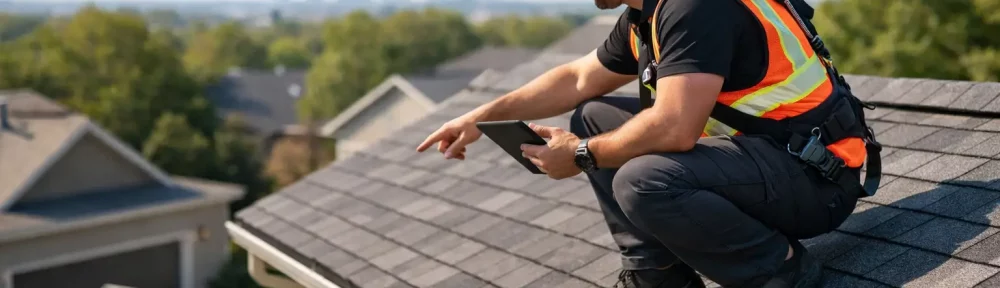
A ceiling stain spreading after heavy rain, a loose tile spotted from the garden, or a mortgage valuation that flags roofing concerns can quickly put a property decision on hold. A same day roof survey provides prompt, independent evidence of what is happening above your head, how urgent it is and what work may be required. For buyers, homeowners and landlords, that clarity can prevent an expensive repair from becoming an unexpected crisis.
What a Same Day Roof Survey Can Tell You
A roof can look acceptable from street level while concealing defects in the coverings, flashings, valleys, gutters, chimney details or supporting structure. Water rarely enters a building directly above the visible damp patch. It can travel along timbers, membranes and cavity edges before appearing on an internal wall or ceiling, which is why a professional inspection matters.
A same-day appointment is particularly useful where a decision cannot wait. You may be close to exchanging contracts, dealing with an active leak, arranging remedial works after storm damage, or responding to concerns raised by a tenant. The surveyor examines accessible areas of the roof and records visible defects, deterioration and potential risk points in clear terms.
Depending on the property and the inspection method, the assessment may identify slipped or broken tiles and slates, cracked leadwork, failed mortar fillets, worn flat-roof coverings, blocked or defective rainwater goods, damaged chimney stacks, inadequate roof ventilation and signs of moisture affecting timbers. The aim is not simply to state that a roof is in poor condition. A useful report explains the likely cause, the consequences of leaving it unresolved and the appropriate next step.
When Speed Is Worth Paying For
Not every roofing concern requires an urgent inspection. If a roof is approaching the end of its expected service life but is dry, stable and being monitored, a planned survey may be entirely suitable. A quicker inspection becomes more valuable when delay could affect a transaction, safety, insurance evidence or the scale of damage.
For a buyer, a concerning roof can change the economics of the purchase. Replacing a small area of defective flashing is very different from renewing extensive coverings, repairing rot to structural timbers or rebuilding an unstable chimney stack. Obtaining an informed opinion before committing allows you to reassess the price, request further information from the seller or budget realistically for repairs.
For an existing owner, rapid diagnosis can help distinguish a local repair from a wider failure. A leak around a rooflight, for example, may result from failed seals or poorly detailed flashing rather than the entire roof covering. Equally, repeated patch repairs to an ageing flat roof may offer poor value if the underlying membrane has failed across a larger area. The right recommendation depends on the evidence, not assumptions.
Landlords and managing agents may need an inspection quickly to protect occupants, document reported defects and organise suitable repairs. Developers and contractors can also benefit from independent findings where workmanship, water ingress or handover standards are disputed.
Same-Day Booking Does Not Mean a Rushed Inspection
A prompt booking should not reduce the quality of the assessment. The value comes from having a qualified building engineer or surveyor assess the condition methodically, rather than relying solely on a roofer’s estimate or a photograph taken from ground level.
That said, the scope of any survey must reflect what can safely be accessed on the day. Roof height, pitch, weather conditions, locked loft hatches, stored belongings and neighbouring boundaries can all affect visibility. If close inspection requires specialist access equipment, a drone assessment, lifting finishes or opening up concealed areas, this should be stated clearly. A professional survey separates confirmed defects from items that need further investigation.
What Happens During the Inspection
The survey normally begins with the external elevations and roofline. The inspector looks at the condition and alignment of tiles or slates, ridge and hip details, chimney stacks, parapets, flashings, verge mortar, gutters and downpipes. Flat roofs are assessed for standing water, splits, blistering, ponding, poor falls, edge detailing and deterioration around penetrations.
Where access is available, the loft is equally important. Internal inspection may reveal water staining, mould growth, timber decay, inadequate insulation clearance, poor ventilation, daylight visible through the coverings or historic repairs. Not every stain confirms an active leak, so the surveyor considers the pattern, moisture evidence and condition of surrounding materials before reaching a view.
A well-prepared report should use photographs and plain language to show what was found. It should also help you prioritise. Immediate safety issues, active water ingress and defects likely to worsen quickly need a different response from routine maintenance such as clearing gutters or renewing isolated sealant.
At HICH LTD, roof inspections are carried out with the wider building in mind. Roofing defects can affect ceilings, external walls, insulation, timber structure and internal finishes, so practical repair advice should consider the source and the extent of any associated damage.
Preparing for a Fast Roof Inspection
A little preparation helps make the appointment productive. Ensure the surveyor can access the property, the loft hatch and any relevant internal rooms. If you have photographs showing when the problem first appeared, invoices for previous repairs or details of recent storms, keep them available. These do not replace inspection findings, but they can help establish whether a defect is longstanding, intermittent or newly developing.
Tell the surveyor about recurring issues, even if they seem unrelated. Drips around a chimney breast, peeling paint near a window head, persistent condensation in a loft and overflowing gutters may point to separate defects, but they may also form part of the same moisture problem.
If the survey is for a purchase, provide any information already received from the estate agent, seller or mortgage valuer. This allows the inspection to focus on the concern while still considering the roof as a whole. A specific issue should not distract from obvious defects elsewhere in the covering or drainage system.
Understanding Recommendations and Repair Costs
Survey findings should support sensible decisions, not pressure you into the largest possible project. Some issues are localised and suitable for targeted repair. Others indicate that repeated repairs are likely to be uneconomic. The difference often comes down to the condition of the surrounding materials, the age and type of roof, previous workmanship and the presence of concealed moisture damage.
For example, isolated cracked tiles may be straightforward to replace if the battens, underlay and neighbouring coverings remain sound. However, widespread slipped slates, deteriorated nail fixings and water damage in the loft can suggest a more significant programme of work. A report that explains this distinction gives you a stronger basis for seeking quotations and comparing proposed repairs.
Cost guidance should also be treated carefully. Access requirements, roof complexity, conservation restrictions, the availability of matching materials and the extent of timber or internal damage can all change the final price. The most useful survey identifies the likely work categories and urgency, allowing contractors to quote against a clearer brief.
Choosing the Right Time to Act
A roof rarely improves once defects begin to admit water. Damp insulation loses performance, timber remains vulnerable to decay and small leaks can damage plaster, electrics and decorations well beyond the entry point. Acting promptly is generally cheaper than waiting for visible internal damage to spread.
However, urgency does not mean authorising repairs without evidence. A same day roof survey gives you an informed starting point: what is visible, what is likely causing the issue, what requires immediate attention and what can be planned. If you need quick reassurance before a purchase or practical evidence to organise repairs, booking an inspection early gives you more control over the next decision.